How to Keep Minnows Alive Longer
There's nothing quite as deflating as getting ready for a great day of fishing, only to open your bait bucket and find all your lively minnows have gone belly-up. It's a common struggle for anglers across Iowa, and it often feels like a waste of time and money before you've even cast a line. This guide is here to walk you through the essential steps and insider tricks to keep your minnows vigorous and ready for action, from the bait shop all the way to your favorite fishing hole.
Understanding Why Minnows Don't Survive
Before we dive into solutions, let's talk about why those little guys sometimes don't make it. It's not usually bad luck; it's a combination of environmental factors that, when ignored, can quickly turn your bait bucket into a sad, fishy graveyard. Knowing these underlying causes is the first step to becoming a minnow-keeping pro.
Oxygen Depletion: The Silent Killer
Imagine being stuck in a crowded room with no fresh air – that's often what happens to minnows in a standard bait bucket. Fish breathe oxygen dissolved in the water, and when you cram a bunch of them into a small space, they quickly use up that vital oxygen. The warmer the water, the less oxygen it can hold, and the faster your minnows will suffocate. This is especially true on a hot summer day when your bucket can heat up quickly, leaving your minnows gasping for air and eventually perishing. It's a cruel cycle that happens faster than you might think, especially if you're transporting a good number of lively shiners or fatheads.
Temperature Shock and Fluctuations
Minnows are sensitive creatures, and sudden changes in water temperature are incredibly stressful, often leading to shock and death. Think about buying minnows from a cool bait shop tank and then dumping them straight into warm lake water or leaving them in a bucket in a hot car. That drastic temperature swing can be fatal. Even slower, but significant, changes can weaken them, making them less appealing as bait. Maintaining a stable, cool temperature is paramount. It’s not just about avoiding extreme heat, but also about preventing rapid shifts that their delicate systems just can’t handle.
Water Quality Issues: Ammonia and Chlorine
Tap water, while fine for humans, often contains chlorine or chloramines, which are lethal to fish. Even well water can have surprising chemical compositions or heavy metals. Beyond that, as minnows live in their bucket, they produce waste (ammonia), and uneaten food can decompose. Both ammonia and decomposing organic matter quickly foul the water, creating a toxic environment that poisons the minnows. This is why just adding more tap water isn't a solution; it can often make things worse by introducing more harmful chemicals into an already stressed system.
Overcrowding and Stress
It's tempting to buy a massive amount of minnows for a long fishing trip, but cramming too many into a small container is a recipe for disaster. Overcrowding exacerbates all the other problems: faster oxygen depletion, more waste production, and increased stress among the minnows. Stressed minnows are weaker, more susceptible to disease, and simply don't make for good, active bait. They'll bruise each other, become sluggish, and ultimately die off more quickly than those given adequate space. It’s a classic case where less can often be more, allowing the minnows you do have to thrive.
Essential Gear for Keeping Minnows Alive
Now that we know what not to do, let's talk about the gear that will help you succeed. Investing in a few key items can dramatically increase the lifespan and liveliness of your minnows, ensuring you have bait that’s ready to tempt those big Iowa fish.
Minnow Buckets and Coolers
Not all minnow buckets are created equal. A basic, uninsulated plastic bucket might work for a very short trip on a cool day, but for anything longer or warmer, you need something better.
- Insulated Buckets/Coolers: The best option is an insulated minnow bucket or a small cooler specifically designed for bait. These help maintain a stable, cool water temperature, protecting your minnows from temperature shock. Look for models with an inner liner that can be easily removed for cleaning, and often, a built-in aerator slot. Some fantastic options are available on Amazon that are specifically designed for bait and come with all the necessary features.
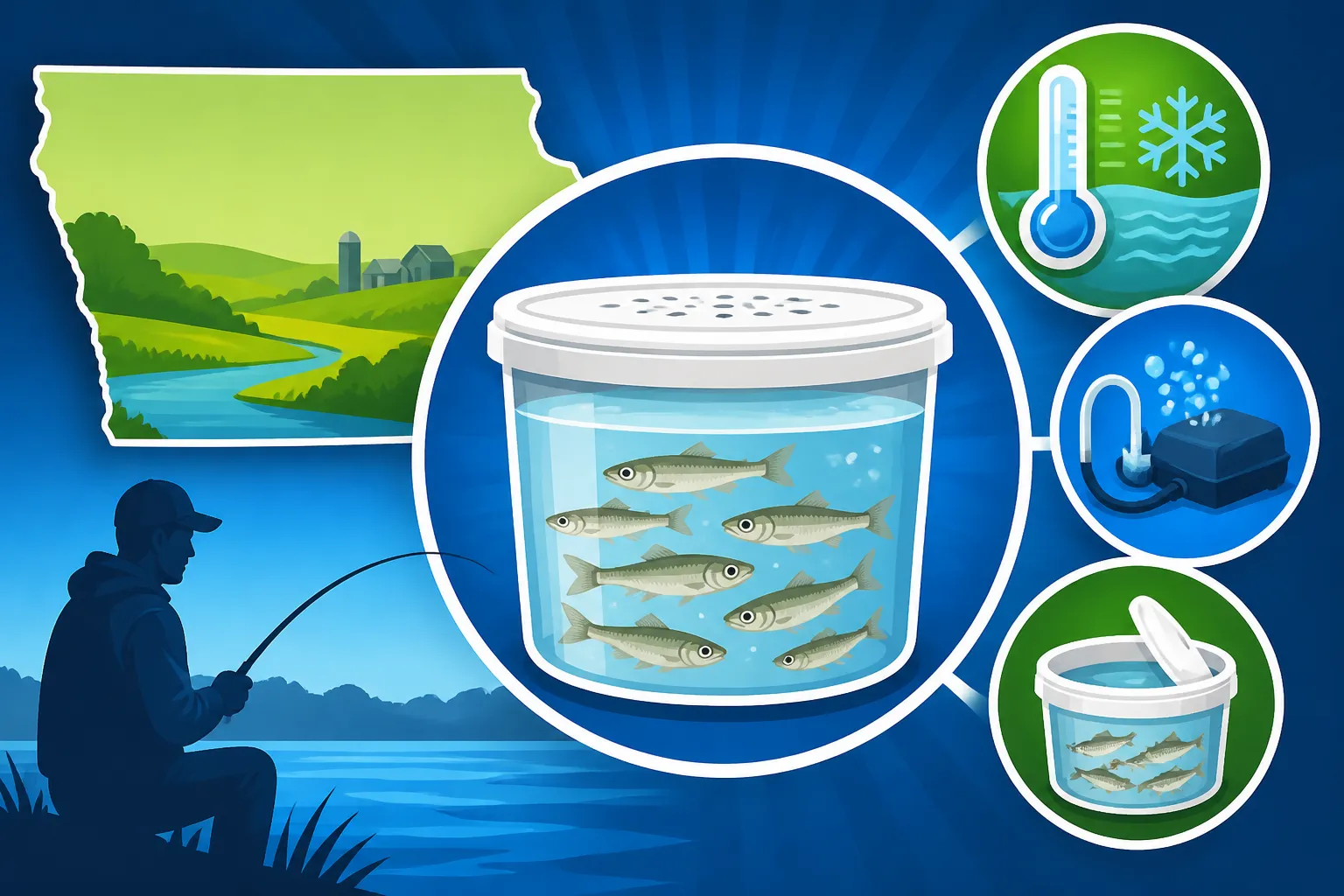
- Aerated Buckets: Many modern minnow buckets come with a battery-powered aerator integrated into the lid or as an attachment. This is a game-changer! An aerator constantly bubbles air into the water, replenishing oxygen and helping to circulate the water, which also disperses waste. For serious anglers, a quality aerated bucket is non-negotiable for keeping your bait lively. When choosing, consider how easy it is to carry, empty, and clean. You might want to check out our guide on the Best Bait Bucket for Live Minnows for more detailed recommendations.
Aerators and Oxygenators
If your bucket isn't aerated, adding an external one is crucial. These small, battery-operated devices are a lifesaver for your bait.
- Battery-Powered Aerators: These typically consist of a small pump, an air hose, and an air stone. The air stone creates fine bubbles that maximize oxygen transfer into the water. They're portable and can clip onto almost any bucket. Look for models with long battery life, especially if you're planning an extended day on the water or if you want to keep minnows at home for a few days. You can find a wide variety of reliable options for a portable aerator on Amazon.
- Oxygen Tabs/Liquid Oxygen: While not a substitute for a good aerator, oxygen tabs or liquid oxygen treatments can provide a temporary boost of oxygen, especially when traveling or if your aerator battery dies unexpectedly. These are good to have as a backup but shouldn't be your primary method for sustained minnow care.
Water Conditioners and Treatments
Just like with an aquarium, specific products can help improve minnow water quality.
- Dechlorinators/Water Conditioners: These drops neutralize chlorine and chloramines in tap water, making it safe for your minnows. Always use these if you're using tap water to fill your bucket or to refresh the water. Some conditioners also contain electrolytes and stress coat additives that can help reduce stress and protect the minnows' slime coat, which is vital for their health.
- Ammonia Neutralizers: If you're keeping minnows for an extended period, an ammonia neutralizer can help break down harmful waste products. While changing water is the best defense, these can be useful in a pinch or for overnight holding.
Thermometers and Water Testing Kits
Being able to monitor your water's conditions is key to proactive minnow care.
- Water Thermometer: A simple, inexpensive water thermometer allows you to check the temperature of your bait bucket water and compare it to the lake or stream you're fishing. This helps prevent temperature shock when introducing new water or bait.
- Water Testing Kits (Optional): For those serious about long-term minnow storage, a basic freshwater aquarium test kit can measure ammonia, nitrite, and nitrate levels. This helps you understand when a water change is truly necessary. However, for most day-trip anglers, maintaining proper temperature and aeration is usually sufficient.
Best Practices for Minnow Care
Having the right gear is only half the battle. Knowing how to use it and implementing smart strategies for minnow care will make all the difference in keeping them alive and kicking.
Initial Acquisition and Acclimation
The care for your minnows begins the moment you get them from the bait shop.
- Choose Wisely: When you're at the bait shop, try to select minnows that look lively and healthy. Avoid tanks with a lot of dead or sluggish fish, as this indicates poor water quality or disease, and those issues will likely follow the minnows home. Our guide on Best Minnow Species for Walleye Bait offers insights into choosing healthy, active bait for different species.
- Temperature Matching: Before transferring minnows from the bait shop bag to your bucket, try to equalize the water temperature. Float the sealed bag in your aerated bucket for 10-15 minutes, especially if there's a noticeable temperature difference. This gradual acclimation significantly reduces stress and shock. If you're using tap water, ensure it's been treated with a dechlorinator and is as close to the bait shop water temperature as possible.
- Don't Overcrowd: It's often better to buy slightly fewer minnows than you think you need if it means they'll have more space in your bucket. A good rule of thumb is roughly one dozen small minnows per gallon of water in an aerated bucket, reducing that number significantly for larger minnows or non-aerated containers.
Transporting Minnows to the Fishing Spot
The journey from the bait shop to the water can be the most critical period for minnow survival.
- Keep it Cool: On warm days, place your minnow bucket in the coolest part of your vehicle – not in direct sunlight. If you have an insulated cooler, this is where it truly shines. Some anglers even add a small, frozen water bottle or a sealed ice pack (never loose ice directly into the water, as it can contain impurities or chlorine) to help keep the water temperature down, especially during longer drives. Just remember to monitor the temperature to avoid making the water too cold too quickly.
- Constant Aeration: Keep your aerator running continuously during transport. This ensures a steady supply of oxygen, counteracting the effects of crowding and temperature changes. A well-aerated bucket makes a huge difference in keeping minnows spry.
- Minimize Sloshing: Drive carefully to minimize excessive sloshing, which can physically stress and injure the minnows. If your bucket has a lid with a small opening, use it to prevent water from splashing out while still allowing air circulation.
- Consider Water Changes: If you have a particularly long drive, consider bringing extra pre-treated, cool water to perform a partial water change midway. Removing some of the old, waste-filled water and replacing it with fresh water can refresh your minnows significantly. Our article on Rules for Transporting Live Fish provides more details on legal and practical considerations.
On-the-Water Care and Refreshment
Once you're at the lake or river, your work isn't over. Maintaining their health throughout the fishing day is just as important.
- Shade and Stability: Always keep your minnow bucket in the shade, either under a boat seat, an umbrella, or tucked away from direct sunlight on the bank. If you're fishing from a boat, position the bucket where it won't constantly jostle.
- Water Exchange: Periodically exchange some of the bucket water with fresh water from the lake or stream you're fishing. This is particularly effective in cooler waters. If the lake water is significantly warmer than your bucket water, do it gradually – replacing only a small amount at a time and waiting 5-10 minutes between changes to allow for temperature acclimation. You don't want to shock them after all your hard work!
- Continue Aeration: Keep that aerator running! Even when actively fishing, continuous aeration will keep your minnows lively and alert, making them more attractive to fish. If you're wondering how many fishing lines you can use in Iowa, our guide on How Many Fishing Poles You Can Use in Iowa has the answers, which might influence how many minnows you need to keep alive.
- Monitor Minnow Behavior: Pay attention to your minnows. If they start swimming sluggishly, congregating at the surface, or turning pale, it's a sign of stress or low oxygen. This is your cue to change some water, add an oxygen tablet, or ensure your aerator is working properly.
Long-Term Storage at Home
Sometimes you buy more minnows than you use, or you want to keep them for a few days between trips. Storing them at home is definitely possible with the right setup.
- Dedicated Minnow Tank: The ideal setup for long-term storage is a dedicated small aquarium (5-10 gallons) with a good filter (sponge filter is often best for baitfish), an air stone/aerator, and a chiller if your ambient temperature is warm. Maintain a cool water temperature, typically between 45-55°F (7-13°C), as colder water holds more oxygen and slows down their metabolism and waste production.
- Regular Water Changes: Even with a filter, regular partial water changes are essential. Depending on the number of minnows and tank size, change 25-50% of the water every 2-3 days using treated, temperature-matched water.
- Feeding (Sparingly): If keeping minnows for more than a few days, you can offer a tiny pinch of flake food, but be very conservative. Uneaten food quickly fouls the water. It’s often better to underfeed than overfeed, as minnows can go quite a while without food.
- Cleanliness is Key: Keep the tank and equipment clean. Algae buildup and detritus will degrade water quality. For more on keeping bait fresh for longer periods, our How to Store Live Bait in Winter article offers additional tips. And for anyone thinking about using baitfish, be sure to understand the Rules for Transporting Live Fish to ensure you're compliant with Iowa regulations.
Troubleshooting Common Minnow Problems
Even with the best intentions and gear, sometimes things go wrong. Here's how to address a few common issues that can plague your minnows.
Dealing with Cloudy Water
Cloudy water is a clear sign that something is amiss in your minnow bucket or tank. It usually indicates a buildup of waste products, bacteria, or suspended particulate matter.
- Immediate Action: The fastest way to clear cloudy water is a significant partial water change. Remove 50-75% of the old water and replace it with fresh, dechlorinated, temperature-matched water. This instantly reduces the concentration of whatever is causing the cloudiness.
- Improve Filtration/Aeration: If you're using a home tank, check your filter. It might be clogged or insufficient for the bioload. For buckets, ensure your aerator is running at full strength; increased oxygen can sometimes help beneficial bacteria break down waste more effectively.
- Reduce Overcrowding: If your water keeps getting cloudy quickly, you likely have too many minnows for the volume of water. Reduce the number of minnows to alleviate the strain on the water quality. Remember, a healthier, albeit smaller, batch of minnows is far more valuable than a bucket full of struggling ones.
Reviving Stressed Minnows
You arrive at the fishing spot, and your minnows look pale and sluggish, maybe even floating upside down. Don't give up on them just yet!
- Increase Oxygen: First and foremost, ensure maximum aeration. If your battery is low, replace it. If you have an oxygen tablet, now is the time to use it.
- Gradual Water Change: Slowly exchange some of the bucket water with fresh, cool water from the lake, making sure to acclimate them gradually. This removes toxins and introduces fresh, oxygen-rich water.
- Add Salt (Carefully): A very small amount of non-iodized salt (like aquarium salt or pickling salt) can help reduce stress by improving gill function and replacing lost electrolytes. A general guideline is about 1 teaspoon per 5 gallons of water, dissolved completely before adding to the bucket. Avoid this if your target fish are sensitive to salt.
- Cool the Water: If the water is warm, try adding a small, frozen water bottle or ice pack (sealed, not direct ice) to slowly bring the temperature down a few degrees. A slightly cooler temperature can help them recover, as cold water holds more oxygen. While these techniques are often about recovery, you can read more about various Iowa Fishing Techniques Guide to apply those lively minnows once they've bounced back.
Preventing Algae Buildup
Algae, while not immediately harmful, can contribute to poor water quality over time, especially in home tanks or buckets kept for extended periods. It consumes oxygen and can cloud the water.
- Limit Light Exposure: Algae thrives on light. If you're storing minnows at home, keep their container out of direct sunlight. A bucket with a tight-fitting lid also helps in this regard.
- Regular Cleaning: Periodically clean your minnow bucket or tank thoroughly. Scrub away any green film on the sides and rinse well (without soap, obviously).
- Frequent Water Changes: Consistent water changes help remove excess nutrients that algae feed on. By keeping the water clean and free of nitrates and phosphates, you'll naturally inhibit algae growth.
Keeping minnows alive and feisty isn't just about luck; it's about understanding their basic needs and providing the right environment. By investing in good gear, implementing smart practices, and knowing how to troubleshoot, you’ll ensure your bait is always at its best, giving you the upper hand on your next Iowa fishing adventure. Remember, a lively minnow is a tempting minnow, and that means more bites for you! Before your next outing, consider reviewing information on the Best Live Bait for Iowa Walleye to pair your well-kept minnows with the right species, or learn How to Rig a Live Minnow for Walleye for maximum effectiveness.
Minnow Care Quick Reference Table
Here's a handy table summarizing key parameters for keeping your minnows healthy:
| Factor | Ideal Condition | Why It Matters | Actionable Tip |
|---|---|---|---|
| Oxygen Level | High (constant aeration) | Minnows breathe dissolved oxygen; low levels cause stress and death. | Use a battery-powered aerator constantly. |
| Temperature | Cool & Stable (45-55°F / 7-13°C) | Prevents shock, reduces metabolism, holds more oxygen. | Use an insulated bucket/cooler; add frozen water bottle (sealed) on hot days. |
| Water Quality | Clean, Dechlorinated, Low Ammonia | Toxins (chlorine, ammonia) are lethal; dirty water stresses minnows. | Use dechlorinator for tap water; perform regular partial water changes. |
| Space | Adequate (not overcrowded) | Reduces stress, waste buildup, and oxygen depletion. | Aim for 1 dozen small minnows per gallon in aerated bucket; buy fewer for larger fish. |
| Light Exposure | Low/Shade | Reduces stress and slows algae growth. | Keep bucket in shade; avoid direct sunlight for home storage. |
| Feeding | Minimal to None (for short-term) | Uneaten food quickly fouls water. | Don't feed minnows for short trips; feed very sparingly for long-term storage. |
Disclaimer
This article is for general informational purposes only and does not constitute professional advice. Laws, prices and regulations vary by location and change over time. Consult a qualified professional for guidance on your specific situation.