Is Kayak Fishing Good on Iowa Rivers?
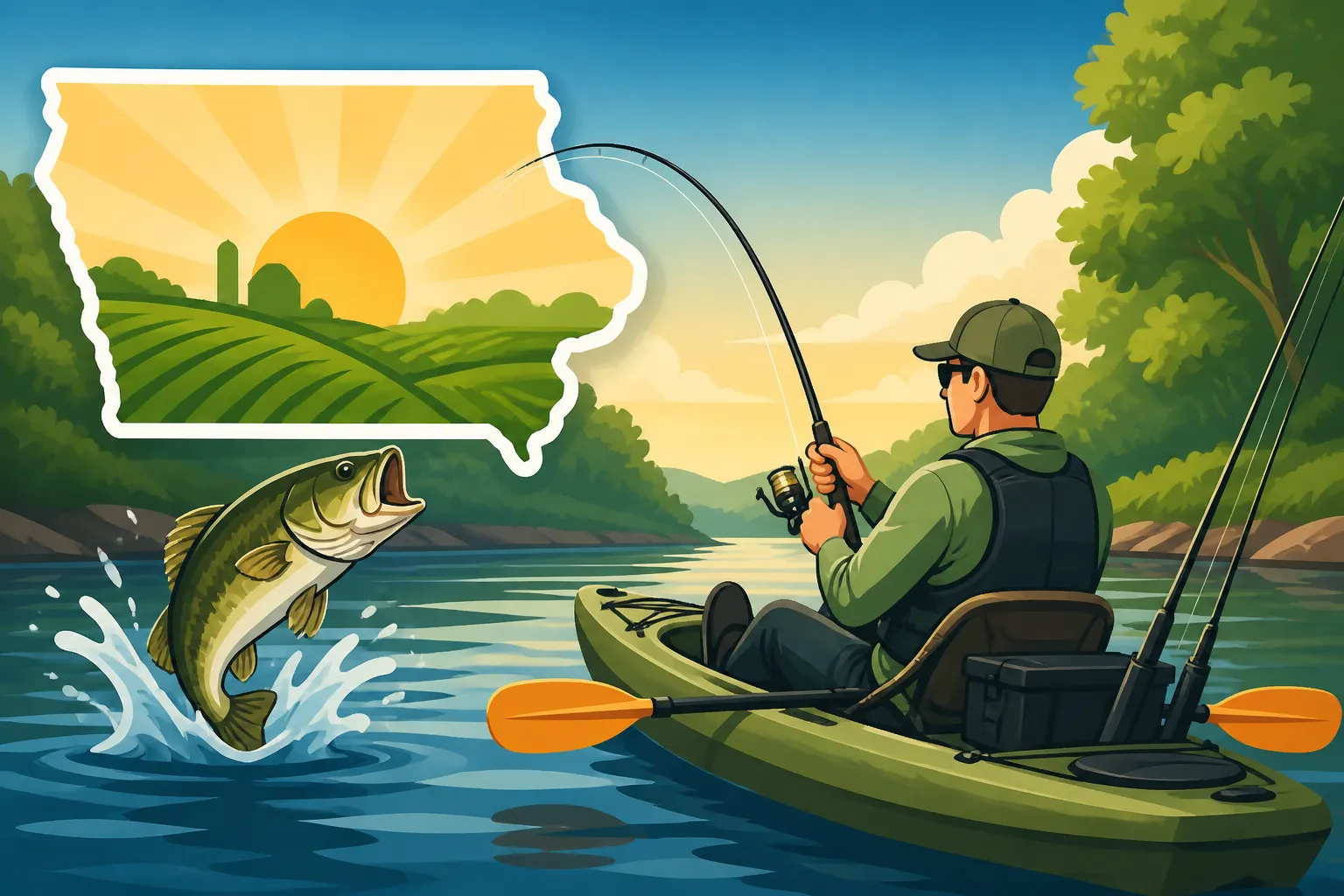
For any angler who's spent time staring at a map of Iowa's beautiful, winding rivers, the thought often crosses their mind: "Could I get in there with a kayak?" The truth is, many traditional boats just can't navigate the tight turns, shallow riffles, and log-strewn backwaters that define so many of our best fishing arteries. If you've been dreaming of reaching those untouched honey holes, this guide is here to tell you that kayak fishing on Iowa rivers isn't just possible—it's incredibly rewarding, provided you know what you're getting into and how to prepare.
The Allure of Kayak Fishing on Iowa's Rivers
There's something uniquely captivating about launching a kayak into a river and letting the current guide you through an untouched landscape. It strips away the complexity of larger boats, the noise of big motors, and the crowds of popular ramps, bringing you back to a more primal, intimate connection with the water and its inhabitants.
Unmatched Access to Untapped Waters
One of the biggest frustrations for many Iowa anglers is seeing promising stretches of river, knowing they hold fish, but having no way to reach them. Larger boats often draw too much water or are simply too cumbersome for the narrow, winding nature of many Iowa rivers. Even bank anglers are limited to bridge crossings, public access points, or stretches where landowners allow access. This is where kayak fishing truly shines.
With a kayak, you can slip into those skinny backwaters, navigate around submerged timber that would halt a larger craft, and glide through shallow riffles to reach deeper pools that other anglers simply can't touch. Imagine having a whole stretch of river to yourself, knowing that the bass, walleye, or catfish you're targeting haven't seen a lure in weeks, perhaps months. This unparalleled access often translates directly into less pressured, more willing fish, offering a distinct advantage and a level of solitude that's hard to find elsewhere.
The Stealth Factor and Natural Connection
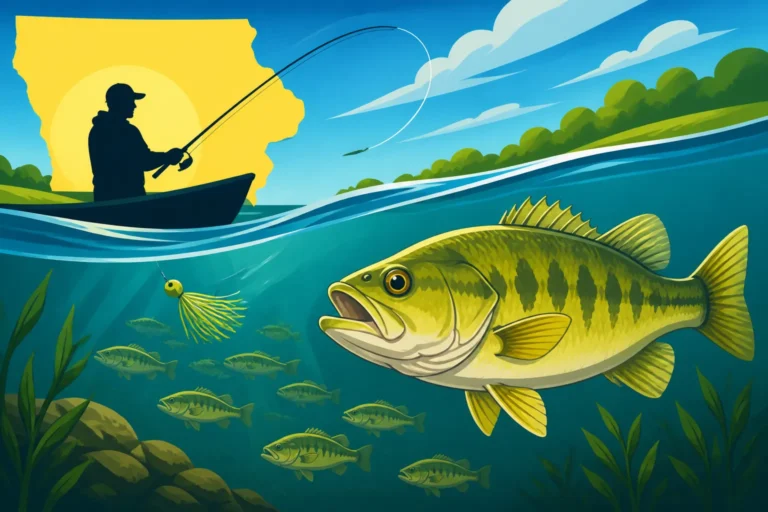
There's no engine noise to spook the fish or disrupt the tranquility of the river. Kayaks move silently, gliding across the water with minimal disturbance. This stealth allows you to approach fishing spots much closer and more discreetly, often getting right on top of fish that would scatter at the sound of an outboard motor or even the splash of a bank angler's heavy footsteps. This is particularly effective for species like smallmouth bass, which can be highly sensitive to noise and vibration.
Beyond the fishing advantage, the quiet nature of kayak angling fosters a deep connection with the natural environment. You're eye-level with the water, feeling every ripple and current. The sounds of birdsong, the rustle of leaves in the breeze, and the gentle splash of your paddle become part of the experience. It's an immersive way to fish, offering a level of peace and solitude that can be incredibly restorative, far removed from the hustle and bustle of everyday life.
Cost-Effectiveness and Simplicity
Let's be honest, boating can be an expensive hobby. The initial cost of a powerboat, plus fuel, maintenance, insurance, storage, and trailer expenses, can quickly add up. Kayak fishing offers a much more accessible entry point into the world of fishing from a watercraft. The upfront cost of a good fishing kayak is a fraction of a typical powerboat, and ongoing expenses are minimal.
There's no gas to buy, no oil changes, and far less to break down. Transporting a kayak is often as simple as strapping it to the roof of your car or tossing it in the bed of a pickup truck. Launching typically requires nothing more than a gentle slope or a sandy bank, completely bypassing busy boat ramps and their associated wait times. This simplicity makes it a fantastic option for anglers who want to get on the water frequently without breaking the bank or dealing with complicated logistics.
Navigating the Challenges of Iowa River Kayak Fishing
While the appeal is undeniable, anyone considering kayak fishing on Iowa's rivers needs to approach it with a realistic understanding of the unique challenges involved. Rivers are dynamic environments, and a kayak, being a small, personal craft, reacts differently to their forces than a larger boat might.
Dealing with River Currents and Obstacles
Iowa rivers, whether they're smaller tributaries or major waterways like the Des Moines or Mississippi, are rarely stagnant. Currents can range from gentle flows to swift, powerful forces, especially after heavy rains. Managing your kayak in these currents while trying to fish can be a significant hurdle. Imagine trying to precisely cast a lure into a prime eddy while the current pulls you relentlessly downstream – it takes practice and skill.
Beyond the current itself, rivers are full of obstacles. Shallow riffles can leave you high and dry, requiring you to get out and drag your kayak. Submerged logs and snags are constant threats, capable of capsizing your craft or wrapping your fishing line instantly. Perhaps the most dangerous obstacles are low-head dams, often called "drowning machines," which create powerful, inescapable recirculating currents that can trap and overturn even experienced paddlers. A thorough understanding of How to Read Water for Structure Fishing becomes even more critical for safety and successful navigation in a kayak. Always scout your stretch of river, if possible, and be acutely aware of what lies downstream.
Safety Concerns and Unexpected Surprises
Being alone in a small craft on a moving river carries inherent risks that need to be respected. Capsizing is always a possibility, whether from an unseen underwater obstacle, a strong current, or simply losing your balance. When you capsize, not only are you in the water, but all your gear is suddenly vulnerable. Losing a rod, reel, or even your phone to the river bottom is a very real possibility.
Weather can also turn quickly in Iowa, with sudden thunderstorms bringing strong winds, heavy rain, and dangerous lightning. Being caught in a small kayak on an open river during a storm is a precarious situation. Cold water, even in warmer months, can lead to hypothermia if you're immersed for too long. Always wear a properly fitted PFD (personal flotation device)—it's not just a recommendation; it's a lifeline. Inform someone of your float plan, including your launch and takeout points and estimated duration. A waterproof communication device is also vital for emergencies.
Limited Storage and Comfort for Longer Trips
Compared to a bass boat or even a jon boat, a fishing kayak offers significantly less storage space. This means you need to be strategic about what gear you bring. Overpacking can lead to a cluttered deck, making casting and maneuvering difficult, and increasing the risk of losing items if you capsize. Keeping essential items like extra tackle, a cooler for drinks and snacks, and a dry bag for electronics accessible yet secure requires careful planning. You can find a wide array of waterproof dry bags and specialized tackle organization systems on Amazon to keep your gear safe and accessible.
Comfort can also be an issue, especially on longer floats. Sitting in the same position for hours can lead to back pain or discomfort. While many modern fishing kayaks come with adjustable, comfortable seats, they still don't offer the freedom of movement found in larger boats. Anglers often address this by choosing kayaks with good seating, planning shorter trips, or incorporating bank-side breaks into their float plan. For extended trips, consider how you'll manage food, water, and waste, as opportunities to stop might be limited depending on the river stretch.
Essential Gear and Setup for Iowa River Kayak Anglers
Getting started with kayak fishing on Iowa rivers doesn't have to be overwhelming, but having the right gear is crucial for both safety and success. It's about being prepared and maximizing efficiency in a compact space.
Choosing the Right Fishing Kayak for Rivers
The kayak itself is your most important piece of equipment. For river fishing, especially on Iowa's often narrow and winding waterways, you'll want a balance of stability, maneuverability, and durability. Sit-on-top (SOT) kayaks are incredibly popular for fishing due to their open deck, ease of entry and exit (even after capsizing), and usually good stability. When considering a kayak, think about its length and width. Longer kayaks (12+ feet) track better in current and cover distance more efficiently, while shorter ones (under 10 feet) are more nimble for tight turns and dodging obstacles. A wider hull generally means more stability, which is a huge plus when casting or standing to sight fish.
Look for features like a comfortable, adjustable seat, integrated rod holders, gear tracks for mounting accessories, and ample storage (bow/stern hatches, tankwells with bungee cords). Many anglers find great deals on river-specific kayaks on Amazon, often with helpful customer reviews and detailed specifications. When considering Best Kayak Length for Iowa River Fishing, a 10-12 foot range often hits the sweet spot for balance and maneuverability on diverse Iowa rivers.
Critical Safety Equipment and Navigation Tools
Safety is paramount when kayak fishing on rivers. Never hit the water without a U.S. Coast Guard-approved Personal Flotation Device (PFD). Wear it, don't just have it on board. A whistle attached to your PFD is crucial for signaling in emergencies. A paddle leash ensures you don't lose your paddle in the current, and a sturdy anchor system is essential for holding position in current, whether you're targeting a specific hole or taking a break. Understanding How to Anchor a Kayak in Current effectively can be a game-changer for precise fishing.
Beyond that, a small first-aid kit, a waterproof headlamp (even for daytime trips, in case you get delayed), and a knife are smart additions. A dry bag containing your phone (fully charged!) or a VHF radio for communication is non-negotiable, especially on more remote stretches. Finally, invest in good waterproof maps or a GPS device to navigate the river, identify hazards, and pinpoint your location, especially when planning your float and potential takeout points.
Optimized Fishing Gear for Kayak Angling
Since space is at a premium, optimizing your fishing gear is key. Many kayak anglers prefer slightly shorter fishing rods (6'6" to 7'0") which are easier to manage in a sitting position and reduce the chance of tip-overs or snagging trees on overhead casts. A sturdy Best Rod for Kayak Fishing can handle multiple species and withstand the bumps and scrapes that often come with river adventures. Consider specialized rod holders that keep your rods secure while paddling or when you're actively fishing hands-free.
Tackle organization is also vital. Instead of a bulky tackle box, consider smaller tackle trays that fit neatly into dry bags or specifically designed kayak tackle management systems. Keep only the essential lures and tools readily accessible. Invest in good quality waterproof bags or dry boxes for anything sensitive to water, like electronics, extra clothes, or snacks. Portable fish finders, often battery-powered and compact, can be incredibly useful for locating structure and fish, especially on unfamiliar waters. If you're wondering, Do You Need a Fish Finder for River Fishing?, the answer is often "it helps immensely, but isn't strictly necessary for success."
Techniques for Successful River Kayak Fishing in Iowa
Once you've got your kayak and gear sorted, it's time to talk about how to actually fish effectively from your small craft on a moving river. This isn't quite like lake fishing, and it demands a slightly different approach to maximize your success.
Mastering River Reading and Drifting Techniques
The first step to successful river kayak fishing is learning to "read the water." Rivers tell a story, and understanding their language will guide you to where the fish are hiding. Look for current seams where fast water meets slow water, eddies behind rocks or fallen trees, and transitions from shallow riffles to deeper pools. These are prime ambush points for predatory fish. Pay attention to changes in water color, depth, and bottom composition—all indicators of potential fish habitat.
Mastering controlled drifting is a core technique. Instead of fighting the current, learn to use it to your advantage. By making subtle paddle strokes, back-paddling, or using your anchor, you can slow your drift, hold your position, or angle your kayak to present lures effectively. This allows for long, natural drifts of baits or lures through promising areas. When you're constantly moving, a well-placed cast that lands just ahead of your drift can be incredibly effective, allowing your lure to enter the strike zone naturally. This skill is critical for navigating and fishing, and directly relates to the importance of Kayak Fishing Techniques in Iowa for optimal performance.
Target Species and Lure Selection for Iowa Rivers
Iowa rivers host a diverse array of fish, and your target species will often dictate your lure choices and techniques. For instance, smallmouth bass absolutely thrive in river environments. Look for them around rocky areas, current breaks, and submerged timber. Crankbaits, jigs, and topwater lures fished near structure are often highly effective. If you're fishing the Mississippi River, you might be interested in Best Time to Catch Smallmouth Bass on the Mississippi River.
Walleye, another popular river target, often hug the bottom in deeper holes, current seams, and below wing dams. Jigs tipped with live bait, crankbaits, or bottom-bouncing rigs are great options for river walleye. Knowing Walleye Fishing Techniques for Iowa Rivers can significantly boost your catch rate. For the abundant channel catfish, focus on deeper holes, logjams, and outside bends. Stink baits, cut bait, or worms fished on the bottom are reliable choices. Don't forget to check out a Catfish Bait Guide for Iowa Anglers for the best options. Northern pike can also be found in slower river stretches, especially those with weed beds or submerged cover, and will readily hit large spinnerbaits or spoons.
Strategic Access and Takeout Planning
One of the biggest logistical challenges of river kayak fishing is planning your entry and exit points. Unless you're paddling upstream and back down (which can be exhausting against current), you'll need a "shuttle" plan. This usually involves dropping off your kayak at a downstream takeout point, then driving your vehicle to an upstream launch point, parking it, and paddling back to your vehicle. Alternatively, you might have two vehicles, leaving one at each point, or utilizing a friend for shuttle services.
Always scout your launch and takeout spots beforehand. Check for easy access, ample parking, and safe conditions. River levels can change rapidly, altering access points and creating new hazards. Having a clear plan not only ensures a smooth trip but also prioritizes your safety, especially if you're exploring new or unfamiliar stretches of Iowa's rivers. Planning is key, as improvisation on the river can lead to unexpected and potentially dangerous situations.
| Feature / Consideration | Kayak Fishing on Iowa Rivers | Shore Fishing on Iowa Rivers | Power Boat Fishing on Iowa Rivers |
|---|---|---|---|
| Access to Spots | Excellent – reaches skinny water, tight bends, logjams. | Limited – restricted to public access, bridges, or bank. | Good – reaches most main channel spots, but limited in shallows. |
| Stealth | Superior – silent approach, less spooking of fish. | Good – minimal disturbance if careful. | Poor – engine noise often spooks nearby fish. |
| Cost | Low to Moderate initial; Low ongoing. | Very Low initial; Very Low ongoing. | High initial; High ongoing. |
| Maneuverability | High – agile in tight spaces and current. | N/A – stationary. | Moderate – good in open water, limited in tight/shallow. |
| Safety Concerns | Currents, obstacles, capsizing, weather. | Less risk from current/capsizing, but slip/fall risk. | Collision, grounding, mechanical failure, speed. |
| Gear/Storage | Limited space, requires careful planning & waterproof solutions. | Ample space for gear on shore. | Ample space, livewells, specialized storage. |
| Comfort | Moderate – can be tiring, requires good seat. | High – can bring chairs, move around. | High – comfortable seating, covers from elements. |
| Portability | Very High – easy to transport solo. | N/A – walk-in access. | Low – requires trailer, vehicle for towing. |
Disclaimer
This article is for general informational purposes only and does not constitute professional advice. Laws, prices and regulations vary by location and change over time. Consult a qualified professional for guidance on your specific situation.