Iowa Fishing Techniques Guide
Iowa's diverse waters offer some truly fantastic fishing, but let's be honest, figuring out the best way to tackle everything from tranquil farm ponds to the mighty Mississippi River can feel like trying to solve a complex puzzle. It's easy to get overwhelmed with all the different fish species and their unique preferences. This comprehensive guide is here to cut through the confusion, sharing practical, real-world fishing techniques that will help you confidently approach Iowa's lakes, rivers, and streams, no matter what you're hoping to catch.
Understanding Iowa's Diverse Waters and Fish
Before we even talk about specific lures or baits, it's crucial to understand the stage upon which our fishing adventures unfold: Iowa's incredibly varied aquatic landscapes. We're not just a state of cornfields; we boast everything from deep, natural lakes to winding rivers and serene trout streams. Each environment dictates different strategies, and knowing what you're fishing in is half the battle won.
Lakes, Rivers, and Trout Streams
Think about the difference between casting a bobber into a calm farm pond versus battling current on the Des Moines River. It's night and day, right? Iowa's lakes, like the majestic Iowa Great Lakes or the expansive Rathbun Lake, often feature clearer waters, distinct drop-offs, and plenty of structure like submerged timber or weed beds. Here, fish might be more spread out, and covering water with trolling or searching with electronics becomes paramount. The calmer conditions also make finesse techniques more effective.
Then you have our rivers – the Mississippi, Missouri, Des Moines, Cedar, and countless others – which are dynamic, ever-changing environments. Current is the dominant factor, influencing where fish position themselves and how they feed. River fishing often means targeting eddies, wing dams, snags, and slack water areas where fish can rest and ambush prey without fighting the main flow. Understanding how fish use current is a game-changer here. Finally, the coldwater gems of Northeast Iowa, our trout streams, are a world unto themselves. These clear, rocky, oxygen-rich waters demand a stealthier approach, often involving specialized gear and techniques to fool wary trout. Knowing your fishing spot, whether it's a sprawling reservoir or a tucked-away stream, fundamentally alters your approach.
Key Species and Their Habits
Iowa is home to a fantastic array of fish, each with its own personality and preferred dining habits. You wouldn't use the same technique for a walleye that you would for a channel catfish, and certainly not for a wily rainbow trout. Walleye, often dubbed the "walleye chop" fish, prefer low light conditions and tend to cruise along structure, feeding on minnows and small baitfish. They're often found deeper in lakes or behind current breaks in rivers. Largemouth bass are ambush predators, favoring cover like lily pads, docks, and submerged brush, waiting to strike at anything that swims by. Smallmouth bass, their bronze brethren, prefer rocky bottom, current, and cooler, clearer water, often found in rivers or the rocky areas of our Great Lakes.
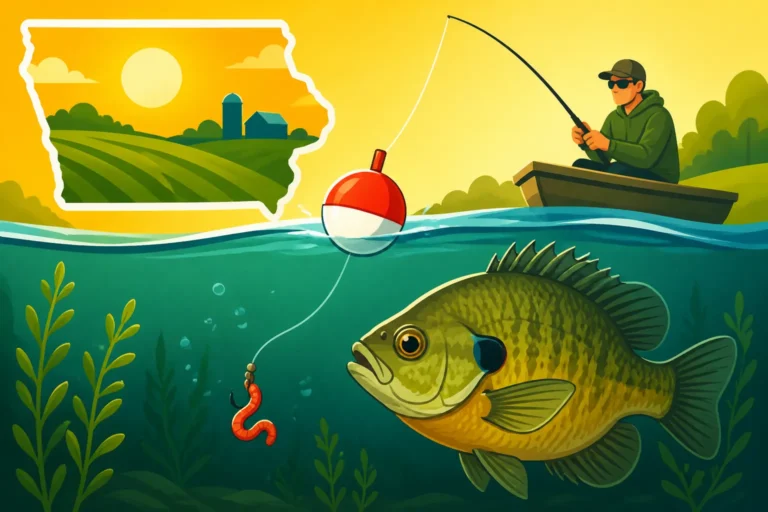
Catfish, particularly the ubiquitous channel catfish, are opportunistic feeders that rely heavily on their sense of smell. They'll eat just about anything, from dead bait to prepared stink baits, and are often found near muddy bottoms, deep holes, or snags. Crappie and bluegill, our popular panfish, are schooling fish that relate strongly to submerged brush, timber, and weed lines, especially during their spawning periods. They have smaller mouths, requiring smaller baits and lighter tackle. Knowing the preferred habitat, feeding patterns, and typical behavior of your target species is like having a secret weapon; it helps you pick the right bait, the right spot, and the right time to cast.
Mastering the Art of Walleye Fishing in Iowa
Walleye are undoubtedly one of Iowa's most prized game fish. Their delicious fillets and challenging nature make them a favorite target for many anglers. But catching them consistently isn't always easy, especially with their reputation for being finicky. Success often comes down to adapting your presentation to the specific water you're fishing and the conditions of the day.
Open Water Trolling and Jigging
When you're out on a larger lake like Clear Lake or West Okoboji, covering water efficiently is key to finding scattered schools of walleye. This is where open water trolling truly shines. You can pull crankbaits, spinner rigs with live bait (like nightcrawlers or minnows), or even slow-troll bottom bouncers with snelled hooks. The goal is to present your bait at the depth where walleye are actively feeding, which often means paying close attention to your electronics. Different crankbaits are designed to dive to specific depths, so having a selection is super helpful. Speed is another critical factor; sometimes a subtle change from 1.5 mph to 2.5 mph can turn a slow day into a hot bite. Experiment with different colors and sizes too – what works one day might be ignored the next.
Jigging, on the other hand, is a more vertical presentation that can be incredibly effective when walleye are concentrated in specific areas, like along a breakline, over a rock pile, or near an underwater point. Think about using a 1/4 to 3/8 ounce jig head tipped with a live minnow, a plastic grub, or a soft plastic swimbait. The key is to impart a subtle lift-and-drop action, keeping your bait in the strike zone. Many anglers prefer a sensitive rod for jigging so they can feel those often subtle "thumps" or changes in line tension that signal a walleye bite. This technique is also fantastic for ice fishing for Walleye in Iowa, where you're jigging directly over structure.
River Current Strategies
Fishing for walleye in Iowa's rivers, particularly the Mississippi River or the lower reaches of the Des Moines River, presents a unique set of challenges and opportunities. The current is your biggest factor, and walleye will use it to their advantage, positioning themselves behind structure like wing dams, fallen trees, or scour holes to ambush baitfish. One of the most common and effective river techniques is jigging with a heavy jig head (often 1/2 ounce or more, depending on current speed) tipped with a minnow or a plastic grub. You want to cast upstream and let your jig drift naturally with the current, maintaining bottom contact as it bounces along.
Another excellent river technique involves using three-way rigs or bottom bouncers with snelled hooks and live bait. These rigs help keep your bait near the bottom without constantly snagging. Position your boat upstream of a likely spot and slowly drift or motor downstream, allowing your bait to present naturally to waiting walleye. You might find that specific stretches, like those below Lock and Dam 12 at Bellevue, hold impressive numbers of river walleye. Remember to always be aware of the changing current, as it can drastically affect where fish are holding and how much weight you need to stay in the strike zone. Understanding how to read the river current is paramount for consistent success.
Targeting Bass: Largemouth and Smallmouth Tactics
Iowa offers fantastic bass fishing opportunities, whether you're chasing the explosive topwater strike of a largemouth in a weed-choked pond or the hard-fighting smallmouth in a swift river. While both are bass, their preferred habitats and feeding behaviors demand different approaches.
Farm Ponds and Lake Structures for Largemouth
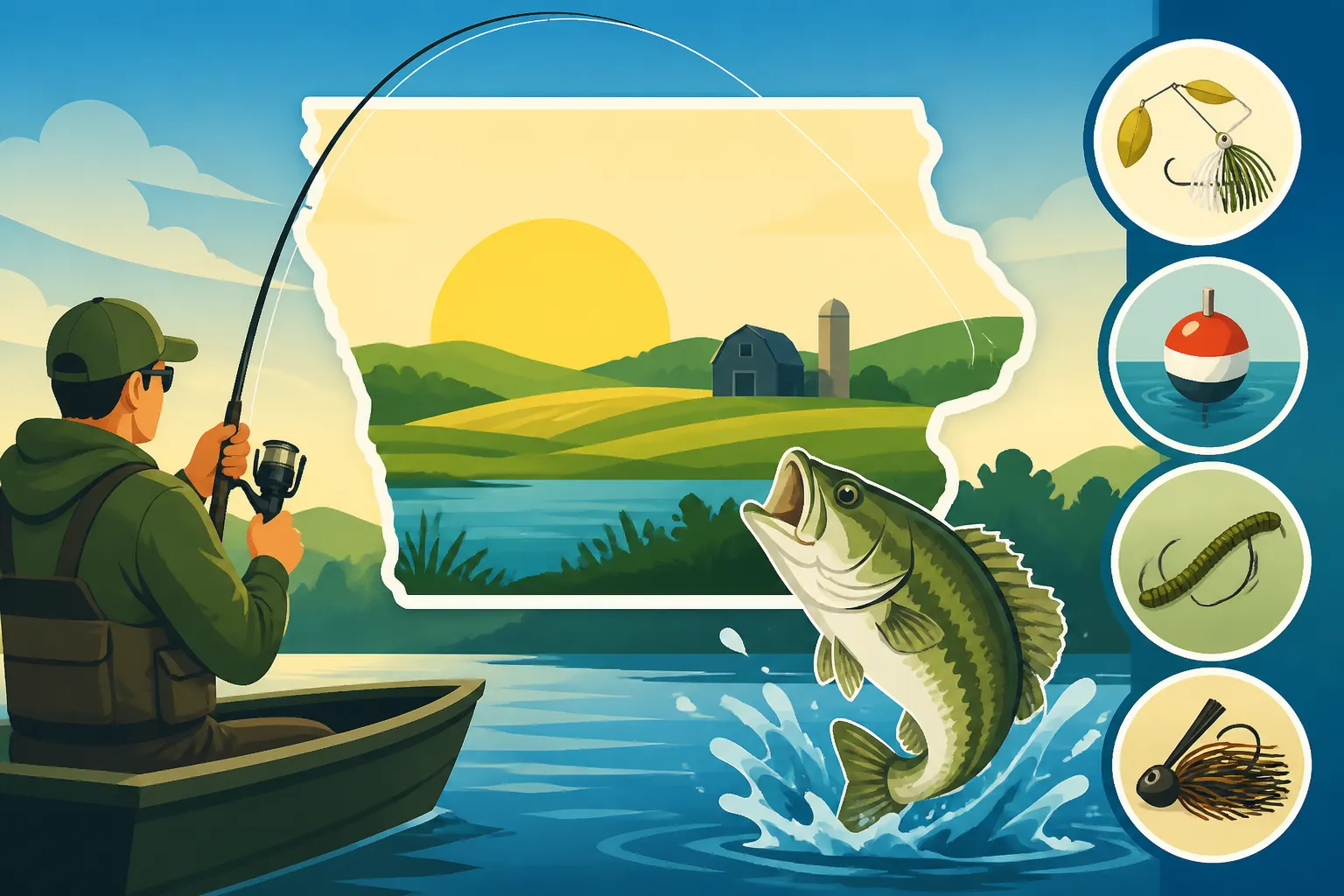
Largemouth bass are the kings of cover. They love to hide, preferring ambush points like submerged timber, dense weed beds, lily pads, boat docks, and rocky shorelines. If you're fishing one of Iowa's many farm ponds or a lake like Lake Macbride or Big Creek Lake, focusing your efforts around these structures is crucial. Topwater lures, such as frogs or poppers, are incredibly exciting to use, especially during low-light conditions at dawn or dusk, or on overcast days. Cast them right into the thickest cover and work them slowly, mimicking a struggling prey animal. The explosive strike of a largemouth is unforgettable!
For deeper or more stubborn bass, Texas-rigged or Carolina-rigged soft plastics (like worms, creature baits, or senkos) are highly effective. These weedless presentations allow you to penetrate heavy cover without constantly snagging. Flip or pitch these baits quietly into small openings in the vegetation or alongside docks. Allow them to sink slowly, watching your line for any subtle twitch or jump that signals a bite. Crankbaits and spinnerbaits are also excellent for covering water and triggering reaction strikes, especially when fished along weed edges or over submerged points. Don't be afraid to experiment with retrieve speeds and lure colors; sometimes a bright chartreuse spinnerbait will get ignored, while a natural green pumpkin jig will get devoured. For more insights, check out our guide on How to Catch Bass in Iowa.
River Flows and Rocky Areas for Smallmouth
Smallmouth bass are often called "bronzebacks" for a reason – they're tough, aggressive, and prefer rocky, current-laden environments, making them a blast to catch in rivers like the Cedar or Des Moines, or along the rocky shores of West Okoboji. Unlike their largemouth cousins, smallmouth often prefer open water near structure where current delivers food to them. Focus your efforts on current seams, eddy lines, rocky points, riprap banks, and bridge pilings.
Spinners, small crankbaits that mimic minnows, and jig-and-trailer combos are fantastic choices for river smallmouth. Cast upstream and across the current, letting your lure drift naturally while maintaining a slight retrieve. The goal is to make your bait look like an easy meal struggling in the current. Soft plastic tubes and grubs, fished on a jig head, are also incredibly productive. Hop or drag them along the bottom in rocky areas. For faster water, consider a heavier jig head to ensure your bait stays in the strike zone. Smallmouth are known for their hard fights and aerial acrobatics, so be prepared for a battle! Light spinning gear is often preferred for the sensitivity and ability to cast smaller lures accurately.
The Thrill of Catfish: Bottom Dweller Techniques
Catfish are Iowa's most accessible and arguably most popular game fish, found in nearly every body of water across the state. They're strong fighters, excellent table fare, and relatively easy to catch once you understand their preferences. Whether you're targeting a feisty channel cat or a behemoth flathead, the techniques often revolve around scent and presentation.
Bait Selection and Rigging for Channel Catfish
Channel catfish are primarily scavengers and opportunistic feeders, which means they're attracted to strong smells. This is where your bait selection truly comes into play. Classic baits like nightcrawlers, cut bait (from shad, carp, or sunfish), chicken livers, and various prepared stink baits are all highly effective. For something a little different, try shrimp or even hot dogs soaked in garlic. You can find a huge variety of options, from traditional brands to more niche ones, available on platforms like Amazon if your local bait shop is out of stock. The key is freshness and a potent smell.
When it comes to rigging, a simple bottom rig is often all you need. A slip sinker (egg sinker or flat-sided no-roll sinker) above a swivel, followed by an 8-12 inch leader and a sturdy circle hook (sizes 2/0 to 5/0, depending on bait size), is a go-to setup. The slip sinker allows the fish to pick up the bait and run without feeling the weight of the sinker, leading to more solid hooksets. Cast your bait out into deep holes, along channel edges, near submerged timber, or in areas with current, and let it sit on the bottom. Remember that channel catfish often bite aggressively, but sometimes it's just a subtle tap. Check out our detailed Catfish Bait Guide for Iowa Anglers for even more bait ideas!
Flathead Catfish Ambush Methods
Flathead catfish are a different beast entirely. Unlike their channel cat cousins, flatheads are voracious predators that prefer live bait and often inhabit different types of structure. While they will occasionally take cut bait, a lively sunfish, bluegill, or bullhead (where legal) is usually the ticket. They are ambush predators, often hiding in heavy cover like log jams, root wads, or deep holes with overhead cover, waiting for an unsuspecting meal to swim by. This means you need to be precise with your bait placement.
Targeting flatheads requires heavier gear – stout rods, robust reels, and strong braided line (50-80 lb test) are essential to horse these powerful fish out of dense cover. Use a heavy slip sinker (1-4 ounces, depending on current) to hold your live bait near the bottom, again using a strong swivel and a large, stout circle hook (sizes 7/0 to 10/0). Position your bait right next to or slightly upstream of known flathead hangouts. Fishing at night is often most productive, as flatheads become more active after dark. Be patient, as flathead bites can sometimes be slow and deliberate before they commit. When one hits, be ready for a tug-of-war!
Crappie and Panfish: Light Tackle Fun
Crappie and other panfish like bluegill and sunfish are arguably the most popular targets for anglers of all ages in Iowa. They're abundant, relatively easy to catch, and offer a lot of action on light tackle. Plus, they make for some fantastic eating! The key to consistent panfish success is often finding their schooling patterns and presenting small, enticing baits.
Jigging Brush Piles and Structure
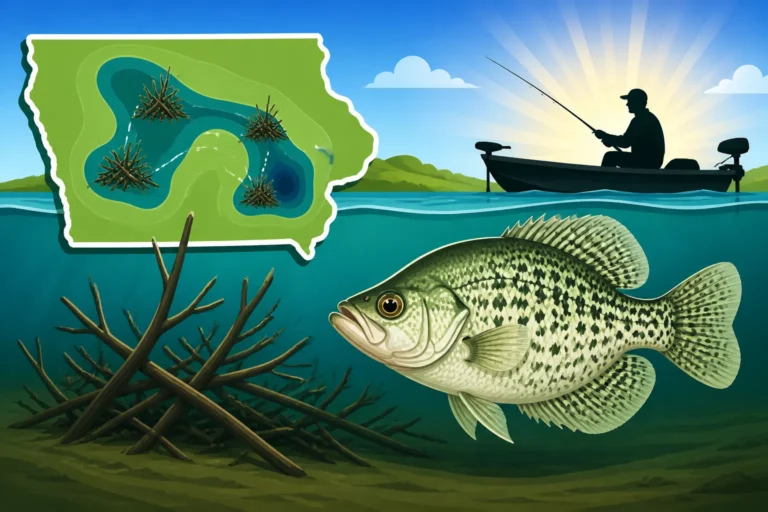
Crappie, both black and white, are notorious for schooling up around submerged structure. Think brush piles, fallen trees, old dock pilings, bridge abutments, and even artificial fish habitats that the Iowa DNR places in many lakes. Finding these "crappie condos" is a huge part of the battle. Your fish finder is your best friend here, helping you locate these underwater hotspots. Once you've found a good spot, vertical jigging is incredibly effective.
Use small jigs (1/32 to 1/8 ounce) tipped with a tiny plastic grub, tube, or a live minnow. Drop your jig directly into the structure and slowly work it up and down. Crappie often suspend at specific depths, so pay attention to where you're getting bites and try to replicate that depth. Sometimes a very slow retrieve, almost hovering the bait, is what they want. Other times, a more aggressive jigging motion will trigger a strike. For fishing tight cover, a long crappie pole (10-14 feet) can be invaluable for reaching into dense brush and guiding fish out. Many anglers find a good selection of crappie jigs and soft plastics on Amazon, making it easy to stock up for different conditions.
Spider Rigging and Trolling Tactics
When crappie are more scattered, or when you want to cover a lot of water, spider rigging or trolling can be incredibly productive, especially on larger lakes and reservoirs like Rathbun Lake or Saylorville Reservoir. Spider rigging involves setting out multiple long rods (often 10-16 feet) from the front or sides of your boat, creating a "spider web" of lines. Each rod has a different bait and is set at a different depth or distance from the boat. You then slowly creep along, typically using an electric trolling motor, letting your baits work through potential crappie holding areas. This method is fantastic for figuring out the crappie's preferred depth and presentation on any given day.
Trolling, on the other hand, usually involves pulling crankbaits or jigs behind the boat at a slightly faster pace (0.5 to 1.5 mph). Small, shallow-diving crankbaits are great for covering flats or targeting crappie suspended over open water. You can also troll jigs, often in tandem rigs, to present multiple baits at once. Just like with spider rigging, the goal is to cover water until you find an active school. Once you locate them, you can either continue trolling through them or switch to vertical jigging to pick off more fish. The more lines you have in the water, and the more depths you cover, the better your chances of finding that crappie honey hole.
Chasing Trout in Iowa's Coldwater Streams
Iowa might not be the first state that comes to mind for trout fishing, but our spring-fed streams in Northeast Iowa offer a truly unique and beautiful experience. These coldwater havens are regularly stocked with rainbow and brown trout, and some even hold wild populations. Targeting these wary fish requires a different, often more delicate approach than other species.
Fly Fishing for Iowa Trout
Fly fishing is an art form, and there's something incredibly satisfying about fooling a trout with a perfectly presented fly in a clear, flowing stream. For Iowa's smaller trout streams, a lightweight fly rod (typically a 3-weight or 4-weight, 7-8.5 feet long) is ideal, allowing for delicate presentations and accurate casting in tight quarters. The choice of fly depends heavily on what insects are hatching or what the trout are feeding on. Common fly patterns include dry flies (like Elk Hair Caddis or Parachute Adams) when fish are rising to feed on the surface, nymphs (like Pheasant Tail or Hare's Ear) for subsurface feeding, and streamers (like Woolly Buggers) to imitate baitfish.
The key to successful fly fishing in these clear waters is stealth and presentation. Approach the stream quietly, moving slowly and observing for rising fish or likely holding spots like current seams, undercut banks, and around boulders. Cast upstream and allow your fly to drift naturally, mending your line to avoid drag. A natural, drag-free drift is crucial to convince a trout your fly is the real deal. Learning to "read the water" – identifying where trout might be holding – is a skill that comes with practice and patience. Consider looking into Trout Fishing Techniques for Iowa Streams for more specific advice on patterns and approaches.
Spin Fishing and Bait Tactics
Not everyone is a fly angler, and that's perfectly fine! Spin fishing for trout in Iowa streams can be incredibly effective and is a great way to introduce newcomers to the sport. Ultra-light spinning gear (a 5-6 foot rod with a small reel spooled with 2-4 lb test line) is perfect for casting small lures and baits accurately without spooking fish. Small inline spinners (like Mepps or Panther Martin), tiny spoons, or micro-jigs are all excellent lure choices. Cast these upstream and retrieve them just fast enough to get the blade spinning or the lure wobbling, mimicking a natural food source.
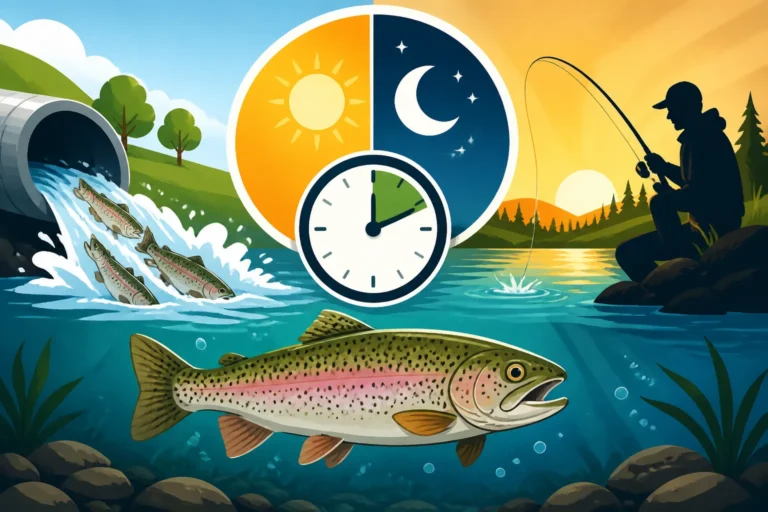
For bait fishing, popular choices include live worms (nightcrawlers or red worms), corn, and various trout-specific dough baits (like PowerBait). Rig your bait on a small, light hook (sizes 10-14) with a tiny split shot or two placed a foot or so above the hook to help it sink. You can fish these baits under a small float or simply drift them naturally along the bottom. The critical thing with bait is to use fresh, active bait and avoid heavy weights that might make your presentation look unnatural. Remember to handle trout gently if you plan on releasing them, especially in catch-and-release areas. The Iowa Department of Natural Resources regularly stocks trout, and knowing the Iowa Spring Trout Stocking Strategy or Iowa Fall Trout Stocking Strategy can greatly improve your chances.
Navigating Iowa's Seasons: Year-Round Fishing
One of the best things about fishing in Iowa is that it truly is a year-round sport. Each season brings its own set of challenges and rewards, dictating changes in fish behavior and, consequently, our fishing techniques. Adapting to these seasonal shifts is what separates consistent anglers from those who only catch fish on occasion.
Spring Spawns and Early Season Bites
Spring is a time of renewed hope and frantic fishing activity in Iowa. As ice melts and water temperatures begin to rise, fish become incredibly active, driven by the urge to spawn and recover from winter. This is often when you'll find some of the year's best fishing. Walleye, for instance, begin their spawning runs in rivers and rocky areas of lakes as soon as the ice is out, making them vulnerable to jigging presentations. Bass move into shallower waters, often near sun-warmed rocks or emergent vegetation, preparing to build their nests. This is a prime time for using lipless crankbaits or slow-rolled spinnerbaits.
Crappie and bluegill will also move shallow, often congregating in protected coves or around brush in just a few feet of water. Targeting them with small jigs under a bobber can lead to incredible action. The key to spring fishing is often to follow the water temperature. Fish are cold-blooded, and their activity levels are directly tied to how warm the water is. Focus on northern shores or shallow bays that warm up faster. Just be mindful of local regulations, as some species might have specific closed seasons or size limits during their spawn, which you can often find detailed in the Iowa Fishing Regulations Explained.
Summer Heat and Fall Feeders
Summer in Iowa means long days on the water, but it also means dealing with hotter water temperatures and often more recreational boat traffic. During the heat of summer, many fish species will retreat to deeper, cooler water during the day, becoming more active during low-light periods like dawn, dusk, or even night. For walleye, this might mean trolling deep-diving crankbaits over main lake structures or jigging breaklines at night. Bass might be found in deeper weed edges, under docks, or in shady areas, making Texas-rigged worms or deep-diving crankbaits effective. Night fishing for catfish, especially flatheads, can be phenomenal during the summer months.
As autumn arrives and water temperatures start to drop, a "fall feeding frenzy" often occurs. Fish sense the approaching winter and begin to gorge themselves, making them incredibly aggressive. This can be one of the best times of year to catch trophy-sized fish. Walleye will move shallower again, aggressively chasing baitfish. Jigging and casting crankbaits on rocky points or humps can be red hot. Fall bass fishing can also be fantastic, with fish packing on weight in shallow to mid-depth cover. They'll readily hit spinnerbaits, jigs, and crankbaits. For river anglers, the fall walleye bite on the Mississippi River can be particularly strong, especially around wing dams and current breaks. Our guide to Iowa Fishing Seasons Explained offers more in-depth information.
Conquering Winter with Ice Fishing
When the lakes and ponds freeze over, Iowa transforms into an ice fishing paradise. Don't let the cold deter you – ice fishing is a fantastic way to enjoy the outdoors and catch some incredible fish. Safety is paramount, so always check ice conditions and never venture out alone. A minimum of 4 inches of clear, solid ice is generally considered safe for foot travel, but more is always better. Ice fishing is inherently a "vertical" presentation. You'll be drilling holes and jigging directly over structure or schools of fish.
For panfish like crappie and bluegill, tiny jigs (1/64 to 1/16 ounce) tipped with a wax worm, a small minnow head, or a plastic spike are incredibly effective. Walleye through the ice can be caught with larger jigging spoons (like a Northland Buck-Shot Rattle Spoon) tipped with a minnow head, or by setting tip-ups with live minnows. Perch are also a popular target in lakes like Spirit Lake or West Okoboji, often responding well to small jigs or spoons. An ice fishing shelter, a good auger, and warm clothing are essential. While it's cold, the camaraderie and the thrill of pulling fish through the ice are truly special. You can learn all the essentials from our comprehensive Ice Fishing in Iowa guide.
Essential Gear and Smart Preparations
Having the right tools for the job can make a world of difference in your fishing success and enjoyment. It's not about having the most expensive gear, but rather having the appropriate gear for the techniques you're employing and the fish you're targeting.
Choosing the Right Rod, Reel, and Line
Think of your rod, reel, and line as the core of your fishing system. For delicate panfish and trout, an ultra-light spinning combo with a short, sensitive rod (5-6 feet) and 2-4 lb test monofilament or fluorocarbon line is ideal. This setup allows for accurate casts of tiny lures and baits and provides excellent feel for subtle bites. For bass and walleye, a medium-light to medium-heavy spinning or baitcasting combo is more appropriate. A 6'6" to 7' medium-action spinning rod with 8-12 lb test line is a versatile choice for many applications. Baitcasting setups are often preferred for heavier lures, larger fish, and precise casting into cover, typically spooled with 12-20 lb monofilament or braided line.
When targeting catfish or muskie, you'll need much heavier gear. A stout, medium-heavy to heavy action rod (7-9 feet) paired with a large spinning reel or a sturdy baitcaster, spooled with 20-80 lb braided line, is essential. Braided line offers superior strength, sensitivity, and resistance to abrasion, which is particularly valuable when fishing around snags. Always match your rod's power and action to the type of fishing you'll be doing. A good Iowa Fishing Gear Guide can help you sort through all the options available. You can find a wide selection of quality rods, reels, and lines to suit any budget on Amazon, often with helpful reviews from other anglers.
Understanding Electronics and Safety
Modern fishing electronics, particularly fish finders, have revolutionized how we locate fish and structure. A good fish finder can show you depth, water temperature, bottom composition, and even schools of fish or submerged brush piles that would otherwise be invisible. For lake and reservoir fishing, a high-quality unit with side-imaging or down-imaging capabilities can help you quickly scan vast areas and pinpoint productive spots. Even a basic portable fish finder can be a game-changer for ice fishing or small boat applications. Learning to interpret what your screen is showing you is a skill that takes practice, but it's well worth the effort.
Beyond finding fish, safety on the water is paramount. Always wear a life jacket, especially if you're in a boat or kayak. Even strong swimmers can get into trouble in cold water or strong currents. Carry all required safety equipment for your vessel, including a whistle, throwable device, and navigation lights if boating at night. Inform someone of your float plan – where you're going and when you expect to return. Be aware of weather conditions, and if fishing on ice, always confirm ice thickness. These simple precautions ensure that your fishing adventures remain enjoyable and safe for everyone involved. For specific requirements, consult our Iowa Boat Registration Requirements or Boater Education Requirements for Young Anglers guides.
| Fish Species | Common Habitat | Preferred Baits/Lures | Techniques | Optimal Season |
|---|---|---|---|---|
| Walleye | Deep lakes, river channels, rock piles | Live minnows, nightcrawlers, crankbaits, jigs | Trolling, jigging, drifting, slip bobber | Spring, Fall, Winter |
| Largemouth Bass | Weedy cover, docks, submerged timber, ponds | Soft plastics, spinnerbaits, topwaters, jigs | Flipping, pitching, casting, retrieves | Spring, Summer, Fall |
| Smallmouth Bass | Rocky rivers, current seams, clear lakes | Crankbaits, tubes, grubs, spinners | Casting, drifting, jigging | Spring, Summer, Fall |
| Channel Catfish | River holes, muddy bottoms, snags | Cut bait, chicken livers, stink baits, worms | Bottom rigging, drifting, tight-lining | Spring, Summer, Fall |
| Flathead Catfish | Log jams, undercut banks, deep cover | Live bait (sunfish, bullheads) | Heavy bottom rigging, set lines (trotlines) | Summer (primarily night) |
| Crappie | Brush piles, submerged timber, weed lines | Small jigs, minnows, tiny spoons, soft plastics | Vertical jigging, spider rigging, trolling | Spring, Fall, Winter |
| Bluegill/Sunfish | Weeds, docks, shallow cover, brush piles | Worms, crickets, small jigs, flies | Bobber fishing, fly fishing, micro jigging | Spring, Summer |
| Rainbow/Brown Trout | Coldwater streams, rocky pools | Flies, worms, spinners, PowerBait | Fly fishing, spin casting, drift baiting | Year-round |
Disclaimer
Fishing regulations in Iowa can change, and it's always the angler's responsibility to know and follow the most current rules. Before heading out, please consult the official Iowa Department of Natural Resources (DNR) fishing regulations for up-to-date information on licenses, seasons, bag limits, and specific water body rules.