Where the Best Fall Walleye Bite Happens in Iowa
That feeling when the leaves start to turn, the air gets crisp, and you know the big fish are getting ready for their pre-winter feast? It's exhilarating, but also a little daunting. Figuring out where the best fall walleye bite happens in Iowa can feel like chasing a ghost if you don't have a solid game plan. This guide is all about giving you that plan, diving deep into the prime locations, understanding their autumnal behavior, and equipping you with the techniques to land those elusive fall walleyes.
Identifying Prime Fall Walleye Hotspots in Iowa
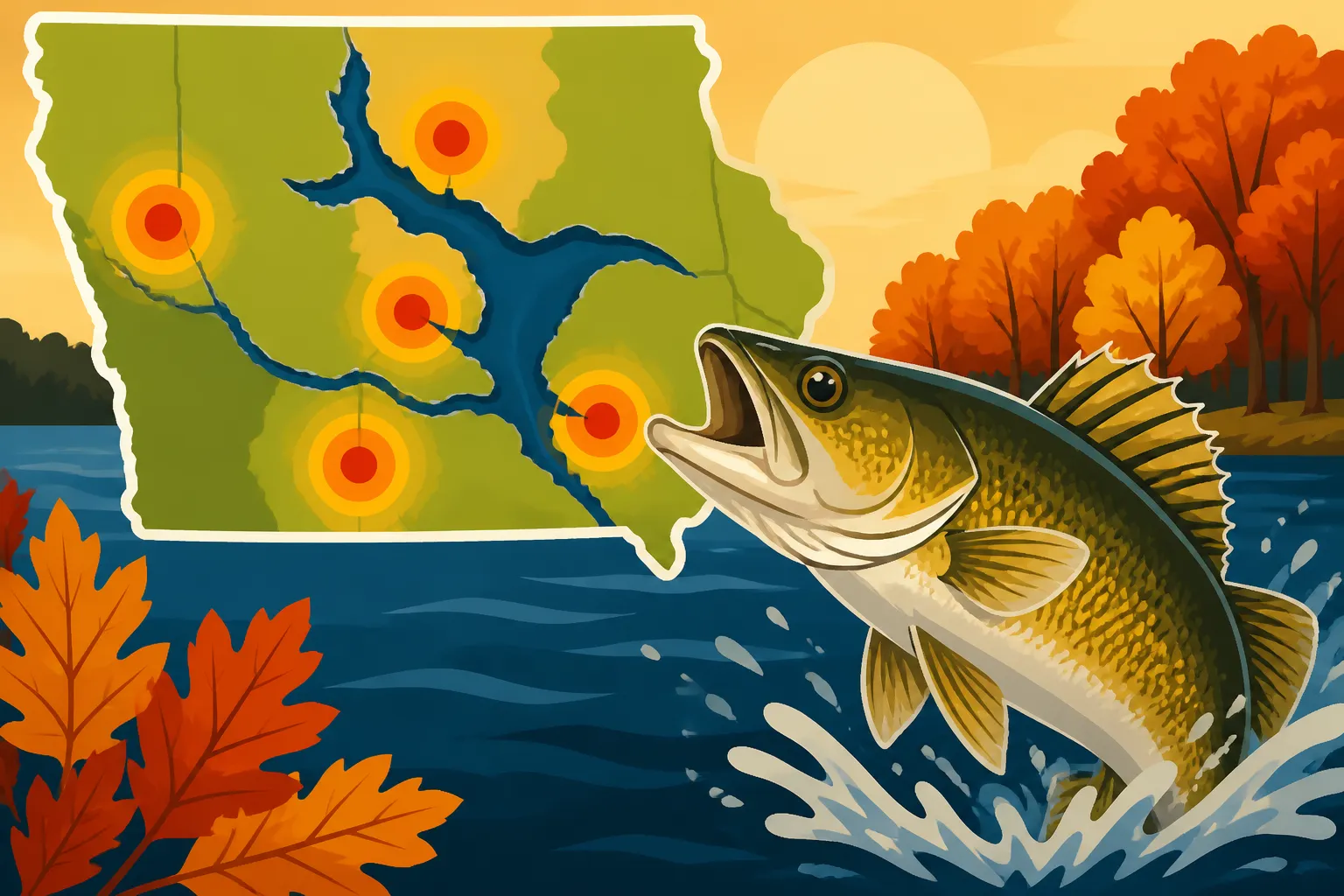
When autumn arrives, walleyes in Iowa start to feel that instinctual urge to feed heavily before the cold grip of winter sets in. This means they'll often consolidate in predictable areas, making them prime targets for anglers who know where to look. Iowa boasts several renowned bodies of water that consistently offer phenomenal fall walleye action, each with its unique characteristics.
The Iowa Great Lakes: A Fall Walleye Mecca
The Iowa Great Lakes region, encompassing Spirit Lake, West Okoboji, and East Okoboji, truly comes alive for walleye fishing in the fall. After the summer boat traffic dwindles and the water temperatures begin their steady decline, walleyes here begin to move out of their deeper, thermocline-bound summer haunts and spread out, often venturing into shallower water, especially during low-light periods. These lakes are deep, complex systems with abundant forage, making them ideal for walleyes looking to bulk up.
During early fall, you might find walleyes still relating to deep structure – humps, points, and transition zones – on lakes like West Okoboji, which is Iowa's deepest natural lake. As the water cools further, they often follow baitfish, particularly yellow perch and ciscoes, into shallower flats and along weed edges, sometimes as shallow as 10-15 feet. Anglers often find success trolling crankbaits along these contours or jigging weed lines. For a truly immersive experience, many folks even book guided trips through services like FishingBooker, connecting with local experts who have an intimate understanding of these complex lake systems and their ever-changing fall patterns. Understanding how to approach these lakes during the cooler months can really turn your luck around. For more insights, check out our comprehensive guide on Fishing the Iowa Great Lakes.
Clear Lake's Consistent Autumn Action
Clear Lake, a beautiful natural lake in north-central Iowa, is another fall walleye powerhouse. Unlike the deeper Great Lakes, Clear Lake is relatively shallow, averaging about 10 feet deep, with a maximum depth around 20 feet. This characteristic makes it warm up faster in spring and cool down quicker in fall, often concentrating walleyes more predictably.
In the fall, Clear Lake walleyes often gather around the lake's abundant rock reefs, humps, and the expansive weed beds that line its shores. They become much more aggressive, chasing down schools of baitfish like shad and minnows. Trolling crankbaits that mimic these baitfish along the edges of weed lines and over rocky structures is a go-to technique here. Don't overlook the main lake basin either; as temperatures drop, walleyes can be found suspended over deeper water, particularly around schools of bait. The bites here can be fast and furious, especially right around dusk and into the evening. If you're wondering Where to Catch Walleye at Clear Lake, fall offers some of the best opportunities.
The Mighty Mississippi's Moving Walleye
For river anglers, the Mississippi River, particularly the pools bordering Iowa, offers a truly dynamic fall walleye bite. The river's vastness and constant current mean walleyes are always on the move, but they also use predictable features to ambush prey. As the water cools, walleyes here often migrate from their summer haunts in deeper holes and slack water areas to more current-oriented structures.
Look for walleyes to congregate around wing dams, riprap, current breaks, and the mouths of tributaries. These areas provide current seams that funnel baitfish directly to hungry walleyes. Jigging with live bait or plastics, and casting crankbaits or blade baits, are highly effective techniques here. The fall run of shad and shiners upstream often triggers a feeding frenzy among walleyes. Fishing below locks and dams can also be incredibly productive, as walleyes stack up to feed on disoriented baitfish coming through the dam gates. Always remember that Iowa Fishing Regulations on the Mississippi River Border can have unique rules, so it's vital to stay informed.
Understanding Fall Walleye Behavior and Patterns
To consistently catch walleye in the fall, it's not enough to just know where to go; you need to understand why they're there and what they're doing. Fall triggers a significant shift in walleye behavior, driven primarily by dropping water temperatures and the impending winter. This understanding allows you to adapt your approach and truly capitalize on the bite.
The Autumnal Feast: Why Walleye Go on a Binge
As summer gives way to fall, water temperatures gradually decline, signaling to walleyes that winter is coming. This cooling trend kicks off what anglers often refer to as the "fall feed" or "gorge." Walleyes become incredibly active and aggressive, driven by an instinct to consume as much food as possible to build up fat reserves for the leaner, colder months ahead. They become less finicky and more willing to chase down a meal. This is a fantastic time to target trophy-sized fish, as the larger walleyes are often the most aggressive feeders.
This intense feeding period means that walleyes are often found in areas with abundant baitfish. They will actively hunt in schools, rather than just lurking on the bottom waiting for an easy meal. This heightened metabolism and predatory drive make fall one of the most exciting times to be on the water. It's truly when these fish are at their prime in terms of both aggression and condition. Our guide on Fall Fishing in Iowa offers broader insights into this productive season.
Following the Forage: Baitfish Migration
A critical aspect of fall walleye behavior is their close association with baitfish. As water temperatures drop, many baitfish species, like shad, perch, and ciscoes, begin to move and school up. In lakes, they might move from deeper, open water into shallower bays or along weed lines, seeking warmer water or staging for winter. Walleyes will follow these baitfish movements religiously. If you can locate the schools of bait, you're often just a stone's throw away from the walleye.
On rivers, baitfish will move into slower current areas, tributary mouths, or stack up in deep holes. Walleyes will position themselves at choke points or current breaks along these migration paths to ambush them. Using your electronics to mark baitfish schools is incredibly valuable during this time. Don't be afraid to fish areas that look "empty" of structure if your fish finder shows a dense school of bait – the walleyes won't be far behind!
Depth and Structure: Where Walleye Relocate
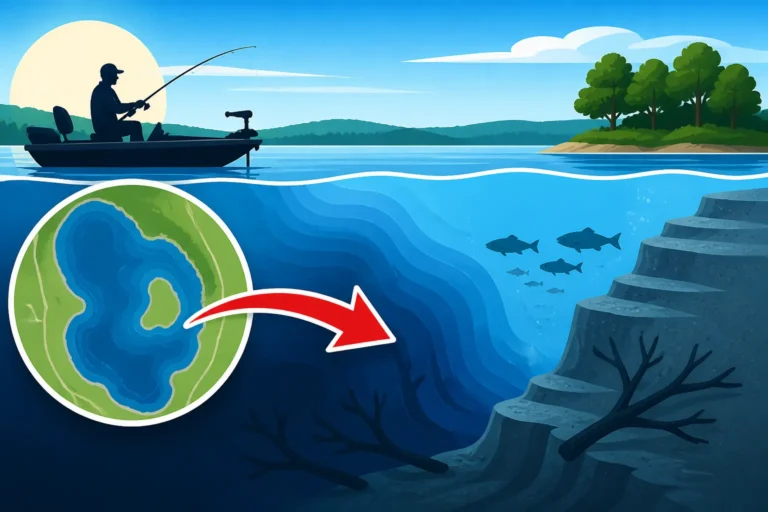
While walleyes are often found deep in summer to escape warm surface temperatures, the fall cooling trend changes this dynamic. As the thermocline breaks down in lakes, oxygenated water becomes available at all depths. Walleyes will utilize a wider range of depths, often moving into shallower water during low light conditions or when actively pursuing baitfish. However, they'll still rely on structure for cover and ambush points.
Key fall structures include rock humps, gravel bars, points extending into deeper water, and the edges of dying weed beds. In rivers, current breaks, wing dams, bridge pilings, and deep holes are paramount. The "best" depth can vary daily, even hourly, depending on light conditions, baitfish location, and weather fronts. Always pay attention to your depth finder and experiment with different depths until you find where the active fish are holding. This flexible approach to depth is key to consistent success.
Essential Techniques and Baits for Autumn Walleye
Fall walleyes are aggressive, but that doesn't mean you can just throw anything at them and expect a bite. Matching your techniques and baits to their aggressive feeding patterns and preferred forage is crucial for success. Whether you're a seasoned angler or just starting out, having the right approach can make all the difference.
Trolling for Autumnal Trophies
Trolling is undeniably one of the most effective techniques for covering water and finding active fall walleyes, especially on larger lakes like the Great Lakes or Clear Lake. It allows you to present baits at a consistent depth and speed, mimicking a fleeing baitfish, which perfectly triggers the walleye's predatory instincts during their fall feed.
Long, slender crankbaits that imitate common forage species like perch, ciscoes, or shad are excellent choices. Popular brands like Rapala, Berkley, and Bandit offer a wide array of colors and diving depths. Experiment with different speeds, typically between 1.5 to 2.5 mph, and vary your lure depth until you hit the strike zone. Using planer boards can help you spread out your lines and cover a wider swath of water, especially when walleyes are scattered. Don't forget to keep an eye on your fish finder for schools of bait and actively mark fish. This method is especially potent on the main lake basins of larger bodies of water where walleyes are suspended or spread out over flats. Knowing How to Catch Walleye in Iowa often starts with mastering this technique.
Jigging the Breaks and Structure
When walleyes are concentrated around specific structures like rock reefs, humps, or current breaks in rivers, jigging becomes incredibly effective. This technique allows for precise bait presentation and can be highly engaging. Vertical jigging, where you drop a jig directly below the boat and impart action with rod movements, is excellent for targeting fish marked on your electronics. Casting a jig and slowly retrieving it over structure is another productive method, especially when fishing from shore or covering wider areas of a river.
A common setup involves a 1/8 to 1/2 ounce jig head tipped with a live minnow, a soft plastic paddle tail, or a grub. Silver, chartreuse, white, and natural baitfish colors are often top producers in the fall. On the Mississippi River, heavy jigs or blade baits worked along wing dams can be deadly. The key is to maintain bottom contact, feeling for subtle taps or the distinctive "thunk" of a walleye strike. This is a more active fishing style that allows for immediate feedback on walleye location and mood.
Live Bait Rigs for Reluctant Biters
Even during the aggressive fall feed, some walleyes can be finicky. This is where live bait rigs shine. Presenting a natural, struggling baitfish can entice even the most hesitant walleye. The classic "slip bobber" rig is fantastic for suspending a minnow at a precise depth over structure or weed edges, especially in calmer conditions or when fish are holding in a specific depth range. This setup is particularly effective in shallower bays or along the edges of dying vegetation in lakes.
Another go-to is the Lindy Rig or a variation of a Carolina rig, which uses a sliding sinker, a swivel, a leader, and a hook. This rig allows a live minnow or crawler to drift naturally near the bottom, often irresistible to walleye. Presenting a large shiner or creek chub on a slow-trolled or drifted Lindy Rig can be the ticket to hooking a trophy walleye that might ignore artificials. The slower, more natural presentation often appeals to larger, more cautious fish. Just remember to use a sufficiently heavy enough weight to keep your bait in the strike zone, especially when dealing with current in river systems.
Navigating Fall Conditions and Safety
Fall fishing in Iowa offers some of the most rewarding walleye opportunities, but it also comes with unique challenges. Rapidly changing weather, colder water, and shorter daylight hours mean that safety and preparedness are just as important as your fishing techniques. Being mindful of the elements will ensure your fall walleye adventures are both successful and safe.
Dressing for Success: Battling the Chill
One of the most immediate concerns for fall anglers is the weather. Crisp mornings can quickly turn into chilly afternoons, and an unexpected cold front can drop temperatures dramatically. Layering is absolutely crucial. Start with a moisture-wicking base layer to manage sweat, add insulating layers like fleece or wool for warmth, and top it off with a waterproof and windproof outer shell. Gloves, a warm hat, and waterproof boots are non-negotiable.
Remember that water temperatures will be significantly colder than the air temperature, especially later in the fall. If you were to accidentally fall in, hypothermia can set in quickly. Being adequately dressed not only keeps you comfortable but also provides a vital buffer in an emergency. Don't let a sudden chill cut your prime fishing time short!
Boating Safely in Cooler Waters
Cold water presents serious risks for boaters. Even if the air feels mild, falling into cold water can lead to shock, incapacitation, and hypothermia within minutes. Always wear your life jacket – not just have it on board. Modern inflatable life jackets are comfortable and don't impede casting. Make sure all your boat's safety equipment is in top working order, including navigation lights (since daylight hours are shorter), distress signals, and a fully charged cell phone in a waterproof bag.
Tell someone where you're going and when you expect to return. Consider fishing with a buddy, especially as temperatures drop. Be extra cautious when navigating, as ice can begin to form in shallower, protected areas later in the fall. Reviewing Iowa Boat Registration Requirements and ensuring all your vessel's safety equipment meets state standards is a must for safe autumn outings.
Reading the Water Temperature
Water temperature is the single most important factor influencing fall walleye behavior. As the lake or river cools, walleyes will respond by adjusting their depth, activity level, and feeding patterns. Early fall, when water temperatures are in the 60s Fahrenheit, will see walleyes still actively chasing bait in a wide range of depths. As temperatures dip into the 50s, the "fall feed" goes into high gear, and fish become more aggressive. Once water temperatures drop into the low 40s and below, walleyes will start to slow down and hold tighter to structure, though they still feed.
Having a reliable thermometer on your boat or fish finder is invaluable. It helps you anticipate walleye movements and understand where they might be staging. For instance, if you find a bay that's a few degrees warmer than the main lake, it might hold baitfish longer, attracting walleyes. Conversely, if a cold snap drops surface temps quickly, walleyes might temporarily move deeper or into areas with more stable temperatures. Understanding How Water Temperature Affects the Walleye Bite is critical for consistent success.
| Walleye Hotspot | Key Fall Feature | Primary Fall Technique | Recommended Baits | Average Fall Depth (approx.) |
|---|---|---|---|---|
| Iowa Great Lakes | Deep structure, weed edges, bait schools | Trolling, Jigging | Crankbaits (perch/cisco), Live Minnows | 10-30 feet |
| Clear Lake | Rock reefs, weed lines, main basin | Trolling, Casting Jigs | Crankbaits (shad/minnow), Soft Plastics | 8-20 feet |
| Mississippi River | Wing dams, current breaks, deep holes | Jigging, Casting Crankbaits | Live Minnows, Blade Baits, Plastics | 5-25 feet (variable with current) |
Disclaimer
Please be aware that fishing regulations, conditions, and fish behavior can change. Always consult the latest Iowa Department of Natural Resources (DNR) fishing regulations booklet or website before heading out. The information provided here is for general guidance and educational purposes only.