Best Winter Fishing Spots in Iowa
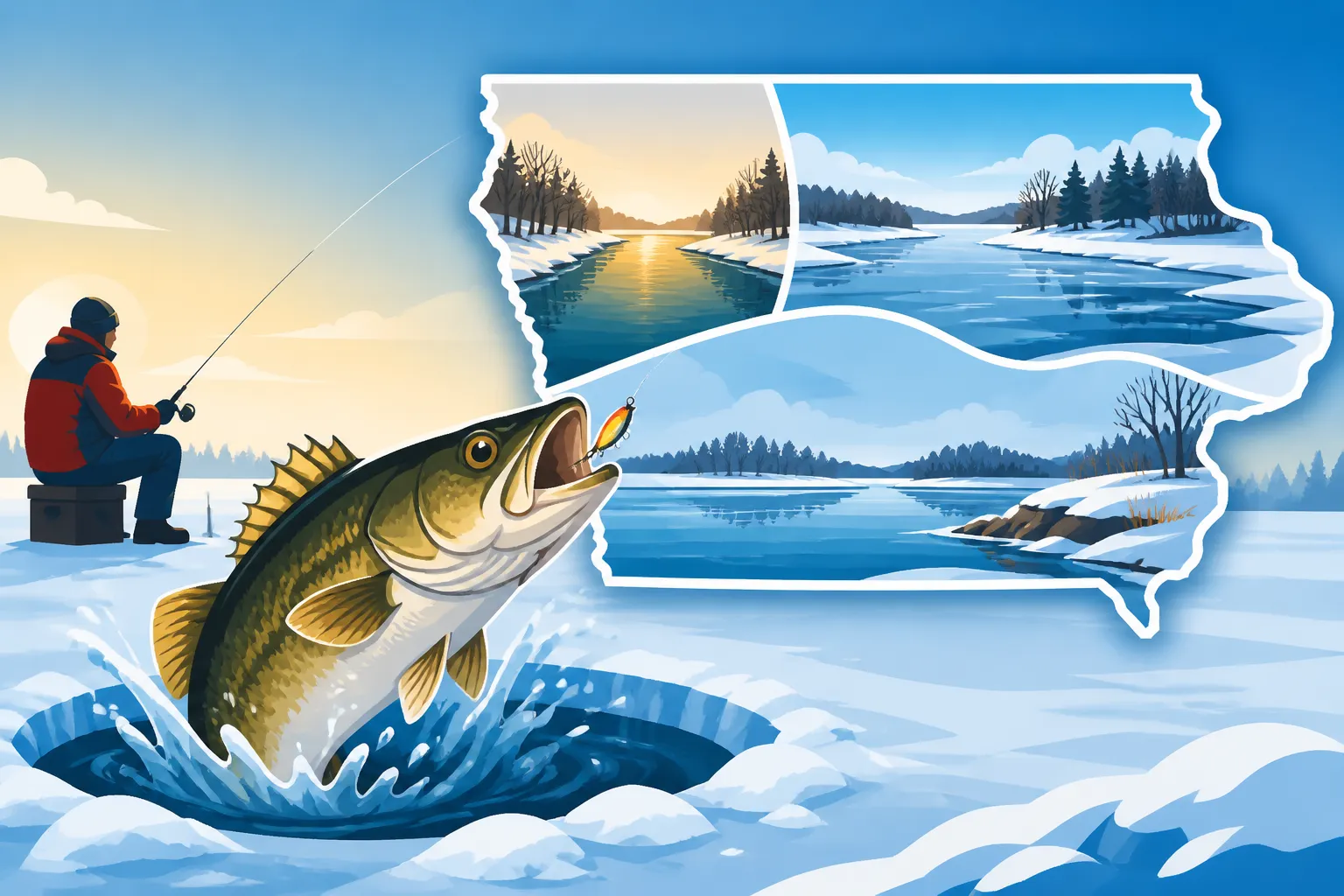
The chill winds of an Iowa winter might tempt you to pack away your fishing gear until spring, but for many of us, the colder months offer some of the most unique and rewarding angling experiences. The truth is, finding those prime winter fishing spots in Iowa can feel like chasing a ghost, especially when you're battling freezing temperatures and uncertain ice conditions. It's frustrating to drive all that way, only to find thin ice or a completely shut-down bite. This guide is here to cut through the confusion, helping you uncover the best places across the Hawkeye State to cast a line or drop a jig during the winter, whether you're chasing hardwater walleye, open-water trout, or feisty panfish.
Navigating the Challenges of Winter Fishing in Iowa
Winter fishing in Iowa isn't just about bundling up; it's about understanding how the cold fundamentally changes fish behavior and access. The season brings unique hurdles that can deter even seasoned anglers, from unpredictable ice thickness to fish that become far more lethargic. But don't despair – with the right knowledge, these challenges become part of the adventure, not roadblocks.
Understanding Ice Conditions and Safety
One of the biggest anxieties for any winter angler is ice safety. Iowa's winters can be fickle, with warm spells followed by bitter cold, creating a patchwork of ice conditions even on the same body of water. This means what was safe yesterday might not be safe today, and even within the same lake, thickness can vary dramatically. It's crucial to always check ice conditions before venturing out. The Iowa Department of Natural Resources (DNR) often provides updates, and local bait shops are an invaluable source of real-time information. A good rule of thumb is at least 4 inches of clear, solid ice for safe foot travel, and significantly more for ATVs or vehicles. Never assume the ice is safe just because others are out there; always check for yourself. Many a seasoned angler has learned this lesson the hard way, finding themselves in a chilly predicament. To truly prepare, diving into a resource like Ice Fishing Safety on Iowa Lakes can make all the difference, detailing the critical precautions you need to take.
Beyond thickness, factors like recent snowfall can insulate the ice, preventing it from thickening further, or even hide weak spots. Slush and standing water can also be indicators of underlying issues. The key is constant vigilance and a healthy respect for the power of cold water. Carrying safety equipment like ice picks, a spud bar to test ice ahead of you, and a throw rope isn't overkill; it's essential for anyone serious about enjoying Iowa's hardwater opportunities. You really don't want to be caught off guard miles from shore when the conditions turn.
Adapting to Colder Water and Fish Behavior
When the water temperature drops, fish metabolism slows down considerably. This means they're less active, feed less frequently, and often hold in deeper, more stable areas where temperatures are more consistent. This shift in behavior requires a fundamental change in your fishing strategy. Fast, aggressive presentations that work in summer often fail in winter. Instead, think slow, subtle, and precise. Many species will congregate in predictable areas, making them easier to locate once you understand their winter patterns. For instance, panfish like crappie and bluegill will often suspend over deeper channels or relate to significant underwater structure like brush piles or submerged timber. Walleye, on the other hand, might stick to main lake basins, deep points, or river channels.
This change also affects bait and lure choices. Smaller jigs, delicate plastics, and live bait like minnows or waxworms often outperform larger, more erratic offerings. It's not about making a big splash; it's about enticing a lethargic fish with an easy meal. Understanding these patterns is key to unlocking the winter bite. Learning about How to Ice Fish for Panfish or How to Jig for Walleye Through the Ice can truly elevate your success rate when the temperatures plummet and the fish are less willing to chase. The mental game of patience also becomes paramount – sometimes, it's just about waiting for that subtle tap, rather than a hard strike.
Top Hardwater Destinations for Ice Fishing in Iowa
When the ice gets thick and safe, Iowa transforms into an ice angler's paradise, offering incredible opportunities for a variety of species. Knowing where to go can save you a lot of driving and increase your chances of success dramatically. These spots are known for consistently producing fish through the hardwater season.
The Iowa Great Lakes Region
The interconnected lakes of Spirit Lake, East Okoboji, and West Okoboji in Northwest Iowa are legendary for their ice fishing. This region truly shines in winter, offering diverse opportunities from trophy walleye to abundant panfish. While the sheer size of these lakes can be intimidating, it also means there are endless spots to explore. For instance, Spirit Lake is a perennial favorite for yellow bass, walleye, and northern pike. Anglers often target the reefs and deeper main lake structure for walleye, using jigging spoons or Raps. East Okoboji, with its shallower, weedier bays, is fantastic for bluegill and crappie, especially early in the ice season. You can often find success near weed edges or over deep water suspended fish.
West Okoboji, the deepest natural lake in Iowa, holds secrets for those willing to explore its depths. It's famous for its elusive but massive walleye, smallmouth bass, and even some muskie, though catching muskie through the ice is a rare feat. For panfish, look for deep water structure, often near drop-offs or humps. You might consider checking out a guide service through platforms like FishingBooker if you're new to the area or want to specifically target a certain species, as local knowledge can be invaluable on these vast bodies of water. The sheer volume of fish and varied habitat make these lakes a winter angler's dream, provided you pay close attention to safety and ice reports. For a deeper dive into the area, the guide Fishing the Iowa Great Lakes offers a wealth of information relevant to year-round angling, including winter.
Rathbun Lake
Located in south-central Iowa near Centerville, Rathbun Lake is another premier ice fishing destination, especially renowned for its crappie and walleye. This large reservoir offers extensive structure, including submerged timber, old roadbeds, and creek channels, which provide excellent winter habitat. Anglers targeting crappie often find success suspending jigs tipped with minnows or plastics over deep brush piles in the main lake basin. The crappie here can be quite large, making for exciting fights on light tackle. Walleye are frequently found near the dam or along distinct ledges and points, often responding well to aggressive jigging techniques during peak feeding windows.
What makes Rathbun particularly appealing is its consistent stocking program and diverse fishery, ensuring there's always something biting. It's also a lake that tends to freeze solidly, though checking local conditions is always a must. Many anglers will set up portable shelters and move frequently until they locate a productive school of fish. You’ll often see anglers clustered over known crappie or walleye haunts, but don't be afraid to drill your own holes and explore. Remember that winter regulations, including daily bag limits, can be found in the Iowa Fishing Regulations Explained guide, which is always worth a look before you head out.
Clear Lake
In north-central Iowa, Clear Lake is a beloved spot for ice anglers, primarily famous for its walleye and yellow bass populations. This relatively shallow, bowl-shaped lake offers excellent hardwater opportunities. Walleye are often found roaming the main lake basin, especially around rock reefs, humps, and the numerous points that extend from shore. Aggressive jigging with spoons or small swimming baits can be highly effective, particularly during dawn and dusk bites. Yellow bass, on the other hand, are often found in large schools, providing fast action for anglers using small jigs tipped with waxworms or cut bait. Once you find a school, the action can be non-stop.
Clear Lake's accessibility and consistent bite make it a popular choice, drawing anglers from across the state. The lake's generally uniform depth contributes to more predictable ice formation compared to some deeper, more complex bodies of water, but vigilance is still key. The town of Clear Lake offers excellent amenities and bait shops that are invaluable for up-to-the-minute reports. If you're looking for a dedicated walleye experience through the ice, Clear Lake Walleye Fishing provides specific insights that can give you an edge.
Productive Open Water and River Fishing Spots in Winter
While ice fishing grabs most of the attention during Iowa winters, not all waters freeze solid, and some rivers actually offer fantastic open-water opportunities. This can be a lifesaver during mild winters or for those who prefer not to brave the ice.
Trout Streams of Northeast Iowa
Northeast Iowa is home to a unique network of coldwater trout streams that provide year-round fishing, including incredible winter opportunities. These spring-fed streams, such as those near Decorah, Manchester, or Backbone State Park, often remain partially or entirely ice-free even in the coldest temperatures, thanks to their constant flow and groundwater inputs. The Iowa DNR actively stocks rainbow and brown trout in many of these streams, creating a vibrant fishery. Winter trout fishing can be exceptionally rewarding, as the fish are often less pressured and surprisingly active.
Anglers typically use ultra-light spinning gear with small inline spinners, jigs, or live bait like waxworms and salmon eggs. Fly fishing with small nymphs or streamers can also be highly effective. Key spots to target include deeper pools, undercut banks, and areas with slower current, as trout will seek refuge from fast flows and predators. Waders are essential for accessing the best spots, and proper layering is critical to stay warm in the brisk air. It's a serene and beautiful experience, a stark contrast to the often bustling ice fishing scene. For those interested in this niche, Trout Fishing Streams in Northeast Iowa offers an excellent starting point for planning your winter excursions.
Mississippi River Backwaters and Channels
The mighty Mississippi River, forming Iowa's eastern border, is a winter fishing powerhouse. While the main channel often remains open due to commercial traffic and strong currents, its numerous backwaters, sloughs, and protected bays freeze over, offering prime ice fishing. These areas are rich in panfish like crappie and bluegill, as well as walleye, sauger, and northern pike. The current in these backwater areas is greatly reduced, allowing for stable ice formation. Look for areas with access points in towns like Dubuque, Bellevue, or Marquette.
For open-water river fishing, areas below dams (like Lock and Dam 12 at Bellevue) often feature open water year-round due to current and aeration, creating oxygenated havens for fish. Walleye and sauger congregate in these tailwaters, providing excellent jigging opportunities. Heavy jigs tipped with minnows or blade baits are often the ticket. Safety is paramount when fishing open water on the Mississippi due to powerful currents and large ice floes that can break off. Always stay clear of the main navigation channel. Guides found on platforms like FishingBooker often specialize in these unique river conditions, providing a safer and more productive experience. The complexities of the Mississippi River, especially during winter, are well-documented in guides such as Fishing the Mississippi River in Iowa, which can help you navigate its vast potential.
Essential Gear and Safety Considerations for Winter Angling
No matter where you decide to venture, preparation is your best friend when facing Iowa's winter elements. The right gear and a solid understanding of safety protocols aren't just recommendations; they're non-negotiable for a safe and enjoyable trip.
Layering for Warmth and Mobility
Staying warm and dry is the absolute foundation of comfortable winter fishing. Forget your bulky ski jacket and think layers. A good base layer wicks moisture away from your skin, a mid-layer provides insulation (fleece or down are excellent), and an outer shell offers wind and waterproof protection. Don't forget extremities: quality insulated boots (waterproof, of course), warm socks (wool or synthetic), waterproof gloves or mittens (often a combination of both, one for dexterity, one for warmth), and a warm hat are crucial. Body heat is lost rapidly through your head and feet. Chemical hand and foot warmers can also be a game-changer on bitter cold days.
Mobility is equally important. You'll be walking, drilling holes, and setting up gear. Your clothing shouldn't restrict movement or be so cumbersome that it makes simple tasks difficult. Many modern ice fishing suits are designed with flotation assistance, which can be a literal lifesaver if you do go through the ice. Investing in good quality winter gear is an upfront cost that pays dividends in comfort and safety over many seasons. A comprehensive guide on What to Wear Ice Fishing in Iowa can help you build your ultimate cold-weather wardrobe.
Key Equipment for Ice and Open Water
Your tackle box needs a winter overhaul. For ice fishing, specialized ice rods (shorter, sensitive rods) are key, paired with small spinning reels. A good ice auger (manual, propane, or electric) is indispensable for drilling holes efficiently. A portable fish finder (flasher or LCD unit) can drastically improve your success by showing you fish and your lure in real-time, helping you gauge fish activity and depth. An ice scoop, a sled to haul your gear, and a portable shelter (shanty) for protection from the wind are also highly recommended. For those new to hardwater, Ice Fishing Gear Basics for Beginners details all the essentials.
For open-water winter fishing, especially on rivers, you'll need sturdy spinning or baitcasting gear, capable of handling larger fish and heavier lures often needed to combat current. Waders are essential for accessing prime trout stream locations. A sturdy landing net is always a good idea, as fish can be sluggish in cold water and might not fight as hard until boat-side or bank-side. Don't forget a quality cooler to store your catch and a thermos filled with a hot beverage – it makes all the difference!
Winter Fishing Regulations and Licensing in Iowa
Before you head out, remember that Iowa's fishing regulations are in effect year-round, and winter is no exception. Ignorance of the rules won't spare you from a citation, so a quick refresh is always a good idea.
Understanding Season Dates and Limits
While many common panfish species like crappie and bluegill have continuous open seasons, certain species, particularly walleye and bass in specific lakes, might have closed seasons or special size and bag limits even during winter. For instance, the Iowa Great Lakes have specific rules regarding walleye and bass at certain times. It’s vital to consult the current Iowa Fishing Regulations booklet, available online through the Iowa DNR website or at licensed vendors. This booklet details everything from minimum length limits to daily bag and possession limits for all species. Always remember that regulations can change annually, so what was true last year might be different this season.
Furthermore, some trout streams have specific regulations regarding bait use (e.g., artificial lures only) or catch-and-release only sections. If you're planning a trip to a trout stream, double-check those localized rules. Understanding Iowa Fishing Season Dates and Limits is crucial for any angler looking to stay on the right side of the law and protect fish populations for future generations.
Obtaining Your Iowa Fishing License
Every angler aged 16 and older needs a valid Iowa fishing license, even in winter. This applies to both residents and non-residents. The cost and duration of licenses vary, from annual options to shorter-term permits, which can be ideal for a quick winter trip. You can purchase a license online through the Iowa DNR website, via the GoOutdoors Iowa mobile app, or at numerous authorized vendors like bait shops, sporting goods stores, and county recorder offices. If you plan to fish for trout, you'll also need to purchase an Iowa Trout Fee, regardless of whether you’re fishing open water or ice. This stamp supports the trout stocking program that makes winter trout fishing possible. For a full breakdown of requirements, checking out the Iowa Fishing License Guide is highly recommended. It covers everything you need to know about getting legal before you hit the ice or open water.
| Iowa Winter Fishing Spot | Primary Species Targeted | Common Winter Techniques | Special Considerations |
|---|---|---|---|
| Spirit Lake | Walleye, Yellow Bass, Pike | Jigging spoons, Live bait | Large lake, deep structure. |
| East Okoboji Lake | Bluegill, Crappie, Walleye | Small jigs, Minnows | Weedy bays, shallower water. |
| Rathbun Lake | Crappie, Walleye | Jigs & plastics, Minnows | Deep brush piles, old roadbeds. |
| Clear Lake | Walleye, Yellow Bass | Jigging spoons, Waxworms | Main lake basin, rock reefs. |
| Trout Streams (NE Iowa) | Rainbow, Brown Trout | Small spinners, Nymphs | Open water, Waders needed. |
| Mississippi River Backwaters | Panfish, Walleye, Sauger | Jigs, Live bait | Current breaks, safe ice access. |
Ultimately, winter fishing in Iowa is a beautiful, challenging, and deeply rewarding endeavor. It's a chance to see the state's natural beauty in a different light, to find solitude on a frozen lake, or to test your skills against lethargic but often trophy-sized fish. With careful planning, the right gear, and a strong commitment to safety, you can make this winter your most successful fishing season yet.
Disclaimer
The information provided in this guide is for general informational purposes only and does not constitute professional advice. Fishing conditions, ice safety, and regulations can change rapidly. Always check current weather conditions, ice thickness reports from local authorities or bait shops, and the latest Iowa Department of Natural Resources fishing regulations before venturing out. Personal safety is paramount; always err on the side of caution.