Is Big Creek Lake Good for Walleye?
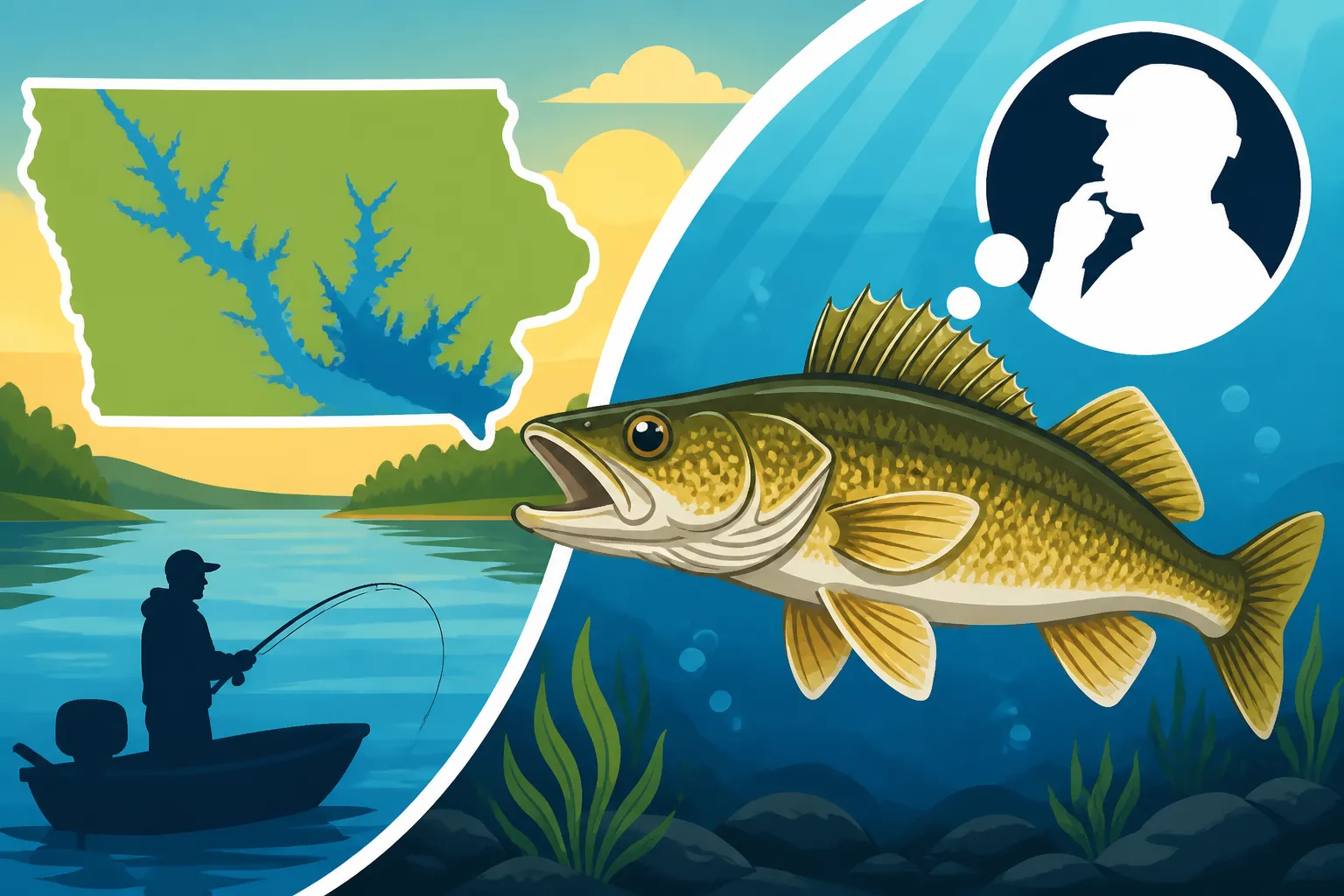
For many anglers heading out to Iowa's beautiful waters, the dream is often a stringer full of tasty walleye. But when you look at a spot like Big Creek Lake, there's often a lingering question: is it truly a good destination for walleye, or are you better off focusing on other species? This guide dives deep into what Big Creek Lake offers for walleye enthusiasts, helping you understand its unique characteristics and how to maximize your chances of success.
Big Creek Lake's Walleye Reputation: More Than Just a Myth?
Let's be honest, when most folks in Iowa think "walleye," places like Clear Lake or West Okoboji often come to mind first. Big Creek Lake, nestled north of Des Moines near Polk City, doesn't always carry the same legendary walleye status, and that can lead to some head-scratching. You might hear mixed reviews at the bait shop – some anglers swear by it, while others are quick to say it's not worth the effort. The truth, as often is the case, lies somewhere in the middle, and it hinges on understanding the lake itself and setting realistic expectations.
Big Creek Lake is a popular destination, especially for those in central Iowa, offering a wide range of outdoor activities. But for walleye anglers, it presents a unique challenge and opportunity. The lake's walleye population is sustained primarily through stocking by the Iowa Department of Natural Resources (DNR), rather than significant natural reproduction. This means the number of walleye you'll encounter can fluctuate based on stocking success and angler harvest pressure. While it might not boast the sheer numbers of some of Iowa's premier walleye factories, Big Creek Lake definitely holds its own, often surprising patient and knowledgeable anglers with some truly quality fish. It's a lake where consistency can be elusive, but reward is certainly possible for those who put in the time.
Understanding Big Creek Lake's Walleye Stocking Program
The Iowa DNR plays a crucial role in maintaining Big Creek Lake's walleye fishery. Unlike some natural walleye lakes where populations can sustain themselves through spawning, Big Creek relies heavily on annual stockings of fingerlings or advanced fingerlings. This ongoing effort is designed to provide a viable walleye population for recreational angling. Because of this, the year-to-year success can sometimes depend on the size and health of the stocked fish and their ability to acclimate and grow.
Think of it like tending a garden: you plant the seeds (stock the fish), and with the right conditions, they'll flourish. The DNR closely monitors the health and growth rates of these stocked walleye, and their efforts are critical to ensuring Big Creek Lake remains a viable option for walleye hunters. Anglers often keep an eye on DNR reports or local fishing forums for news about recent stocking events, as these can give clues about future fishing prospects. Knowing the fish are actively being stocked helps reinforce the idea that walleye are indeed present and catchable, even if they aren't always jumping into the boat.
Managing Expectations: Big Creek vs. Walleye Powerhouses
If you're coming to Big Creek Lake expecting the kind of walleye bite you might find at, say, Spirit Lake Fishing Guide or West Okoboji Lake Fishing Guide, you might need to adjust your mindset a bit. Those lakes are legendary for a reason, often boasting extensive natural reproduction, vast deep-water habitats, and well-established forage bases that allow walleye to truly thrive and reach impressive sizes more consistently.
Big Creek Lake, while significant, is a flood control reservoir with different characteristics. It's shallower in many areas, and its ecosystem operates a bit differently. This doesn't mean it lacks good walleye, but it does mean that the approach and the expectations should differ. At Big Creek, you might have to work a bit harder, adapt your techniques more, and celebrate each walleye caught with a bit more satisfaction. It's not a numbers game as much as it is a quality game, with the potential for some nice-sized fish that have managed to grow robustly on the lake's abundant forage. It’s important to familiarize yourself with Iowa’s general Iowa Fishing Regulations Explained, including any specific rules for Big Creek Lake.
Diving Deep: The Walleye Habitat and Forage at Big Creek Lake
To truly understand if Big Creek Lake is "good" for walleye, you have to look at it from a walleye's perspective. What makes a home appealing to these predatory fish? It's all about food, cover, and comfortable conditions. Big Creek Lake, being a multi-purpose reservoir, offers a mosaic of environments that can hold walleye at different times of the year and under varying conditions. From submerged roadbeds to riprap banks, these habitats are key to finding your next walleye.
The lake itself covers approximately 869 acres with an average depth around 13 feet, though it has areas dropping down to over 30 feet, particularly near the old creek channel and the dam. This variability is crucial for walleye, as they'll move between these depths seeking optimal temperatures and forage. Understanding the contours, structures, and available food sources is the first step in unlocking Big Creek's walleye potential.
Structure and Depths Walleye Prefer
Walleye are structure-oriented fish, meaning they'll relate to changes in the lake bottom or submerged features. Big Creek Lake offers several types of structure that attract walleye:
- The Old Creek Channel: This is perhaps the most significant feature. Before the lake was impounded, Big Creek meandered through the area, and its old bed now lies submerged. Walleye use this channel as a highway, moving between deeper pockets and shallower feeding flats. Targeting the edges or bends of this channel, especially where it meets a flat or hump, can be very productive.
- Riprap and Rocky Banks: The dam face and other shoreline areas reinforced with riprap provide excellent cover and ambush points. These rocky areas attract baitfish, which in turn attract walleye. During low-light conditions or cooler weather, walleye will often cruise these rocky edges.
- Submerged Timber and Brush Piles: While not as abundant as in some other lakes, pockets of submerged timber or intentionally placed brush piles by the DNR can hold walleye, especially when they're seeking shade or cover from current (if any) or boat traffic.
- Humps and Points: Any underwater humps or points that extend into deeper water act as natural congregating areas for walleye, particularly during transitional seasons like spring and fall. These spots offer quick access to deep water safety while providing nearby feeding opportunities.
Understanding these features, which you can often find on detailed lake maps or with a good fish finder, is paramount. Walleye are ambush predators; they're not going to be in the middle of nowhere. They'll be near something that breaks up the bottom or provides cover.
The Forage Base: What Big Creek Walleye Eat
A healthy walleye population needs a robust and reliable food source. At Big Creek Lake, the primary forage for walleye consists of a variety of baitfish, with gizzard shad often being a dominant species. These silvery baitfish provide a high-energy meal for growing walleye. In addition to shad, walleye will also prey on juvenile panfish like bluegill and crappie, especially smaller ones that venture too far from cover.
The abundance of this forage can influence walleye behavior. When shad are plentiful, walleye might be spread out, gorging themselves. When forage is scarcer, they might concentrate more in specific areas, making them easier to target. Understanding the lake's forage base helps you choose the right lures and presentations. If walleye are keying on smaller shad, a slender crankbait or jig resembling a shad will be more effective than a large, slow-moving bait. The health of the entire food web, from microscopic organisms to the baitfish, directly impacts the growth and size of Big Creek's walleye.
Effective Walleye Fishing Strategies for Big Creek Lake
Now that we know walleye are present and where they like to hang out, let's talk tactics. Fishing for walleye at Big Creek Lake isn't always straightforward, but with the right approach, you can definitely put some fish in the boat. The most successful anglers are those who are versatile, observant, and willing to adjust their methods based on conditions and time of year.
Success often depends on understanding the seasonal movements of walleye. Spring, particularly after ice-out, and fall are generally considered the prime times for walleye fishing at Big Creek. During these periods, water temperatures are ideal, and walleye are often more aggressive as they prepare for spawning or winter.
Seasonal Walleye Tactics and Best Times
- Spring (Ice-Out to Early Summer): This is a fantastic time for walleye. As ice leaves the lake, walleye begin to move towards shallower spawning areas, often congregating near hard bottom or rocky structures. Early spring can see fish in 5-15 feet of water. Jigs tipped with minnows or plastics are deadly, as are slow-trolled crankbaits that mimic baitfish. Look for areas where the old creek channel comes close to the shoreline or rocky points. Understanding the Iowa Walleye Season Opening Day and general Walleye Season and Size Limits is crucial for planning your spring trips.
- Summer: As water temperatures rise, walleye often move deeper to find cooler, more oxygenated water. They'll relate to the deeper sections of the creek channel, main lake humps, or any remaining submerged timber. Night fishing can be particularly effective during summer, as walleye move shallower to feed under the cover of darkness. Trolling crankbaits at various depths or bottom bouncing with crawler harnesses are popular summer strategies.
- Fall: This is another peak time as walleye go on a feeding frenzy in preparation for winter. They'll become more active, moving to shallower flats and points during low-light conditions. Trolling crankbaits, casting jigs, and using live bait rigs are all productive. Focus on transitional areas where deep water meets shallower structure.
Remember, walleye are notoriously light-sensitive, so low-light periods – dawn, dusk, and overcast days – are often the most productive. Night fishing, especially in summer, can also yield excellent results. For comprehensive details on optimal timing, check out guides like Best Time of Year to Fish Clear Lake, which often provides insights applicable to other Iowa lakes as well.
Recommended Baits and Lures for Big Creek Walleye
Choosing the right presentation is key to enticing Big Creek walleye. You'll want to have a diverse tackle box to adapt to changing conditions.
| Lure Type | Best Use Case | Tips for Big Creek Lake |
|---|---|---|
| Jigs | Early spring, vertical jigging, pitching to structure | 1/8 to 1/4 oz, tipped with minnows or soft plastics (grubs, paddle tails) in chartreuse, white, or dark colors. |
| Crankbaits | Trolling, casting to flats and points, varying depths | Shallow divers (spring/fall) and deep divers (summer). Colors matching shad (chrome/blue, silver/black) or bright colors (firetiger). |
| Crawler Harnesses | Bottom bouncing, slow trolling, especially in summer | Use brightly colored blades (chartreuse, orange, gold) with a live nightcrawler. Adjust weight to keep near the bottom. |
| Slip Bobbers | Presenting live bait over structure, variable depths | Excellent for presenting a Best Live Bait for Iowa Walleye (minnow, leech, or crawler piece) just above structure without snagging. |
| Blade Baits | Vertical jigging, detecting active fish in deeper water | Good for covering water and triggering reaction strikes, especially in cooler water. |
Don't be afraid to experiment with retrieve speeds and presentations. Sometimes a slow, methodical retrieve is what's needed, while other times a more aggressive twitching action can trigger a bite. FishingBooker is a great resource if you're looking for a local guide on Big Creek Lake who can provide up-to-the-minute advice on the best baits and techniques. They often have guides listed who specialize in walleye fishing in Iowa.
Beyond Walleye: Other Great Catches at Big Creek Lake
While our main focus today is firmly on the elusive walleye, it's important to remember that Big Creek Lake offers a fantastic multi-species fishing experience. Sometimes, the walleye bite just isn't happening, or maybe you just want to broaden your angling horizons. Knowing what else swims in these waters can salvage a slow day or simply add more variety to your trip. After all, a day on the water is always a good day, even if the walleye aren't cooperating!
Big Creek Lake is known for healthy populations of several other popular sport fish. This means that even if you're primarily a walleye angler, you're likely to hook into something exciting. This diversity is part of what makes Big Creek Lake such a valuable resource for central Iowa anglers.
Largemouth Bass Fishing at Big Creek Lake
Big Creek Lake boasts a strong largemouth bass population, making it a popular tournament destination and a consistent producer for recreational anglers. These aggressive predators can be found relating to a variety of structures. Look for them in areas with submerged brush, weed beds (especially in bays and shallower coves), docks, and along rocky shorelines.
Anglers targeting largemouth bass often use a range of techniques:
- Topwater Lures: During low-light conditions (dawn, dusk) or on overcast days, topwater frogs, poppers, and walking baits can generate explosive strikes, particularly near lily pads or thick cover.
- Spinnerbaits and Jigs: These are excellent for covering water and probing submerged timber or weed edges.
- Soft Plastics: Wacky-rigged worms, Texas-rigged creatures, and senkos are highly effective for tempting finicky bass around structure.
- Crankbaits: Shallow-diving crankbaits can be great for covering flats and points, especially in spring and fall.
The thrill of a largemouth bass strike is undeniable, and Big Creek Lake certainly delivers on this front. If the walleye bite is slow, switching gears to bass can quickly turn your day around.
Panfish: Crappie and Bluegill Bonanza
For family-friendly fishing or just consistent action, Big Creek Lake's panfish populations are outstanding. Crappie and bluegill are abundant, making them a great target, especially for beginners or when you want a delicious meal.
- Crappie: Both black and white crappie reside in Big Creek. They love structure, so target submerged brush piles, timber, and bridge pilings (like the Highway 210 bridge). In spring, they move into shallower coves to spawn. Small jigs (1/32 to 1/16 oz) tipped with minnows or tiny soft plastics are irresistible. Trolling small crankbaits or jigs can also be effective for locating schools. For more tips on this popular species, you might find our guide on Crappie Daily Limit in Iowa helpful, as well as general crappie techniques.
- Bluegill: These feisty little fighters are everywhere in Big Creek Lake. They can be caught with incredibly simple setups – a bobber, a small hook, and a piece of worm or a tiny artificial lure. Look for them around any vegetation, docks, or shallow rocky areas. They're an excellent target for kids and adults alike, offering continuous entertainment.
Panfish often make up the bulk of an angler's harvest at Big Creek, providing plentiful opportunities for a fresh fish fry.
Channel Catfish: The Bottom Dwellers
Big Creek Lake also holds a very healthy population of channel catfish. These powerful fish are widely distributed throughout the lake and are eager biters, especially during warmer months. Catfish are often found in deeper areas, along the old creek channel, near submerged timber, or in the main lake basin.
Popular methods for catching channel catfish include:
- Bottom Fishing: Using a slip sinker rig with various baits resting on the bottom is a classic and effective method.
- Baits: Catfish are not picky! Cut bait (like shad or potent store-bought varieties), chicken livers, worms, and stink baits are all highly effective.
- Night Fishing: Catfish are nocturnal feeders, so fishing after dark can dramatically increase your success, especially during the heat of summer.
If you're looking for a strong fight and some excellent table fare, don't overlook Big Creek Lake's catfish. They provide a reliable backup when other species are finicky. It's always a good idea to check the Channel Catfish Daily Limit in Iowa before heading out.
Making the Most of Your Big Creek Lake Walleye Trip
Planning a fishing trip, especially for a target like walleye, involves more than just showing up with a pole. To truly maximize your chances at Big Creek Lake, a little preparation and local knowledge go a long way. This includes not just knowing where to fish, but also how to access the lake, what current conditions are, and ensuring you're compliant with all regulations.
Remember, every lake has its nuances, and Big Creek is no exception. Taking the time to gather information and prepare adequately will significantly enhance your experience and your likelihood of success, whether you're after walleye or just enjoying the beautiful Iowa outdoors.
Access Points and Facilities
Big Creek Lake is part of Big Creek State Park, which means it offers excellent public access and amenities.
- Boat Ramps: There are multiple well-maintained boat ramps around the lake, making it easy to launch various types of watercraft, from small fishing boats to larger rigs. Ample parking is usually available.
- Shore Fishing Access: For those without a boat, numerous areas along the shoreline provide opportunities for bank fishing, particularly near the dam, along park areas, and around causeways. Several fishing jetties and piers are also available, making it accessible for anglers of all mobility levels.
- Rental Options: If you don't own a boat, Big Creek Lake often has options for pontoon, fishing boat, or kayak rentals, allowing everyone to get out on the water.
Before you go, it's always a good idea to check the Big Creek State Park website or call ahead for any current conditions or facility closures. For a wider view of options, you might even consider resources like FishingBooker for potential guided trips or to check local reports. They sometimes list guides who operate on Big Creek or nearby lakes like Fishing Saylorville Reservoir in Iowa or Fishing Clear Lake in Iowa, providing valuable local insights.
Checking Current Conditions and Regulations
Fishing success is often dictated by current conditions. A little homework before you leave home can save you a lot of frustration.
- Water Levels and Clarity: Big Creek Lake can experience fluctuations in water level due to its flood control purpose, especially after heavy rains. High, muddy water can make walleye fishing challenging. Check local reports or the DNR website for current lake conditions.
- Water Temperature: Walleye activity is heavily influenced by water temperature. Knowing the current temperature can help you decide on depths and lure presentations. Many online resources or fish finders can provide this data.
- Local Fishing Reports: Check online fishing forums, local bait shops, or the Iowa DNR fishing report. These sources often provide invaluable, real-time information on what's biting, where, and on what.
- Regulations: Always ensure you have a valid Iowa Fishing License Guide and are aware of all relevant Iowa Fishing Daily Bag Limits Guide, especially for walleye. Regulations can change, so a quick check before each season is always a good idea. This includes size limits and daily creel limits for walleye, which are strictly enforced. Don't forget to check rules about How Many Fishing Poles You Can Use in Iowa as well.
By being prepared and informed, your trip to Big Creek Lake for walleye, or any other species, will be much more enjoyable and productive. While it may not be Iowa's most famous walleye lake, Big Creek definitely has the potential to produce memorable catches for those willing to learn its secrets.
Disclaimer
The information provided in this guide is for general informational purposes only and is subject to change. Always consult the official Iowa Department of Natural Resources (DNR) regulations and guidelines for the most current and accurate fishing rules, license requirements, and lake-specific information before engaging in any fishing activities. Fishing conditions, fish populations, and regulations can vary based on time of year and environmental factors.