Best Fishing at Big Creek Lake
It's always a bummer when you head out to a new fishing spot, full of hope, only to spend hours scratching your head, wondering where the fish are hiding. Big Creek Lake near Polk City is a fantastic body of water, but like any good fishing lake, it has its secrets. This guide is dedicated to pulling back the curtain on Big Creek, giving you the insider tips on the best spots, target species, and techniques to ensure your next outing is a resounding success, not a frustrating blank.
Understanding Big Creek Lake's Fishery
Big Creek Lake, located just north of Des Moines, is a real gem for Iowa anglers. It's a man-made reservoir, approximately 869 acres in size with a maximum depth of around 20 feet, though much of it is shallower. This makes it diverse, offering everything from deep channels to vast flats and submerged structures. Its unique characteristics mean there's a little something for every type of angler and fish species. Knowing the lay of the land, or rather, the lay of the water, is your first step toward a productive day.
Key Fish Species and Their Habits
Big Creek Lake boasts a thriving population of several popular sport fish, each with its own preferred habitats and feeding patterns. If you're going to catch 'em, you've got to know 'em!
- Walleye: These highly sought-after fish are present in good numbers. Walleye in Big Creek tend to relate to deeper structure, especially during the brighter parts of the day. They'll often school up on subtle humps, old creek channels, or along the deeper edges of weed lines. In low light conditions, like early morning, late evening, or even night, they'll push shallower onto flats to feed. Their diet primarily consists of smaller baitfish, so understanding the forage base is crucial. Keep an eye on what local bait shops are recommending, as shad and minnow populations can fluctuate. For those keen on targeting these elusive fish, our guide on How to Catch Walleye in Iowa can offer even more in-depth strategies.
- Crappie: Both black and white crappie call Big Creek home, and they are a huge draw for panfish enthusiasts. Crappie are notorious for schooling, especially around submerged timber, brush piles, bridge pilings, and any other vertical structure that offers cover. In spring, they move into shallower coves and bays for spawning, making them easier to target. As the water warms, they'll retreat to deeper water, often suspending over structure. Early spring and late fall are prime times to really hammer these papermouths. You can explore more techniques in our Crappie Fishing in Iowa article.
- Largemouth Bass: Big Creek offers solid largemouth bass fishing. These aggressive predators thrive in the lake's abundant submerged vegetation, fallen trees, and shoreline cover. They're often found hiding in lily pads, around docks, or tucked into thick weed beds, waiting to ambush unsuspecting prey. During the spawn, they'll be very shallow and protective of their nests. As summer progresses, they might move slightly deeper to avoid direct sunlight but will still relate heavily to cover. Topwater action can be fantastic in the early morning and late evening, while jigs and soft plastics work wonders when they're hunkered down.
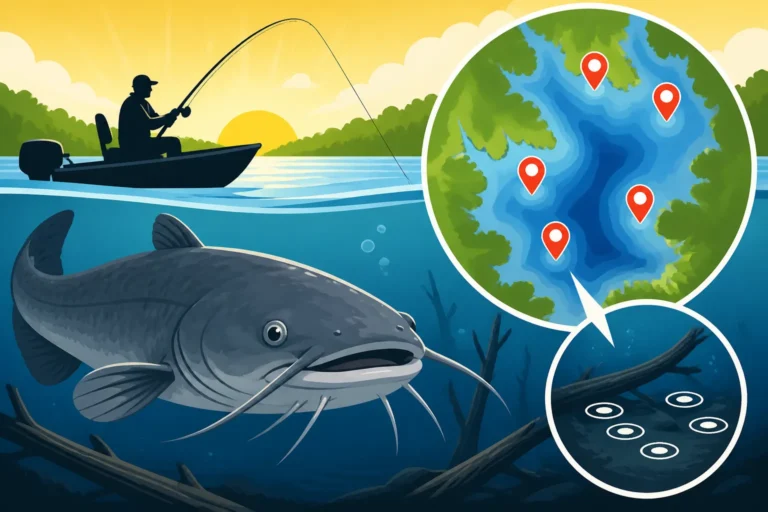
- Channel Catfish: If you're looking for a dependable bite, channel catfish are your friend. Big Creek has a healthy population, and they are generally less finicky than other species. Catfish are scavengers and predators, often found in deeper holes, along creek channels, and anywhere current might concentrate food. They are particularly active during the warmer months and into the night. While typically found on the bottom, don't be surprised to catch them suspended if there's an abundance of baitfish. They’re a fantastic target for family fishing trips or anyone looking for consistent action. Learn more about Channel Catfish Fishing in Iowa for detailed strategies.
Lake Characteristics and Structure
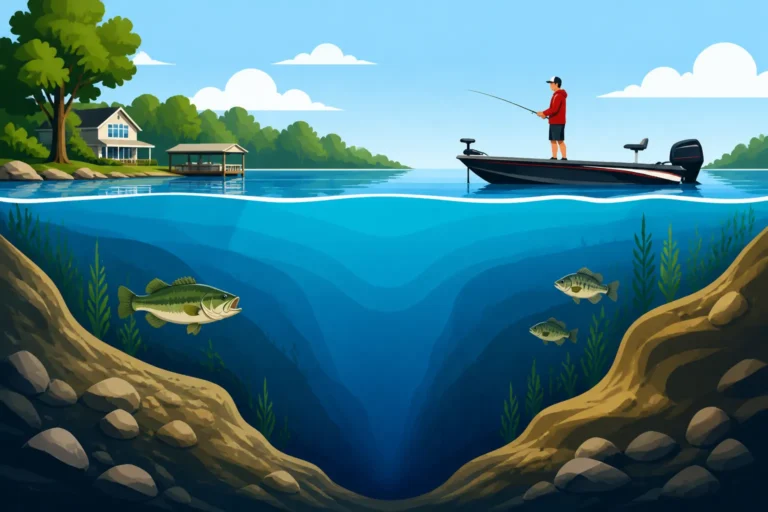
Big Creek Lake's structure is key to finding fish. The lake was formed by damming Big Creek, and the old creek channel still runs through the basin, offering deeper water and pathways for fish movement.
- Submerged Timber and Brush Piles: Throughout the lake, especially in the upper arms and near historical treelines, you'll find submerged timber. The Iowa DNR and local angling groups have also sunk many artificial brush piles to enhance fish habitat, particularly for crappie and bass. These are often marked on navigation charts or can be found with a good fish finder.
- Weed Lines and Aquatic Vegetation: Healthy beds of aquatic vegetation are crucial for Big Creek's ecosystem and its fish. These weed lines provide cover, oxygen, and food sources for baitfish, which in turn attract predators like bass and walleye. Learning to identify different types of weeds and where fish relate to them is a skill that pays dividends. Milfoil and coontail are common.
- Riprap and Rocky Shorelines: Near the dam and along some of the causeways, you'll find riprap. This rocky habitat provides excellent cover for baitfish and crawfish, attracting bass, walleye, and even catfish. The rocks retain heat, which can be a draw in cooler weather, and they offer ambush points in stained water.
- Points and Bays: Like most lakes, points that extend into the main lake and sheltered bays are always good places to check. Points can concentrate fish as they move from shallow to deep water, while bays often offer calmer, warmer water, making them ideal for spawning or feeding activity, especially for crappie and bass.
Top Fishing Spots and Access Points at Big Creek Lake
One of the great things about Big Creek Lake is its accessibility. Whether you're a boat angler or prefer to keep your feet on solid ground, there are plenty of options to get your line in the water. Knowing where to go and how to get there can make all the difference.
Shoreline Access and Piers
Big Creek Lake is surrounded by Big Creek State Park, which offers numerous public access points, making it very angler-friendly. You don't always need a boat to have a fantastic day on the water here.
- Marina Area and Fishing Pier: The main marina area is a hub of activity and offers excellent shore fishing opportunities, particularly from the large fishing pier. This pier extends into deeper water and often has submerged brush piles nearby, making it a hotspot for crappie, bluegill, and even walleye, especially during low light. It's handicap accessible and provides easy access to food and facilities, making it perfect for families or those new to fishing. Many anglers report success here with live minnows or small jigs fished under a bobber.
- Causeways and Roadside Access: There are several causeways that cross parts of the lake, offering unique access. The riprap banks along these causeways can be fantastic for bass and walleye, particularly in spring and fall. Just be mindful of traffic and park safely. Always check for local fishing regulations here, as they can sometimes vary slightly in high-traffic areas.
- State Park Shoreline: The Big Creek State Park offers miles of shoreline that you can walk and explore. Look for areas with fallen trees, rocky outcrops, or emergent vegetation. These natural structures provide excellent cover for bass and panfish. Many of these spots are perfect for casting crankbaits, soft plastics, or simply a worm and bobber. Remember to check the Iowa Fishing Regulations Explained before you go to ensure you're compliant with all rules.
Boat Access and Hidden Coves
For those with a boat, Big Creek Lake truly opens up, offering access to more remote areas and deeper structures where bigger fish often lurk.
- Main Boat Ramps: The lake has several well-maintained boat ramps. The main ramp near the marina is very popular, providing easy access to the central and southern parts of the lake. There are also ramps in the northern sections, which can be less crowded and provide quicker access to the shallower, timber-laden areas. Always ensure your boat registration is up to date – you can find details on Iowa Boat Registration Requirements.
- Old Creek Channel and Deep Structure: The submerged old creek channel that winds through the lake is a prime target for walleye and larger catfish. Use your fish finder to locate this channel and any irregularities along its edges, such as humps, bends, or intersections with other subtle contours. Trolling crankbaits or drift fishing with live bait can be very effective here. Many of the larger walleye are caught by anglers who meticulously work these deeper structural elements.
- Northern Arms and Timbered Bays: The northern reaches of Big Creek Lake tend to be shallower and feature more standing or submerged timber. These areas are fantastic for crappie and largemouth bass, especially in spring and early summer. Look for concentrations of timber or brush piles in these bays. They provide excellent cover and ambush points. Pitching jigs or spinnerbaits into these areas can yield impressive results. If you're considering a guided trip to learn these spots, services often listed on platforms like FishingBooker can connect you with experienced local guides who know Big Creek like the back of their hand.
- Islands and Submerged Humps: Keep an eye out for smaller islands or submerged humps that rise off the main lake bottom. These are classic fish magnets, attracting baitfish and in turn, predatory species. Walleye, in particular, will often use these humps as staging areas before moving onto shallower feeding flats. Use your electronics to scan these areas for schools of bait and larger fish arches.
Effective Techniques and Baits for Big Creek Lake
Having the right gear and knowing the right presentation can turn a slow day into a memorable one. Big Creek's diverse fishery means a variety of techniques will work, depending on your target species and the time of year.
Walleye and Crappie Strategies
These two species are among the most popular targets at Big Creek, and while they can be caught using similar gear, their specific preferences often require nuanced approaches.
-
Walleye Techniques:
- Jigging: One of the most consistent ways to catch Big Creek walleye is by jigging. A 1/8 to 1/4 ounce jig tipped with a live minnow, a plastic grub (like a Berkley Gulp! Minnow), or a soft plastic swimbait can be deadly. Focus on working these jigs along breaklines, points, and the edges of the old creek channel. A slow, methodical retrieve with occasional pops off the bottom often entices a strike.
- Trolling: Trolling crankbaits is another highly effective method, especially for covering water and locating active fish. Deep-diving crankbaits that reach depths of 10-15 feet are good choices for Big Creek. Experiment with different speeds and lure colors until you find what the walleye are keying in on. Walleye can be particular about their meals, so having a variety of lure profiles and colors, from natural baitfish patterns to brighter firetiger, can make a difference.
- Live Bait Rigs: A classic bottom bouncer and crawler harness rig is hard to beat, particularly during the warmer months. This allows you to present a live nightcrawler enticingly close to the bottom. For a more subtle approach, a slip bobber rig with a live minnow or leeches can be incredibly effective when walleye are suspended over structure or holding tight to cover. Our comprehensive Iowa Fishing Techniques Guide offers more general insights into various methods that apply to walleye and other species.
-
Crappie Techniques:
- Small Jigs and Minnows: For crappie, simplicity often wins. Small 1/32 to 1/16 ounce jigs, often referred to as "crappie jigs," tipped with a tiny plastic grub (chartreuse, white, or black are common favorites) or a live minnow are incredibly effective. Fish these around submerged timber, brush piles, and bridge pilings. A slow, steady retrieve or a gentle vertical jigging motion is usually best.
- Slip Bobbers: A slip bobber rig allows you to present your bait at a precise depth, which is crucial when crappie are suspending at a certain level. Set your bobber stop to position your jig or minnow just above the structure where the crappie are holding. This is especially useful for targeting submerged brush piles.
- Trolling Small Crankbaits: While less common for crappie, trolling very small crankbaits or Bobby Garland-style plastics can be effective, particularly for covering water and finding schools in open water or along subtle contour lines. This technique is often fruitful when crappie move off their traditional cover. If you’re unsure where to start, you could consider hiring a guide through platforms like FishingBooker, many of whom specialize in crappie fishing and know the best trolling patterns for Big Creek.
Bass and Catfish Approaches
Big Creek's healthy populations of largemouth bass and channel catfish offer exciting opportunities for anglers using different strategies.
-
Largemouth Bass Techniques:
- Soft Plastics: Texas-rigged worms, Senkos, and creature baits are bass mainstays. Rigged weedless, they can be pitched into heavy cover like lily pads, thick weeds, and fallen timber without snagging. Work them slowly, letting them fall naturally, and pay attention to any subtle taps. Green pumpkin, black and blue, and watermelon red are perennial favorites.
- Topwater Lures: When conditions are right (low light, calm water), topwater lures like poppers, walk-the-dog baits, and frog imitations can provide explosive strikes. Target shallow areas with plenty of cover in the early morning or late evening. The thrill of a bass blowing up on a topwater lure is unparalleled.
- Spinnerbaits and Jigs: Spinnerbaits are excellent for covering water, especially around weed edges and submerged timber. Their flash and vibration can trigger reaction strikes. Jigs, particularly weedless models with brush guards, are fantastic for flipping and pitching into dense cover. Our guide on How to Catch Bass in Iowa goes into much more detail on these and other techniques.
-
Channel Catfish Approaches:
- Bottom Fishing with Stink Baits/Cut Bait: For channel cats, a simple bottom rig with a weight and a hook is often all you need. The key is bait. Popular choices include stink baits (pre-made dough balls with strong odors), chicken livers, cut bait (pieces of shad or bluegill), and even chunks of hot dogs. Cast your rig into deeper holes, along the creek channel, or near areas where food might wash in.
- Prepared Baits: Brands like Catfish Charlie and Sonny's Super Sticky Bait are popular among Iowa catfishermen. These often come in paste or punch bait forms that you can put on a treble hook or sponge. The strong scent trail is a powerful attractant for curious catfish.
- Live Bait: While cut bait is often preferred, live worms or small bluegill can also be very effective for larger channel cats, especially those that might be more predatory. Fish these near submerged logs or brush piles in deeper water. Check the Channel Catfish Daily Limit in Iowa to stay within legal harvest limits.
Big Creek Lake Target Species & Preferred Tactics
To help you plan your day, here’s a quick overview of the most common species, their likely locations, and effective baits/lures for Big Creek Lake:
| Species | Preferred Habitat | Best Time to Target | Effective Baits/Lures | Typical Depth (Spring/Summer) |
|---|---|---|---|---|
| Walleye | Creek channels, humps, deep weed edges, points | Low light (dawn, dusk, night) | Live minnows, jigs, crankbaits, crawler harnesses | 8-20 feet |
| Crappie | Submerged timber, brush piles, docks, bridge pylons | Spring (shallow), Summer (deep) | Small jigs, live minnows, tiny plastics | 4-15 feet |
| Largemouth Bass | Weeds, lily pads, fallen timber, docks | Early morning, late evening | Soft plastics, topwater, spinnerbaits, jigs | 2-12 feet |
| Channel Catfish | Deep holes, creek channels, current breaks | Warm months, night | Stink bait, cut bait, chicken livers, worms | 10-20 feet |
Remember that fish patterns can change based on weather, water temperature, and pressure, so always be willing to adapt!
Seasonal Fishing Guide for Big Creek Lake
Understanding how Big Creek Lake changes with the seasons is critical to consistent fishing success. Fish behavior is heavily influenced by water temperature and other environmental factors.
Spring and Summer Success
These are arguably the busiest times on Big Creek, and for good reason—the fishing can be phenomenal!
-
Spring (March – May): As ice recedes and water temperatures begin to rise, fish become incredibly active. This is the prime time for shallow water action.
- Crappie: Move into shallow bays and coves to spawn. Look for them around any submerged brush or fallen trees in 3-8 feet of water. Small jigs and minnows fished under a bobber are deadly.
- Walleye: The walleye spawn often happens shortly after ice-out. They'll be found near rocky areas and shallower points, especially during low light. As water warms slightly post-spawn, they'll often move to creek channels and deeper points. Trolling with crankbaits or jigging with minnows are top techniques.
- Bass: Largemouth bass will also move shallow, often staging in slightly deeper water before moving to build nests in protected bays. Spinnerbaits, jigs, and eventually soft plastics become highly effective as they prepare to spawn.
- Catfish: Catfish start to become more active as water temperatures climb, often congregating in deeper holes along the creek channel or near inflows where fresh water brings in food. Bottom fishing with cut bait or worms is very productive.
- Overall, spring is a time of transition and high activity. Our guide to Spring Fishing in Iowa provides even more insights into this exciting season.
-
Summer (June – August): With warm water temperatures, fish behavior shifts. Early mornings and late evenings often offer the best bites as fish avoid the midday heat.
- Walleye: Often relate to deeper structures, like the main lake's creek channel, humps, and points. They'll actively feed in low light, sometimes pushing shallower, but during the day, they're typically found deeper. Trolling deep-diving crankbaits or presenting live bait on bottom bouncers are effective. Night fishing for walleye can be excellent.
- Crappie: Move to deeper, cooler water, often suspending over the main lake's brush piles, timber, or bridge pilings in 10-15 feet of water. Vertical jigging or using slip bobbers to target precise depths is key.
- Bass: Relate heavily to dense cover—thick weed beds, lily pads, and submerged timber. Topwater lures are fantastic at dawn and dusk. During the day, flip and pitch jigs or soft plastics into heavy cover, or fish deeper points and brush piles with Texas rigs or Carolina rigs.
- Catfish: Summer is prime time for channel catfish. They are active throughout the day and into the night, feeding heavily. Focus on deeper holes, channel bends, and areas with current. Stink baits, cut bait, and chicken livers are irresistible. For a relaxing evening, targeting catfish from one of the fishing piers can be very rewarding. Remember to adhere to Iowa Fishing Daily Bag Limits Guide for all species.
Fall and Winter Opportunities
Don't hang up your rods just yet! Fall offers some of the most consistent fishing of the year, and for the adventurous, winter ice fishing can be incredibly rewarding.
-
Fall (September – November): As water temperatures cool, fish enter a feeding frenzy, packing on weight for the winter. This can be one of the best times to catch larger fish.
- Walleye: Start moving shallower, often aggressively feeding on baitfish pushed by cooling water. Focus on points, main lake flats, and creek channel edges, particularly during overcast days. Trolling crankbaits, casting jigs, and using jerkbaits can be highly effective. The fall walleye bite can be legendary.
- Crappie: Often school up tightly, making them easier to locate once you find them. They'll be found around their summer haunts (brush piles, timber) but might move shallower during warmer fall days. Small jigs and minnows remain the top choices.
- Bass: Largemouth bass feed heavily, often moving to secondary points, main lake flats, and weed edges. Crankbaits, spinnerbaits, and soft plastics can all work. They might school up more than in summer, so if you catch one, there are likely more around.
- Catfish: Continue to feed aggressively into early fall. As water cools further, they'll move to deeper holes and become less active, but a warm spell can still trigger a bite.
- Fall is an incredible time to be on the water, offering a combination of comfortable weather and active fish. More tips can be found in our Fall Fishing in Iowa guide.
-
Winter (December – February): Once Big Creek Lake freezes over, it transforms into an ice fishing paradise, conditions permitting.
- Ice Thickness: Safety first! Always check ice conditions. A minimum of 4 inches of clear, solid ice is generally considered safe for individual foot travel. Six inches for snowmobiles or ATVs. Conditions can change rapidly, so checking with local bait shops or the park office is always wise.
- Walleye: Often found relating to structure near deeper water, like the old creek channel or submerged humps. Jigging spoons (such as Northland Buck-Shot Rattle Spoons) or VMC Tungsten Jigs tipped with a minnow head or waxworm are popular choices. Fishing early and late in the day often yields the best results.
- Crappie: Tend to suspend in deeper water over brush piles or timber. Small tungsten jigs tipped with waxworms, spikes, or plastic micro-grubs are incredibly effective. A sensitive rod and a flasher unit can make a huge difference in detecting their subtle bites.
- Bluegill: Are abundant and can provide consistent action through the ice. Look for them in areas with remaining weeds or over soft bottom contours. Tiny jigs and small teardrop spoons tipped with a waxworm are irresistible.
- Catfish: While less commonly targeted through the ice, some dedicated anglers do catch them, often in deeper holes near the creek channel, using heavier lines and cut bait.
- Ice fishing offers a unique experience, and Big Creek provides excellent opportunities. Be sure to check out our Ice Fishing in Iowa guide for essential safety tips and gear recommendations.
Big Creek Lake truly offers year-round fishing excitement for anglers of all skill levels. With these tips and a little bit of patience, you'll be well on your way to a successful day on the water.
Disclaimer
Fishing conditions and regulations in Iowa can change. Always consult the official Iowa Department of Natural Resources (DNR) website or their current fishing regulations booklet for the most up-to-date rules, limits, and advisories before heading out. Safety should always be your top priority when enjoying the outdoors.