Fishing Coralville Reservoir in Iowa
Stepping up to a vast expanse like Coralville Reservoir can feel a bit daunting, can't it? You stare out at all that water, knowing there are fish in there, but wondering where to even begin. It's not like your local pond or a familiar river bend; Coralville demands a different approach. This comprehensive guide is designed to cut through that overwhelm, giving you the insider knowledge and practical strategies you need to confidently tackle this incredible Iowa fishing destination and bring home a great catch.
Understanding Coralville Reservoir: A Big Water Challenge
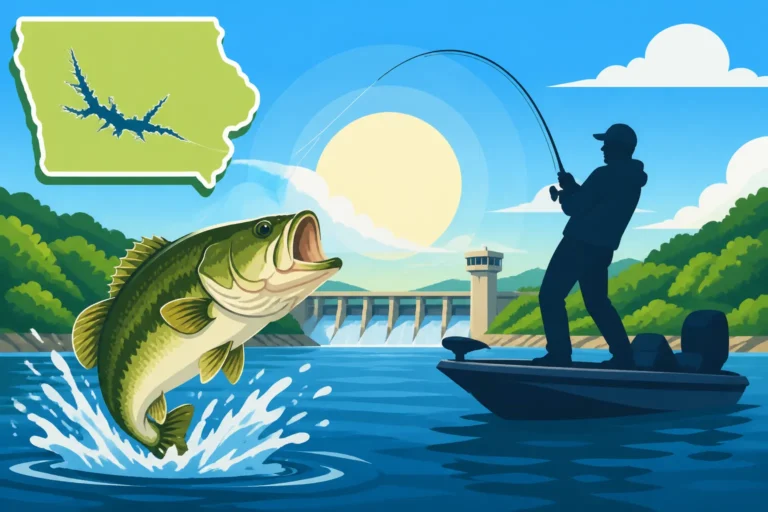
Coralville Reservoir, a significant impoundment on the Iowa River just north of Iowa City, isn't just another lake; it's a dynamic ecosystem shaped largely by its primary function as a flood control reservoir. This means anglers often face fluctuating water levels and varying current, which can either make or break a fishing trip if you're not prepared. But don't let that intimidate you. With its sprawling size and diverse habitats, Coralville offers phenomenal fishing opportunities for a variety of species, from hard-fighting walleye to chunky crappie and powerful catfish. Understanding its unique characteristics is the first step to unlocking its secrets.
Size and Geography: What Makes Coralville Unique?
Coralville Reservoir covers a massive area, typically ranging from 5,000 to over 25,000 acres depending on the water levels. This sheer scale means there's a huge amount of water to explore, from the main lake basin to numerous coves, flooded timber areas, and river channel features. The reservoir's depth can vary dramatically, with the old Iowa River channel providing deeper routes and many shallower flats and bays available during lower water periods. The shoreline, a mix of rip-rap, rocky points, and mudflats, offers diverse habitats. Because it's a flood control reservoir, the U.S. Army Corps of Engineers manages the water levels, which can swing wildly, especially during heavy rain periods in spring or fall. These fluctuations create constantly changing fish patterns, making adaptability a key trait for successful anglers here. It’s also close enough to major population centers that you'll find plenty of amenities nearby, making it convenient for multi-day trips.
Primary Fish Species: What Can You Expect to Catch?
Coralville Reservoir is a true multi-species fishery, renowned for its healthy populations of game fish. Walleye are a major draw, with many anglers specifically targeting them in the main lake basin and river channel areas. These elusive predators provide a fantastic challenge and a delicious reward. Beyond walleye, you'll find an abundance of both largemouth and smallmouth bass. Largemouth prefer the cover of flooded timber and weed lines in quieter coves, while smallmouth often patrol rocky points and current-swept areas, especially closer to the dam and riverine sections. Panfish, particularly crappie and bluegill, are prolific and offer consistent action, often schooling in impressive numbers around brush piles and submerged structures. And, of course, no major Iowa waterway would be complete without a robust catfish population. Channel catfish are plentiful throughout the reservoir, while larger flathead catfish lurk in deeper holes and along the river channel. You might even stumble upon some northern pike, white bass, or various sunfish, adding to the exciting diversity.
Seasonal Changes and Water Levels
The fishing experience at Coralville Reservoir changes dramatically with the seasons and, perhaps more significantly, with the fluctuating water levels. Spring fishing, particularly in April and May, can be incredible, especially for walleye as they move into shallower spawning areas and for crappie as they stage in flooded timber. However, spring also brings the highest risk of significant water level rises due to snowmelt and heavy rains, which can scatter fish and change access points. Summer sees fish move deeper or into cover as water temperatures rise. Catfish become extremely active, and bass can be caught early and late in the day. Fall fishing can be fantastic as fish feed heavily before winter, with walleye and crappie becoming very active again, and water levels often stabilizing or even drawing down. Winter, when the reservoir freezes, offers ice fishing opportunities, though ice conditions can be unpredictable due to the varying depths and current. Always check local conditions and forecasts, especially for water levels, before heading out. Websites like the U.S. Army Corps of Engineers often provide real-time data, which is invaluable for planning your trip.
Getting There and Around: Access Points and Navigation
One of the great things about Coralville Reservoir is its accessibility. Being a popular recreation area, the U.S. Army Corps of Engineers and Johnson County Conservation Board maintain several well-developed access points. However, given its size, knowing where to launch or where to cast from shore can make a huge difference in your success. Navigating such a large body of water, especially one prone to fluctuating levels, also requires a bit of local knowledge and a keen eye for safety.
Public Boat Ramps and Launch Sites
For anglers bringing a boat, Coralville offers numerous public ramps. The Sandy Beach Recreation Area boat ramp is one of the most popular, providing excellent access to the main lake basin, especially for those targeting walleye and open-water crappie. It’s generally well-maintained and has ample parking. Another excellent option is the Mehaffey Bridge Recreation Area ramp, which offers access to the northern end of the reservoir and the river channel above the main lake. This can be a prime spot during certain times of the year, particularly for targeting species that prefer riverine environments. Downstream of the dam, the Tailwater Recreation Area provides boat access to the Iowa River below the dam, which is a completely different fishing experience, often fantastic for walleye and catfish due to the consistent current and oxygenated water. Other smaller ramps like Lilly Lake and Turkey Creek provide access to specific coves or arms, which can be great for targeting largemouth bass or panfish in more sheltered waters. Always check ramp conditions, especially during low water periods, as some ramps might become difficult to use for larger boats. If you're planning a trip and want to explore options for guided trips or boat rentals, platforms like FishingBooker can help you connect with local experts who know the best launch points for current conditions.
Shore Fishing Opportunities and Popular Areas
You don't need a boat to have a fantastic fishing day at Coralville. There are plenty of accessible spots for shore anglers, offering diverse opportunities. The Tailwater Recreation Area below the dam is incredibly popular for shore fishing, especially for walleye and catfish, as fish often congregate in the outflow. You'll find concrete fishing platforms and rip-rap banks that provide good footing and casting access. Many of the recreation areas, like Sandy Beach and Mehaffey Bridge, also have designated fishing jetties or long stretches of shoreline that are suitable for casting. These spots are often good for panfish and smaller bass. For a more secluded experience, explore the numerous coves and quieter sections reachable by foot from parking areas. Be mindful of changing water levels; what might be a dry bank one week could be submerged the next. Always look for areas with structure near the shore, such as submerged timber, rock piles, or weed edges, as these are prime holding areas for fish. For more general advice on fishing without a boat, check out our guide on Shore Fishing Techniques for Beginners.
Navigation and Safety on Coralville's Waters
Navigating a large reservoir like Coralville requires attention to detail. The main channel of the Iowa River runs through the reservoir, and understanding its course is crucial, especially for finding deeper water or current seams. During low water periods, submerged stump fields and rock piles can become hazards, so always pay attention to navigation markers and use a reliable GPS and depth finder. A good mapping chip can be invaluable here. Always carry a U.S. Coast Guard-approved life jacket for every person on board, and wear it, especially when the water is cold or you're running at speed. The open expanses of Coralville can become very rough quickly if the wind picks up, so always check the weather forecast. Tell someone your float plan, and carry all the Required Safety Equipment for Iowa Boats by law, including a fire extinguisher, horn/whistle, and proper lighting if you plan to be out after sunset. Familiarizing yourself with Iowa's boating regulations is also a smart move to ensure a safe and enjoyable trip.
Mastering Walleye Fishing at Coralville
Walleye are undoubtedly one of Coralville Reservoir's most sought-after species, and for good reason. Their delicious white flesh and challenging bite make them a prized catch. However, they can be elusive, often preferring specific depths and structures, especially in a large, ever-changing environment like Coralville. Success often hinges on understanding their seasonal movements and adapting your techniques.
Best Seasons and Depths for Walleye
Walleye activity at Coralville really picks up in the spring, typically from late March through May, as they move from deeper wintering grounds to shallower rocky or gravelly areas for spawning. During this pre-spawn and spawn period, you'll find them concentrating on main lake points, rocky flats, and along the old river channel edges. Depths of 5-15 feet can be productive. As summer progresses, walleye tend to move deeper, seeking cooler, oxygenated water, often suspending over the main lake basin or relating to offshore humps and drop-offs in the 15-30 foot range. Low light conditions (dawn, dusk, and cloudy days) are often best. Fall brings another surge of activity as walleye feed aggressively to pack on weight for winter. They'll often move back into shallower areas or relate to main lake points and submerged timber. If you're curious about the broader walleye season, our guide on Iowa Walleye Season Opening Day provides general context.
Effective Lures and Techniques for Walleye
When it comes to lures and techniques for Coralville walleye, versatility is key. In spring, vertical jigging with jigs tipped with minnows or plastics is highly effective, especially around rocky structures or along the river channel. Popular jig colors include chartreuse, white, and orange. Trolling crankbaits (like Berkley Flicker Shads or Rapala Shad Raps) is another go-to strategy, particularly for covering large areas and finding active fish. Vary your trolling speed and depth until you get bites. For targeting fish suspended in open water or along deep breaks in summer, a slip bobber rig with a leech or minnow can be deadly. In the fall, jigging raps, blade baits, and casting jerkbaits can all produce. Don't be afraid to experiment with different presentations. For a deeper dive into methods, consider reading our comprehensive guide on How to Catch Walleye in Iowa.
Targeting Walleye in Different Structures
Coralville's diverse underwater landscape means walleye will hold in various structures. During periods of lower water, focus on the defined edges of the old Iowa River channel, where walleye will often stage. Areas with submerged timber, particularly the tops of drowned trees, can also hold fish, especially if they are near deeper water. Rip-rap along causeways and dam structures can be excellent ambush points, especially during low light or when there's current. In the main lake, look for subtle humps, rock piles, or hard bottom patches that stand out from the softer bottom. These "sweet spots" often concentrate baitfish, which in turn attract walleye. A good fish finder is almost essential for locating these structures and the fish holding to them. Understanding How to Read a Fish Finder for Walleye can drastically improve your success rate on a reservoir of this size.
| Season | Primary Location Types | Recommended Depths (Approx.) | Common Baits/Lures | Notes |
|---|---|---|---|---|
| Spring | Rocky points, gravel flats, river channel edges | 5-15 feet | Jigs (minnows/plastics), shallow crankbaits | Pre-spawn/spawn bite, fish are shallower, focus on access to spawning areas. |
| Summer | Offshore humps, main lake basin, deep breaks | 15-30+ feet | Trolled crankbaits, slip bobbers (leeches) | Fish seek cooler water; often suspended or tight to deep structure. Best in low light. |
| Fall | Main lake points, submerged timber, channel edges | 10-25 feet | Jigging raps, blade baits, jerkbaits | Aggressive feeding period before winter, fish may move shallower to feed. |
| Winter | Deeper channel areas, main lake basin | 20-40+ feet (ice fishing) | Small jigs, spoons, minnows | Ice fishing on stable ice; fish are slower, subtle presentations needed. Check ice safety first. |
Chasing Bass and Panfish: A Diverse Fishery
Beyond walleye, Coralville Reservoir offers fantastic opportunities for both bass and various panfish, providing options for anglers of all skill levels and preferences. Whether you're a hardcore bass angler or just looking for some steady panfish action, Coralville has you covered.
Largemouth Bass Hotspots and Tactics
Largemouth bass thrive in the numerous coves, shallower bays, and flooded timber areas of Coralville Reservoir. These areas provide the cover and ambush points that largemouth love. Look for dense stands of flooded trees, brush piles, submerged weed lines (if present), and any form of laydowns or docks. Good areas to start exploring include the quieter arms of the reservoir like the one near Lilly Lake or Turkey Creek, as well as the upper reaches of the river channel above the main lake. During spring, largemouth will move into extremely shallow water for spawning, making them susceptible to sight fishing or presentations like weightless worms and shallow crankbaits. In summer, they'll retreat to thicker cover or deeper weed edges, and topwater lures early and late in the day can be incredibly exciting. Texas-rigged worms, jigs, and spinnerbaits are year-round producers when targeting cover. Our guide on How to Catch Bass in Iowa offers more universal strategies that apply well to Coralville's bass.
Crappie and Bluegill: Finding Those Schools
Crappie and bluegill are abundant in Coralville, and when you find a school, the action can be non-stop. Both species tend to congregate around submerged structures. For crappie, focus on flooded timber and brush piles, especially in the shallower bays and coves. The standing timber found in many of the reservoir's arms is a prime crappie magnet. Use a fish finder to locate these brush piles, then present small jigs (1/16 to 1/8 ounce) tipped with minnows or soft plastics vertically. Troll small crankbaits or spider rig with multiple rods when searching for scattered schools. Spring and fall are prime crappie times as they move shallower. Bluegill, on the other hand, are often found shallower than crappie, in areas with sparse weeds, along bank irregularities, and around small submerged woody debris. They readily bite small jigs, worms, or crickets under a bobber. The recreational areas with fishing piers, such as those found in some Iowa State Parks, can also offer excellent bluegill fishing for shore anglers. Knowing the Crappie Daily Limit in Iowa and other panfish regulations is important before you head out.
Other Panfish and How to Target Them
While crappie and bluegill are the stars, Coralville also holds other panfish species like various sunfish (green sunfish, pumpkinseed) and occasionally yellow bass. These fish typically inhabit similar areas to bluegill and crappie – around cover, submerged vegetation, and along shallower banks. They often provide excellent bonus catches when targeting the primary panfish species. Tactics remain largely the same: small baits, light tackle, and a keen eye for subtle bites. Yellow bass, in particular, can be found schooling in open water and provide fast action similar to white bass. If you encounter them, vertical jigging small spoons or blade baits through the school can lead to quick limits. Always be prepared with a variety of small presentations, as panfish can be finicky about color or profile on any given day.
Hooking into Catfish: Coralville's Bottom Dwellers
Catfishing at Coralville Reservoir is a serious affair, with both plentiful channel catfish and the opportunity for trophy flatheads. These powerful fish offer a thrilling fight and are a favorite target for many Iowa anglers, especially during the warmer months.
Channel Catfish Strategies and Baits
Channel catfish are widespread throughout Coralville, inhabiting everything from shallow mudflats to the deeper river channel. They are opportunistic feeders, making them relatively easy to catch. The warmest months, from late spring through early fall, are prime time. Look for them along the old river channel edges, in the deeper sections of coves, and especially in areas with a gentle current. Below the dam in the Tailwater Recreation Area is a phenomenal spot for channels, as the current concentrates bait and creates prime feeding zones. Best baits include stink baits, cut bait (like shad or bluegill), chicken livers, and worms. A simple bottom rig with an egg sinker or a slip sinker is highly effective. Cast your bait out, let it settle, and wait for that tell-tale tap or steady pull. For more detailed insights, our guide on How to Catch Catfish in Iowa provides excellent foundational knowledge.
Flathead Catfish: Patience and Big Baits
For the dedicated angler seeking a true monster, Coralville's flathead catfish population offers an exciting challenge. Flatheads are much more territorial and prefer live bait. They typically lurk in deeper holes, around heavy submerged timber, and along the rocky banks of the main river channel, especially closer to the dam. Patience is paramount when targeting flatheads. Large live baits, such as sunfish, bullheads, or carp, are preferred. You'll need heavy-duty gear: stout rods, reels spooled with at least 50-80 lb braided line, and strong circle hooks (8/0 or larger). Anchor upstream of likely flathead lairs and drift your bait into their strike zone, or set up on a deep bank with a rod holder. Night fishing is often the most productive time for flatheads, as they are nocturnal hunters. Always be prepared for a powerful, drawn-out battle.
Best Times and Locations for Catfishing
While channel cats can be caught throughout the day, low-light conditions (dawn, dusk, and cloudy days) often provide the best action, especially in shallower areas. For flatheads, night fishing is almost always preferred. As for locations, the current-heavy waters below the Coralville Dam are a consistent hotspot for both species. Upstream in the main reservoir, focus on the deeper bends of the old river channel, areas with significant flooded timber, and points that drop off quickly into deeper water. During periods of high water, catfish will often move into newly flooded areas, gorging on worms and other terrestrial critters washed into the lake. Pay attention to changes in water color and current seams, as these can often indicate prime feeding zones for catfish.
Advanced Techniques and Local Insights for Coralville
Fishing a large, dynamic body of water like Coralville Reservoir means that simply "going fishing" might not always yield the best results. To truly unlock its potential, especially for sought-after species like walleye and bass, you'll need to employ some advanced techniques and understand how to interpret the local conditions.
Interpreting Sonar and Electronics on Large Lakes
Your fish finder isn't just for showing depth; it's a window into the underwater world, and learning to interpret its readings is crucial on Coralville. Look for subtle changes in bottom composition (harder bottoms appearing as thicker lines, softer bottoms as thinner), which can indicate productive areas for walleye or catfish. Pay close attention to baitfish schools, often represented as clouds or balls on your screen, as game fish are rarely far behind. Look for "arches" or "streaks" that indicate individual fish, and try to identify if they're holding tight to the bottom or suspending in the water column. Side imaging or down imaging features on modern units can be incredibly helpful for identifying submerged timber, rock piles, or old roadbeds that might hold fish, allowing you to stay further away and not spook them. Learning Do You Need a Fish Finder to Catch Walleye is a valid question, but for large reservoirs like Coralville, it's certainly a game-changer.
Adapting to Current and Wind Conditions
Coralville's nature as a flood control reservoir means current can be a major factor, especially near the dam or during high water releases. Fish will often orient themselves into the current, waiting for food to be swept to them. When there's current, focus on current breaks – eddies, points, or submerged structures that create slack water zones where fish can rest and ambush prey. Use heavier weights to keep your bait in the strike zone and position your boat upstream to drift baits naturally through productive areas. Wind is another significant influence on large lakes. A steady wind can create a "walleye chop" that helps break up light penetration, encouraging fish to move shallower and become more active. Use the wind to your advantage for controlled drifts, but always be mindful of safety, as strong winds can quickly make boating hazardous.
Tips for Fishing During High or Low Water Levels
Fluctuating water levels are a defining characteristic of Coralville and understanding how fish react is key. During periods of high water, fish, especially bass and panfish, will often move into newly flooded terrestrial vegetation, seeking new food sources and cover. This can open up new areas that are usually dry land, making for exciting shallow-water fishing. Think about casting into submerged bushes or along inundated creek channels. Conversely, during low water periods, fish will be concentrated in the main lake basin, along the river channel, and around established structures that remain submerged. This can make them easier to locate, but also more pressured. Access to certain boat ramps might be limited, and new submerged hazards can appear. Always check the current water level data from the U.S. Army Corps of Engineers or the Iowa DNR before planning your trip. These constant changes mean that the "best fishing spots in Iowa" are often dynamic, requiring anglers to be adaptable and observant.
Essential Gear and What to Pack for Coralville
Having the right gear for a trip to Coralville Reservoir can make a significant difference in your comfort, safety, and success. Given the diverse fishery and the potentially variable conditions, being prepared is key.
Recommended Rods, Reels, and Lines
For walleye, a medium-light to medium power spinning rod (6'6" to 7'0") with a fast action is ideal for jigging and casting lighter lures. Pair this with a 2500 or 3000 series spinning reel spooled with 8-10 lb braided line and a fluorocarbon leader. For trolling, a longer, more moderate action rod (7'0" to 8'0") designed for crankbaits is better. Bass fishing calls for a medium-heavy to heavy power casting or spinning rod (6'8" to 7'6") with a fast action, capable of handling heavier lures and pulling fish out of cover. Spool your reels with 15-20 lb fluorocarbon or 30-50 lb braided line for casting. For crappie and bluegill, a super light outfit is a must: a 5'0" to 6'6" ultra-light spinning rod paired with a 1000 series reel and 4-6 lb monofilament or light braided line. Catfishing, especially for flatheads, requires heavy gear: a heavy power baitcasting rod (7'0" to 9'0") with a large conventional or baitcasting reel spooled with 50-80 lb braided line or heavy monofilament. Remember, having a few different setups will allow you to quickly adapt to different species and techniques, making your Iowa fishing trip more versatile.
Must-Have Tackle and Baits for Each Species
Your tackle box for Coralville should reflect the diverse fish species you're targeting. For walleye, pack a variety of jigs (1/8 to 1/2 oz) in chartreuse, white, and orange, along with matching plastic grubs or paddle tails. Include an assortment of crankbaits that dive to different depths (e.g., Berkley Flicker Shads, Rapala Shad Raps) and some blade baits or jigging raps. Live bait such as minnows or leeches (where legal) can be deadly. For bass, carry Texas-rigged worms, jig and pig combos, spinnerbaits, chatterbaits, and a few topwater lures (frogs, poppers). Crankbaits and jerkbaits are also essential. Crappie anglers should stock up on small tube jigs, hair jigs, and minnows. Tiny soft plastics in white, chartreuse, or black are reliable. For bluegill, small hooks (size 8-12), worms, crickets, and tiny jigs are all you need. Finally, for catfish, stock up on large circle hooks (2/0 to 8/0), egg sinkers, swivels, and plenty of your preferred stink bait, cut bait, or live bait (for flatheads). Don't forget basic tackle like extra line, hook removers, pliers, and a sharp fillet knife.
Safety Equipment and Comfort Items
Beyond your fishing tackle, safety and comfort should be paramount. Always carry Coast Guard-approved life jackets for everyone on your boat, and make sure children wear them at all times. A first-aid kit, a whistle or horn, paddle, fire extinguisher (if required for your boat size), and navigation lights are essential for boaters. For shore anglers, comfortable walking shoes, insect repellent, sunscreen, and plenty of water are vital, especially during summer. A good cooler for keeping your catch fresh is also highly recommended. Since conditions can change rapidly, layering your clothing is a smart strategy – even on a warm day, a sudden downpour or strong wind can make things chilly. If you're going out with a guide, perhaps found via a platform like FishingBooker, they'll typically handle much of the safety gear, but it's still good practice to be aware and bring personal comfort items. Always check the weather forecast before heading out, and be prepared to cut your trip short if conditions become unsafe.
Regulations, Licenses, and Conservation at Coralville
Fishing Coralville Reservoir is a fantastic experience, but it's important to do so legally and responsibly. Adhering to Iowa's fishing regulations and practicing conservation ensures that this incredible fishery remains vibrant for years to come.
Key Iowa Fishing Regulations to Know
Iowa has specific regulations regarding daily bag limits, length limits, and season dates for various species. For Coralville, pay close attention to the specific rules for walleye, bass (both largemouth and smallmouth), crappie, and catfish, as these are the primary sport fish. For example, there are minimum length limits for bass and specific Crappie Daily Limit in Iowa that you must abide by. These regulations are designed to protect fish populations and ensure sustainable fishing. Always consult the current Iowa Fishing Regulations Explained booklet, available from the Iowa Department of Natural Resources (DNR) online or at license vendors. Be aware that some specific water bodies might have unique regulations, so it's always best to double-check if any special rules apply to Coralville Reservoir itself. Remember, ignorance of the law is not an excuse, and violating regulations can lead to fines and loss of fishing privileges.
Licenses and Permits: Staying Legal
Before you even cast a line, ensure you have a valid Iowa fishing license. Both residents and non-residents are required to purchase one, with specific exemptions for very young children or during designated free fishing weekends. The cost of an Iowa Fishing License Guide varies depending on residency, age, and duration (annual, multi-year, or short-term). If you plan to specifically target trout in Iowa's designated trout streams (which are not found in Coralville, but it's good to know for other Iowa fishing), you would also need to purchase a trout fee or stamp in addition to your regular fishing license. Licenses can be easily purchased online through the Iowa DNR website, at many bait shops, sporting goods stores like Scheels or Fleet Farm, or through the GoOutdoors Iowa mobile app. Always carry proof of your license, either a physical copy or an electronic version on your phone, when you are fishing.
Practicing Catch and Release and Ethical Angling
While keeping a legal limit of fish for a meal is a wonderful part of fishing, practicing catch and release, especially for larger breeding fish or species not intended for the dinner table (like muskie or sometimes larger bass), helps conserve fish populations. Handle fish gently, minimize their time out of the water, and use appropriate tools like de-hookers or pliers to remove hooks quickly. If you plan to release a fish, consider using barbless hooks for easier removal. Dispose of all trash properly, and never leave fishing line or tackle behind, as it can be harmful to wildlife. Be courteous to other anglers and boaters, maintaining a respectful distance. Reporting any suspected fishing violations, such as over-limits or illegal fishing methods, helps protect the resource for everyone. Ultimately, responsible angling ensures that Coralville Reservoir remains a premier fishing destination for future generations of Iowans and visitors alike.
Disclaimer
Fishing inherently involves risks. Always prioritize your safety, follow all local and state regulations, and be aware of weather and water conditions. This guide is for informational purposes only and does not substitute for official regulations or professional safety advice.