Trout Fishing Streams in Northeast Iowa
There's nothing quite like the crisp air, the gentle babble of cold, clear water, and the thrilling tug of a spirited trout on your line. However, many anglers, especially those new to the region or trout fishing in general, often struggle to pinpoint where to find these elusive beauties in Iowa, let alone how to navigate the unique challenges of stream fishing. This comprehensive guide is designed to unlock the secrets of trout fishing in Northeast Iowa, from its unique geology to the best streams, essential gear, effective techniques, and crucial regulations, ensuring your next outing is a resounding success.
The Driftless Area: Northeast Iowa's Trout Haven
Northeast Iowa isn't just any part of the state; it's a geological marvel known as the "Driftless Area." This region, which also spans parts of Wisconsin, Minnesota, and Illinois, famously escaped the flattening effects of the last glacial period, leaving behind a stunning landscape of steep bluffs, deeply carved valleys, and, most importantly for us anglers, an abundance of cold, spring-fed streams. If you've ever wondered why Iowa has trout, this unique geography is your answer.
The Driftless Area's Unique Geography
Imagine a landscape that defies typical Midwestern flatland stereotypes. The Driftless Area is characterized by its dramatic topography—think rugged limestone bluffs, forested hillsides, and narrow coulees. This geological history means that the ancient bedrock lies close to the surface, allowing groundwater to percolate through porous rock formations. As this water emerges from underground springs, it maintains a consistently cold temperature, even during the hottest summer months. This consistent cold water is absolutely critical for trout, which are extremely sensitive to water temperature fluctuations and require oxygen-rich, cool environments to thrive. Without this unique glacial bypass, Iowa’s trout fishing scene simply wouldn’t exist as we know it today.
Spring-Fed Creeks and Cold Water
The lifeblood of Northeast Iowa's trout fishery is its network of spring-fed creeks. These aren't just any streams; they are ecological gems, fed by countless cold springs that keep water temperatures consistently below 68°F (20°C) year-round—the absolute maximum sustainable temperature for most trout species. This constant influx of cold, clean water provides the ideal conditions for trout to grow, reproduce, and survive. These springs also contribute to excellent water quality, which is another non-negotiable for healthy trout populations. Unlike many warm-water rivers that experience drastic temperature swings, these spring-fed creeks offer a stable environment, allowing trout to flourish and providing reliable fishing opportunities even when other waters might be too warm.
Diverse Trout Habitats
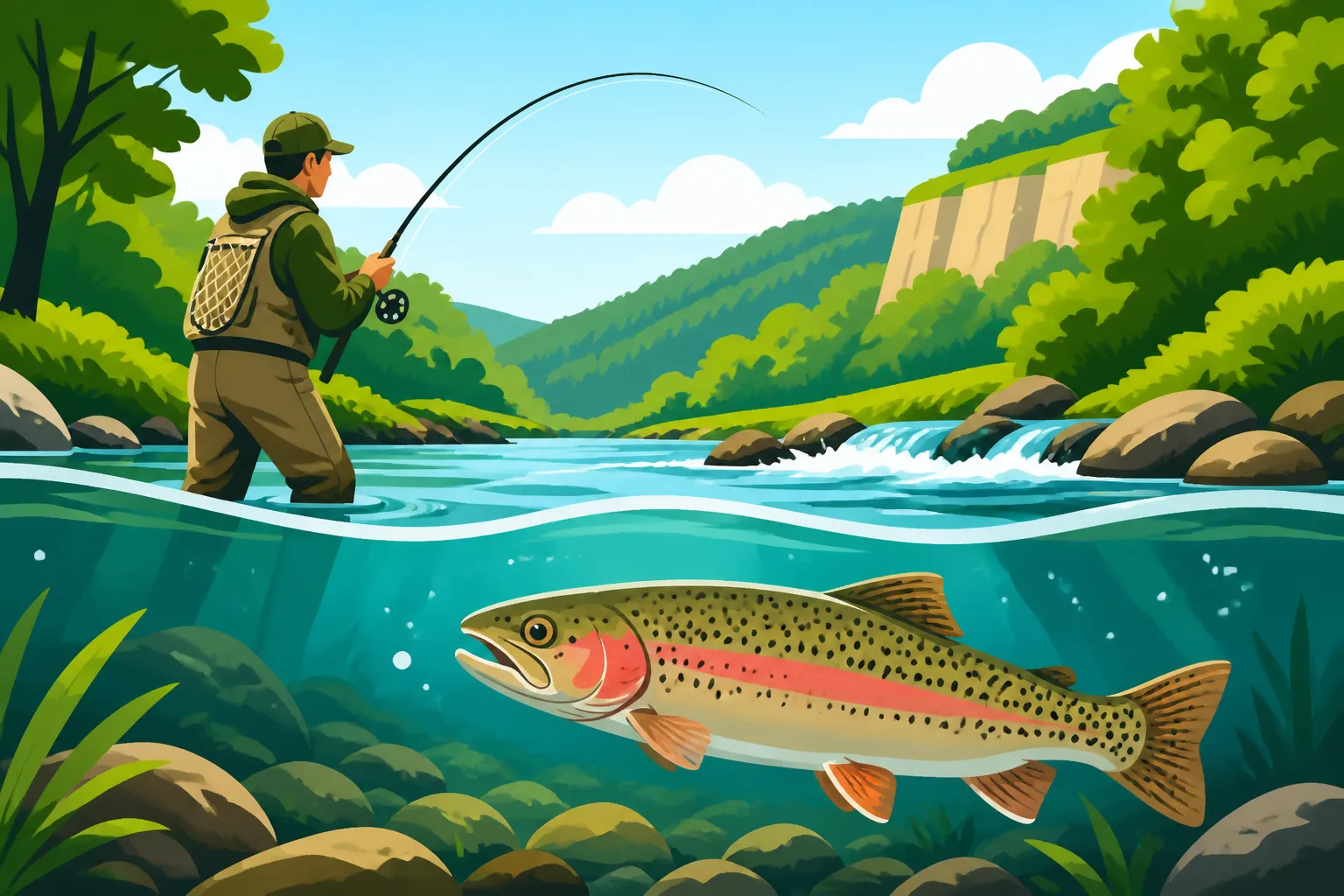
Within these spring-fed systems, you'll find an incredible diversity of habitats that appeal to trout at different stages of their life cycle and throughout the seasons. From fast-flowing riffles tumbling over gravel beds to deep, slow-moving pools shaded by overhanging trees, and intricate undercut banks that offer perfect hiding spots, these streams have it all. These diverse microhabitats are what make trout fishing in the Driftless Area so dynamic and challenging, yet incredibly rewarding. Understanding these varied environments is key to successful angling; a trout holding in a swift current will require a different approach than one lurking in a quiet eddy. You might find rainbow trout darting through faster water, while brown trout often prefer the cover of deep pools and rocky structures. This variety means you'll need a range of techniques and a keen eye to spot where the fish might be holding.
Understanding Iowa's Trout Management
Iowa's trout fishery doesn't just happen by accident. The Iowa Department of Natural Resources (DNR) plays a vital role in maintaining and enhancing these precious resources through careful management strategies, including an extensive stocking program and conservation efforts focused on wild trout populations. Anglers need to understand these efforts to fully appreciate the resource and fish responsibly.
Iowa DNR's Stocking Program
For many anglers, the Iowa DNR's trout stocking program is the backbone of their fishing experience. The DNR raises thousands of trout—primarily rainbow trout, but also some brown and brook trout—at hatcheries like Manchester and Decorah. These fish are then released into dozens of designated trout streams across the Driftless Area, often on a regular schedule, especially during the spring and fall. This ensures that even streams with limited natural reproduction can offer excellent fishing opportunities. Knowing the stocking schedule can significantly increase your chances of success, as newly stocked fish are often eager to bite. You can usually find the most up-to-date stocking information on the Iowa DNR website. These efforts are a testament to the dedication to providing accessible trout fishing for everyone. For more details on the logistics, check out the Iowa Spring Trout Stocking Strategy or Iowa Fall Trout Stocking Strategy.
Wild Trout Waters and Their Significance
While stocking is important, the true gems of Iowa's trout fishing are its wild trout waters. These are streams where brown trout, and in some rare cases, even native brook trout, reproduce naturally without human intervention. These wild populations are a sign of truly healthy ecosystems and offer a different kind of angling challenge. Wild trout are often warier, more sensitive to presentation, and typically smaller than their hatchery-raised counterparts, but catching one is an incredibly rewarding experience. The DNR actively manages these streams to protect their delicate ecosystems, often imposing special regulations like catch-and-release only or artificial lures only to ensure these populations thrive. Protecting these wild trout streams is paramount for the long-term health of Iowa's cold-water fisheries.
Catch-and-Release vs. Harvest Opportunities
Iowa's trout streams offer a mix of opportunities, catering to both anglers who prefer to take fish home for the table and those who practice strict catch-and-release. Most stocked streams allow for a generous daily bag limit, providing ample opportunity to harvest fish. This is particularly popular during peak stocking seasons when fish are abundant. However, on many wild trout waters, or sections of streams managed for quality, specific regulations will require catch-and-release. Understanding these differences and adhering to the rules is crucial. Always check the current Iowa Fishing Regulations Explained for the specific stream you plan to fish, as regulations can vary significantly from one section to another. Making the conscious choice to release fish, especially larger wild trout, helps ensure future generations can enjoy these remarkable fisheries.
Top Trout Streams to Explore in Northeast Iowa
Northeast Iowa boasts an impressive network of trout streams, each with its own character and charm. While the Iowa DNR manages over 100 miles of public trout stream, some locations consistently stand out for their beauty, fish populations, and access. When planning your trip, consider these prime destinations, many of which can be found in Allamakee, Winneshiek, and Clayton counties.
Paint Creek and Its Tributaries (Allamakee County)
Located near Harpers Ferry, Paint Creek is a perennial favorite among Iowa trout anglers, and for good reason. This system offers extensive public access and a variety of water types, from wider, more open stretches to tighter, brush-lined sections. The main stem of Paint Creek is regularly stocked with rainbow and brown trout, providing excellent opportunities for harvest. However, its numerous tributaries, like Little Paint Creek and Trout Run, are often managed as wild trout waters, harboring self-sustaining populations of brown trout. These smaller streams can be a bit more challenging to navigate due to dense vegetation, but the reward of a wild Iowa brown trout is well worth the effort. The scenery alone, with its towering bluffs and dense forests, makes a day on Paint Creek a memorable experience. It’s a great spot for both beginners and experienced anglers looking for diverse fishing.
North Bear Creek (Winneshiek County)
Just a stone's throw from Decorah, North Bear Creek is another crown jewel of Iowa trout fishing. This stream is particularly renowned for its robust wild brown trout population, making it a prime destination for fly anglers seeking a challenge. The DNR has implemented significant habitat improvements here, including rock structures and bank stabilization, which have further enhanced the stream's ability to support these native fish. The clear, cold waters of North Bear require a stealthy approach and precise presentations, especially when targeting larger, wary browns. While it can be pressured, the abundance of fish and the beauty of the stream make it a must-visit. You’ll find sections that are artificial lure/fly only, so always double-check the signs and regulations. Many consider this stream a testing ground for their trout fishing techniques.
Bloody Run Creek (Clayton County)
Near Marquette, Bloody Run Creek offers a spectacular fishing experience in a truly picturesque setting. This is one of Iowa's premier trout streams, well-known for both stocked rainbows and a healthy population of wild brown trout. The creek flows through a deep, forested valley, providing ample shade and maintaining consistent cold temperatures. Access points are generally good, with trails running alongside significant stretches of the stream. Bloody Run's varied structure, including swift riffles, deep pools, and plentiful undercut banks, provides excellent habitat for trout. It's a stream that rewards anglers who are willing to move and explore different sections. The dramatic limestone cliffs lining the valley add to the overall appeal, making it a favorite for many. For those interested in exploring more of Iowa's fishing spots, a guide to Best Fishing Spots in Iowa would be helpful.
South Pine Creek (Winneshiek County)
Another gem near Decorah, South Pine Creek offers a more intimate angling experience. This stream is often praised for its beautiful scenery and consistent fishing. While it receives regular stockings, it also holds a respectable population of wild brown trout, particularly in its upper reaches. The creek winds through agricultural lands and wooded areas, providing a mix of open and sheltered fishing spots. It’s a stream where careful wading and a thoughtful approach to presentation can yield excellent results. South Pine Creek is a fantastic option for those looking to escape some of the larger crowds that can sometimes gather on more famous streams. It's a great place to hone your stream craft and enjoy the tranquil beauty of the Driftless Area.
Waterloo Creek (Allamakee County)
Flowing through the rugged landscape of Allamakee County, Waterloo Creek is another excellent option for trout enthusiasts. This stream is regularly stocked and provides reliable action for rainbow and brown trout. Similar to Paint Creek, it offers diverse habitat, from relatively open runs to tighter, more challenging sections with overhanging vegetation. Anglers who are comfortable with light tackle and stealthy presentations will find success here. The stream is part of a larger wildlife management area, ensuring good public access and a commitment to habitat preservation. It’s a rewarding stream for those who enjoy exploring and finding new pockets where trout might be hiding.
Bonus: Smaller, Hidden Gems
Beyond these well-known streams, Northeast Iowa is dotted with countless smaller creeks and tributaries, many of which also hold trout. Streams like French Creek, Joy Springs, Ensign Creek, and sections of the Little Turkey River often offer delightful solitude and surprisingly good fishing for both stocked and wild fish. While access might be more limited or require a bit of bushwhacking, these smaller streams can provide an incredibly peaceful and rewarding experience. They are perfect for anglers looking to explore beyond the mainstays and discover their own hidden honey holes. Often, these smaller streams are less pressured, and the fish might be a little less wary.
Gear Up for Success on Iowa Trout Streams
Embarking on a trout fishing adventure in Northeast Iowa requires more than just a rod and reel. The right gear can make all the difference between a frustrating day and a memorable one. From the basic angling tools to personal comfort and safety items, being properly equipped is paramount.
Rods, Reels, and Line Choices
For trout fishing in Iowa's smaller streams, lighter tackle is generally the name of the game. A light-action spinning rod between 5'6" and 6'6" paired with a small spinning reel (size 1000 or 2000) spooled with 4-6 pound test monofilament or fluorocarbon line is often ideal. This setup provides the sensitivity needed to detect subtle bites and the finesse to cast smaller lures or baits accurately. For fly anglers, a 7'6" to 9' fly rod in a 3 or 4-weight is perfect for these intimate streams. This lighter rod allows for delicate presentations and handles smaller flies with ease. Match it with a corresponding fly reel and a weight-forward floating line. When it comes to line, a good quality monofilament or fluorocarbon for spin fishing offers low visibility and good knot strength. Braided line can be used, but it's often overkill and can be harder to manage with very light lures; if you do use braid, a fluorocarbon leader is a must. For more in-depth advice, check out the Best Rod and Reel Guide for Iowa Anglers.
Essential Lures, Baits, and Flies
The choice of what to tie on your line can vary greatly depending on the season, water conditions, and whether you're targeting stocked or wild fish.
- For Spin Fishing: Small inline spinners (like Rooster Tails or Mepps Aglias) in sizes #0 to #2 are deadly effective. Their flash and vibration mimic natural prey and are irresistible to trout. Small crankbaits or jerkbaits, especially those imitating minnows, can also work well in deeper pools. Soft plastics, such as small grub tails or trout worms rigged on a light jig head (1/32 to 1/8 oz), are incredibly versatile and often excel when trout are finicky. Natural baits like nightcrawlers, redworms, or even corn kernels are often highly effective for recently stocked trout. Always remember to pinch off any unused portion of a nightcrawler to match the size of a natural worm.
- For Fly Fishing: A diverse fly box is crucial. Nymphs are often the most productive, mimicking aquatic insects that trout feed on subsurface. Patterns like the Pheasant Tail, Hare's Ear, Prince Nymph, and Squirmy Wormy in sizes #12-18 are essential. When trout are rising to feed on insects on the surface, dry flies like Elk Hair Caddis, Adams, or Parachute Adams in similar sizes will be your go-to. Don't forget streamers (e.g., Woolly Bugger) for targeting larger, aggressive trout, especially brown trout. For dedicated fly fishers, exploring Fly Fishing for Trout in Iowa Streams and Nymphing Techniques for Iowa Trout Streams will provide invaluable insights.
Waders, Boots, and Safety Essentials
To truly explore Iowa's trout streams, you'll need to get in the water. Waders are indispensable for staying dry and warm, especially in the cold spring water. Chest waders offer the most versatility, allowing you to venture into deeper sections. Paired with sturdy wading boots that provide good ankle support and grip on slippery rocks, you'll be able to navigate the streams safely and comfortably. Felt soles or rubber soles with studs offer superior traction. Don't skimp on this gear; a fall in cold water can quickly turn a fun day into a miserable one. For safety, always consider a wading staff for stability, especially in unfamiliar or swift currents. A PFD (personal flotation device) is also a wise choice, particularly if you're fishing larger, faster stretches of river or on any deeper water. Other essentials include polarized sunglasses to spot fish and protect your eyes, a small first-aid kit, and plenty of water. For further guidance on stream access and protection, consult Do You Need Waders for Iowa Trout Streams?.
Mastering Techniques for Northeast Iowa Trout
Catching trout in the Driftless Area requires more than just casting a line; it demands a nuanced understanding of various techniques and the ability to read the water. Whether you prefer the delicate art of fly fishing or the straightforward approach of spin fishing, honing your skills will significantly improve your success rate.
Effective Fly Fishing Strategies
Fly fishing for trout in Iowa is a deeply rewarding experience, often requiring a blend of stealth, precision, and understanding of insect life.
- Nymphing: This is arguably the most productive fly fishing technique for Iowa trout streams, as trout feed primarily subsurface. You'll be imitating larval and nymphal stages of aquatic insects drifting along the streambed. A typical nymphing rig involves a strike indicator (a small bobber-like device) to detect subtle bites, one or two weighted nymphs, and possibly a small split shot to get your flies down to the fish's feeding zone. The key is to achieve a "dead drift," where your flies move at the same speed as the natural current, free from drag. This often means casting upstream and mending your line to keep it from pulling your flies unnaturally.
- Dry Fly Fishing: There's nothing quite as exhilarating as seeing a trout rise and sip your perfectly presented dry fly from the surface. This technique is most effective when trout are actively feeding on adult insects hatching or falling onto the water. Matching the hatch—using a fly that closely resembles the size, shape, and color of the natural insects currently present—is critical. Proper casting to avoid spooking fish and a delicate landing of the fly are essential for success.
- Streamer Fishing: For targeting larger, more aggressive trout, especially brown trout, streamers can be incredibly effective. These flies imitate baitfish or larger aquatic creatures. Cast them across or slightly upstream, and retrieve them with various strips and pauses to give them a lifelike action. This can often provoke an aggressive territorial strike from bigger fish lurking in deeper pools or under undercut banks.
Spin Fishing for Trout
Spin fishing is an accessible and highly effective method for catching trout in Iowa, especially for beginners or when conditions don't favor fly fishing.
- Casting and Retrieval: The most common approach involves casting small inline spinners or spoons upstream or across the current, allowing them to sink briefly, and then retrieving them at a steady pace that allows the blade to spin or the spoon to wobble enticingly. Experiment with retrieval speeds—sometimes a slower retrieve is better, other times a faster one can trigger a strike.
- Jigging and Drifting Baits: Small jig heads (1/32 to 1/8 oz) tipped with soft plastics (grubs, worms) or natural baits (wax worms, mealworms, corn) can be drifted naturally along the bottom. Cast upstream and let the current carry your bait downstream, just like a natural food source. Pay close attention to your line, watching for any hesitation or subtle tug that indicates a bite. A small bobber or float can help suspend your bait at the right depth and signal strikes more easily. This is particularly effective for stocked trout who are often looking for an easy meal.
- Targeting Structure: Regardless of your chosen bait or lure, always aim your casts towards likely holding water: behind rocks, in the slower water of eddies, under undercut banks, fallen logs, or near any noticeable change in current speed or depth. Trout use these features for cover and to conserve energy while waiting for food to drift by.
Reading the Water and Locating Fish
No matter your technique, the ability to "read the water" is perhaps the most important skill for trout fishing. Trout are creatures of habit and efficiency, always seeking out spots that offer food, cover, and comfortable water temperatures while expending minimal energy.
- Riffles and Runs: These faster, shallower sections are where oxygen levels are highest, and food (insects, nymphs) is actively being swept downstream. Trout will often position themselves just out of the main current, in seams or behind rocks, waiting for food.
- Pools: Deeper, slower-moving sections offer resting areas and cover from predators. Larger trout often hold in the deepest parts of pools or under log jams and undercut banks. These are prime spots for presenting nymphs or streamers.
- Undercut Banks and Overhanging Vegetation: These features provide excellent overhead cover from predators and shade from the sun. Trout will often tuck themselves tightly against or under these banks. Presenting a lure or fly close to these areas can elicit aggressive strikes.
- Pocket Water: This refers to small pockets of calmer water behind boulders or other obstructions in faster currents. These are prime lies for trout, offering a break from the current while still being close to the food delivery system.
By actively observing the stream and identifying these key features, you can make more educated guesses about where trout are likely to be holding, significantly increasing your chances of success. Understanding the Trout Fishing Techniques for Iowa Streams can dramatically improve your outing.
Navigating Regulations and Seasons
Understanding and adhering to Iowa's fishing regulations is not just about avoiding a fine; it's about respecting the resource and ensuring sustainable fishing for everyone. The Iowa DNR has specific rules for trout fishing, which can vary by stream and season.
Licenses and the Essential Trout Fee
Before you even think about casting a line, you need the proper documentation. Anyone 16 years of age or older must possess a valid Iowa Fishing License Guide. This applies to both residents and non-residents. But for trout fishing, there's an additional, crucial requirement: the Iowa Trout Fee. This annual fee, often referred to as a "trout stamp," is mandatory for anyone actively fishing for or possessing trout. The funds generated from this fee directly support the DNR's trout management programs, including stocking, habitat improvements, and hatchery operations. It’s a vital contribution to keeping these fisheries thriving. You can purchase both your fishing license and the trout fee online through the Go Outdoors Iowa system, at authorized vendors, or directly from the DNR. You can learn more about the specific costs in the Iowa Trout Fishing Fee and Stamp Guide.
Daily Bag Limits and Size Restrictions
Iowa has specific daily bag and possession limits for trout, which are designed to manage fish populations and prevent overharvest. Generally, for most stocked streams, the daily bag limit for trout is five, with a possession limit of ten. However, these numbers can change, and more importantly, special regulations often apply to specific streams or sections of streams, especially those managed for wild trout. For example, some streams might have a reduced bag limit, a higher minimum length limit, or even be designated as catch-and-release only. It's critical to check the current Iowa Fishing Regulations booklet or the DNR website before each trip to confirm the specific rules for the water you intend to fish. These details are often posted at access points along the streams themselves. Ignoring these specifics can lead to fines and harm the fishery.
Special Regulations on Designated Waters
Beyond general limits, certain designated trout waters in Northeast Iowa have even stricter regulations aimed at protecting fragile wild trout populations or enhancing the quality of the fishing experience. These "special regulation" waters might include:
- Artificial Lures Only: This means no live bait (worms, minnows, corn, etc.) is allowed. Only artificial flies, spinners, spoons, or soft plastics are permitted. This helps reduce mortality rates from deep hooking.
- Catch and Release Only: All trout caught must be immediately and carefully released back into the water. This is common on wild trout streams where reproduction is crucial.
- Restricted Gear: Sometimes, restrictions on the number of hooks or the use of barbed hooks (requiring barbless hooks) are in place to minimize harm to fish.
- Specific Size Limits: Some streams may have a minimum or maximum length limit for keeping trout, or a slot limit where only fish within a certain size range can be harvested.
These special regulations are often clearly marked at stream access points. It is your responsibility as an angler to be aware of and abide by these rules. The Trout Stream Regulations in Northeast Iowa provides more detailed information on these specific water bodies and their unique rules. Always assume special regulations might be in effect on any wild trout stream, and verify before you cast.
Best Times to Visit and Local Tips
Timing can be everything when it comes to trout fishing in Northeast Iowa. The changing seasons bring different conditions, challenges, and opportunities. Knowing when to go and tapping into local knowledge can significantly improve your chances of success.
Spring Thaw and Active Bites
Spring is arguably the most popular and often most productive time for trout fishing in Northeast Iowa. As the snow melts and water temperatures begin to rise (but remain cold), trout become incredibly active, feeding aggressively after a long winter. The Iowa DNR typically begins its heaviest stocking schedules in early spring, often from March through May, meaning there are plenty of eager fish available. Anglers can expect excellent action with both artificial lures and natural baits. However, spring also brings potential challenges like high water levels and murky conditions from snowmelt or heavy rains. After a significant rain, give the streams a day or two to clear before heading out. This period is fantastic for targeting recently stocked fish that haven't yet become wary.
Summer Strategies and Cooler Waters
Summer fishing in Iowa’s trout streams requires a more strategic approach. As air temperatures climb, even the spring-fed creeks can warm up, especially in their lower reaches or during prolonged heatwaves. The key to summer success is to focus on the coldest sections of the streams, typically those with the most active springs, heavy shade, or deeper pools. Early mornings and late evenings are often the most productive times, as water temperatures are at their coolest. Terrestrial insects (grasshoppers, ants, beetles) become a significant food source during the summer, so incorporating fly patterns or lures that imitate these can be very effective. This is also a fantastic time to explore the smaller, more secluded tributaries where wild trout might be holding in cooler pockets. Be mindful of stream temperatures; if the water feels warm to the touch (above 68°F), consider calling it a day to avoid stressing the fish.
Fall Colors and Feeding Frenzies
Fall is a truly magical time to fish for trout in Northeast Iowa. The vibrant autumn foliage provides a stunning backdrop, and the cooling water temperatures signal a pre-winter feeding frenzy for trout. The DNR often conducts additional stockings in the fall, replenishing fish populations. Wild brown trout, in particular, become very active as they prepare for their spawning season. They can be incredibly aggressive, responding well to streamers and larger nymphs. The cooler, stable water conditions typically mean clearer water, which requires a stealthier approach but also allows for more visual fishing. Dry fly fishing can still be excellent on warmer fall days, especially during midday hatches. It's a prime season for both numbers of fish and the chance at a larger trophy trout.
Finding Local Expertise or Guides
While this guide provides a solid foundation, there's no substitute for local knowledge. If you're new to the area or looking to fast-track your learning, consider connecting with local bait shops, fly shops, or experienced fishing guides. These individuals often have up-to-the-minute information on stream conditions, recent hatches, and the most productive spots.
Many professional fishing guides operate in the Northeast Iowa Driftless Area, offering trips that cater to all skill levels. They can teach you specific techniques, help you navigate unfamiliar waters, and often provide all the necessary gear. Services like FishingBooker can be an excellent resource for finding and booking reputable local guides who specialize in Iowa trout fishing. A guided trip can be an invaluable investment, transforming your learning curve and significantly increasing your enjoyment and success on the water. Don't be afraid to ask for advice; most local anglers and shop owners are passionate about their sport and happy to share insights.
Conservation and Ethics on Iowa Trout Waters
As anglers, we are not just users of the resource; we are its stewards. Practicing responsible angling and adhering to ethical principles is crucial for preserving the delicate ecosystems of Northeast Iowa's trout streams and ensuring future generations can enjoy them.
Practicing Catch and Release Properly
On many of Iowa’s trout streams, especially those managed for wild trout or trophy potential, catch-and-release is either mandatory or highly encouraged. When releasing fish, minimize handling and follow these best practices:
- Handle with Care: Keep the fish in the water as much as possible. If you must lift it, do so gently with wet hands. Avoid squeezing the fish or touching its gills.
- Remove Hooks Quickly: Use forceps or needle-nose pliers to remove the hook promptly. If the fish is deep-hooked and you can't remove it easily, snip the line as close to the hook as possible; the hook will often rust out over time. Consider using barbless hooks, which make release much easier and less damaging.
- Revive the Fish: Hold the fish gently in the current, facing upstream, until it regains its strength and can swim away on its own. Don't simply toss it back; ensure it's vigorous before releasing.
- Minimize Photo Time: If taking a photo, do so quickly with the fish partly submerged, and get it back in the water as fast as possible.
These practices significantly increase the survival rate of released fish, contributing to healthier trout populations.
Protecting Stream Banks and Aquatic Life
The riparian zones (areas along the stream banks) are incredibly fragile and vital to the health of the stream. They provide shade, prevent erosion, filter runoff, and offer habitat for insects that eventually become trout food.
- Stay on Designated Trails: Where available, use established paths to access the stream. This minimizes erosion and trampling of sensitive vegetation.
- Wade Responsibly: Avoid unnecessary wading through shallow spawning beds (redd) or disturbing stream bottom habitat more than necessary. Be mindful of aquatic insects and their larvae on the streambed.
- Leave No Trace: Pack out everything you pack in, including fishing line, bait containers, and any other trash. Do not leave behind broken gear or discarded leader material.
- Protect Against Invasive Species: Before moving between different watersheds or even different streams, clean your wading boots and gear to prevent the spread of invasive species like rusty crayfish or zebra mussels.
Respecting Private Property and Other Anglers
A significant portion of Iowa's trout streams flows through private land. While the DNR often secures easements for public fishing access, it's crucial to understand and respect property boundaries.
- Know Your Access Points: Always verify that you are on public land or within a designated public fishing easement. The Iowa DNR often provides maps (like the Iowa Fishing Atlas Access Points) showing public access areas.
- Stay Within Easements: If you are on an easement, do not venture onto adjacent private land without explicit permission from the landowner.
- Be Considerate of Landowners: Park in designated areas, close gates, and avoid disturbing livestock or crops. A good relationship with landowners is vital for continued public access.
- Practice Angler Etiquette: Give other anglers ample space. If you encounter someone fishing, either choose a different spot or ask politely if you can fish nearby. Don't crowd others or disturb their fishing by wading too close or casting over their lines.
- Keep Noise Levels Down: Enjoy the tranquility of nature and avoid loud noises that could disturb wildlife or other anglers.
By following these conservation and ethical guidelines, we can ensure that Northeast Iowa’s beautiful trout streams remain healthy, productive, and enjoyable for generations of anglers to come.
| Stream Feature | Description | Trout Preference | Best Technique Suggestion |
|---|---|---|---|
| Riffles/Runs | Fast, shallow water flowing over rocks; highly oxygenated. | Actively feeding, often holding in seams or behind rocks. | Nymphing (dead drift), small inline spinners. |
| Deep Pools | Slower, deeper sections, often with undercut banks or structure. | Resting, seeking cover, larger fish often here. | Nymphing (deeper), streamers, bait (spin fishing). |
| Undercut Banks | Banks eroded by current, creating overhangs; excellent cover. | Prime holding lies for wary trout. | Precise casts with nymphs or small lures, stealth is key. |
| Pocket Water | Small, calm pockets behind boulders in swift current. | Resting, waiting for food in slower current. | Short, accurate casts with nymphs or small spinners. |
| Overhanging Brush | Vegetation extending over the water, providing shade and bug habitat. | Cover from predators, ambush point for falling insects. | Dry flies (terrestrials), precise casts with small lures. |
| Log Jams/Fallen Trees | Significant structure offering cover and current breaks. | Great cover, often hold multiple fish. | Nymphs, streamers, or bait presented carefully around structure. |
Disclaimer
Fishing regulations and conditions in Iowa can change. Always consult the latest Iowa Department of Natural Resources (DNR) fishing regulations pamphlet or website before heading out to ensure you have the most up-to-date information regarding licenses, fees, limits, and special stream rules. This guide is for informational purposes only and should not be considered a substitute for official DNR publications.