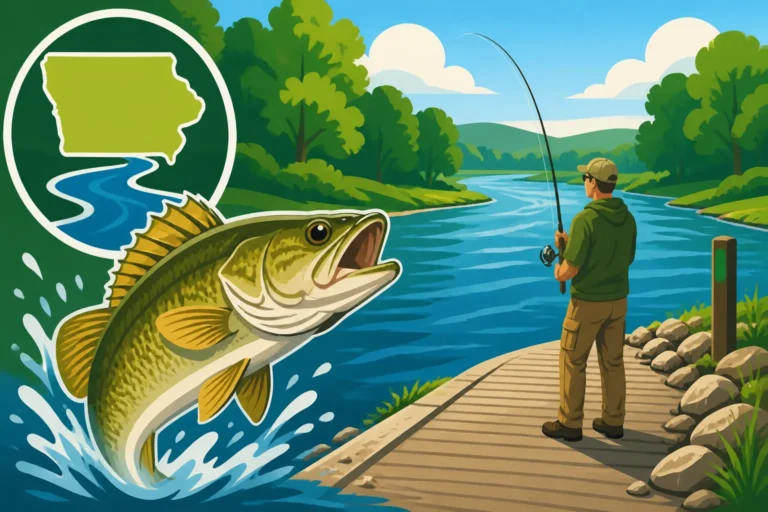
Fishing Rathbun Lake in Iowa
Iowa's Rathbun Lake, often affectionately called the "Crappie Capital of Iowa," presents a fantastic yet sometimes daunting challenge for anglers. Its vast expanse and diverse underwater structure can leave you wondering where to even begin your quest for a good bite. This comprehensive guide is designed to cut through that confusion, offering you an in-depth look at Rathbun's prime fishing opportunities, from its abundant crappie and walleye to its thriving catfish and bass populations, ensuring your next trip to this southern Iowa gem is as productive as it is enjoyable.
Understanding Rathbun Lake's Unique Character
Rathbun Lake isn't just another body of water; it's a dynamic ecosystem that offers a diverse fishing experience. Nestled in Appanoose, Lucas, Monroe, and Wayne counties, this massive reservoir stands out in Iowa's landscape.
A Deep Dive into Rathbun's Geography and Structure
Rathbun Lake is Iowa's largest lake by surface area, covering a staggering 11,000 acres, with a sprawling shoreline of 155 miles. Knowing How Big Rathbun Lake Is can help you understand the scale of your fishing adventure. It was impounded in 1969 by the U.S. Army Corps of Engineers for flood control, water supply, and recreation. This history means it has a complex and varied underwater topography, which is a goldmine for fish habitat.
The lake is relatively shallow in many areas, with an average depth of around 15 feet, but it plunges to more than 40 feet in its deepest sections near the dam and in old river channels. The Chariton River and its tributaries feed into Rathbun, creating distinct riverine sections that transition into open main lake basins. You'll find a mix of submerged timber, rock piles, brush piles, old roadbeds, and vast flats, all of which provide crucial cover and feeding grounds for different species. The numerous coves and points, especially in the larger southern and western arms of the lake, offer sheltered areas that can be critical during adverse weather or strong winds.
Understanding these features is key to unlocking Rathbun's secrets. For instance, the standing timber in certain arms of the lake creates vertical habitat perfect for crappie, while the rocky points and main lake humps appeal to walleye. The softer, muddier bottoms of the shallower coves are ideal for catfish, particularly during warmer months. The sheer variety means that while one area might be slow, a quick move to a different type of structure could put you right on the fish.
Key Fish Species That Thrive Here
Rathbun Lake is renowned for its diverse fishery, hosting a wide array of species that draw anglers from across the Midwest. While it holds the title of "Crappie Capital," it certainly isn't a one-trick pony. The lake's abundant forage base, primarily gizzard shad, supports a healthy population of predatory fish.
Crappie are undeniably the stars of Rathbun. Both black and white crappie thrive here, growing to impressive sizes and numbers. Anglers regularly pull in limits of slab crappie, especially during the spring and fall. The lake's extensive submerged timber and brush piles provide ideal habitat for these popular panfish.
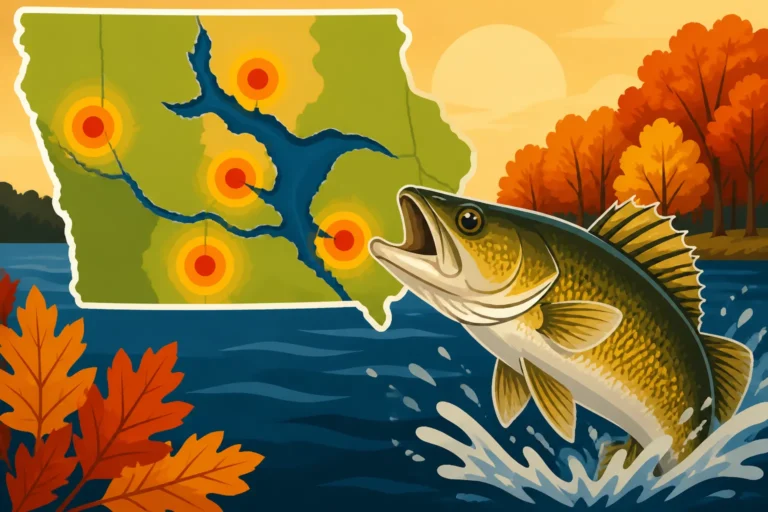
Walleye are another major draw, offering a challenging yet rewarding pursuit. Rathbun Lake produces quality walleye, with many anglers reporting fish in the 18-24 inch range and bigger trophy specimens not uncommon. These elusive predators prefer the lake's deeper, clearer waters and rocky structures. Catfish, including channel catfish and flathead catfish, are also abundant, especially in the more nutrient-rich upper arms and river channels. They offer a powerful fight and are a fantastic target for bank anglers and boaters alike. Largemouth bass are widely distributed, inhabiting the shallower, timber-filled coves and shoreline cover, while smallmouth bass are present but less common, often found near rocky areas. Beyond these primary targets, you can also find healthy populations of white bass, bluegill, and even some elusive muskie, making Rathbun a true multi-species destination.
Mastering Crappie Fishing at Rathbun Lake
If you're heading to Rathbun, chances are crappie are on your mind. This lake consistently produces some of the best crappie fishing in Iowa, and understanding their seasonal movements and preferred techniques will drastically improve your success.
Seasonal Crappie Hotspots and Patterns
Crappie fishing at Rathbun Lake is a year-round affair, but understanding where these speckled beauties are and what they're doing changes with the seasons. Spring is arguably the most popular time, as crappie move into the shallows to spawn. Look for them in less than 5 feet of water in protected coves, around submerged brush, timber, and even standing dead trees. Areas like the upper Chariton River arm, Honey Creek State Park, and Brushy Creek offer excellent opportunities. Specific spots identified as Rathbun Lake Crappie Hotspots become prime real estate during this period. Small jigs, minnows under a bobber, or slow-trolling small crankbaits are highly effective as they prepare for and engage in spawning activities.
As summer progresses, the crappie retreat to deeper, cooler waters. They often suspend over creek channels, along main lake points, or within significant submerged timber stands in 10-20 feet of water. This is when a good fish finder becomes invaluable for locating schools. Many anglers turn to spider rigging, where multiple rods are deployed from the front of the boat, presenting baits at various depths. Night fishing under lights can also be incredibly productive, as crappie are attracted to the light, which also draws in baitfish. They’ll congregate around bridges or deeper dock lights.
Fall sees crappie transitioning back towards shallower areas as water temperatures cool and they feed aggressively to prepare for winter. They'll often school up in large numbers, following baitfish into coves and along points. This can be a fantastic time for both casting small jigs and slow-trolling. Finding bait schools on your electronics is often the key to locating feeding crappie. As winter sets in, ice fishing for crappie becomes popular when safe ice forms. They'll generally hold in deeper creek channels or around significant submerged structure, often relating to the thermocline if present. Vertical jigging small spoons or plastics tipped with a minnow is the go-to technique.
Essential Crappie Techniques and Baits
Successful crappie fishing at Rathbun Lake involves a blend of proven techniques and a bit of adaptability. The most common and often effective method is jigging. Small plastic grubs, tubes, or curly-tail jigs in colors like chartreuse, white, or black-and-chartreuse are perennial favorites. Tipping these jigs with a live minnow can be a deadly combination, especially when the bite is slow.
Spider rigging is a highly efficient tactic for covering water and presenting multiple baits at different depths, particularly effective during summer and fall when crappie are scattered or suspended. This involves spreading out 6-10 long rods from the front of your boat, each rigged with a minnow or small jig, and slowly trolling or drifting. When crappie are relating to dense brush piles or standing timber, vertical jigging directly over the structure is key. Using your electronics to pinpoint these underwater brush piles, then dropping a small jig or minnow straight down, can be incredibly productive. For anglers targeting shallow spawning crappie in spring, a simple slip bobber setup with a small jig or minnow is hard to beat, allowing for precise depth control in cover. Remember to adjust your retrieve speed and depth until you find what the crappie are responding to on any given day.
Unlocking Rathbun's Walleye Potential
While crappie might steal the spotlight, Rathbun Lake is a legitimate walleye fishery that offers rewarding angling experiences for those willing to learn its nuances. These highly sought-after game fish present a fun challenge, and Rathbun can produce some real giants.
Prime Walleye Locations and Seasonal Movements
Walleye at Rathbun Lake are opportunistic predators that follow specific seasonal patterns, making timing and location crucial. In spring, as water temperatures rise into the 40s and 50s, walleye migrate to rocky shorelines, points, and the riprap near the dam for their spawning run. This period, often in late March through April, can be excellent for shore anglers and boaters alike. Focus on the main lake points and the dam area where current or wave action keeps the water oxygenated. Specific intel on Rathbun Lake Walleye Fishing can highlight areas known for spring concentrations.
As summer sets in and water temperatures climb, walleye move deeper, seeking cooler, oxygen-rich water. They’ll often suspend over open water or relate to main lake humps, submerged islands, and the deeper edges of creek channels, particularly where there’s hard bottom or scattered rock. Night fishing can be particularly effective during the summer months, as walleye move shallower to feed under the cover of darkness. Key locations include the main lake basin, especially towards the central and eastern parts of the lake.
Fall sees walleye becoming more active and aggressive as they feed heavily in preparation for winter. They often move back into shallower areas along main lake points, flats, and around baitfish schools. Trolling crankbaits along these structures can be very effective. As safe ice forms in winter, walleye can be found in deeper breaks, old creek channels, and sometimes suspended over main lake basins. Ice fishing for walleye typically involves jigging spoons or lipless crankbaits tipped with a minnow head.
Top Walleye Baits and Presentations
When it comes to tempting Rathbun's walleye, versatility in your bait and presentation is a huge asset. Live bait, especially minnows and nightcrawlers, are perennial favorites. A classic jig and minnow combination is hard to beat, particularly in spring and fall. Use a 1/8 to 1/4 oz jig, varying the color based on water clarity and light conditions (e.g., bright colors in stained water, natural colors in clear water).
For covering water and targeting suspended fish, trolling crankbaits is highly effective, especially during summer and fall. Brands like Rapala, Berkley, and Bandit offer a wide range of crankbaits that dive to different depths. Match the dive depth to the fish you're marking on your electronics. Using a "crawler harness" — a snelled hook rig with beads and a spinner blade, tipped with a nightcrawler — is another superb trolling or drifting option, particularly over flats and subtle structure. In clearer waters, a slip bobber rig with a live minnow or leeches can be deadly when walleye are relating to specific cover or structure. Experiment with different depths and speeds, always keeping an eye on your fish finder to understand where the walleye are holding in the water column.
Catfish Strategies for Rathbun Lake
Rathbun Lake is a fantastic destination for catfish enthusiasts, offering robust populations of both channel and flathead catfish. These hard-fighting fish provide excellent angling opportunities, whether you're fishing from a boat or the bank.
Best Catfish Spots and Times of Year
Catfish at Rathbun Lake are abundant and can be targeted successfully throughout much of the year, with peak activity during the warmer months. In spring, as water temperatures begin to rise, channel catfish move into shallower, warmer water, often in the upper arms of the lake and muddier coves. The inflow areas of the Chariton River and its tributaries are excellent spots, as they bring in nutrients and warmer water. You can find more specific pointers at Rathbun Lake Catfish Spots. Flatheads, being more solitary, will often be found near deeper wood cover in these riverine sections.
Summer is prime time for Rathbun catfish. Channel catfish will be widespread, often found in deeper holes, along creek channels, and around current breaks, especially during the day. As evening falls, they often move shallower onto flats to feed. Night fishing is exceptionally productive for both channel and flatheads, as they become more active hunters under the cover of darkness. Look for flatheads near substantial timber, rock piles, or undercut banks in the deeper channels. The mid-lake areas and the larger coves can be very good.
As fall approaches, channel catfish continue to feed aggressively, often schooling up. They’ll remain active until water temperatures drop significantly, moving into deeper wintering holes. While not typically targeted through the ice, catfish are still present in deep water during winter, largely dormant but catchable if you know where to find them. The "dead of winter" is often best left for crappie or walleye, but early and late winter can yield some big cats.
Effective Catfish Baits and Rigs
Catfish are less picky eaters than some other species, but certain baits and rigs are consistently more effective at Rathbun. For channel catfish, stink baits, cut bait (shad, carp, perch), chicken liver, and nightcrawlers are highly productive. Many anglers also have success with prepared baits like punch baits. Fresh cut bait, especially from shad caught directly from the lake, often outperforms everything else.
Flathead catfish, on the other hand, have a strong preference for live bait. Live bluegill, shad, or even smaller bullheads are excellent choices, presented near heavy cover where flatheads ambush their prey. For rigging, a simple Carolina rig or a slip sinker rig is ideal. This involves threading an egg sinker onto your main line, then tying on a swivel, followed by a leader (12-24 inches of heavy monofilament or fluorocarbon) and a strong circle hook (sizes 2/0 to 6/0, depending on bait size and target fish). Circle hooks are fantastic for catfish as they typically hook the fish in the corner of the mouth, making for easy release and preventing gut-hooking. For bank fishing, heavy tackle is recommended, as you’ll often be casting substantial weights and baits, and dealing with potentially large, powerful fish. Using sturdy rod holders is a must to prevent your rod from being pulled into the lake.
Pursuing Bass and Other Species
While crappie, walleye, and catfish often dominate the fishing reports from Rathbun Lake, the lake offers fantastic opportunities for bass anglers and a variety of other exciting species. Don't overlook these options to round out your fishing experience.
Largemouth and Smallmouth Bass Tactics
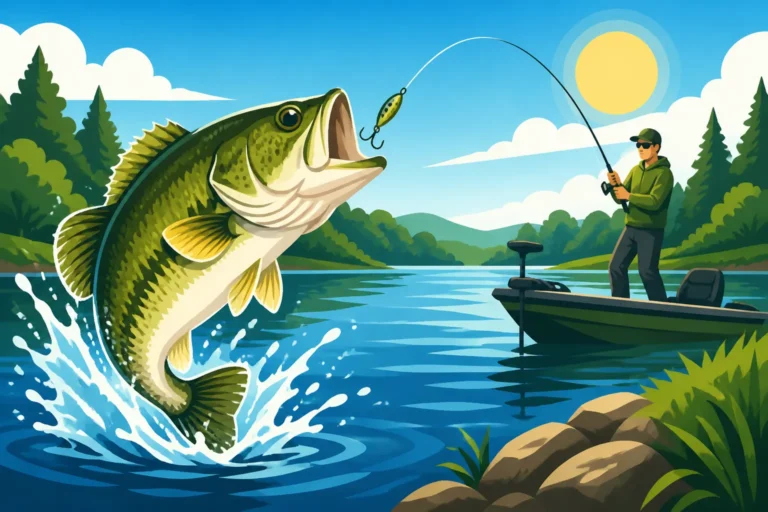
Largemouth bass are widely distributed throughout Rathbun Lake, particularly in the shallower, timber-rich coves and along protected shorelines. Look for them holding tight to submerged wood, brush piles, weed beds (where present), and docks. During spring, pre-spawn and spawning largemouth will be in very shallow water. Topwater frogs, spinnerbaits, and shallow-diving crankbaits work well around emergent cover. As summer progresses, they’ll retreat to deeper cover during the heat of the day, making jigs, Texas-rigged worms, and deep-diving crankbaits effective. Early mornings and evenings often see them move shallower again. Fall is another excellent time, as they feed aggressively, chasing schools of shad.
Smallmouth bass, though less prevalent than largemouth, can be found in Rathbun, especially around rocky points, riprap, and areas with harder bottom. The main lake points and sections closer to the dam are good places to search. They prefer clearer water and rock structure. Techniques for smallmouth often involve small crankbaits, tube jigs, and Ned rigs worked slowly along the bottom. While Rathbun might not be considered a premier smallmouth lake, encountering one of these bronze bombers can be a thrilling surprise, offering a powerful fight on light tackle. Always remember to check current Iowa Fishing Regulations Explained for specific bass size and bag limits.
White Bass, Bluegill, and Muskie Opportunities
Rathbun Lake is also home to several other exciting species that can provide non-stop action. White bass are schooling fish that offer incredible fun, especially during their spring and fall runs. Look for them feeding on baitfish near points, humps, and the dam area. Often, you can spot them by observing active gulls diving on baitfish schools or by seeing them "schooling" on the surface. Small spoons, inline spinners, and jigging plastics are deadly for white bass. When you find a school, the action can be fast and furious!
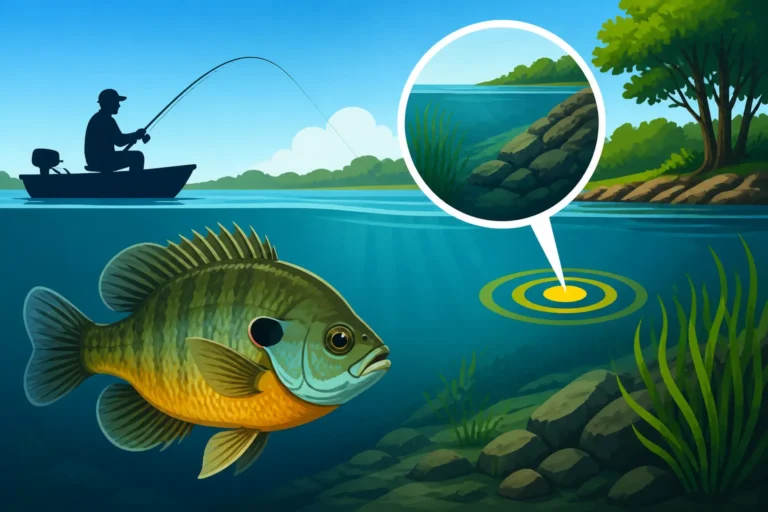
Bluegill, while sometimes overlooked in favor of their larger crappie cousins, are plentiful in Rathbun and are an excellent target for beginners and families. They inhabit shallow areas with weeds, brush, or docks. A simple worm under a bobber or a tiny jig tipped with a piece of crawler or a cricket will usually entice them. These feisty panfish offer consistent action and are delicious table fare. Lastly, for the truly adventurous, Rathbun Lake is stocked with muskie. These elusive "fish of a thousand casts" are a trophy species. While few and far between, muskie can grow to impressive sizes here. Targeting them involves large bucktails, jerkbaits, and soft plastics, often requiring heavy gear and a lot of persistence. Consider these a bonus catch that makes any day on Rathbun memorable.
Practical Tips for a Successful Rathbun Fishing Trip
Planning is key to maximizing your time on such a large and diverse body of water like Rathbun Lake. Knowing where to launch, what gear to bring, and how to stay safe will make your trip far more enjoyable and productive.
Access Points, Ramps, and Facilities
Rathbun Lake boasts numerous public access points and boat ramps, making it relatively easy to get on the water. Major ramps include Bridgeview, Island View, Honey Creek State Park, and Buck Creek. These facilities often have ample parking, restrooms, and sometimes courtesy docks. For a full list of options, including those for shore fishing, consulting an Iowa Fishing Atlas Access Points map can be invaluable. Honey Creek State Park, located on the lake's south side, offers not only a marina and boat ramps but also cabins, a resort, and camping facilities, making it a great base for an extended fishing vacation.
For those planning to stay longer, there are several campgrounds operated by the Army Corps of Engineers and private entities around the lake, such as Island View Campground, Buck Creek Campground, and Sportman's Park. Local bait shops in nearby towns like Centerville or Moravia are excellent resources for local knowledge, current conditions, and essential supplies. They often stock the most effective local baits and tackle. If you're new to the lake or targeting a specific species, considering a guided trip can be a fantastic investment. Local guides offer invaluable expertise on current patterns and hotspots. You can often find reputable guides through platforms like FishingBooker, who specialize in Rathbun Lake's crappie, walleye, and catfish. They provide all the gear and knowledge, making it a stress-free way to learn the lake.
Essential Gear, Electronics, and Safety
Your gear setup will depend heavily on what you're targeting. For crappie and bluegill, light to ultralight spinning gear with 4-6 lb test line is perfect. For walleye, a medium-light to medium power spinning or casting rod with 8-10 lb line is versatile. Catfish require heavier setups, often medium-heavy to heavy power rods with 15-30 lb test monofilament or braided line to handle bigger fish and heavier rigs. Don't forget a quality landing net, especially for larger walleye or catfish.
A good fish finder with GPS and mapping capabilities is almost essential for serious fishing on Rathbun. The lake's vastness and complex underwater structure make electronics invaluable for locating fish, bait balls, and subtle bottom contours. Units from brands like Humminbird or Lowrance with side-imaging or down-imaging can dramatically increase your efficiency. Always bring plenty of water, snacks, sunscreen, and appropriate clothing for changing weather conditions. Given the lake's size, winds can pick up quickly, making conditions choppy. Therefore, having all required boat safety equipment, including life jackets for everyone on board, throwable flotation devices, a fire extinguisher, and proper lighting, is not just good practice but also legally required under Iowa Boat Registration Requirements. Always check the weather forecast before heading out and be prepared to seek shelter if storms approach.
Navigating Rathbun's Fishing Regulations
Staying informed about Iowa's fishing regulations is not just about compliance; it's about preserving the fantastic fishing opportunities that Rathbun Lake offers. Rules can change, so it's always wise to consult the latest guide.
Key Species Limits and Size Restrictions
Iowa has specific daily bag limits and length limits for various fish species, designed to manage fish populations and ensure sustainable angling. At Rathbun Lake, these regulations are particularly important for popular game fish. For crappie, the statewide daily bag limit is generally 25, with no length limit, but always double-check the current Iowa Fishing Daily Bag Limits Guide. Walleye often have a daily bag limit of 5, with a minimum length limit of 15 inches, though specific lakes can have protected slot limits or different minimums.
Catfish regulations are usually more liberal, with generous daily and possession limits for channel catfish, while flathead catfish often have a daily bag limit of 10. Bass also have specific limits; for largemouth and smallmouth, the daily bag limit is typically 5, with a minimum length of 15 inches in public lakes. It's crucial to understand these rules for each species you plan to target. Ignorance of the law is no excuse, and violations can lead to fines and loss of fishing privileges. A quick review of the Iowa DNR's annual fishing regulations booklet before each season is highly recommended.
General Rules and Best Practices
Beyond species-specific limits, there are several general rules and best practices that apply to fishing Rathbun Lake. Firstly, every angler 16 years and older must possess a valid Iowa fishing license. This includes both Iowa residents, who would purchase an Iowa Resident Annual Fishing License, and out-of-state visitors, who need an Iowa Nonresident Annual Fishing License. You can purchase these online, at authorized retailers, or through the GoOutdoors Iowa app, as explained in Where to Buy a Fishing License in Iowa.
Boating safety is paramount. All vessels must adhere to Iowa's boating laws, including proper registration, required safety equipment, and observing no-wake zones. Operating a boat under the influence is strictly prohibited and heavily enforced. Ethical angling practices are also essential; this includes proper handling of fish, especially those intended for release, minimizing disturbance to wildlife, and disposing of all trash responsibly. Many anglers choose to practice catch and release for larger trophy fish, particularly species like muskie, to help sustain their populations. Being a responsible angler ensures that Rathbun Lake remains a premier fishing destination for generations to come.
Maximizing Your Rathbun Lake Experience
A successful fishing trip to Rathbun Lake goes beyond just catching fish; it's about enjoying the entire experience, from choosing the right season to connecting with the local community.
When to Visit for the Best Bite
Timing your visit to Rathbun Lake can significantly impact your fishing success and overall enjoyment. While fishing can be good year-round, certain seasons offer peak opportunities for different species. Spring (April-May) is often considered the "golden age" for crappie, as they move shallow for their spawn, and walleye are active after their spawn. This is also a great time for pre-spawn bass. The milder weather makes for comfortable fishing conditions. If you're wondering Best Time of Year to Fish Rathbun Lake, spring is often at the top of the list for many.
Summer (June-August) brings warm weather and widespread feeding activity. Catfish are at their most active, particularly at night, and white bass can offer incredible schooling action. Walleye will be deeper, requiring different tactics. While daytime can be hot, evening and night fishing can be incredibly rewarding. Fall (September-November) is another fantastic period. As water temperatures cool, fish become highly active, feeding aggressively before winter. Crappie school up, walleye become more accessible, and bass are often found in predictable patterns. The vibrant fall foliage also adds to the beauty of the experience. Winter, with safe ice, offers unique opportunities for ice fishing crappie and walleye, though conditions can be challenging.
Connecting with the Local Fishing Community
One of the best ways to enhance your Rathbun Lake fishing experience is by tapping into the local fishing community. The wealth of knowledge held by long-time locals, bait shop owners, and guides is invaluable. Stop into a local bait shop; they often have the most up-to-date information on what's biting, where, and on what. They're usually happy to share tips and tricks, and you'll support local businesses.
Joining online forums or local fishing groups dedicated to Iowa fishing or Rathbun Lake specifically can also provide a great source of information and camaraderie. Anglers often share their successes, failures, and observations, helping you stay current on conditions. Furthermore, consider booking a trip with a local fishing guide, especially if it's your first time on the lake or you're targeting a challenging species like muskie. Guides, often listed on platforms like FishingBooker, spend countless hours on the water and can quickly put you on fish, teach you effective techniques, and provide insights into the lake's nuances that would take years to learn independently. Their expertise is especially beneficial for maximizing time and understanding complex patterns. Ultimately, embracing the community aspect adds a rich layer to your fishing adventures on Rathbun Lake, one of the truly Best Fishing Spots in Iowa.
Disclaimer
The information provided in this guide is for general informational purposes only and is subject to change. Fishing regulations, conditions, and fish populations can vary. Always consult the official Iowa Department of Natural Resources (DNR) website or their current fishing regulations booklet for the most up-to-date rules and information before engaging in any fishing activities. Ensure you have the proper licenses and adhere to all local and state laws. Fishing involves inherent risks; always prioritize safety.