Best Way to Transport a Kayak Without a Roof Rack
Oh, the joy of owning a kayak for exploring Iowa's beautiful waters, from serene lakes to winding rivers! But then comes the real headache: how do you actually get that sleek, slippery vessel from your driveway to the water's edge, especially when your vehicle doesn't have a roof rack? Many anglers face the frustrating challenge of wanting to fish those secluded spots, only to be limited by transport options. This comprehensive guide is here to walk you through practical, safe, and surprisingly simple ways to transport your kayak without needing a traditional roof rack.
The Kayak Transport Challenge: Why Roof Racks Aren't Always the Answer
Let's be real, a dedicated roof rack system can be a significant investment, both in terms of money and installation hassle. For many of us who might only get out on the water occasionally, or who simply don't have a vehicle designed for permanent rack attachment, it feels like an unnecessary barrier. You've got your heart set on hitting the water at Lake Macbride or exploring a quiet stretch of the Des Moines River, but then the logistics of getting your boat there loom large. It's enough to make you reconsider the whole trip, isn't it?
The Frustration of Roof Rack Limitations
Think about it: not every car is built to handle a heavy-duty roof rack. You might drive a smaller sedan, a compact SUV, or even a classic pickup truck that doesn't have the typical roof rails or mounting points. The thought of drilling into your vehicle or investing in an expensive, universal clip-on system that might not even feel secure is enough to deter anyone. Plus, even with a rack, hoisting a heavy fishing kayak up onto the roof by yourself can be a real struggle, risking damage to your back, your car, or the kayak itself. It can feel like you need a whole crew just to get your gear ready for a solo fishing trip!
Then there's the issue of gas mileage. A bulky kayak perched on top of your car creates a lot of wind resistance, turning a pleasant drive into an expensive one. For shorter trips, or for those who prefer a less permanent solution, a roof rack just doesn't always make sense. You want convenience, not another hurdle between you and the fish. Maybe you're even looking for ways to easily move your Best Kayak for Iowa River Fishing from one access point to another without fully remounting it. We've all been there, staring at our kayak in the garage, dreaming of the water, but dreading the transport.
The Appeal of Rack-Free Transport
The beauty of rack-free kayak transport is in its flexibility and often lower cost. It opens up possibilities for more spontaneous trips and allows anglers to use a wider variety of vehicles. Imagine being able to grab your kayak, throw it in or on your vehicle, and be on your way to the water in minutes, without the lengthy setup or heavy lifting of a traditional roof rack. This approach is particularly appealing for those who might have inflatable kayaks or smaller recreational models that are lighter and more adaptable.
For many Iowa anglers, especially those just getting into kayak fishing, simplicity is key. You're already focusing on mastering Iowa Fishing Techniques Guide and figuring out the best lures; adding complex transport logistics just complicates things. Rack-free methods often mean less gear to store, less money spent upfront, and a generally more streamlined process. It's about empowering you to get out there and enjoy the vast Best Fishing Spots in Iowa without being held back by equipment limitations.
Essential Gear and Preparation for Rack-Free Kayak Transport
Before you even think about loading your kayak, a little preparation goes a long way to ensure a smooth, safe, and damage-free journey. You don't need a whole hardware store, but having a few key items on hand is absolutely crucial. These aren't just suggestions; they're non-negotiables for the safety of your kayak, your vehicle, and everyone else on the road.
Straps, Pads, and Other Must-Haves
When transporting a kayak without a roof rack, your primary goal is to prevent movement and protect both the kayak and your vehicle. Here's what you'll definitely need:
- Heavy-Duty Cam Buckle Straps: Forget bungee cords for securing your kayak over long distances. They're great for holding down a tarp, but not for a several-hundred-pound boat moving at highway speeds. You need strong, non-stretch cam buckle straps designed for securing loads. Look for straps with a decent working load limit and a metal cam that bites down securely on the webbing. You'll likely need at least two long ones (10-15 feet) and possibly some shorter ones for bow and stern tie-downs. Many reputable brands sell these, and you can find good options at outdoor retailers or even on sites like Amazon.
- Foam Blocks or Pool Noodles: These are your kayak's best friends for protecting its hull and your car's paint job. If you're placing the kayak directly on your roof, these foam blocks create a soft barrier and prevent scratching. You can buy specialized kayak foam blocks, often found at places like Bass Pro Shops, or you can get resourceful with pool noodles by slitting them lengthwise and placing them over your car's roofline. Just make sure they're thick enough to provide good cushioning and distribute the weight.
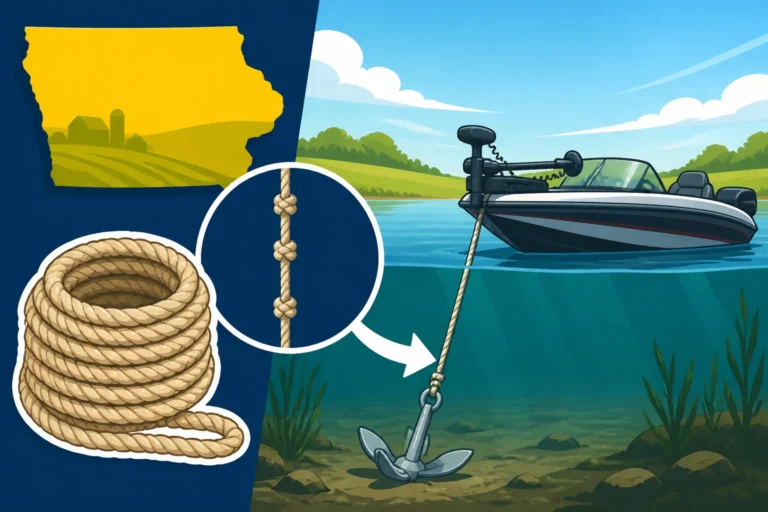
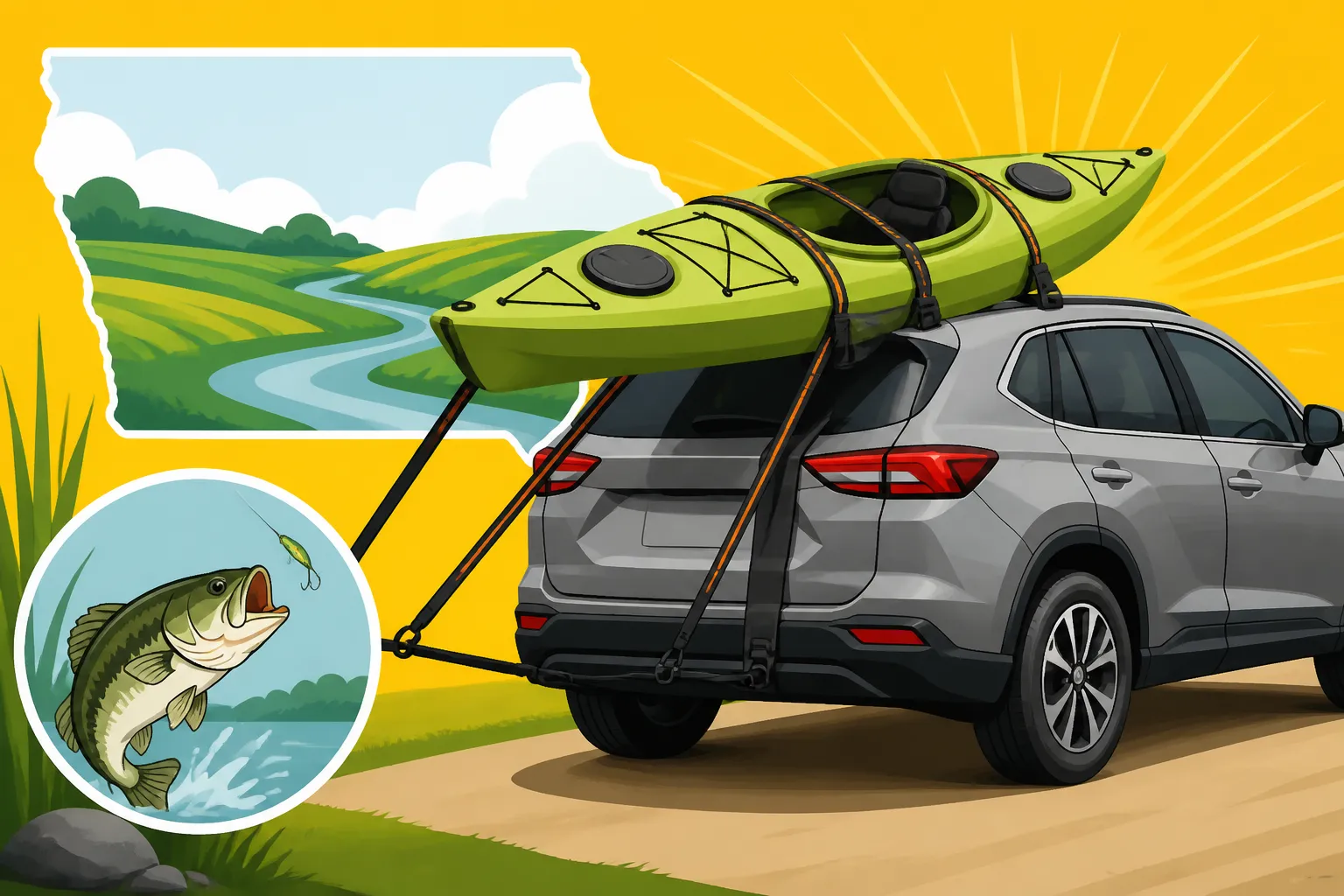
- Bow and Stern Tie-Downs: This is critical, especially for longer kayaks or longer drives. These lines run from the front of your kayak to the front of your car (e.g., under the hood, to a tow hook) and from the back of your kayak to the rear of your car (e.g., to a trailer hitch, trunk latch). They prevent the kayak from lifting up at speed or shifting forward/backward during braking. Many kayakers use additional cam straps or rope for these, ensuring they're taut but not overtightened to avoid deforming the kayak.
- Red Flag/Flagging Tape: If your kayak extends more than four feet past the rear of your vehicle, you must attach a red flag or brightly colored cloth to the furthest point. This is a legal requirement in many places and is crucial for alerting other drivers to your oversized load. It's a small detail that makes a huge difference for safety.
Having these items readily available will make your transport much safer and less stressful. Don't skimp on quality, especially when it comes to straps. It's a small investment that protects a much larger one (your kayak and your car!).
Pre-Trip Inspection and Safety Checks
Before you even pull out of the driveway, take a few extra minutes to perform a thorough safety check. This isn't just about avoiding a ticket; it's about preventing a dangerous situation on the road.
- Kayak Condition: Give your kayak a quick once-over. Is it free of loose gear inside? Are all hatches securely closed? Any sharp edges that might cut into straps or snag on something? It's always best to transport your kayak empty to reduce weight and prevent items from flying out. If you're bringing along your Kayak Fishing Gear Guide for Iowa Rivers, make sure it's stored safely inside your vehicle, not in the kayak during transport.
- Strap Tightness: Once your kayak is loaded and strapped, give every strap a good tug. It should be snug, but not so tight that it deforms the kayak hull. Check for any slack, twists, or potential rubbing points. Road vibrations can loosen straps, so a quick check before you leave, and perhaps again after the first 10-15 miles of driving, is a smart move.
- Bow and Stern Lines: These are often overlooked but are incredibly important. Ensure they are taut and secure, preventing vertical movement (lift) or horizontal shifting (sliding). Imagine hitting a bump or having to brake suddenly; these lines are what keep your kayak from becoming a projectile.
- Visibility: Confirm that your view from the driver's seat isn't obstructed by the kayak or any flags. Also, ensure your tail lights and license plate are clearly visible, especially if the kayak extends significantly past the rear of your vehicle. That red flag is useless if your lights are covered.
- Practice Run: If this is your first time transporting your kayak without a rack, consider a short practice run on quiet local roads. This allows you to identify any issues with shifting or noise before you hit the highway. It's much better to discover a problem at 25 mph than at 65 mph!
Taking these extra steps ensures that you're not just transporting your kayak, but doing so responsibly and safely. It means you'll arrive at your fishing spot ready to enjoy the water, rather than dealing with a stressful transport ordeal.
Diverse Methods for Transporting Your Kayak Without a Roof Rack
Okay, so you've got your straps and pads, and you're ready for action. Now, let's explore the actual techniques for getting that kayak from point A to point B. The best method for you will depend on your vehicle type, the length and weight of your kayak, and the distance you need to travel.
Inside Your Vehicle: Sedans, SUVs, and Trucks
This is often the simplest and most secure method, provided your kayak and vehicle can accommodate it. It keeps your kayak protected from road grime and theft, and it's surprisingly feasible for many.
Sedans and Coupes: The "Trunk Overhang" Method
Believe it or not, many smaller kayaks can fit inside or partially inside a sedan, especially if you have folding rear seats. This usually involves:
- Folding Down Seats: Drop those back seats! This creates a long, open space from the trunk into the passenger cabin.
- Slide it In: Carefully slide the kayak (bow first) into the trunk, through the opened back seat area. You might need to angle it slightly.
- Secure the Overhang: The stern of the kayak will likely stick out of your trunk. You must tie down the trunk lid securely around the kayak to keep it from bouncing open, and importantly, attach a bright red flag to the furthest point of the kayak. You'll also want to use cam straps to secure the kayak itself from sliding too far in or out.
- Protect the Interior: Use old blankets or towels to protect your car's interior from any dirt or scuffs from the kayak. The hull of your kayak might not be perfectly clean after a trip, so this is key.
This method works well for shorter, lighter recreational kayaks, particularly those under 10-12 feet. It's often favored for local trips to a small pond or a river access point close to home.
SUVs and Vans: The Spacious Interior Option
SUVs and vans are often the easiest vehicles for internal kayak transport due to their larger cargo areas and often flatter floors once seats are folded down.
- Clear the Space: Remove or fold down all rear seats to create the longest, flattest space possible.
- Load Carefully: Slide the kayak in through the rear hatch. Depending on the length of your kayak and your vehicle, it might fit entirely inside, or the stern might protrude slightly from the rear hatch.
- Secure Everything: Use cam straps to secure the kayak to internal tie-down points (if your vehicle has them) to prevent it from shifting. If the hatch needs to stay partially open, secure it with a strap or rope, and always use a red flag on the kayak's rear.
- Protect Interior and Kayak: Again, use blankets or foam pads to protect both your vehicle's interior and the kayak itself from scuffs and scrapes during transit.
SUVs and vans are excellent for transporting most recreational kayaks and even some smaller fishing kayaks up to 12-14 feet, making them a popular choice for anglers heading to places like the Iowa Great Lakes. This method provides superior security and weather protection compared to external transport.
Pickup Trucks: The Bed is Your Best Friend
Pickup trucks are perhaps the most natural fit for rack-free kayak transport, especially for longer boats.
- Position the Kayak: Place the kayak hull-down in the truck bed. If your kayak is shorter than the bed, simply center it. If it's longer (which is common), let the stern overhang past the tailgate.
- Tailgate Up or Down? For very short kayaks, you might be able to close the tailgate. More often, you'll need to leave the tailgate down. If the kayak extends significantly, consider using a bed extender (more on that below).
- Secure with Straps: Use at least two heavy-duty cam straps to secure the kayak to the tie-down points in the truck bed. Ensure it cannot slide forward, backward, or side-to-side. For extra security, especially if the kayak is long and narrow, add bow and stern tie-downs to the truck's frame or tow hitch.
- Flag It: If the kayak extends more than four feet past the tailgate, attach that crucial red flag.
- Bed Extenders: For kayaks that extend far past the tailgate, a hitch-mounted bed extender is a game-changer. These "T-bars" slide into your receiver hitch and provide an extra support point, reducing cantilever forces on your kayak and providing a place to secure the kayak and attach your flag. This is an investment worth considering if you frequently haul longer kayaks or canoes in your truck. You can find various models at Bass Pro Shops or online through Amazon.
Pickup trucks offer fantastic versatility for kayak transport, making it easy to haul gear for a full day of Spring Fishing in Iowa or a multi-day camping and fishing trip.
Using a Utility Trailer: The Ultimate Solution for Larger Kayaks
If you frequently transport multiple kayaks, very long kayaks (14+ feet), or simply don't want to load anything into or onto your primary vehicle, a small utility trailer is an excellent solution. While it requires a vehicle with a trailer hitch, it completely bypasses the roof rack dilemma.
- Small Utility Trailers: These are typically open trailers, often 4×8 or 5×8 feet, that you can buy or even rent. They're perfect for laying a kayak flat or even stacking multiple kayaks, provided you have adequate padding between them.
- Specialized Kayak/Canoe Trailers: Many manufacturers offer lightweight, single or multi-kayak trailers. These are designed specifically for boats, often featuring padded crossbars and a lower profile for easier loading. They can be a fantastic, albeit more expensive, option if you're serious about kayak fishing.
- Secure Everything: Just like with a truck bed, use multiple heavy-duty cam straps to secure your kayak(s) to the trailer frame or crossbars. Ensure they are tight and won't shift. Bow and stern tie-downs are still recommended, especially for highway speeds.
- Trailer Lights and License: Remember that trailers have their own set of legal requirements, including working tail lights, turn signals, and a license plate. Always ensure these are functional before hitting the road. Iowa Boat Registration Requirements and trailer laws are important to review.
A utility trailer, while an investment, offers unparalleled ease and capacity, allowing you to haul not just your kayak but also all your Ice Fishing Gear Basics for Beginners or other bulky equipment for a full day on the water.
Specialty Carriers and Dollies: For Shorter Distances
Sometimes, the challenge isn't the long drive, but the last hundred yards from your parking spot to the water's edge. This is where kayak dollies and specialty carts shine.
- Kayak Dollies/Carts: These are small, wheeled devices that you attach to the stern or mid-section of your kayak. You lift one end of the kayak, and the dolly takes the weight, allowing you to easily roll your kayak to the launch point. They're a back-saver and excellent for navigating trails or sandy beaches. You can find many options on Amazon or at outdoor recreation stores.
- "Car Top" Pads (Temporary Racks): While not truly "rack-free" in the strictest sense, these are inflatable or foam pads that sit directly on your car's roof and are secured through your car's doors. They act as temporary crossbars. You then strap the kayak to these pads. They're an excellent alternative for vehicles without roof rails and provide more stability than just foam blocks. They are temporary and easily removable, making them a great compromise for occasional use.
These tools are invaluable for making that final stretch to the water effortless, especially when dealing with heavy fishing kayaks loaded with tackle.
| Transport Method | Pros | Cons | Ideal For |
|---|---|---|---|
| Inside Sedan/Coupe | Secure, protected, no external wind noise | Limited length/width, obstructs view, dirty | Short, light kayaks; local trips; bad weather |
| Inside SUV/Van | Secure, protected, good capacity | Limited length/width, dirty interior | Most recreational kayaks; local/medium trips |
| Pickup Truck Bed | Excellent capacity, secure with straps | Kayak exposed, needs flagging, bed extenders helpful | Long kayaks, multiple kayaks, all distances |
| Utility Trailer | Highest capacity, easiest loading | Requires hitch, extra registration/lights, storage | Multiple kayaks, very long kayaks, all distances |
| Temporary Roof Pads | No permanent rack needed, versatile | Less stable than real rack, straps through doors | Occasional use, moderate distances |
| Kayak Dolly/Cart | Easy last-mile transport, saves back | Not for road travel, only moving on land | Short distances from vehicle to water |
Safety First: Securing Your Kayak for Transport
No matter which rack-free method you choose, proper securing is paramount. A poorly secured kayak can become a dangerous projectile, risking serious accidents for you and others. Don't rush this step; it's the most important part of your preparation.
Proper Strapping Techniques for All Methods
Securing your kayak isn't just about throwing a strap over it and cinching it down. There's a method to the madness that ensures maximum stability and safety.
- One Over, Two Under: A common and effective method for strapping a kayak to a roof (even with temporary pads) or a trailer. Place one strap directly over the top of the kayak, making sure it's centered and snug. Then, for added security, use two more straps that go under the kayak and secure to the vehicle's frame or a sturdy tie-down point. This prevents the kayak from lifting vertically. When using foam blocks on your roof, the main straps will typically go through your car's doors, creating a "sandwich" effect that holds the kayak and pads in place.
- Twist the Straps: If you're using webbing straps over the top of the kayak, give them a half-twist before cinching them down. This small trick significantly reduces annoying wind noise and strap vibration, which can wear on the straps and annoy you on long drives.
- Bow and Stern Lines are Non-Negotiable: We've mentioned this before, but it bears repeating. These lines create a triangular tension that prevents fore-aft movement and upward lift from wind. For the front, many vehicles have tow hooks or frame members under the bumper. For the rear, a trailer hitch receiver, trunk latch, or even a robust exhaust hanger can serve as an anchor point. Make sure the lines are taut, but don't overtighten to the point of deforming your kayak's bow or stern. This is especially crucial when navigating highways or windy rural roads on your way to a secluded fishing spot.
- Cinch, Don't Crush: The goal is to secure the kayak, not to compress it. Over-tightening straps, especially on plastic kayaks, can deform the hull, leading to flat spots or structural weakness. Snug is good; bone-crushing is bad. If you see your kayak's shape changing, loosen the straps slightly.
Remember to double-check all straps and lines after a few miles of driving. Road vibration, wind, and even slight shifting can loosen things up, and a quick re-cinch can prevent a problem down the road. This diligence is part of being a responsible angler and traveler, ensuring your Best Kayak Setup for River Fishing arrives intact.
Avoiding Common Mistakes and Potential Hazards
Even with the right gear and techniques, it's easy to make small mistakes that can have big consequences.
- Using Bungee Cords: Seriously, don't do it. Bungees are elastic; they stretch and allow movement. Kayaks need rigid security. Save the bungee cords for holding your paddle in place once you're on the water, not for transport.
- Forgetting the Red Flag: It's a legal requirement if your load extends more than four feet past your vehicle's rear. More importantly, it's a safety measure that prevents other drivers from misjudging your vehicle's length, especially at dusk or night. A simple red shop rag will do if you're in a pinch, but a proper flag is better.
- Ignoring Wind Resistance and Speed: A kayak, even without a roof rack, still catches wind. On the highway, this creates significant drag and can put stress on your tie-downs. Be mindful of your speed, especially in crosswinds. If you feel excessive sway or hear unusual noises, pull over safely and re-check your setup.
- Not Protecting Your Vehicle's Paint: The vibration of a kayak directly on your car's roof, even for a short distance, can abrade paint, causing scratches and dull spots. Always use foam blocks or thick towels/blankets as a barrier. Similarly, if your kayak is inside your vehicle, protect your upholstery and trim from dirt and sharp edges.
- Overloading Your Kayak: Before loading the kayak onto or into your vehicle, remove all heavy gear, like tackle boxes, anchors, and extra paddles. This reduces weight and prevents items from shifting or flying out during transport. All your Best Tackle for Iowa Fishing should be secured separately in your vehicle's cabin.
- Failing to Check Tire Pressure: Especially if you're adding significant weight with a kayak and gear, ensure your vehicle's tires are properly inflated. For trailers, this is even more critical, as underinflated trailer tires can lead to sway and blowouts.
By being mindful of these common pitfalls and prioritizing safety, you can ensure that your kayak transport experience is stress-free, allowing you to focus on the more enjoyable aspects of your Iowa Fishing License Guide and the adventure that awaits.
Disclaimer
This article is for general informational purposes only and does not constitute professional advice. Laws, prices and regulations vary by location and change over time. Consult a qualified professional for guidance on your specific situation.