Best Rod for Kayak Fishing
It can be incredibly frustrating trying to fish from a kayak when your gear just isn't cooperating. You're already dealing with limited space, a lower vantage point, and the constant dance of balancing stability with casting. The last thing you need is a fishing rod that feels cumbersome, too long, too short, or just plain wrong for the unique demands of kayak angling. This guide is all about helping you cut through the confusion and find the best rod to make your Iowa kayak fishing adventures much more enjoyable and successful, no matter what species you're chasing.
Why Kayak Fishing Demands Specific Rod Considerations
Fishing from a kayak isn't like fishing from a spacious bass boat or even from the bank. It's an intimate, sometimes cramped, affair that brings you closer to the water but also presents a whole new set of challenges for your equipment. Many anglers, especially those new to kayak fishing, try to make do with their standard rods, only to find themselves tangled, frustrated, and missing bites.
The Unique Challenges of Kayak Angling
Think about it: you're sitting down, often with your knees up, in a relatively small cockpit. Every movement you make, from casting to landing a fish, affects the stability of your vessel. A rod that's too long can be a nightmare in tight spaces, constantly snagging on your paddle, your PFD, or even the kayak itself. It makes short, accurate casts difficult, and when you hook into a feisty Smallmouth Bass Fishing in Iowa or a stubborn Channel Catfish Fishing in Iowa, trying to manage a long rod while keeping yourself upright can turn into a full-body workout. Conversely, a rod that's too short might not give you the reach you need to clear the bow of your kayak or to effectively fight a fish away from snags under your boat.
Then there's the storage aspect. Rod holders on kayaks are often strategically placed for paddling and fishing, but they still have limits. Long rod tips can extend far out, catching on overhead branches if you're navigating tight river sections, or simply being more prone to damage when portaging or loading. Managing multiple rods can quickly become a tangled mess, especially if you're trying to quickly switch between techniques. This means every rod you bring needs to earn its place.
Minimizing Gear, Maximizing Versatility
Kayak anglers are masters of efficiency. Because space is at such a premium, you want rods that can handle a variety of situations. Instead of carrying five specialized rods, you might only have room for two or three. This means looking for rods that offer good all-around performance for the species and techniques you commonly employ. For instance, if you primarily fish for walleye and crappie, a medium-light rod might cover both, allowing you to use lighter jigs and small crankbaits effectively for crappie, while still having enough backbone for a decent walleye.
The goal is to select rods that feel like an extension of your body, allowing for fluid casts, quick hooksets, and controlled fights without adding to the inherent instability of the kayak. You want to be able to cast without fear of hitting your paddle or the water, and to land a fish without feeling like you're going to capsize.
Essential Rod Characteristics for Kayak Anglers
When you're sifting through the countless options out there, a few key characteristics will make all the difference for your kayak fishing experience. It's not just about what feels good in a tackle shop, but what performs optimally when you're actually on the water in your 'yak.
Rod Length: The Golden Balance
This is perhaps the most critical factor for kayak fishing. While traditional boat anglers might opt for longer rods for casting distance or shock absorption, kayak anglers often find a sweet spot in the 6-foot 6-inch to 7-foot 6-inch range.
-
Shorter Rods (Under 7 feet): These are fantastic for tight quarters, such as fishing small streams, under overhanging branches, or when precise, short-range casting is paramount. They are easier to maneuver around your body and the kayak, reducing tangles and accidental splashes. A shorter rod gives you more leverage over a fish in close combat, which can be crucial when trying to quickly land a spirited fighter without it diving under your boat. They also feel less awkward when trying to extract a fish from a livewell or manage it in your lap. Consider a shorter rod for Trout Fishing Streams in Northeast Iowa where accuracy is key.
-
Longer Rods (7 feet to 7 feet 6 inches): These offer better casting distance, which can be an advantage on larger lakes or when trying to reach specific structure from a distance. The added length also provides a bit more forgiveness when fighting larger fish, absorbing sudden runs and lunges. They can help keep your line clear of the bow or stern of the kayak, which is great for trolling or when fighting a fish around the front of your boat. For open water chasing Walleye Fishing in Iowa or covering lots of water, a slightly longer rod can be a real asset. Anything much longer than 7 feet 6 inches can become genuinely unwieldy in a kayak for most anglers, leading to more frustration than benefit.
Rod Power: Matching Strength to Species
Rod power refers to the rod's lifting strength or how much pressure it takes to bend the rod blank. This needs to align with the size of the fish you're targeting and the weight of the lures or baits you're using.
- Ultralight/Light: Perfect for panfish like bluegill and crappie, or stream trout. These rods allow you to feel the slightest bite and cast tiny jigs or spinners effectively. They make even small fish feel like giants, which is part of the fun! If you're targeting Bluegill Fishing in Iowa, you'll appreciate the sensitivity.
- Medium-Light/Medium: This is often the sweet spot for many kayak anglers, offering excellent versatility. A medium-light rod can handle crappie and smaller bass, while a medium power rod is ideal for most bass, walleye, and smaller catfish. They can cast a wider range of lure weights and provide enough backbone to fight most common Iowa species without being overkill. This power range is a good choice for an all-around rod on the Iowa Great Lakes.
- Medium-Heavy/Heavy: Essential for bigger, stronger fish like large Channel Catfish Fishing in Iowa, Muskie Fishing in Iowa, or when fishing heavy cover for largemouth bass. These rods have the power to pull fish out of thick vegetation or strong currents. If you're using heavy baits or fishing deep water with substantial weights, a rod with more power is crucial. However, be mindful that very heavy rods can feel stiff and lack sensitivity for lighter bites.
Rod Action: Sensitivity and Hooksetting Power
Rod action describes where the rod bends when pressure is applied to the tip. This impacts sensitivity, casting accuracy, and hooksetting power.
- Fast Action: The rod bends mostly in the top third of the blank. This provides excellent sensitivity, allowing you to feel subtle bites, and offers strong hooksetting power. It's great for single-hook lures like jigs, Texas-rigged plastics, or spinnerbaits where a quick, firm hookset is needed. Many bass and walleye anglers prefer fast action rods.
- Moderate-Fast Action: The rod bends in the top half of the blank. A good compromise between sensitivity and a more forgiving bend. It's often favored for treble hook lures like crankbaits and topwaters, as the slightly slower action helps keep fish hooked during the fight by absorbing head shakes.
- Moderate Action: The rod bends closer to the middle of the blank. This action provides a very forgiving bend, excellent for casting lighter baits, and is superb for keeping fish pinned, especially when using live bait or treble hooks. You might find this useful for Trout Fishing Techniques for Iowa Streams with smaller offerings.
- Slow Action: The rod bends throughout its entire length. Primarily used for ultralight presentations, live bait, or specific fly fishing applications. Generally not common for most kayak fishing scenarios unless you're specifically targeting very small fish or using very delicate presentations.
Handle Length and Grip: Comfort and Control
The handle on your kayak rod is more important than you might think. A long handle can constantly get in the way when you're sitting, snagging on your life vest or the kayak itself.
- Shorter Rear Handles: Look for rods with shorter butt sections (the part of the handle behind the reel seat). This keeps the handle from bumping into your body or interfering with your PFD, making casting and maneuvering much more comfortable. Many manufacturers offer kayak-specific rods with abbreviated handles for this very reason.
- Ergonomic Grips: A comfortable, non-slip grip, often made of cork or EVA foam, is essential. Your hands will be wet, and you'll be making repetitive motions. A good grip reduces fatigue and ensures you maintain control even when a fish makes a surprise run.
Reel Seat and Guides: Quality Matters
Don't overlook these components. A quality reel seat will securely hold your reel without wobbling, which is crucial for maintaining feel and control. Guides should be durable and smooth, reducing line friction and allowing for longer, smoother casts. Ceramic inserts are standard on most good rods these days and help prolong line life. For situations where you might be stuffing rods into tight spaces or encountering more abuse, durable stainless steel frames are a plus.
Selecting the Right Rod for Common Iowa Species from a Kayak
Now that we've broken down the characteristics, let's look at how to apply them to the species you're likely to encounter in Iowa's diverse waterways. Remember, versatility is a key theme for kayak anglers.
Walleye and Largemouth Bass: The All-Around Workhorses
These two species are often chased with similar setups, making it easy to share rods if you're targeting both.
- Rod Recommendation: A 6-foot 8-inch to 7-foot 2-inch spinning rod or baitcasting rod with a medium power and fast action is an excellent choice. This range gives you a good balance of casting distance, accuracy, and hooksetting power.
- Why it Works: The fast action allows you to feel those subtle walleye bites on a jig or twitchbait, and provides the backbone for a solid hookset on a bass with a Texas rig. The medium power is robust enough to handle the average 2-4 pound fish but still sensitive enough for lighter presentations.
- Kayak Specifics: The length is long enough to cast effectively but short enough to manage in a kayak without constantly hitting everything around you. If you prefer baitcasting for bass, this setup also works great for pitching jigs or working spinnerbaits around cover. For Walleye Fishing Techniques for Iowa Lakes, this rod excels with jigs, crankbaits, and even slip bobbers.
Panfish (Crappie, Bluegill, Perch): Light and Sensitive
When it comes to the smaller, feisty panfish, sensitivity is paramount.
- Rod Recommendation: A 6-foot to 6-foot 8-inch spinning rod with an ultralight or light power and a moderate-fast to fast action.
- Why it Works: Ultralight rods make catching even small bluegill a blast, and they allow you to cast tiny jigs, micro crankbaits, or live bait with precision. The sensitive tip lets you detect the lightest "tap" of a crappie. The slightly shorter length is perfect for close-quarters fishing around docks, brush piles, or lily pads, common spots for Crappie and Sunfish Limits in Iowa.
- Kayak Specifics: The shorter length and light power are ideal for the compact nature of kayak fishing, reducing arm fatigue and making it easy to maneuver around tight spots. You'll find yourself able to gently pitch small offerings into pockets without fear of overshooting or getting snagged on your own boat. Companies like Bass Pro Shops often have a great selection of these lighter rods that won't break the bank.
Catfish: Power and Durability
For the powerful, hard-fighting catfish, you need a rod that can take a beating and dish it out.
- Rod Recommendation: A 7-foot to 7-foot 6-inch medium-heavy power, moderate-fast action baitcasting or heavy-duty spinning rod.
- Why it Works: Catfish often lurk in strong currents or heavy cover, so you need a rod with serious backbone to pull them out. The moderate-fast action still offers some sensitivity for feeling bites but is more forgiving when a big channel or flathead goes on a run, helping to prevent pulled hooks.
- Kayak Specifics: While longer, the added length is beneficial for casting heavier rigs and fighting larger fish away from the kayak itself. It gives you that extra leverage. Make sure the handle is comfortable for long fights. For Catfish Bait Guide for Iowa Anglers, you'll be using heavier sinkers and larger baits, necessitating a more powerful rod. Just be prepared for a real sleigh ride when a big one hits!
Trout: Precision and Feel
Iowa's trout streams, particularly in the northeast, demand a delicate touch and accurate casts.
- Rod Recommendation: A 5-foot to 6-foot 6-inch ultralight or light power, moderate to fast action spinning rod. Fly rods are also popular for trout, and shorter options are often preferred in the tight quarters of streams.
- Why it Works: Whether you're casting tiny spinners, small spoons, or drifting live bait, sensitivity and precise placement are key. The lighter power protects light lines and makes small trout incredibly fun to catch.
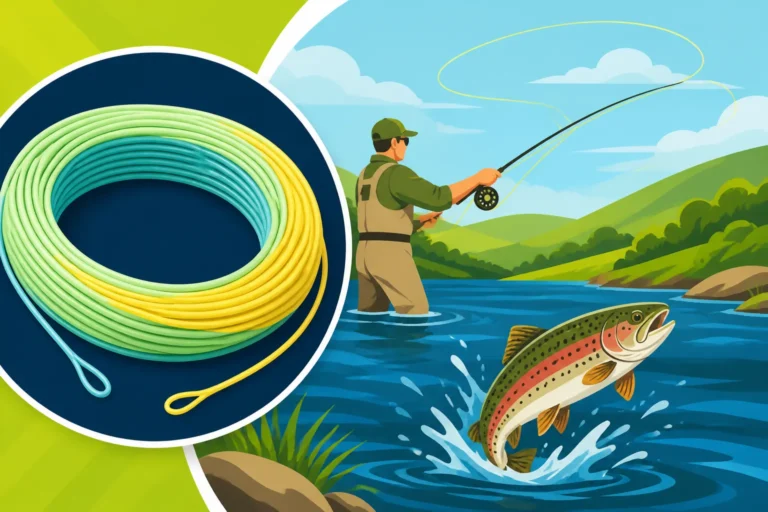
- Kayak Specifics: Shorter rods are absolutely essential in many of Iowa's smaller, brush-lined trout streams where you're often casting into tight pockets or under overhanging foliage. Kayaks (or even canoes) can be great for accessing these waters, but they require a compact setup. If you're into fly fishing from a kayak, a shorter fly rod (7-8 feet) can be much more manageable than traditional longer ones. For more on this, check out Trout Fishing Techniques for Iowa Streams.
Caring for Your Kayak Fishing Rods
You've invested time and thought into choosing the perfect rods for your kayak adventures. Now, let's make sure they last. Kayak fishing can be tough on gear, from saltwater exposure (if you venture out of Iowa) to bumps and scrapes against rocks and other elements.
Post-Trip Cleaning and Inspection
It might seem tedious after a long day on the water, but a quick rinse of your rods and reels can prevent a lot of problems. Fresh water, especially if you've been in murky or silty rivers, will wash away corrosive elements.
- Rinse Gently: Use a hose on a gentle setting to rinse down your rods, paying extra attention to the reel seat and guides.
- Wipe Down: Use a soft cloth to wipe down the rod blank and handle. This helps remove any grime, fish slime, or residual water that could cause problems.
- Inspect Guides: Take a moment to visually inspect all the rod guides for cracks in the ceramic inserts or bends in the metal frames. A damaged guide can quickly fray and break your fishing line, leading to lost fish and wasted lures. Run a cotton swab around the inside of each guide; if it snags, you likely have a problem.
- Check Reel Seat: Ensure the reel seat is clean and free of debris that could prevent your reel from seating properly next time.
Proper Storage and Transport
This is where many kayak fishing rods suffer damage. The unique transport methods for kayaks (car tops, truck beds, tight garage spaces) can lead to snapped tips or cracked blanks if not handled with care.
- Rod Socks or Sleeves: These are fantastic for preventing tangles and protecting your rods during transport, especially if you store multiple rods together. They're affordable and incredibly effective. You can find a wide variety on platforms like Amazon.
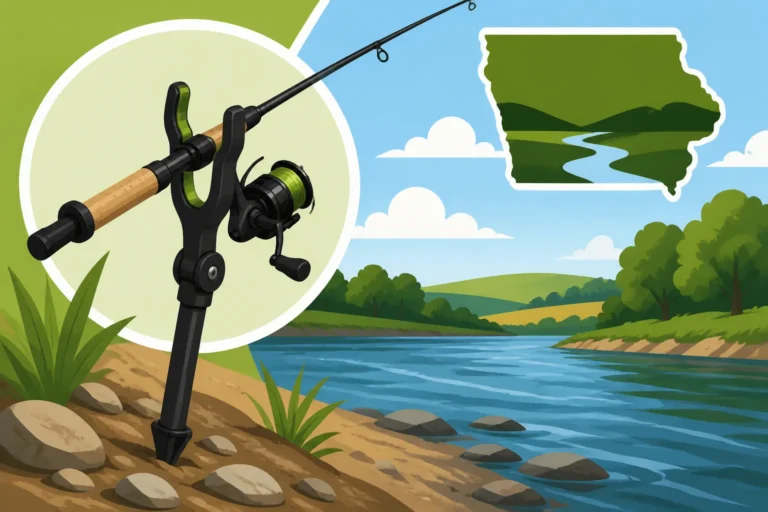
- Dedicated Rod Holders: On your kayak, use the integrated rod holders or add aftermarket ones. When transporting on your vehicle, consider a roof-mounted rod carrier or secure them carefully in your truck bed. Never let rod tips hang out unsupported where they can catch the wind or get bumped.
- Avoid Extreme Temperatures: Don't leave your rods exposed to direct sunlight or extreme heat for extended periods (e.g., inside a hot car). This can degrade the rod's blank material and epoxy finishes.
- Vertical Storage: When storing at home, hanging rods vertically or using a rod rack keeps them organized and prevents them from being leaned against walls or furniture where they could fall or be stepped on.
A Quick Reference for Kayak Rod Selection
Here's a simple table to help summarize the general recommendations for common Iowa species when fishing from a kayak. Remember, these are starting points, and personal preference always plays a role!
| Target Species | Recommended Rod Length (Kayak) | Power | Action | Key Consideration |
|---|---|---|---|---|
| Walleye | 6'8" – 7'2" | Medium | Fast | Versatility, jig sensitivity |
| Largemouth Bass | 6'8" – 7'2" | Medium | Fast | Accuracy, hookset |
| Crappie/Bluegill | 6'0" – 6'8" | Ultralight/Light | Mod-Fast/Fast | Sensitivity, delicate casts |
| Channel Catfish | 7'0" – 7'6" | Medium-Heavy | Mod-Fast | Power for large fish, currents |
| Trout (Streams) | 5'0" – 6'6" | Ultralight/Light | Moderate/Fast | Precision, tight quarters |
| Muskie | 7'0" – 7'6" | Heavy | Fast | Big lures, brute strength |
Choosing the right rod for kayak fishing really boils down to understanding the unique challenges of fishing from a small boat and matching your gear to those demands. You want a rod that feels natural, allows for efficient casting and fighting, and doesn't get in your way. Whether you're chasing Iowa Walleye Season Opening Day on a big lake or stealthily approaching a smallmouth bass hotspot on a river, having the right rod can elevate your experience from frustrating to fantastic. Happy paddling and tight lines out there!
Disclaimer
This article is for general informational purposes only and does not constitute professional advice. Laws, prices and regulations vary by location and change over time. Consult a qualified professional for guidance on your specific situation.