How Warm to Dress for Iowa Ice Fishing
There's nothing quite like the thrill of ice fishing in Iowa, but let's be honest, the cold can be absolutely brutal. Many an eager angler has headed out onto a frozen lake only to find themselves shivering miserably within an hour, regretting that they didn't properly prepare for the bone-chilling conditions. This guide is dedicated to helping you understand exactly how to dress for Iowa ice fishing so you can stay warm, comfortable, and focused on reeling in that next trophy, rather than just trying to survive the elements.
The Unforgiving Realities of Iowa Winter Weather
Iowa winters are no joke, and when you're out on a frozen lake, exposed to the open air, those temperatures feel even more intense. It's not just about the number on the thermometer; it's about the combination of factors that can quickly lead to discomfort or even dangerous situations if you're not properly protected. You might think a heavy jacket is enough, but ice fishing demands a strategic approach to staying warm.
The True Impact of Ice Fishing Temperatures
When the local weather forecast says it's 20 degrees Fahrenheit, it might sound manageable from the warmth of your living room. But standing still on a sheet of ice, with the wind whipping across the open expanse of a lake, that 20 degrees can feel like zero or even below. Your body is working overtime to maintain its core temperature, and if you're not adequately insulated, you'll start to feel the effects rapidly. We're talking numb fingers, aching toes, and a general misery that can cut your fishing trip short. The key here is to anticipate not just the air temperature, but how that temperature interacts with an exposed, often damp, environment.
Think about the heat your body naturally generates. When you're active, you produce more heat. When you're sitting relatively still, perhaps jigging a line or waiting for a bite, your heat production drops significantly. This is why dressing warmly for ice fishing is different from dressing for a brisk winter walk or shoveling snow. You need insulation that can maintain your warmth even during periods of low activity, which is the majority of your time on the ice. Understanding these nuances is the first step toward a successful and enjoyable day out.
Wind Chill and Exposed Skin: The Silent Threats
Beyond the ambient temperature, wind chill is arguably the biggest villain for ice anglers. Even a light breeze can strip away your body heat at an astonishing rate. Imagine the feeling of stepping out of a warm house into a windy winter day – that instant chill you feel is the wind accelerating heat loss from your skin. On an open lake, there are no trees or buildings to break that wind, so you're often facing its full force. This is precisely why your outer layers must offer robust wind protection.
Exposed skin is also an open invitation for frostbite, especially on areas like your face, ears, nose, and hands. Even small gaps between your hat and scarf, or where gloves meet sleeves, can allow biting cold to seep in. Many an angler has come home with a red, chapped face despite feeling "warm" otherwise, simply because they underestimated the constant assault of the wind and cold on uncovered skin. We'll dive into specific gear to combat this, but always remember that wind is an invisible, yet powerful, force working against your warmth. Ignoring it is a mistake many beginners make, and it's one you definitely want to avoid for your comfort and safety. Proper face coverings are just as crucial as a good jacket.
The Power of Layering: Your Multi-Stage Defense System
When it comes to staying warm on the ice, layering isn't just a suggestion – it's an absolute necessity. You're not looking for one super-thick garment; you're building a versatile system of clothes that traps air, wicks away moisture, and protects you from the outside world. This multi-layered approach allows you to adapt to changing conditions, whether the sun comes out, the wind picks up, or you're hauling a big fish and working up a sweat. Think of it as your personal thermostat, allowing you to add or shed warmth as needed without having to pack up and go home. For more detailed advice on what to look for, check out Best Cold Weather Clothing for Ice Fishing.
The Base Layer: Wicking Away Moisture
Your base layer is the foundation of your warmth, and its primary job is moisture management. When you're out fishing, even in the cold, you're going to sweat. Maybe it's from walking to your spot, drilling holes, or battling a feisty walleye. If that sweat stays next to your skin, it will quickly cool down and make you feel clammy and miserably cold. That's why cotton is a definite no-go for a base layer; it absorbs moisture and holds it close to your body.
Instead, you want materials like merino wool or synthetic fabrics (polyester, polypropylene). These materials are designed to "wick" moisture away from your skin, pushing it to the outer layers where it can evaporate. A good base layer should be snug, but not constricting, to maximize its wicking ability. You'll want both top and bottom pieces. Investing in quality base layers from brands like Bass Pro Shops or found on Amazon can make an enormous difference in your overall comfort, as they're specifically engineered for active outdoor pursuits in cold weather. This foundational layer is often overlooked, but it's where true warmth begins.
The Mid-Layer: Insulating for Warmth
Once your base layer is managing moisture, your mid-layer steps in to provide the bulk of your insulation. This is where you trap warm air close to your body. Common materials for mid-layers include fleece, down, or synthetic puff jackets. The thicker or loftier the material, the more air it can trap, and thus, the warmer it will be. You might even opt for multiple mid-layers on truly frigid days – perhaps a thinner fleece over your base layer, topped with a heavier fleece jacket or a lightweight puffer vest.
The beauty of the mid-layer is its versatility. If you get too warm inside your portable shelter with a heater running, you can easily shed a mid-layer. If you're drilling holes or setting tip-ups, you might find yourself taking off your outermost layer and just working in your mid-layers. This adaptability is crucial for regulating your body temperature and preventing overheating, which, paradoxically, can lead to dangerous chilling once you stop expending energy. Look for pieces that are easy to move in and don't restrict your range of motion, as you'll be actively fishing.
The Outer Layer: Protection from Wind and Wet
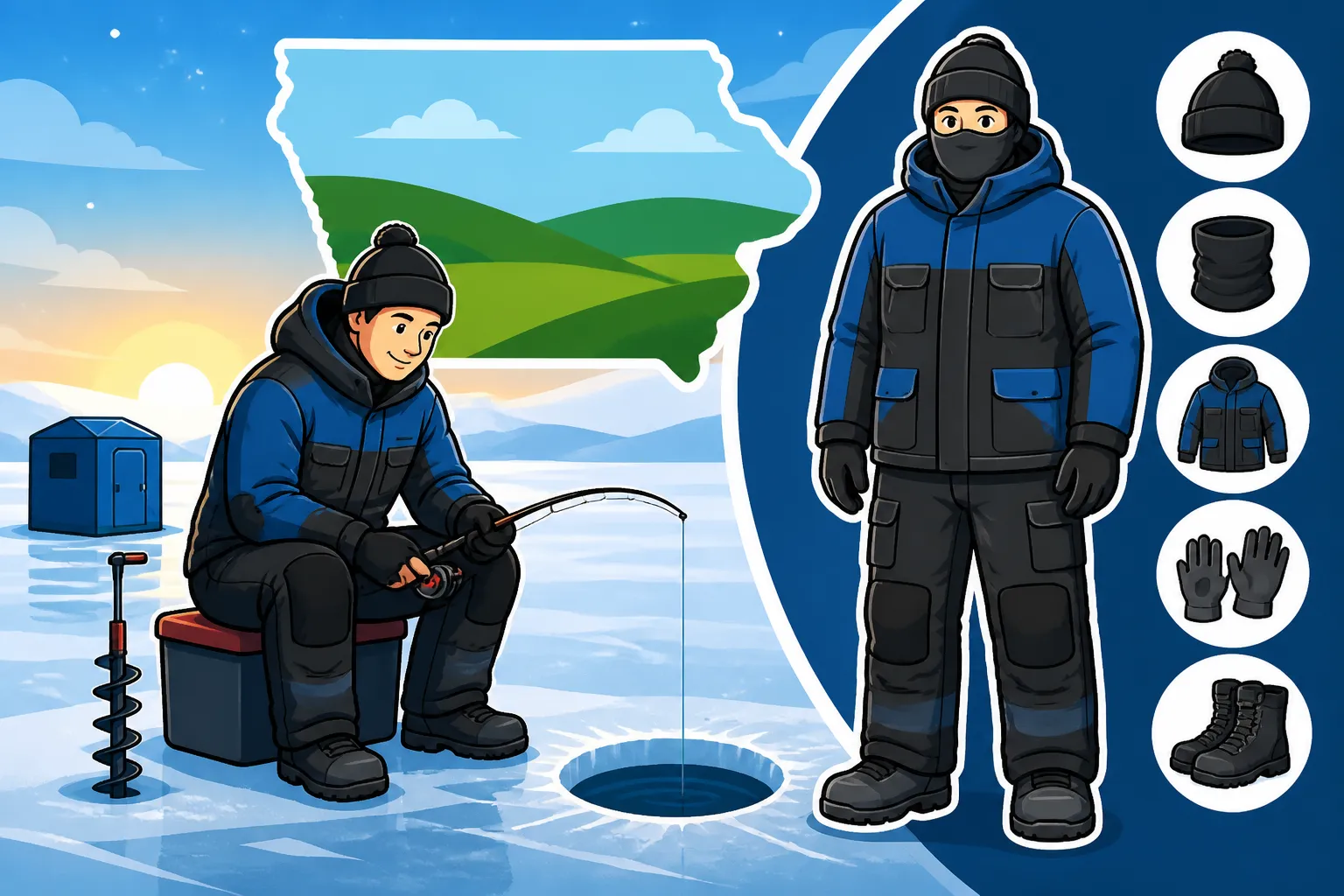
The outermost layer, often called your shell, is your shield against the elements. Its primary functions are to block wind, repel water (from snow, sleet, or slush), and provide additional insulation. For ice fishing, this usually means a heavy, insulated jacket and matching bib-style pants or overalls. These garments are often made from durable, waterproof or water-resistant materials with a windproof membrane. A good outer layer should be generously sized to fit comfortably over your base and mid-layers without compressing them, which would reduce their insulating power.
Many dedicated ice fishing suits come with built-in flotation assistance, which is an invaluable safety feature on the ice, providing peace of mind if you were to accidentally fall through. These suits, often available at outdoor retailers or on Amazon, are designed with reinforced knees and seats, plenty of pockets, and sometimes even hand-warming pouches. This outer shell is where you should spare no expense, as it's your first line of defense against the biting cold and potential wetness that can lead to hypothermia. Think about durability and freedom of movement as well, because you'll be bending, kneeling, and reaching throughout the day. It's a significant investment, but one that pays off in comfort and safety.
Here's a quick overview of the layering system:
| Layer Type | Purpose | Recommended Materials | Key Features | Avoid |
|---|---|---|---|---|
| Base | Wicks moisture from skin | Merino wool, synthetics | Snug fit, breathable | Cotton |
| Mid | Insulates, traps heat | Fleece, down, synthetic puff | Lofty, breathable, easy to shed | Too bulky, restricts movement |
| Outer | Protects from wind/wet | Waterproof/windproof fabrics | Durable, insulated, often floating | Poorly insulated, non-waterproof |
Essential Head-to-Toe Protection
You've got your core layering down, but don't forget the extremities! Your head, hands, and feet are crucial areas for heat loss and are highly susceptible to frostbite. Many anglers make the mistake of focusing solely on their torso, only to find their fingers, toes, or ears screaming in protest. Addressing these areas with specialized gear is just as important as your jacket and bibs. For overall gear considerations, take a look at Ice Fishing Gear Basics for Beginners.
Keeping Your Head and Neck Warm
Your head is like a chimney for heat loss; a significant amount of your body heat can escape through your scalp. A warm hat is non-negotiable for ice fishing. Look for hats made of wool, fleece, or a blend of insulating materials that cover your ears completely. On super cold and windy days, consider a balaclava or a neck gaiter that you can pull up over your nose and mouth. This not only protects your face from windburn and frostbite but also helps warm the air you breathe before it hits your lungs.
Don't underestimate the comfort a good neck gaiter can provide. It bridges the gap between your jacket collar and your hat, preventing cold air from sneaking in and sending shivers down your spine. For those truly brutal Iowa days, a hat, a balaclava, and a neck gaiter might all be necessary. When your face is shielded, you'll be amazed at how much more comfortable your entire body feels, allowing you to extend your time on the ice.
Hand Protection: Dexterity vs. Warmth
This is often the trickiest part of ice fishing attire. You need warmth, but you also need dexterity to tie knots, bait hooks, and operate your fishing gear. The solution usually involves a multi-pronged approach. Many anglers start with thin, wicking glove liners (think merino wool or thin synthetics) worn under a warmer, waterproof outer glove or mitten. Mittens generally offer superior warmth because your fingers share body heat, but they sacrifice dexterity. Some specialized ice fishing gloves offer flip-back finger and thumb covers, allowing you to expose just your digits when needed, then cover them back up quickly.
No matter your choice, ensure your outer hand protection is waterproof and windproof. Wet hands in freezing temperatures are a recipe for misery and potential frostbite. Carrying a few pairs of hand warmers, easily found at Bass Pro Shops or on Amazon, to tuck into your gloves or mittens can be a game-changer on bitter days. When you're actively fishing, you'll likely be taking your outer gloves on and off, so having those liners keeps a layer of warmth against your skin even when your primary gloves are momentarily removed. Remember, frozen fingers can ruin a great fishing trip faster than anything else.
Footwear: The Foundation of Warmth
Cold feet are a common complaint among ice anglers, and they can make even the warmest core feel miserable. Your feet are in direct contact with the ice, which constantly draws heat away. The solution starts with good socks: again, avoid cotton. Opt for thick, wool or synthetic blend socks designed for extreme cold. Some anglers even wear two pairs of socks – a thin liner sock for wicking, and a thick wool sock for insulation. You can find excellent options for Best Base Layer for Ice Fishing which often includes socks.
Beyond socks, the right boots are paramount. You need waterproof, heavily insulated boots with thick soles to create a barrier between your feet and the ice. Look for ratings in terms of grams of Thinsulate or similar insulation; generally, 800 grams or more is recommended for Iowa ice fishing. Make sure your boots are roomy enough to accommodate your thick socks without compressing them, as compression reduces insulation. If your boots are too tight, they'll restrict blood flow, making your feet colder. Some top brands specialize in winter boots designed for standing on ice, offering features like traction outsoles for safety. For more specific boot recommendations, see Best Boots for Ice Fishing.
Additional Gear for Extreme Conditions and Enhanced Comfort
Even with excellent layering from head to toe, there are a few other pieces of gear that can elevate your comfort and safety, especially when Iowa truly shows its winter might. These aren't just luxuries; they can be critical for enjoying longer days on the ice or staying safe when conditions turn particularly nasty. Remember, staying safe is always paramount, so refer to Ice Fishing Safety on Iowa Lakes for more essential information.
Ice Fishing Suits: All-in-One Warmth and Safety
While layering separates work great, a dedicated ice fishing suit, often sold as a jacket and bibs combination, takes convenience and safety to the next level. As mentioned before, many of these suits come with integrated flotation material, essentially acting as a PFD (Personal Flotation Device) in case you fall through the ice. This feature alone is a huge peace of mind, especially when fishing unfamiliar waters or early/late in the season.
Beyond safety, these suits are meticulously designed for the ice angler. They feature tough, waterproof, and windproof outer shells, often with highly visible colors for safety. Inside, they're packed with insulation, strategically placed pockets for tackle and tools, and often have adjustable cuffs and hoods to seal out the cold. You'll find reinforced knees and seat areas, which are perfect for kneeling by a hole or sitting on a bucket. Brands like StrikerICE or Clam are popular choices that offer these specialized suits, and you can often find them at major outdoor retailers or through online platforms. While an investment, a good ice fishing suit can be the single best piece of gear for maximizing warmth and safety.
Portable Heaters and Shelters: Creating Your Comfort Zone
Let's face it, no matter how well you dress, sitting exposed in sub-zero temperatures with a howling wind is tough. This is where portable ice fishing shelters and heaters become game-changers. A portable ice shack, whether a pop-up hub style or a flip-over model, provides a crucial barrier against the wind and helps trap your body heat. Inside a shelter, even without a heater, the air temperature can be significantly warmer than outside. For options, you might look at Best Portable Ice Shelter for One Person.
Add a portable propane heater, and you've essentially created a cozy fishing cabin on the ice. These heaters are safe for use in properly ventilated shelters and can raise the inside temperature to comfortable levels, allowing you to shed some layers, warm your hands, and truly relax while fishing. They let you focus on the fishing, not on shivering. This combination transforms ice fishing from an endurance test into a truly enjoyable winter pastime, enabling longer trips and making the whole experience much more pleasant for everyone, from seasoned veterans to first-timers. When How Cold Iowa Gets During Ice Fishing Season is truly biting, a shelter and heater can be the difference between a great day and a miserable one.
| Item | Why It's Crucial | Where to Find It (Examples) |
|---|---|---|
| Wicking Base Layer | Manages sweat, prevents chilling | Bass Pro Shops, Amazon |
| Insulating Mid-Layer | Traps body heat, adjustable warmth | Outdoor retailers, Amazon |
| Waterproof/Windproof Outerwear | Blocks wind, repels snow/sleet | Specialized ice fishing brands |
| Warm Hat/Balaclava | Prevents significant heat loss from head | Bass Pro Shops, sporting goods |
| Layered Gloves/Mittens | Protects hands, allows dexterity | Outdoor retailers, Amazon |
| Insulated, Waterproof Boots | Keeps feet warm and dry on the ice | Specialty boot stores, Amazon |
| Wool/Synthetic Socks | Wicks moisture, adds insulation to feet | Bass Pro Shops, outdoor stores |
| Portable Ice Shelter | Blocks wind, traps warmth, enhances comfort | Clam, Eskimo, often online |
| Portable Heater | Creates warm environment inside shelter | Buddy Heater, Mr. Heater |
| Hand Warmers | Quick warmth for cold fingers | Most convenience stores, Amazon |
Dressing properly for ice fishing in Iowa isn't just about bundling up; it's about strategic layering, choosing the right materials, and protecting your most vulnerable areas. By investing in quality gear and understanding how each layer works, you can transform a potentially frigid experience into a truly enjoyable and productive day on the ice, no matter how cold Mother Nature decides to make it. Don't let the weather dictate your fishing fun; be prepared, stay warm, and catch some fish!
Disclaimer
This article is for general informational purposes only and does not constitute professional advice. Laws, prices and regulations vary by location and change over time. Consult a qualified professional for guidance on your specific situation.