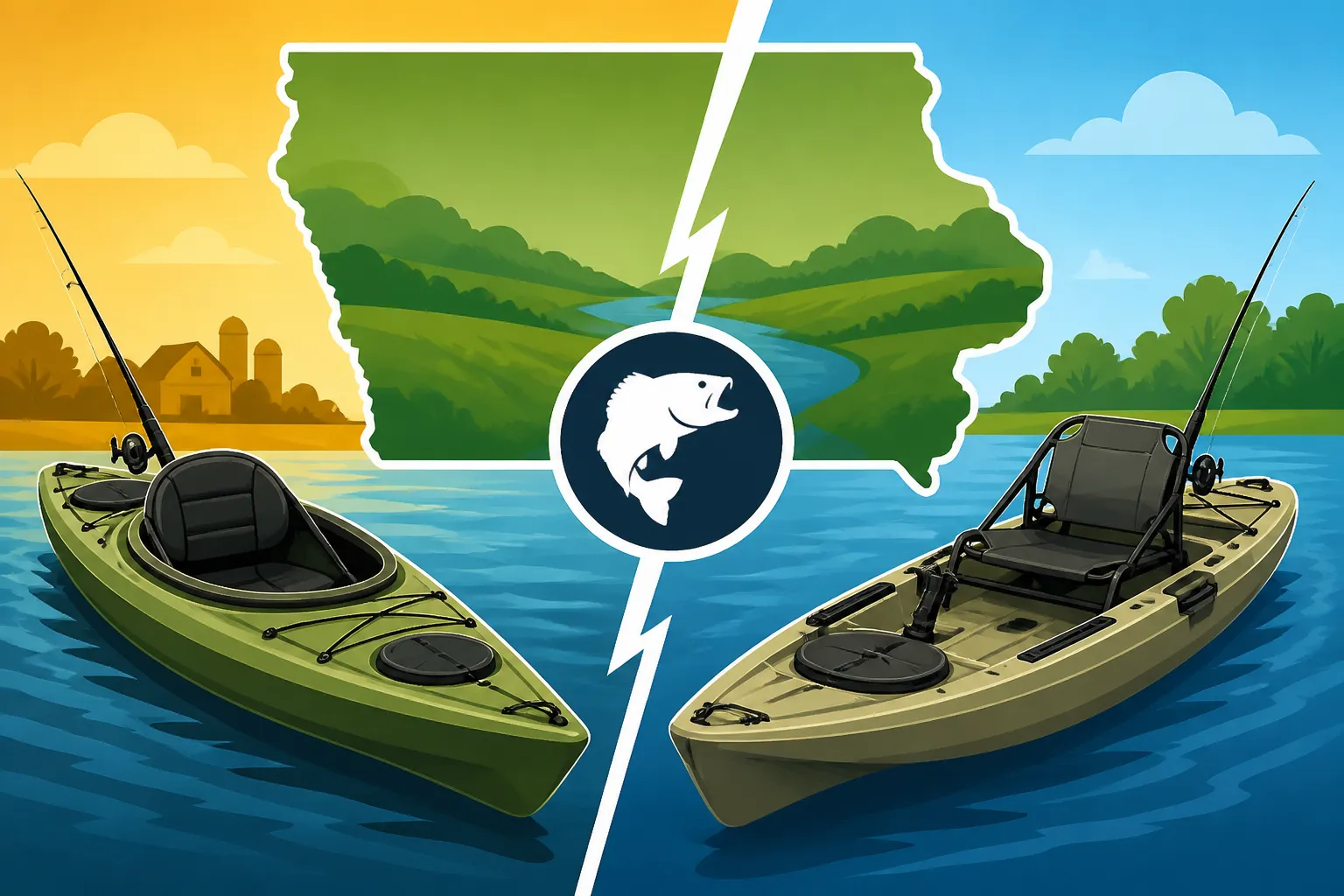
Sit-In vs Sit-On-Top Kayak for Fishing
Trying to decide between a sit-in and a sit-on-top kayak for your Iowa fishing adventures can feel like you're standing at a crossroads, unsure which path leads to the best fishing experience. Both styles offer unique benefits and drawbacks, and understanding these differences is crucial for finding the perfect vessel to navigate Iowa's diverse waters, whether you're chasing walleye on the Mississippi River or casting for bass in a quiet farm pond. This guide will meticulously break down the characteristics of each kayak type, helping you make an informed decision tailored to your angling needs.
Understanding the Basics: Sit-In Kayaks for Fishing
Sit-in kayaks, the traditional style many people picture when they hear the word "kayak," have a cockpit where the paddler's legs are enclosed within the hull. While often associated with touring or recreational paddling, they actually have a place in the fishing world, especially for those who prioritize certain aspects of the paddling experience.
The Enclosed Cockpit: What It Offers Anglers
The most defining feature of a sit-in kayak is that enclosed cockpit. This design offers a significant advantage in terms of protection from the elements. If you're out on a breezy day on, say, Saylorville Reservoir, or fishing early spring on a brisk Iowa morning, being tucked down inside the kayak keeps you much warmer and drier. It acts like a little barrier against spray and wind chill, which can really extend your comfort levels during those shoulder seasons or on colder days.
Beyond just staying dry and warm, the enclosed cockpit can also feel a bit more secure for some paddlers. You're sitting lower to the water, and while it might not offer the same initial stability as some sit-on-tops, the feeling of being "in" the boat can be reassuring. For anglers who might be exploring new waters or just prefer that snug feeling, it can make a big difference in confidence on the water.
Challenges of Fishing from a Sit-In Kayak
However, fishing from a sit-in kayak comes with its own set of challenges, particularly when it comes to space and accessibility. The enclosed nature means there's less open deck space for gear organization. You're typically relying on deck bungee cords, small hatches, and the space between your legs in the cockpit for tackle boxes, bait buckets, and rods. This can quickly become cluttered, especially if you like to bring a lot of gear. Imagine trying to quickly grab a different lure or switch rods when everything is jammed around your feet.
Another major hurdle is the limited ability to move around. Getting in and out of a sit-in kayak can be trickier, and standing up to sight fish or stretch your legs is usually out of the question due to stability constraints and the cockpit rim. If you hook into a really big Channel Catfish Fishing in Iowa and need to brace yourself or move to land it, you're pretty much stuck in your seated position. This can be a real pain, literally, on longer trips when you want to change positions.
Exploring the Sit-On-Top Fishing Kayak Advantage
Sit-on-top kayaks are a very popular choice for anglers, and for good reason. They are designed with fishing in mind, offering features that directly address many of the frustrations experienced by those trying to adapt a traditional kayak for angling.
Unparalleled Stability and Open Deck Space
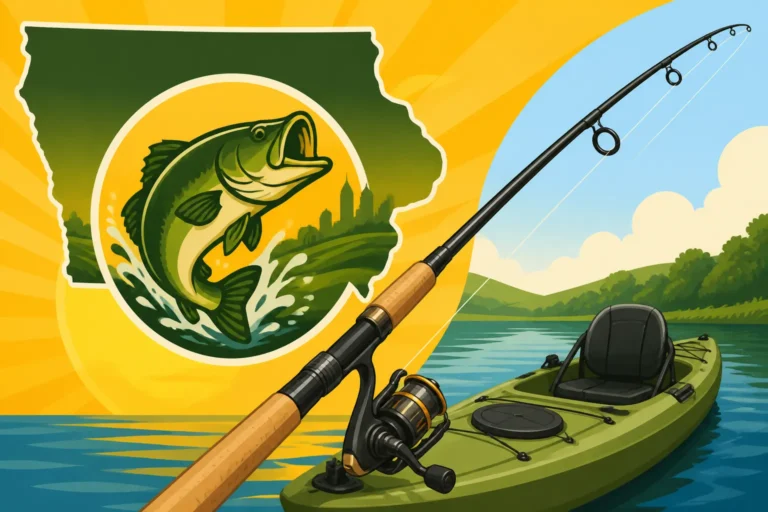
The primary appeal of sit-on-top kayaks for fishing lies in their inherent stability and generous open deck space. Because you're sitting on the hull rather than in it, the design allows for wider, more stable platforms. Many modern fishing sit-on-tops are so stable that you can comfortably stand up to cast, stretch, or get a better vantage point for spotting fish. This standing capability is a game-changer, especially for targeting bass in shallow coves or spotting cruising walleye in clearer waters. The feeling of being able to move around, even just a little, drastically improves comfort on longer fishing excursions.
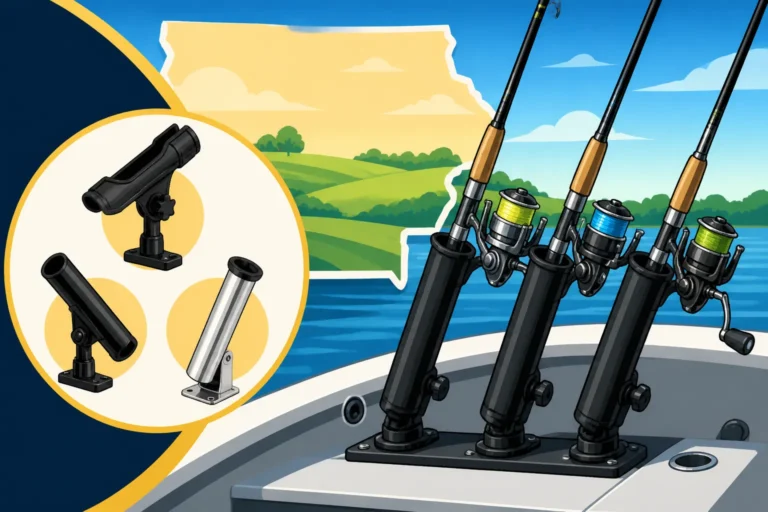
The open deck is another huge plus. You have ample room to mount accessories like rod holders, fish finders, and GPS units. There's usually plenty of flat surface to lay out tackle boxes, gear crates, and even a cooler, all within easy reach. This organizational freedom means less fumbling and more time focused on fishing. You'll find many models come with molded-in rod holders, tackle storage areas, and attachment points for customizing your setup. Retailers like Bass Pro Shops offer a huge selection of accessories specifically designed for sit-on-top fishing kayaks, making it easy to outfit your rig just the way you like it.
Comfort, Versatility, and Self-Draining Design
Modern sit-on-top fishing kayaks often prioritize comfort, featuring elevated seating that keeps you off the wet deck and provides better ergonomic support. This is a massive advantage for longer days on the water, preventing the numb legs and sore back that can sometimes plague sit-in kayakers. Many of these seats are adjustable, allowing you to fine-tune your position for optimal paddling and fishing.
Their versatility is also unmatched. If you happen to capsize – which is less likely due to their stability – a sit-on-top kayak is much easier to re-enter. They also feature scupper holes that allow water to drain right through the deck, meaning you don't have to worry about bailing out water from waves or rain. This self-draining design is incredibly convenient when you're focusing on fishing rather than managing a wet boat. Whether you're navigating the Iowa River for Catfish or exploring some of the smaller lakes, the ease of use and comfort make a sit-on-top a very appealing choice.
Key Considerations for Iowa Anglers
When choosing between these two kayak styles, it's really about weighing what matters most to you on Iowa's diverse waterways. Your personal fishing style, the type of water you frequent, and even how you transport your kayak all play a role.
Matching Your Kayak to Iowa's Waters
Iowa offers everything from serene farm ponds and calm lakes to swift-flowing rivers and the mighty Mississippi. The type of water you plan to fish most often should heavily influence your choice.
For instance, if you're primarily fishing smaller, calm lakes or meandering rivers like the Cedar River, a sit-on-top kayak might be ideal for its stability and ease of movement. You can enjoy standing up to sight fish in clear shallows or easily access gear for different presentations. However, if your passion is exploring some of Northeast Iowa's colder Trout Fishing Streams in Northeast Iowa, where the water can be chilly and the weather unpredictable, the enclosed nature of a sit-in could offer superior warmth and protection from spray, making for a more comfortable day. Think about whether you'll be mainly doing Kayak Fishing Techniques in Iowa on larger reservoirs or small, intimate creeks.
Portability, Storage, and Budget
Kayak fishing isn't just about being on the water; it's also about getting your boat to and from the water. Sit-on-top kayaks tend to be heavier and bulkier than their sit-in counterparts, especially the feature-rich fishing models. This means you need to consider how you'll transport it – rooftop rack, truck bed, or a trailer. You'll also need ample storage space at home. A lighter sit-in might be easier for a solo angler to car-top and maneuver off-water. For tips on how to manage your boat, check out Best Way to Transport a Kayak Without a Roof Rack.
Budget is, of course, a huge factor. While you can find entry-level models in both categories, sit-on-top fishing kayaks, particularly those with advanced features like pedal drives or high-end seating, can come with a significantly higher price tag. Consider your overall budget for not just the kayak, but also essential gear like a Best Kayak Paddle Length, PFDs, and other safety equipment. You can often find great deals on both types of kayaks and accessories through online retailers like Amazon, or by checking out local outdoor stores.
Essential Gear for Kayak Fishing
Regardless of your kayak choice, certain gear is essential for a safe and successful fishing trip in Iowa. You'll definitely need a well-fitting personal flotation device (PFD). Beyond that, a reliable paddle, an anchor system (especially important on rivers or windy lakes—see Best Kayak Anchor System), and a way to store your tackle are paramount. Many anglers also invest in a good Best Kayak Setup for River Fishing, a fish finder, and proper clothing for varying weather conditions. Don't forget a first-aid kit, a whistle, and a light if you plan to be out near dawn or dusk.
Making Your Choice: Matching Kayak to Fishing Style
Ultimately, the best kayak for you will depend on a blend of personal preference and practical considerations. There's no single "right" answer, just the right answer for your specific angling journey.
When a Sit-In Kayak Might Be Your Best Bet
A sit-in kayak shines brightest when you prioritize warmth, protection, and a more traditional paddling experience. If you enjoy cooler weather fishing, or frequently fish waters where splash and wind are common, the enclosed cockpit will be a welcome comfort. They can also be a more budget-friendly entry point into kayak fishing.
Consider a sit-in if:
- You fish mostly in colder temperatures or on very windy days.
- You prefer to stay dry and shielded from spray.
- You value a more traditional, nimble paddling experience.
- You're on a tighter budget and want a simpler, lighter setup.
- You don't anticipate needing to stand up to fish.
For example, if you're planning a trip to a cold, spring-fed stream for some Rainbow Trout Fishing in Iowa, or you're an avid fan of early spring crappie fishing when the air is still crisp, a sit-in can offer that crucial extra layer of protection from the elements.
When a Sit-On-Top Kayak Is the Clear Winner
Sit-on-top kayaks are generally the preferred choice for most dedicated kayak anglers due to their superior stability, open deck space, and overall fishing-centric design. They empower you to move, stand, and customize your setup to an extent that sit-ins simply can't match.
Opt for a sit-on-top if:
- You want the ability to stand up and cast.
- You need plenty of space for tackle, gear, and accessories.
- You value comfort and an elevated seating position for long days.
- You primarily fish in warmer weather or on calm to moderately choppy waters.
- You're less concerned about staying completely dry.
Imagine spending a summer day on West Okoboji Lake, targeting Walleye Fishing in Iowa. Being able to stand up, stretch your legs, and quickly access multiple rods or a cooler full of refreshments makes the experience much more enjoyable and effective. This freedom of movement and access to gear, from extra lines to a fishing net, makes all the difference when you're out there all day. For a deeper dive into outfitting one of these, check out a Kayak Fishing Gear Guide for Iowa Rivers.
Hybrid Options and Test Drives
It's also worth noting that some manufacturers now offer "hybrid" kayaks that try to blend the best of both worlds, providing some of the enclosure of a sit-in with improved stability and storage. These can be a good compromise for anglers who are torn between the two styles.
Before making a final decision, if possible, try to test paddle both types of kayaks. Many outdoor outfitters or even local fishing clubs might have opportunities for you to get a feel for them on the water. What feels stable to one person might feel tippy to another, and paddle comfort is incredibly personal. Don't rush into a purchase; take your time, consider your specific needs as an Iowa angler, and you'll find the perfect fishing companion.
Disclaimer
This article is for general informational purposes only and does not constitute professional advice. Laws, prices and regulations vary by location and change over time. Consult a qualified professional for guidance on your specific situation.