Are There Piranhas in Iowa Waters?
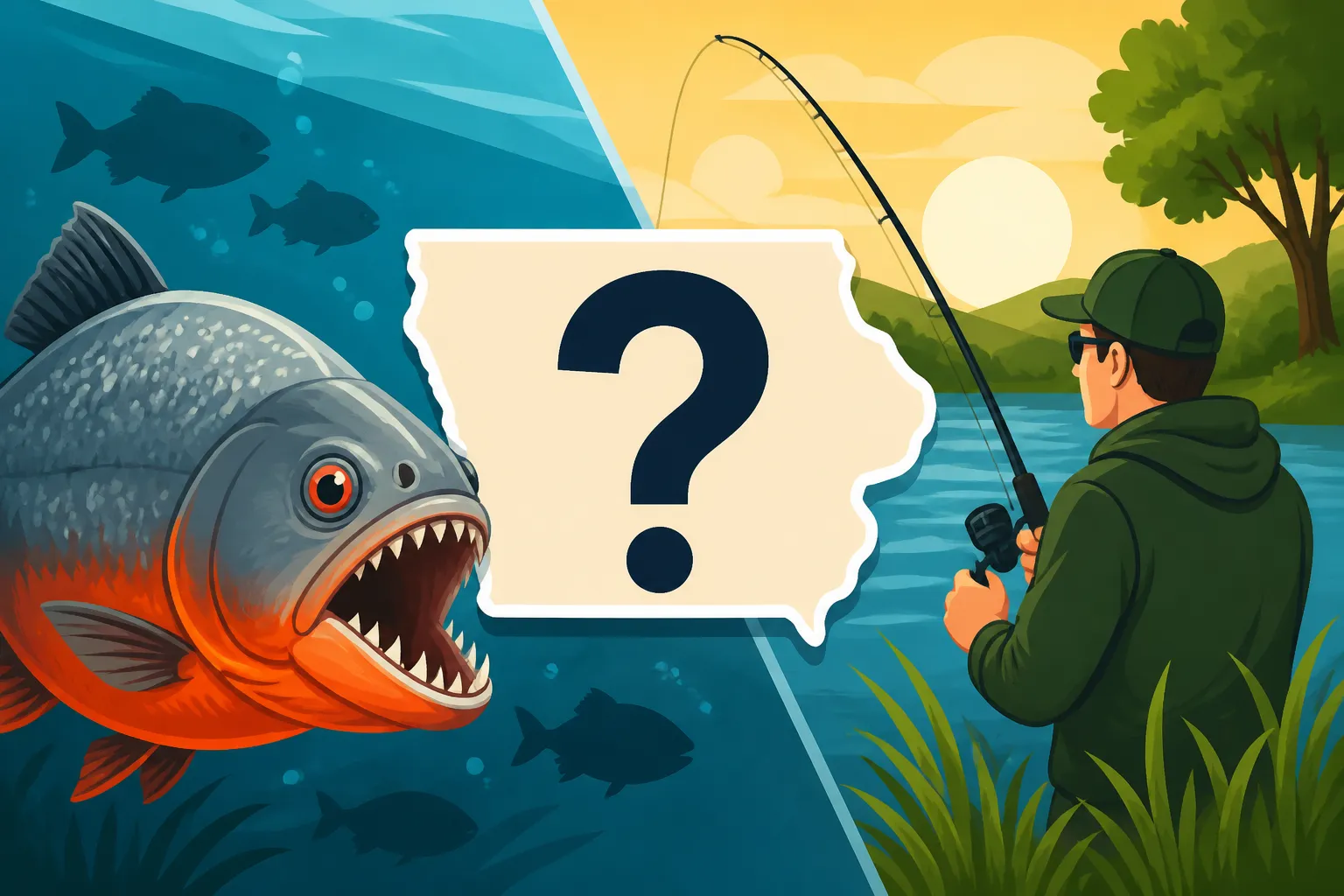
It's a question that pops into many Iowa anglers' minds, often after a late-night movie, a sensationalized online article, or hearing a tall tale from a buddy: are there actually piranhas lurking in Iowa's beautiful lakes and rivers? The thought of encountering a school of these notoriously aggressive, toothy fish while casting a line can certainly send a shiver down your spine. Let's get to the bottom of this common concern and sort through the myths and realities of what swims beneath the surface in the Hawkeye State.
The Truth About Piranhas in Iowa: Fact vs. Fiction
Let's address the big question head-on: No, you won't find native piranha populations thriving in Iowa's waterways. Piranhas are tropical fish, native to the warm freshwater rivers of South America. Their natural habitat is vastly different from the temperate climate we experience here in Iowa, with our hot summers and, more importantly, our freezing cold winters. These fish simply aren't equipped to survive the plummeting water temperatures that are a regular part of the Iowa fishing calendar.
Dispelling the Piranha Myth in Iowa
The idea of piranhas in Iowa is definitely more in the realm of fiction than fact, at least concerning established, reproducing populations. While it's true that individual exotic pets, including piranhas, have occasionally been illegally released into various bodies of water across the United States, including potentially in Iowa, these isolated incidents rarely lead to a lasting presence. A single piranha, or even a small group, wouldn't be able to establish a breeding population and survive year-round in our climate. The cold winters would quickly take their toll, and they wouldn't have the necessary conditions to spawn and thrive. So, when you're out enjoying a day of Iowa Fishing, you can rest assured that you're not likely to reel in a legitimate piranha that calls these waters home. The fish you're targeting are the native species or well-established non-native fish that can handle our seasons.
It's natural to hear stories or see images online that spark concern. The internet is a wild place, and sometimes information gets twisted or sensationalized. What might start as a rare, isolated event of an illegally dumped pet fish can quickly become an urban legend about a widespread piranha invasion. Always remember to consider the source and the ecological realities. Iowa's Department of Natural Resources (DNR) keeps a very close eye on our aquatic ecosystems, and if there were any credible threat of a reproducing piranha population, you would certainly hear about it through official channels, not just whispers around the bait shop. For comprehensive information on what you can expect to catch, check out our Iowa Fish Species Guide.
How Non-Native Species End Up in Iowa Waters (and Why Piranhas are Different)
While piranhas are highly unlikely to establish themselves, it's important to understand how other non-native species, and sometimes even individual exotic fish, find their way into our waters. The most common culprit for unwanted aquatic introductions is often human action, whether intentional or accidental.
One primary way is through the release of unwanted aquarium pets. People acquire exotic fish, sometimes without fully understanding their needs or eventual size, and when they can no longer care for them, they mistakenly think releasing them into a local pond or river is a humane option. This is a huge no-no. It's illegal, and it can introduce diseases, parasites, or even competitive species that disrupt the delicate balance of our native ecosystems. Thankfully, for piranhas specifically, even if one were released, the cold Iowa winters act as a natural, very effective barrier to their long-term survival. They simply can't adapt to the drastic temperature swings, especially the prolonged freezing conditions beneath the ice.
Another pathway for non-native species is through bait bucket releases. Anglers sometimes use live bait that isn't native to the particular body of water they are fishing, and if they dump their leftover bait into the water at the end of the day, those species can sometimes take hold. This is why understanding and following Iowa Fishing Regulations Explained is so crucial. Lastly, accidental transport via boats or trailers that aren't properly cleaned can move aquatic invasive species from one lake to another. This is especially true for things like zebra mussels or certain types of aquatic vegetation, which are a much more realistic threat to Iowa's waters than piranhas. While these other invasive species do pose a threat, the piranha's specific physiological needs for tropical temperatures make it a poor candidate for survival in our temperate zone.
Common Misidentified Fish in Iowa
So, if those snapping jaws aren't from piranhas, what are Iowa anglers actually seeing that might give them a fright? Our waters are home to several native species that, at first glance or with a bit of imagination, could be mistaken for something more exotic or menacing. It's usually a case of sharp teeth or a powerful, predatory appearance.
Look-Alikes: Identifying Native Fish Often Confused with Piranhas
There are a few fish in Iowa that, to an untrained eye or someone already a bit spooked, might resemble a piranha or at least give off a similar "don't mess with me" vibe. The key is to know what to look for and understand the true characteristics of Iowa's aquatic inhabitants.
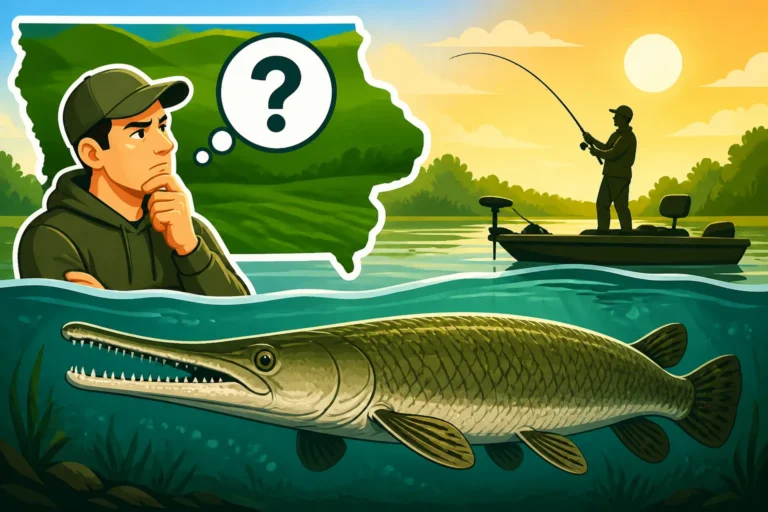
The most common culprits for misidentification are fish with prominent teeth or a more aggressive profile. Northern Pike are often high on this list. These lean, muscular predators have a mouth full of sharp, backward-pointing teeth designed for grabbing and holding onto prey. When a large pike strikes a lure or is pulled from the water, its formidable appearance can certainly be startling. Their elongated body shape, however, is quite distinct from the typically deeper, more compact body of a piranha. If you want to learn more about these fascinating fish, check out our guide on Northern Pike Fishing in Iowa. Gar species, like the Longnose Gar, are another native Iowa fish that can look quite intimidating. With their very long, slender snout filled with needle-sharp teeth, they definitely stand out. However, their overall body shape and unique snout are nothing like a piranha. They are ancient, powerful fish, but they are not the South American flesh-eaters of legend. For more details, we even have an article specifically on What a Longnose Gar Is. Even some larger panfish, like a big bluegill or crappie, can have a surprisingly aggressive look when caught, especially if they flare their fins, but their small mouths and lack of prominent teeth quickly give them away.
To help clear up any confusion, here's a quick comparison of some common Iowa fish that might trigger a piranha-related thought, versus what a piranha actually looks like:
| Feature | Piranha (South America) | Northern Pike (Iowa Native) | Longnose Gar (Iowa Native) |
|---|---|---|---|
| Body Shape | Deep-bodied, compressed, often disc-like | Elongated, torpedo-shaped, cylindrical | Very long, slender, cylindrical |
| Mouth/Teeth | Strong jaws, very sharp, triangular, interlocking teeth | Large mouth, many sharp, backward-pointing teeth | Long, narrow snout (bill-like) with needle-sharp teeth |
| Habitat | Warm, tropical freshwater rivers | Cool to warm freshwater lakes, rivers, backwaters | Warm, slow-moving rivers, backwaters, large lakes |
| Coloration | Varies, often silvery with red/orange belly, dark spots | Green to olive with light spots or bean-shaped markings | Olive to brown on top, lighter belly, sometimes mottled |
| Aggression | Known for schooling, aggressive feeding frenzies | Solitary ambush predator, aggressive when feeding | Ambush predator, not generally aggressive towards humans |
The Real Danger: Understanding Invasive Species in Iowa
While piranhas might be a scary thought, the real and present danger to Iowa's aquatic ecosystems comes from established invasive species. These are non-native plants, animals, or pathogens that, once introduced, can cause significant economic or environmental harm, or harm to human health. Unlike piranhas, many invasive species can thrive and reproduce in Iowa's climate, outcompeting native species for food and habitat, altering the environment, and disrupting the food chain.
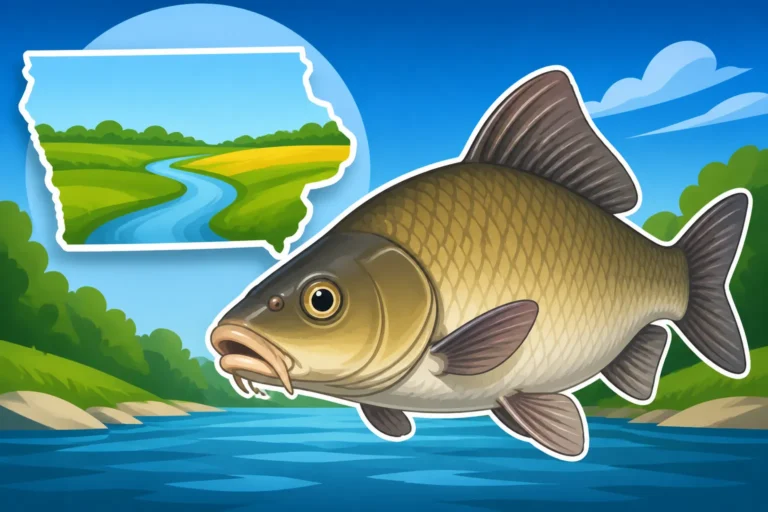
A prime example that many Iowa anglers are familiar with is the Asian Carp, specifically Silver Carp and Bighead Carp. These filter-feeding fish consume vast amounts of plankton, which is the base of the food web for many of our native species, including larval game fish. Their presence can devastate native fish populations by essentially eating all their food. Silver Carp are also infamous for their tendency to leap out of the water when startled by boat engines, posing a physical hazard to boaters and anglers. The problem of invasive species is so significant that there are specific rules and efforts to manage them, including guidelines on Asian Carp Identification and Rules.
Other invasive species that threaten Iowa include zebra mussels, which attach to hard surfaces, filter vast amounts of water, and can clog pipes and damage boats, and various invasive aquatic plants that can choke out native vegetation and make fishing difficult. The consistent message here is that prevention is always the best cure. It's crucial for everyone who uses Iowa's waters to be aware of the genuine threats posed by species that can survive here, rather than being overly concerned about unlikely tropical invaders. Many useful resources, including guides on identifying invasive species, are readily available online and sometimes in print, and can even be found on sites like Amazon if you're looking for a good field guide. Knowing What Fish Are Illegal to Release in Iowa is another critical piece of the puzzle to protect our waters.
Protecting Iowa's Ecosystem: What Anglers Can Do
Every angler and outdoor enthusiast plays a vital role in safeguarding Iowa's precious natural resources. Understanding the true threats and taking proactive steps can make a huge difference in preventing the spread of harmful invasive species, keeping our waters healthy for generations to come.
Preventing the Introduction of Harmful Species
The best defense against invasive species is prevention, and it largely comes down to responsible actions by individuals. As anglers, we spend a lot of time on the water, and we're often the first line of defense. Here are some key practices to adopt:
First and foremost, never, ever release unwanted pets into the wild. Whether it's a goldfish, a turtle, or an exotic fish you purchased online (even from a reputable seller on Amazon), the "freedom" you think you're giving it can actually become a death sentence for the animal and a major problem for the ecosystem. If you can no longer care for a pet, look for humane alternatives like rehoming with a new owner, contacting a pet store that takes surrenders, or consulting with a veterinarian for options. Our Iowa climate isn't suitable for many exotic species, and they could introduce diseases that native fish have no immunity to.
Secondly, "Clean, Drain, Dry" is a mantra for a reason. Before moving your boat, trailer, or even your waders and fishing gear from one body of water to another, take the time to inspect and clean them thoroughly. Remove all visible aquatic plants, mud, and foreign organisms. Drain all water from your boat, livewell, and bait buckets. Finally, allow everything to dry completely, ideally for at least five days, before entering a new body of water. This simple routine can prevent the transfer of microscopic invaders like zebra mussel larvae or invasive plant fragments.
Lastly, be mindful of your bait. Don't transport live bait from one body of water to another, and never dump leftover bait into the water or onto the bank. If you're using bait, make sure it's allowed in that specific waterway and dispose of any unused bait in the trash. These small habits collectively make a huge impact on preventing the spread of non-native and potentially harmful species. Knowing Iowa Fishing Season Dates and Limits and generally staying informed about local rules helps protect everyone.
Reporting Suspicious or Non-Native Fish
While the chances of encountering a piranha in Iowa are virtually nil, knowing what to do if you come across something truly unusual or clearly non-native is important. Your observations as an angler can be invaluable to the Iowa DNR's efforts to monitor and manage aquatic ecosystems.
If you ever catch a fish that you genuinely believe is a non-native or invasive species, the first step is to not release it back into the water. Instead, safely contain the fish. If possible, take clear photos of it from different angles, noting any distinctive features, color patterns, and its mouth/teeth. Measure its length and try to remember exactly where and when you caught it. Then, immediately contact the Iowa Department of Natural Resources (DNR) with this information. They have biologists and experts who can correctly identify the fish and advise you on the next steps. They would much rather receive a report about a misidentified native fish than miss an early warning sign of a potentially harmful invasive species.
It's also a good idea to report any unusual concentrations of fish, strange fish behavior, or diseased fish you might observe. The health of our waters is a shared responsibility, and every pair of eyes on the water helps. If you're ever in doubt about what you've caught, it's always better to err on the side of caution and report it. The DNR also offers extensive resources online, and for learning more about identifying various fish, many excellent guides can be purchased through retailers like Amazon. Being a knowledgeable and responsible angler not only enhances your own experience but contributes to the preservation of Iowa's fantastic fishing heritage.
Disclaimer
This article is for general informational purposes only and does not constitute professional advice. Laws, prices and regulations vary by location and change over time. Consult a qualified professional for guidance on your specific situation.