What a Rock Bass Is
It's easy to be a little confused when you're out on an Iowa lake or river, pulling in what looks like a sunfish, but something about it just seems… different. Perhaps it has a bigger mouth, or those striking red eyes, making you wonder if you've stumbled upon a new species. Anglers often encounter the rock bass and wonder exactly what kind of fish it is and how it fits into the panfish family. This comprehensive guide is here to clear up that mystery, offering a deep dive into identifying the rock bass, revealing its preferred haunts in Iowa's diverse waterways, outlining the best methods to catch these spirited fish, and even discussing their culinary appeal.
Identifying the Rock Bass: A Close Cousin in Iowa Waters
The rock bass, or Ambloplites rupestris, is a fascinating member of the sunfish family, but it often stands out from its more commonly recognized cousins like the bluegill or crappie. Many anglers mistakenly identify them as an unusually large bluegill or even a small bass, thanks to some shared physical traits. But once you know what to look for, differentiating a rock bass becomes much easier, allowing you to truly appreciate this unique species.
Distinctive Physical Characteristics
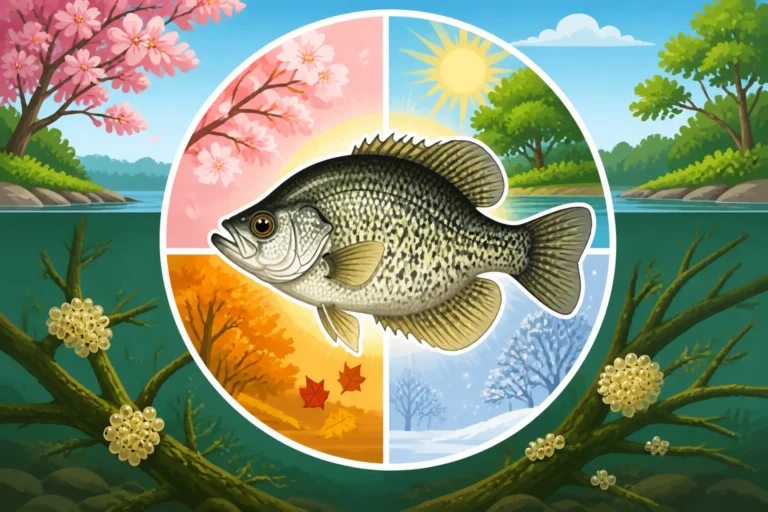
When you pull a rock bass from the water, the first thing that might catch your eye is its robust, chunky body, which is usually a mottled olive-brown or brassy green color. It's often adorned with irregular dark spots or bars, giving it a somewhat camouflaged appearance against rocky bottoms. But the real tell-tale signs are often in the head and eyes. Rock bass typically have quite prominent red eyes, which are a signature feature and how they earned one of their many nicknames, "redeye."
Their mouth is also noticeably larger than that of a bluegill, extending back at least to the middle of the eye, sometimes even slightly beyond. This larger mouth is a key indicator, hinting at their more predatory feeding habits compared to a tiny-mouthed bluegill. They have a spiny dorsal fin, much like other sunfish, but it's often a bit more pronounced. If you're comparing it to a green sunfish, which also has a relatively large mouth, the rock bass usually lacks the bright iridescent spots on its fins and the distinct dark opercular flap that green sunfish often possess. Understanding these subtle differences is crucial for accurate identification when you're sorting through your catch. For more on identifying other panfish, check out our guide on Bluegill and Sunfish Species Identification.
Preferred Habitat and Behavior
As their name suggests, rock bass absolutely adore rocky habitats. You'll find them congregating around structures like rip-rap, boulder fields, rocky points, and even submerged timber and log jams. They prefer clear to moderately clear water, and while they can tolerate some current, they're not typically found in the swift main channels of rivers. Instead, look for them in the calmer eddies, backwaters, and slack water pockets associated with these rocky structures.
These fish are somewhat solitary but can also be found in loose schools. They're ambush predators, often lurking in the shadows of rocks or logs, waiting for an unsuspecting insect, minnow, or crayfish to pass by. This predatory nature makes them feisty fighters on light tackle, offering a surprisingly strong tug for their size. Unlike some panfish that might be schooling in open water or dense weed beds, rock bass are almost always associated with hard structure, making them a predictable target if you know where to look. They're not migratory like some larger game fish; they tend to stay in their preferred rocky zones year-round, though their depth preference might shift with the seasons, moving deeper in colder months and shallower during warmer periods.
Where to Find Rock Bass in Iowa Waters
Iowa offers some fantastic opportunities for catching rock bass, especially for anglers who enjoy exploring diverse aquatic environments. While they might not be as widespread as bluegill or channel catfish, knowing their preferred habitats will significantly increase your chances of a successful outing. They aren't found in every farm pond, but certain types of waterways consistently produce good numbers of these feisty panfish.
Riverine Systems and Border Waters
The most consistent place to find rock bass in Iowa is within its larger river systems, particularly the mighty Mississippi River. Along the Mississippi, you'll find extensive rip-rap shorelines, wing dams, rocky points, and abundant submerged timber – all prime real estate for rock bass. They thrive in the slack water pockets behind wing dams, along rocky banks, and in the numerous backwater areas that offer protection from the main current while still providing plenty of structure. These areas provide the perfect blend of cover, food sources, and current breaks that rock bass seek out. You can learn more about fishing this incredible resource in our guide, Fishing the Mississippi River in Iowa.
Beyond the Mississippi, look for rock bass in the lower stretches of some of Iowa's larger tributaries that flow into it, where similar rocky structures exist. They might also be present in parts of the Missouri River border waters, although the often-turbid conditions there can sometimes limit their presence compared to clearer systems. When fishing these river systems, focus your efforts on areas where the current breaks around visible or submerged rocks.
Iowa Lakes and Reservoirs
While not as prevalent in every Iowa lake, rock bass can certainly be found in specific impoundments, especially those with clear water and rocky shorelines or bottoms. Lakes and reservoirs that feature significant rock rip-rap, rocky points, or areas with a lot of natural boulder structure are your best bets. Think about where the lake transitions from a soft bottom to a harder, rockier substrate, or where man-made structures like dam faces or bridge abutments have been armored with rock.
For example, certain areas of larger reservoirs might hold them, especially around bridge pilings, causeways, or rocky dam structures. Natural lakes with rocky shorelines can also be productive. They won't typically be found cruising vast, open water or dense, shallow weed beds like some other panfish. Instead, stick to the edges and drop-offs near the hard stuff. It really boils down to finding that "rocky" component in their environment. To get a broader sense of where to cast your line, consider exploring Best Fishing Spots in Iowa.
Seasonal Movement and Best Times to Target
Like most fish, rock bass exhibit some seasonal patterns, though their strong association with structure means they often don't move great distances. In spring, after ice-out, they'll often be found in shallower, rocky areas as they prepare for spawning. This can be an excellent time to target them close to shore. As water temperatures rise into summer, they might move slightly deeper to find cooler, more stable conditions, but they'll still be hugging those rocky structures, perhaps along deeper rock piles or bluff walls.
Fall sees them feeding actively again, often moving back into shallower rock rubble areas as they pack on weight for winter. During winter, if you're ice fishing, you can still find them around deep rocky points or submerged humps, though they may be less active. Generally, the warmer months from late spring through early fall offer the most consistent action for rock bass. You can find more detailed seasonal information in our guide to Iowa Fishing Seasons Explained.
Techniques and Tackle for Catching Rock Bass
Catching rock bass is often an absolute blast, making them a favorite target for anglers of all skill levels, especially those looking for consistent action and a good fight on light gear. They aren't particularly finicky, but understanding their preferences for bait and lures, along with the right techniques, will definitely put more of these feisty fish in your net.
Simple and Effective Gear Choices
You don't need highly specialized equipment to catch rock bass. In fact, a simple light or ultra-light spinning rod and reel combo is perfect for the job. A rod in the 5 to 6.5-foot range with a fast or moderate action will give you enough sensitivity to feel their bites and enough backbone to pull them away from snags. Pair it with a small spinning reel spooled with 4 to 6-pound monofilament or fluorocarbon line. Braided line in a similar diameter can also be effective, offering excellent sensitivity and strength for pulling through cover, though you might want a fluorocarbon leader. For beginners, a basic spinning reel is ideal; check out our recommendations for Best Spinning Reels for Panfish.
The beauty of targeting rock bass is that your tackle box doesn't need to be overflowing with expensive gear. Keep it simple and focus on presentations that mimic their natural prey and get into their rocky haunts.
Baits That Rock Bass Can't Resist
Rock bass are opportunistic feeders, so they're not too picky. Live bait is almost always a surefire way to get their attention:
- Worms: Nightcrawlers or red wigglers are classic panfish baits, and rock bass love them. A small piece of worm threaded onto a tiny hook (size 6 or 8) under a bobber, or simply fished on the bottom with a small split shot, is often irresistible.
- Minnows: Small fathead minnows or shiners, especially those 1-2 inches long, are excellent choices, mimicking their natural prey. Hook them lightly through the lip or back and fish them near cover. You can often find a good selection of live bait at local bait shops, or even specialized fishing tackle on platforms like Amazon for convenience if you're planning ahead.
- Crickets/Grasshoppers: During warmer months, these terrestrial insects can be incredibly effective, especially when fished near overhanging vegetation or rocky banks where they might naturally fall into the water.
- Small Crayfish: Rock bass absolutely feast on crayfish. If you can find small ones, they make fantastic bait. Even imitation crayfish lures can be effective.
Lures for Active Rock Bass
When rock bass are active and aggressive, they'll readily strike artificial lures. The key is to use small presentations that mimic their prey:
- Small Jigs: Tiny jigs, from 1/32 to 1/16 ounce, tipped with a small plastic grub, a piece of a worm, or a small minnow, are incredibly versatile. Colors like black, brown, olive, or white are often productive. Jig them slowly along the bottom near rocks or suspend them under a bobber.
- Spinners: Small inline spinners (size 0 or 1), like those from brands such as Mepps or Rooster Tail, are excellent for covering water and triggering strikes. The flash and vibration are highly attractive. You can find a wide array of options for these types of lures on Amazon as well, often with different blade colors and body styles to experiment with.
- Tiny Crankbaits: Micro crankbaits that dive a few feet can be very effective when retrieved near rocky drop-offs or submerged structure. Choose natural colors or bright, eye-catching patterns.
- Small Spoons: Very small casting spoons can also work, especially if you're looking to imitate a wounded baitfish.
For a deeper dive into lure selection, take a look at our guide on Best Lures for Panfish.
Effective Fishing Techniques
- Targeting Structure: Always remember their name: "rock" bass. Focus your casts and presentations directly to rocky areas, submerged logs, docks, bridge pilings, and any other hard structure. These are their homes and ambush points.
- Slow and Steady: Rock bass aren't usually chasing down fast-moving baits in open water. A slow, steady retrieve with lures, or a still presentation with live bait, is often most effective. Let your bait or lure spend time in their strike zone.
- Bobber Fishing: For live bait, a slip bobber rig allows you to easily adjust your depth and present your bait precisely near structure without getting snagged on the bottom. This is a classic method for panfish, and we cover it in detail in How to Catch Panfish With a Bobber.
- Casting and Retrieving: Cast your spinner or jig close to cover and retrieve it slowly, letting it bump off rocks or fall into crevices. Pay attention to the line for subtle bites.
- Vertical Jigging: If you're fishing from a boat or kayak over deeper rock piles, vertical jigging a small spoon or jig directly below you can be very productive.
Are Rock Bass Good to Eat?
When you're reeling in a mess of panfish, a common question often pops up: are these particular fish any good on the dinner table? With rock bass, the answer is a resounding yes! They are absolutely delicious and are highly regarded by many anglers as one of the better-tasting panfish species. They might not grow to massive sizes, but what they lack in bulk, they more than make up for in flavor and ease of preparation.
Flavor Profile and Texture
Rock bass have a mild, sweet flavor that is very similar to other popular panfish like bluegill or crappie. Their flesh is white, firm, and flaky when cooked, making them a versatile choice for various culinary applications. They don't typically have a strong "fishy" taste, especially when harvested from clear, clean waters, which makes them appealing even to those who might be hesitant about eating fish. If you enjoy the taste of other panfish, you'll almost certainly enjoy rock bass. Many consider them a staple for a classic fish fry after a successful day out on the water. For a broader look at which Iowa fish species are best for eating, check out our guide on Best Eating Fish in Iowa.
Cleaning and Preparation
Cleaning rock bass is relatively straightforward, much like cleaning other sunfish. While they can be scaled and cooked whole, most anglers prefer to fillet them. Their thicker bodies provide decent fillets for their size, and the bones are easy to navigate once you get the hang of it. A sharp fillet knife is your best friend here. If you're new to filleting, there are plenty of online tutorials, and with a little practice, you'll be zipping through a pile of rock bass in no time. For smaller rock bass, some people might even butterfly them to get two small, boneless pieces of meat.
Popular Cooking Methods
Given their mild flavor and flaky texture, rock bass are incredibly versatile in the kitchen. Here are a few popular methods:
- Pan-Frying: This is the quintessential way to prepare panfish, and rock bass shine here. Simply dredge the fillets in seasoned flour, cornmeal, or a fish fry batter, and fry them in hot oil or butter until golden brown and flaky. Serve with hushpuppies, coleslaw, and a squeeze of lemon for a truly classic meal. You can find various fish fry mixes on Amazon to experiment with different flavors and coatings.
- Baking or Broiling: For a lighter option, rock bass fillets can be baked or broiled. Season them with salt, pepper, herbs, and a pat of butter or a drizzle of olive oil. They cook quickly and retain their moisture well.
- Grilling: Larger fillets can be grilled, especially if placed in a grilling basket to prevent them from falling apart. A little smoke adds a wonderful flavor.
So, the next time you're debating whether to keep those rock bass you've caught, rest assured that they are a delicious addition to any meal. They are truly one of Iowa's underrated culinary delights from the fishing world. For more specific details on whether these fish are considered good table fare, our article Are Rock Bass Good to Eat? has you covered.
Rock Bass Quick Facts
| Feature | Description |
|---|---|
| Common Names | Rock bass, redeye, redeye bass, goggle-eye, rock sunfish, river bass. |
| Average Size | Typically 6-10 inches, weighing 0.5-1.5 pounds. Can occasionally exceed 12 inches. |
| Diet | Primarily carnivorous; eats insects (aquatic and terrestrial), small minnows, crayfish, tadpoles, and other aquatic invertebrates. |
| Lifespan | Generally 5-8 years, but can live up to 10-12 years in optimal conditions. |
| Spawning | Occurs in late spring to early summer when water temperatures reach 60-70°F (15-21°C). Males build and guard nests in rocky or gravel areas. |
| Conservation | Generally common and stable throughout its range in Iowa. Not typically considered a species of concern, though local populations can be affected by habitat degradation. |
| Fishing Appeal | Excellent for anglers of all ages, providing consistent action and a strong fight on light tackle. Great eating quality. |
Disclaimer
This article is for general informational purposes only and does not constitute professional advice. Laws, prices and regulations vary by location and change over time. Consult a qualified professional for guidance on your specific situation.