Are Yellow Bass Good to Eat?
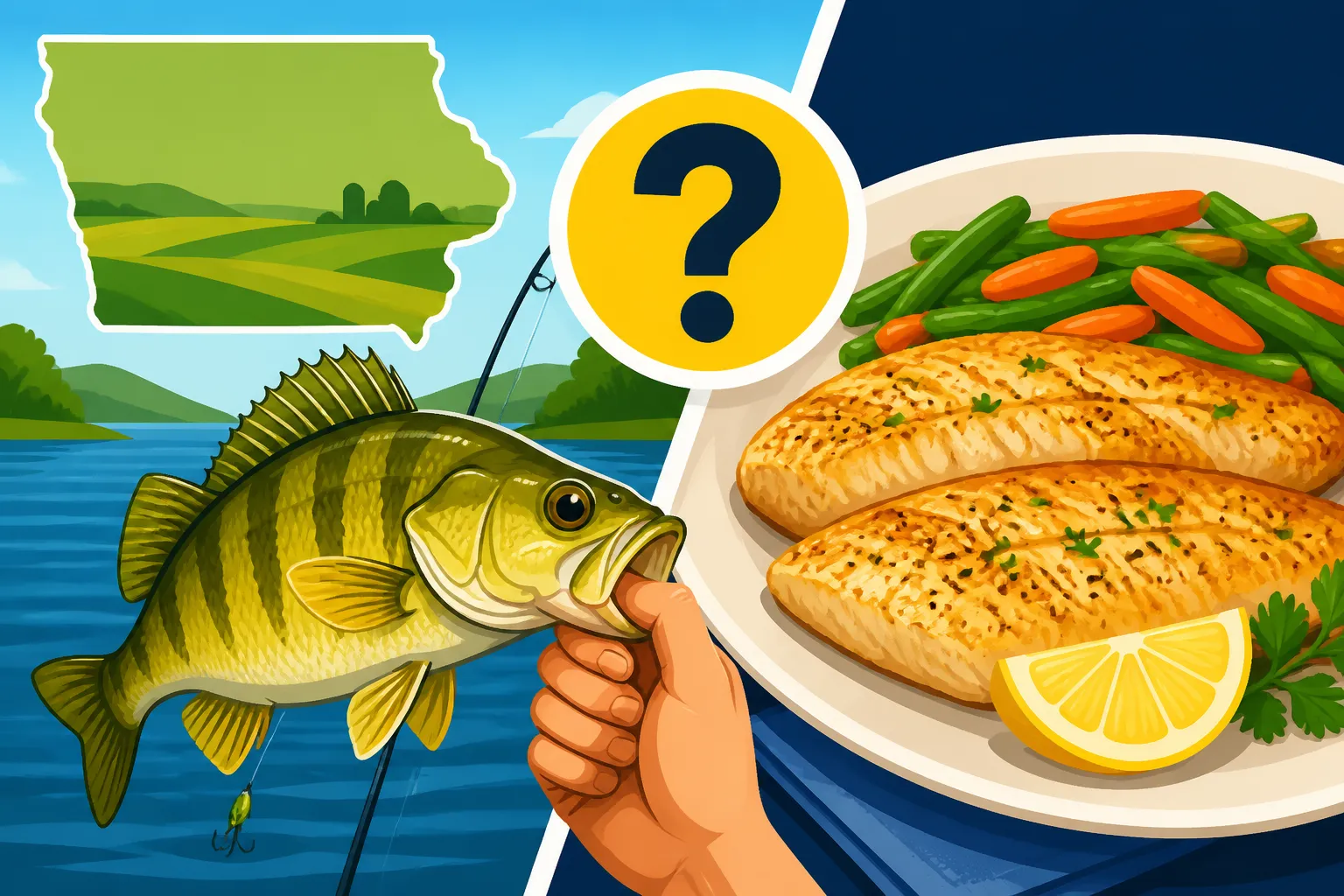
For many Iowa anglers, especially those just starting out or families looking for consistent action, yellow bass are a common catch. But often, the question arises: are these feisty, schooling fish actually good to eat, or are they better left in the water? It’s a valid concern, as some smaller species can get a bad rap for being "too bony" or having an off-taste. This guide is here to cut through the confusion and help you decide if yellow bass deserve a spot on your dinner plate, offering insights into their flavor, texture, and the best ways to prepare them for a delicious meal.
Understanding Yellow Bass in Iowa Waters
Yellow bass are truly a unique part of Iowa’s diverse fishery. They're often overshadowed by their larger cousins like walleye or bass, but these little fighters offer a ton of fun and, as we'll explore, can be quite tasty. If you've ever found yourself in a school of feeding yellow bass, you know just how exciting and fast-paced the fishing can be!
What Makes Yellow Bass Unique?
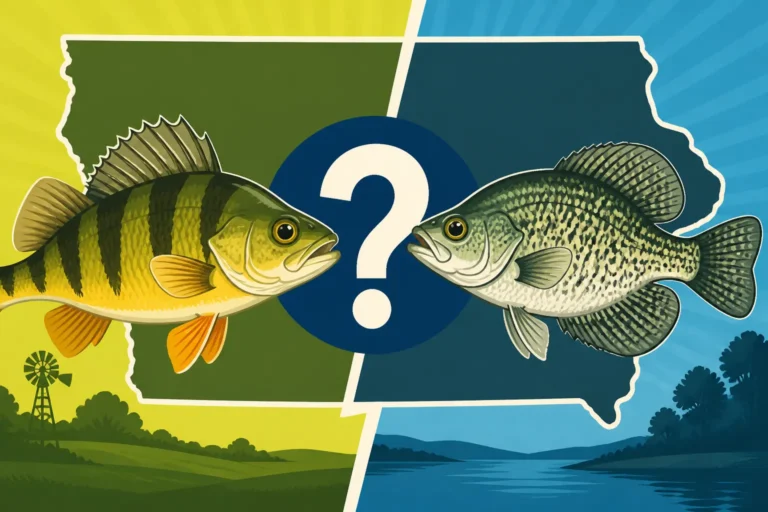
Yellow bass, scientifically known as Morone mississippiensis, are easily identifiable. They typically have a greenish-yellow back that fades to silvery sides, marked by several prominent, often broken, horizontal stripes. Unlike white bass, their stripes are usually irregular and don't always extend consistently down their body. They're generally a smaller fish, usually topping out around 6 to 10 inches in Iowa, though some can push a little bigger. Don't let their size fool you, though; they're incredibly feisty for their stature and pull hard on light tackle.
Their natural habitat in Iowa is usually in larger lakes and reservoirs, and they thrive in open water. They are prolific breeders and can establish strong populations very quickly. This is often why you’ll encounter them in such large numbers, especially in lakes where they have an abundance of forage. Their ability to reproduce efficiently means that, in many bodies of water, they are a dominant panfish species, providing endless opportunities for anglers. They are also known for their schooling behavior, which can lead to incredible fishing frenzies where you can catch fish after fish in a short amount of time. It's truly an experience that gets your heart pumping, especially if you're introducing someone new to fishing!
Where to Find Them in Iowa
If you're looking to target yellow bass specifically, you'll want to head to some of Iowa's larger, well-established lakes. Yellow Bass at Clear Lake is a prime example where these fish absolutely thrive, offering some of the best yellow bass action in the state. Other waters like the Iowa Great Lakes also hold good populations. They often congregate around submerged structure, humps, or even in open water following baitfish. It's not uncommon to find them suspended over deeper water, especially during the warmer months, as they chase shad and other small baitfish.
Finding them can sometimes be as simple as watching for surface activity – if you see baitfish scattering or birds diving, there’s a good chance yellow bass are underneath, actively feeding. During the colder months, they tend to move into deeper basin areas, often suspending in large schools. The ease of catching them, even for novice anglers, makes them a fantastic target. You don't need fancy gear or advanced techniques; a simple hook, line, and a piece of bait or small jig often does the trick. This accessibility is a huge part of their charm, making them a go-to for many family fishing trips across Iowa.
The Culinary Verdict: Taste and Texture
Now for the main event: how do yellow bass stack up on the dinner table? It’s a question that can spark some debate among anglers, but generally, the consensus is quite positive, especially when prepared correctly. They might not be the trophy fish that gets mounted on the wall, but they can certainly be a delicious and abundant source of fresh fish.
What Do Yellow Bass Taste Like?
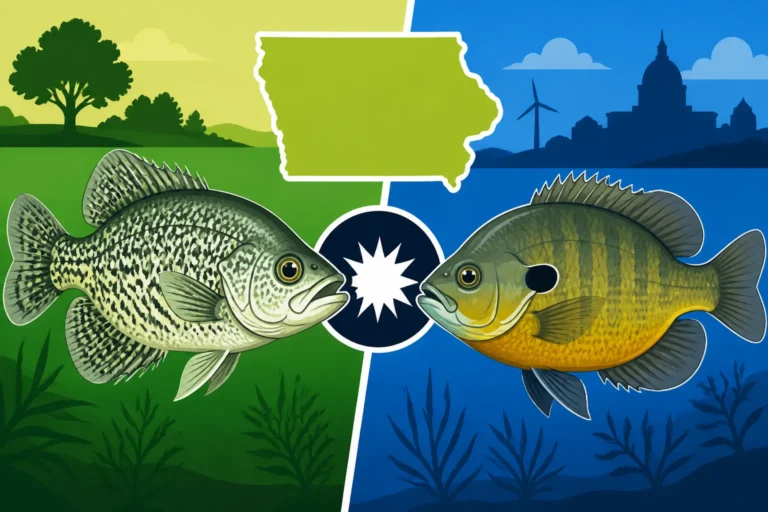
When fresh and properly cleaned, yellow bass have a mild, flaky, and slightly sweet flavor. Many anglers describe their taste as being similar to crappie or bluegill, perhaps a touch firmer than crappie but not as dense as some other game fish. They don't have an overly "fishy" taste, which is a big plus for those who are sensitive to stronger flavors. This makes them a very versatile fish for various cooking applications, as they readily absorb the flavors of seasonings and sauces without being overpowered.
The quality of the water they come from can play a role in their taste, as it does with any fish. Yellow bass from clear, clean Iowa lakes are generally going to have a cleaner, more pleasant flavor than fish from murky or stagnant water. Their diet also influences taste; fish feeding on natural forage like minnows and insects tend to have a better flavor profile. The size of the fish can also matter, with smaller yellow bass (6-8 inches) often offering the best and most tender fillets, while very large ones can sometimes develop a slightly tougher texture.
The Texture Question: Firmness and Flakiness
The texture of cooked yellow bass is generally flaky and firm, but not tough. It holds together well, especially when fried or baked, which is a desirable quality in panfish. You won't typically find them to be mushy or watery, provided they're cooked correctly and not overdone. This firm flakiness makes them enjoyable to eat, and they don't disintegrate on your fork, which can sometimes be an issue with more delicate fish.
There's an old myth that some panfish, especially from certain waters, can have a "muddy" taste or mushy texture. While poor water quality can affect any fish, it's not an inherent trait of yellow bass themselves. Freshness is absolutely paramount. Fish that are kept on ice immediately after catching and processed quickly will always have the best texture and flavor. The key really is in handling them well from the moment they come out of the water until they hit the pan. If you're quick with your cleaning and cooking, you'll be rewarded with a delightful texture that rivals many more celebrated panfish.
Preparing Yellow Bass for the Table
Getting yellow bass ready for cooking is half the battle, and honestly, it’s not as daunting as some people might think. Yes, they are smaller, meaning you'll need a few more to make a meal, but the process is straightforward and well worth the effort for that fresh catch.
Cleaning and Filleting Yellow Bass
Cleaning yellow bass isn't much different than cleaning other panfish, just on a slightly smaller scale. Their size means that you might opt to clean them whole (gutted, scaled, and head removed) or take the time to fillet them. For many, filleting is the preferred method, as it eliminates any small bones and gives you pure, boneless meat.
Here's a basic step-by-step for filleting:
- Start with a Sharp Knife: This is critical. A good, flexible fillet knife will make the job much easier and safer. You can find excellent options on Amazon, often in sets that include a sharpening stone. Best Fillet Knife for Cleaning Fish
- Make the Initial Cut: Lay the fish on its side. Just behind the gill plate, cut down until you feel the backbone. Don't cut through the backbone.
- Turn the Blade: Rotate your knife blade parallel to the backbone, and carefully slice along the backbone towards the tail. Keep the blade as close to the bone as possible to maximize your yield.
- Remove the Ribs: Once you have the fillet off, lay it skin-side down. You’ll see the rib cage bones. Carefully slide your knife under the ribs, cutting them away. Some anglers prefer to skin the fish first, then remove the ribs.
- Skinning the Fillet: Lay the fillet skin-side down, tail end pointing towards you. Make a small cut at the very end of the tail, just above the skin, without cutting through the skin. Grip the skin firmly with one hand, and with the knife angled slightly down, saw the blade back and forth, pushing it away from you. The skin should peel away cleanly, leaving you with a boneless, skinless fillet.
It might seem like a lot of work for a small amount of meat, but once you get the hang of it, you'll be zipping through a pile of yellow bass in no time. Plus, the fresh taste is its own reward! Remember to keep your fillets cold while you're working, and rinse them thoroughly afterward.
Popular Cooking Methods
Yellow bass are incredibly versatile in the kitchen. Their mild flavor and flaky texture lend themselves well to a variety of cooking methods, but some truly let them shine.
- Frying: This is, without a doubt, the most popular way to cook panfish in Iowa, and yellow bass are no exception. A simple dredge in seasoned flour, cornmeal, or a specialized fish breading, followed by a pan-fry or deep-fry until golden brown and crispy, is pure heaven. The mild fish pairs perfectly with a crispy crust. Serve them with tartar sauce, a squeeze of lemon, and maybe some coleslaw or hushpuppies for a classic meal.
- Baking: For a lighter option, baking is fantastic. Place fillets in a baking dish, drizzle with olive oil or melted butter, season with your favorite herbs (dill, parsley, lemon pepper work wonderfully), and bake until the fish is opaque and flakes easily. This method really highlights their natural sweetness.
- Grilling: If you're hesitant to fillet, or just want to try something different, consider grilling yellow bass whole (cleaned and gutted, but with skin and head on). Wrap them in foil with some lemon slices, butter, and seasonings. The foil packet steams the fish to perfection, keeping it moist and infusing it with flavor. You can also carefully place larger fillets directly on a well-oiled grill grate for a quick sear, but be gentle as they are delicate.
No matter your chosen method, aiming for simple seasonings often works best to let the natural flavor of the fish come through.
Addressing Potential "Fishy" Flavors
While yellow bass generally aren't overly "fishy," sometimes you might encounter a batch that has a stronger scent or taste, especially if they’ve been in warmer water or weren’t processed immediately. Don't worry, there are a few tried-and-true tricks to minimize this and ensure a pleasant meal:
- Immediate Icing: The absolute best defense against "fishy" flavors is proper care from the moment the fish is caught. Get your yellow bass on ice immediately. This slows down any enzymatic breakdown and keeps the flesh firm and fresh. An insulated cooler is an essential piece of gear for any Iowa angler.
- Remove Dark Meat: Some fish species have a strip of darker, reddish meat along the lateral line. This can sometimes contribute to a stronger flavor. After filleting, you can simply trim this dark strip away with your knife.
- Brining: A short brine can work wonders. Soak your fillets in a mixture of cold water and a tablespoon or two of salt for about 15-30 minutes. Some people prefer soaking in milk for about an hour. Both methods can help draw out impurities and subtle "off" flavors, leaving you with cleaner-tasting meat. Just be sure to rinse the fillets thoroughly after brining and pat them dry before cooking.
- Freshness is Key: This can't be stressed enough. The sooner you eat your yellow bass after catching them, the better they will taste. If you're not planning to eat them within a day or two, freezing them properly (vacuum-sealed or in water-filled bags to prevent freezer burn) is crucial for maintaining quality.
By following these simple steps, you can confidently turn a great day of yellow bass fishing into a great meal, minimizing any concerns about undesirable flavors.
Yellow Bass in Your Iowa Fishing Adventures
Beyond just their edibility, yellow bass offer a unique and valuable contribution to the Iowa angling scene. They are more than just a target; they represent a fantastic opportunity for many different types of fishing experiences.
Why Target Yellow Bass?
There are so many great reasons to specifically target yellow bass in Iowa. First and foremost, they are fantastic for kids and beginners. Their willingness to bite, combined with their abundant numbers, means that new anglers are almost guaranteed to catch fish. There’s nothing quite like seeing a child’s face light up with their first catch, and yellow bass provide that moment consistently. They teach basic angling skills, like setting the hook and reeling in, without the frustration of long waits or tricky presentations. Best Fishing Spot for Beginners Near Des Moines can often include waters known for strong yellow bass populations.
For experienced anglers, targeting yellow bass can provide an action-packed fishing experience. When you find a school, it's often non-stop action, allowing you to refine your casting, jigging, or retrieve techniques. Plus, they're simply fun to catch on light tackle. Beyond the sport, they're an excellent way to fill the cooler with fresh, delicious fish. While individual fillets are small, accumulating a good number of them provides ample meat for a family meal or a fish fry with friends. They provide a plentiful harvest that contributes to sustainable fishing practices, given their robust populations.
Responsible Harvesting and Regulations
Even with abundant species like yellow bass, it's important to be a responsible angler. Iowa generally has very generous limits for yellow bass and other panfish. For example, the combined daily bag limit for crappie and sunfish (which bluegill are a part of) is quite high in most waters. While specific limits might not always be explicitly stated for yellow bass, they often fall under general panfish regulations or are managed to allow for liberal harvest due to their reproductive rates. Crappie and Sunfish Limits in Iowa are a good reference for similar species.
However, always make sure to consult the most current Iowa Fishing Regulations Explained before heading out. Regulations can change, and it's your responsibility to know the rules for the specific body of water you're fishing. The general principle is to only keep what you will realistically eat or share. While it's tempting to fill a cooler when the bite is hot, practicing selective harvest helps maintain healthy fish populations and avoids waste.
Gear for Catching Yellow Bass
You don't need a boatload of expensive gear to have a blast catching yellow bass. In fact, that's part of their appeal!
- Light Spinning Tackle: A simple ultralight or light action spinning rod (5 to 6 feet long) paired with a small spinning reel spooled with 4-6 pound test monofilament or fluorocarbon line is perfect. This setup allows you to feel even the lightest bites and makes fighting these smaller fish a lot of fun. Best Spinning Reels for Panfish are often ideal for yellow bass.
- Small Jigs and Live Bait: Yellow bass aren't picky. Tiny jigs (1/32 to 1/8 ounce) tipped with a small plastic grub, a piece of worm, or a waxworm are highly effective. Small spoons or even tiny crankbaits can also work. Live bait like small minnows or pieces of nightcrawler under a bobber are virtually irresistible to them.
- Affordable Options: One of the great things about yellow bass fishing is that the gear is very accessible. You can put together a perfectly effective setup without breaking the bank. Entry-level rods and reels, a basic tackle box, and a selection of small lures and hooks are all readily available, including online through retailers like Amazon. This makes it easy for anyone to get started. Best Lures for Panfish will often include many options perfect for yellow bass.
No matter where you choose to fish in Iowa, or how you prefer to prepare your catch, yellow bass offer an excellent opportunity for enjoyable angling and a surprisingly delicious meal. Don't let their small size fool you – they can be a big part of your next fishing adventure!
| Feature | Yellow Bass | Crappie (Black/White) | Bluegill |
|---|---|---|---|
| Typical Size | 6-10 inches | 8-12 inches | 6-9 inches |
| Flavor Profile | Mild, slightly sweet | Very mild, delicate, sweet | Mild, sweet |
| Texture | Flaky, firm | Very flaky, tender | Flaky, moderately firm |
| "Fishy" Taste? | Generally low, can be managed | Very low | Very low |
| Ease of Fillet | Moderate (smaller size) | Easy | Easy (round body) |
| Bones | Few if filleted | Few if filleted | Few if filleted |
| Best Cooked | Fried, baked, grilled (foil) | Fried, baked, pan-seared | Fried, baked, pan-seared |
| Abundance | Highly abundant, schooling | Abundant, schooling | Extremely abundant, schooling |
Disclaimer
This article is for general informational purposes only and does not constitute professional advice. Laws, prices and regulations vary by location and change over time. Consult a qualified professional for guidance on your specific situation.