Bullhead Fishing Basics
You've heard the whispers, seen the smiles from anglers holding a stringer of modest but mighty fish, and perhaps wondered if you're missing out on one of Iowa's most accessible and enjoyable fishing experiences. Bullheads, often overlooked in favor of their larger catfish cousins, are a fantastic target for anglers of all skill levels, offering consistent action and delicious table fare. This comprehensive guide will demystify bullhead fishing, sharing essential tips, gear recommendations, and proven techniques to help you fill your cooler.
Understanding the Humble Bullhead
Bullheads are often the unsung heroes of many Iowa fishing adventures. They might not jump like a bass or fight with the raw power of a muskie, but they make up for it with their sheer abundance, willingness to bite, and the simple joy they bring to a day on the water.
What Makes Bullheads Unique
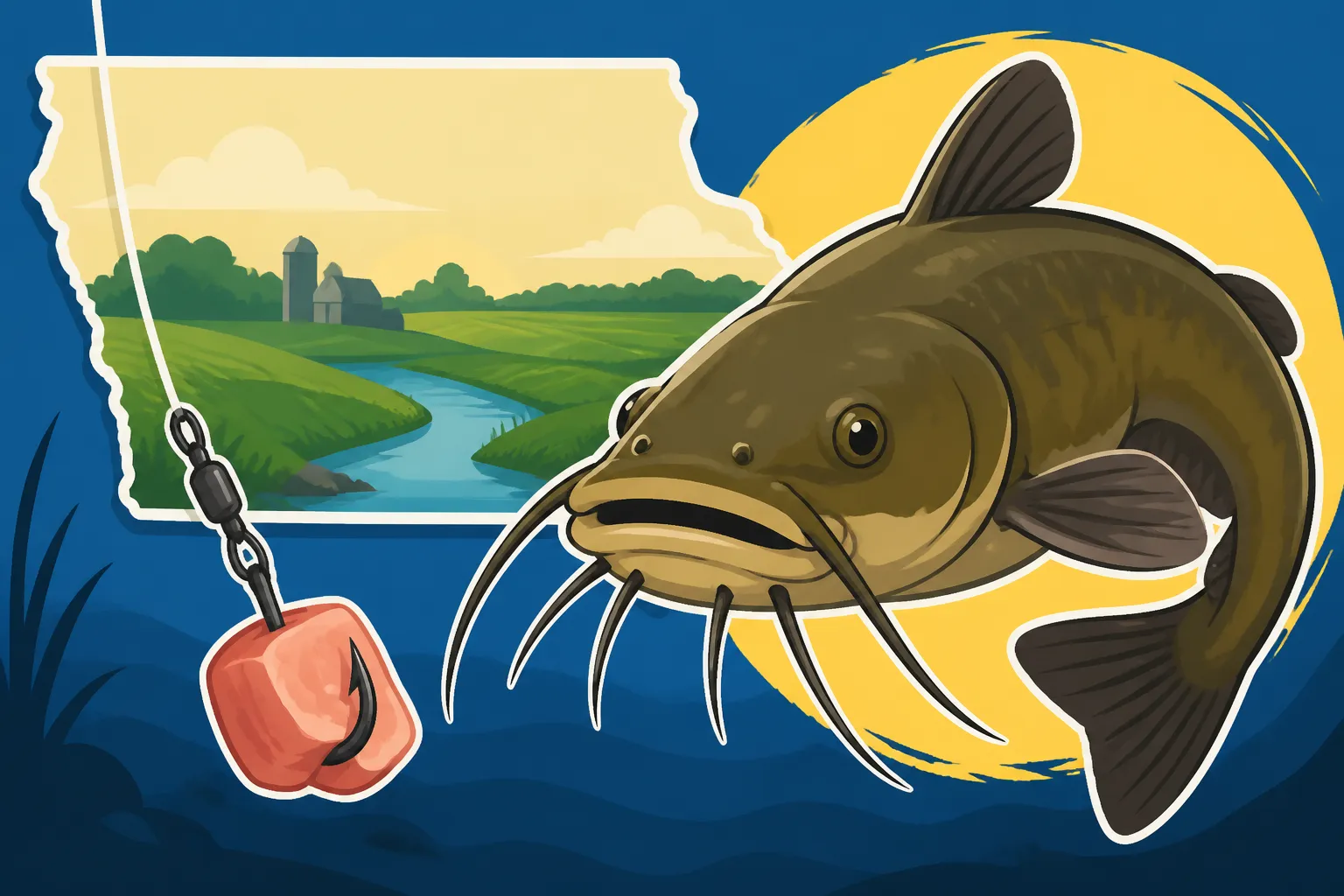
While closely related to channel and flathead catfish, bullheads have their own distinct charm. You'll typically encounter three species in Iowa: the black bullhead, brown bullhead, and yellow bullhead. The black bullhead is by far the most common, thriving in a wide range of water conditions. They're recognized by their smooth, scaleless skin, stout bodies, and the distinct barbels (whiskers) around their mouths, which they use to find food in murky waters. Unlike channel catfish, bullheads have a rounded anal fin and a more compact, almost pot-bellied appearance. They're incredibly resilient, capable of surviving in low-oxygen environments that would spell doom for many other fish. This hardiness makes them excellent targets, especially when other species are finicky. Understanding their physical traits and behavior is the first step to consistent success. If you've ever wondered about the Difference Between a Bullhead and a Catfish, it really comes down to these subtle but important distinctions.
Where Bullheads Call Home in Iowa
Bullheads are the ultimate adaptable fish, making them widely distributed across Iowa's aquatic landscapes. You'll find them almost everywhere: slow-moving rivers, calm backwaters of larger rivers like the Mississippi, natural lakes, oxbow lakes, farm ponds, and even urban impoundments. They absolutely love soft, mucky bottoms where they can root around for food. Areas with plenty of submerged vegetation, fallen timber, or other forms of cover are prime bullhead territory. They don't mind turbid (cloudy) water, which is often a big advantage for anglers, as clear water can sometimes make other species wary. Think about those overlooked corners of your local lake, the silted-in coves, or the deeper pockets of a slow creek—these are exactly the places bullheads will be thriving. They are truly one of the most common and accessible species for Iowa anglers, proving that you don't always need a pristine, clear-water lake to find good fishing.
Essential Gear for Bullhead Success
One of the greatest things about bullhead fishing is that you don't need to break the bank on fancy equipment. Simple, reliable gear is all it takes to get in on the action, making it a fantastic entry point for new anglers and a relaxing alternative for seasoned pros.
Rods, Reels, and Line for Bullheads
For bullheads, you're not looking for ultra-light finesse or heavy-duty power. A medium-light to medium-action spinning rod, typically 6 to 7 feet long, is absolutely perfect. This type of rod offers enough backbone to handle a decent-sized bullhead but is sensitive enough to detect their often subtle bites. Pair it with a spinning reel in the 2000 to 3000 size range. These reels are easy to cast, retrieve smoothly, and hold plenty of line for bullhead encounters. As for line, 6 to 10-pound monofilament or fluorocarbon is ideal. Monofilament is usually sufficient and budget-friendly, offering good abrasion resistance for fishing around cover. You can find excellent, affordable combos that will last for years on platforms like Amazon. For those looking at versatility, a setup often recommended for panfish can easily double for bullheads, so checking out a Best Budget Spinning Combo for Panfish might give you some great ideas.
Hooks, Weights, and Floats
When it comes to terminal tackle, simplicity reigns. Bullheads have relatively large mouths and aren't particularly picky.
- Hooks: A popular choice is a size 4 or 2 circle hook, or a wide-gap bait hook. Circle hooks are fantastic because they reduce gut-hooking, making release easier if you're not keeping them, and they often set themselves as the fish swims away. If you're using a standard J-hook, sizes 6 to 1 are good starting points. For general catfish and bullhead fishing, knowing the Best Hook Size for Channel Catfish can provide a good benchmark.
- Weights: Bullheads are bottom feeders, so you'll want to get your bait down. A simple split shot or an egg sinker (1/8 to 1/2 ounce, depending on current and depth) rigged above a swivel will do the trick. A slip sinker rig (Carolina rig style) allows the line to pass freely through the sinker, giving the bullhead less resistance when it bites.
- Floats: While many prefer to fish bullheads on the bottom, a slip float can be effective, especially if you want to suspend your bait just above mucky bottoms or over submerged grass. This also gives you a visual indicator of a bite, which is fun to watch.
A small tackle box filled with these basics, readily available on Amazon, will set you up for countless hours of bullhead enjoyment. Consider a Best Tackle Box Setup for Beginners to get a good foundational kit.
Baiting Up for Bullheads
If there's one thing bullheads are famous for, it's their indiscriminate appetite. They are opportunistic scavengers, which means a wide array of baits can entice them. This makes bullhead fishing incredibly accessible, as you often don't need highly specialized or expensive offerings.
Natural Bait: The Bullhead's Favorites
When it comes to bullheads, the stinkier and juicier, the better! They rely heavily on their sense of smell and their barbels to locate food, especially in murky water or low light conditions.
- Worms: Nightcrawlers and redworms are absolute bullhead magnets. Thread a whole nightcrawler onto your hook, letting the ends dangle, or use smaller pieces of redworm. The wiggling action and natural scent are irresistible.
- Cut Bait: Small pieces of cut bait, like shad, carp, or even panfish (where legal), are fantastic. The oily scent trails through the water, drawing bullheads in from a distance.
- Stink Baits: Commercial stink baits, often used for larger catfish, work wonders for bullheads too. They come in various forms—dips, doughs, and pre-formed balls—and are designed to emit a powerful scent. Just be warned, they live up to their name!
- Corn and Cheese: Believe it or not, kernels of sweet corn or small cubes of cheese can also catch bullheads, especially in ponds where they might be accustomed to human food. These are great kid-friendly options.
- Chicken Liver: A classic for catfish, chicken liver is equally effective for bullheads. Its soft texture means it needs to be carefully hooked or wrapped, but the strong scent is hard for a bullhead to ignore. This is also a common choice for those exploring Best Bait for Channel Catfish.
The key is to offer something readily available, smelly, and easy for them to grab. Many of these natural baits can be purchased locally or found right in your backyard, making bullhead fishing an economical pastime.
Artificial Lures and When to Use Them
While natural bait is overwhelmingly popular for bullheads, there are niche situations where artificial lures might come into play, though they are certainly not the primary method. Bullheads are not typically aggressive predators that chase down fast-moving lures. However, if you're targeting other species and happen to be using small jigs or soft plastics, you might occasionally hook a curious bullhead.
- Small Jigs: A tiny jig tipped with a piece of worm or scented soft plastic might tempt a bullhead that's actively foraging. This is more of an accidental catch while targeting panfish or small bass.
- Scented Soft Plastics: Some anglers use small, scented soft plastic baits, particularly those designed for ice fishing or crappie fishing. The scent can attract them, and the subtle movement might trigger a bite.
Generally, if your goal is specifically to catch bullheads, stick with natural baits. They are far more effective and less frustrating than trying to entice them with artificials. Remember, bullheads are about the sensory appeal of smell and taste, not flash and movement.
Prime Fishing Spots and Times
Finding bullheads isn't usually the biggest challenge in Iowa; they're quite prolific. The trick is knowing where to focus your efforts within their preferred habitats and when they are most active.
Identifying Bullhead Hotspots
Bullheads are creatures of comfort, preferring areas that offer soft bottom, cover, and a steady food supply. When you're scouting a lake, pond, or slow-moving river, look for these key features:
- Muddy or Silt-Bottomed Areas: This is their absolute favorite. They use their barbels to feel along the bottom, sifting through the muck for insects, larvae, and detritus. Think about coves, stagnant backwaters, or deeper channels in slow rivers that accumulate silt.
- Weed Beds and Submerged Vegetation: Bullheads will often hide in and around dense aquatic plants, which provide cover from predators and are a rich source of food. Fish the edges and any pockets within these beds.
- Fallen Trees and Brush Piles: Like many fish, bullheads love structure. Submerged timber offers shade, protection, and a habitat for their food sources. Cast your bait close to these snags.
- Around Docks and Piers: These man-made structures often create shaded areas and concentrate baitfish and invertebrates, attracting bullheads. This is especially true if the bottom near the structure is soft.
- Inflow/Outflow Areas: During periods of rain or higher water, nutrient-rich water flowing into a body of water can concentrate food, drawing bullheads. Conversely, outflow areas can funnel food past waiting bullheads.
If you're fishing from shore, target accessible points with these characteristics. If you're in a boat, use your depth finder to locate soft bottom contours and submerged structure.
Best Seasons and Times for Bullheads
Bullheads are one of those species you can catch year-round in Iowa, but certain seasons and times of day offer better action.
- Spring and Fall: These are arguably the prime seasons. As water temperatures rise in spring, bullheads become very active, feeding heavily after the colder months. Similarly, in fall, they'll pack on fat before winter. The moderate temperatures also make for comfortable fishing for anglers.
- Summer: You can definitely catch bullheads in summer, but they tend to be more active during cooler periods. This is where night fishing really shines.
- Winter: Yes, you can even ice fish for bullheads! They'll still be on the bottom, often in deeper holes, but bites can be lighter.
Time of Day:
Bullheads are primarily nocturnal feeders, meaning they are most active from dusk through the night and into early morning. This is when they feel safest from predators and when many of their food sources are active. If you're looking for consistent action, especially during the warmer months, Night Fishing Rules for Anglers is an excellent resource to review before heading out. However, don't rule out daytime fishing, especially on cloudy days or in murky water, where the light penetration is reduced. Early mornings and late evenings can also be very productive during the day.
Mastering Bullhead Techniques
Catching bullheads isn't rocket science, and that's part of their charm. They're straightforward, but a few fundamental techniques will significantly increase your catch rate and overall enjoyment.
Rigging Up and Casting
The most common and effective way to fish for bullheads is to present your bait on the bottom.
- Bottom Rig (Carolina Rig style): This is a classic. Start by sliding an egg sinker (1/4 to 1/2 ounce, depending on current) onto your main line. Tie on a barrel swivel, then attach an 8-12 inch leader of slightly lighter line (e.g., 6-pound test) to the other end of the swivel. Finally, tie on your hook (size 4 or 2 circle hook). This setup allows the bullhead to take the bait without feeling the full weight of the sinker, leading to more confident bites.
- Basic Bottom Rig (Fixed Sinker): For calmer waters or when you want to keep your bait in one precise spot, you can use a fixed sinker (like a pyramid or bank sinker) tied directly to the end of your main line, with a short leader and hook tied above it via a dropper loop or a three-way swivel.
Once your rig is set, cast it out to your chosen hotspot. If you're fishing from the bank, try to fan-cast to cover different areas. If from a boat, position yourself to cast to structure or depth changes. For general catfish setups, much of the advice applies here, so consider reading up on the Best Rod Setup for Catfish on the Mississippi River for broader rigging ideas.
Detecting Bites and Landing Your Catch
Bullhead bites can range from a gentle "tap-tap" to a more aggressive tug. Because they're often bottom feeding, you might see your rod tip gently bend and then straighten, or slowly pull down.
- Rod Holder is Your Friend: When bank fishing, setting your rod in a sturdy rod holder allows you to relax and wait for the bite. Watch the rod tip intently.
- Slack Line: Sometimes, a bullhead will pick up the bait and swim directly towards you, causing slack in your line. If you see your line go slack when it should be taut, reel down and set the hook!
- Setting the Hook: With circle hooks, you typically don't need a strong, sweeping hookset. Just slowly reel in until the line is taut, and the hook will usually find its way into the corner of the bullhead's mouth. For J-hooks, a firm but not overly aggressive upward sweep of the rod tip is usually sufficient.
- The Fight: Bullheads aren't known for acrobatic fights, but they'll put up a respectable tug, especially larger ones. Keep steady pressure, reel them in, and be ready with a net if you're targeting bigger specimens, though most can be hand-landed carefully.
- Handling: Bullheads have sharp pectoral and dorsal spines that can deliver a painful poke. Always handle them carefully. A pair of pliers can be useful for hook removal, and a sturdy landing net can help you control them. Many anglers will grab them from the top, pressing the dorsal fin down with their thumb to control the fish safely.
Table: Common Bullhead Rigs
| Rig Type | Components | Best Use Case | Key Benefit |
|---|---|---|---|
| Slip Sinker Rig | Egg sinker, barrel swivel, leader, hook | Still water, light current, bottom feeding | Minimal resistance to the biting fish |
| Fixed Sinker Rig | Sinker, 3-way swivel (optional), leader, hook | Moderate current, precise bait placement, heavy bait | Keeps bait firmly in place, good for strong current |
| Slip Float Rig | Slip float, bobber stop, weight, leader, hook | Suspending bait above weeds/muck, visual indicator | Keeps bait off bottom, fun to watch for bites |
Night Fishing for Bullheads
As mentioned, night fishing is incredibly productive for bullheads, especially during the warmer months when they retreat to cooler, deeper water during the day.
- Safety First: Always fish with a buddy at night. Bring a reliable headlamp (many great options on Amazon) and a lantern to illuminate your fishing area. Be aware of your surroundings and any local Night Fishing Rules for Anglers.
- Glow Sticks: Taping a small glow stick to your rod tip is a classic way to detect bites in the dark. The slightest twitch will be visible.
- Scent is Key: Double down on smelly baits at night. The darker it is, the more bullheads rely on their sense of smell to hunt.
- Familiar Spots: Fish spots you know well during the day to avoid unforeseen obstacles in the dark.
- Relax and Enjoy: Night fishing offers a unique, peaceful experience. Listen to the sounds of nature, watch the stars, and enjoy the anticipation of that glowing rod tip bending down.
Handling and Preparing Your Catch
Once you've got a stringer full of bullheads, the fun doesn't stop there. These fish are renowned for their delicious, mild-flavored meat, but knowing how to properly handle and clean them will make all the difference in the final meal.
Safely Handling Bullheads
Bullheads, despite their smaller size compared to channel cats, still pack a punch with their sharp, locking dorsal and pectoral fins. These spines can deliver a nasty prick, so careful handling is crucial.
- Avoid the Spines: The most important rule is to avoid grabbing them directly over the back or from the sides where their fins are.
- Top Grip: The safest way to handle a bullhead is to firmly grasp it from the top, just behind the head, pressing your thumb down on its dorsal fin to keep it flat. This immobilizes the fish and its spines.
- Pliers for Hook Removal: A good pair of long-nosed pliers, easily found on Amazon, is invaluable for removing hooks, especially if the fish has swallowed the bait. This keeps your fingers away from sharp teeth and hooks.
- Keep Them Fresh: If you plan on eating your catch, keep them alive on a stringer in the water or immediately put them on ice in a cooler. This ensures the best quality meat. A cooler also keeps them from flopping around and potentially injuring you.
Cleaning Your Bullheads for the Frying Pan
Cleaning bullheads might seem daunting at first due to their tough skin, but with a bit of practice, it becomes quick and easy. Many anglers prefer to "skin" bullheads rather than scale them, which is a surprisingly efficient process.
- Preparation: Have a sharp fillet knife, a pair of pliers, and a sturdy cutting board ready. You might also want gloves for better grip and protection.
- Head Cut: Lay the bullhead on its side. Make a deep cut behind the head, down to the backbone, but do not cut all the way through. This cut should go from the top of the fish down to the belly, just behind the pectoral fins.
- Skinning: Using your pliers, grab the skin firmly at the top edge of your cut near the backbone. Pull the skin towards the tail with a steady, firm motion. The skin should peel off, often in one piece, like peeling a banana. Repeat on the other side. You may need to use your knife to help separate the skin from the flesh in tougher spots.
- Remove Head and Guts: Once the skin is off, twist or cut off the head. Then, make a shallow cut along the belly to remove the internal organs. Rinse the fish thoroughly under cold water to remove any remaining blood or bits of organ.
- Filleting (Optional): For larger bullheads, you can fillet them, but many anglers simply clean them whole (after removing the head, skin, and guts) and fry them. The bones are relatively large and easy to work around while eating.
This cleaning process is quite similar to cleaning larger catfish, so if you've ever cleaned a channel cat, you're already ahead of the game. For a visual guide or more detailed steps, you can search for "how to fillet a catfish" tutorials, as the methods are highly transferable.
Eating Your Catch: Why Bullheads are Delicious
Now for the best part: enjoying the fruits of your labor! Bullheads often get a bad rap because of their habitat, but their meat is surprisingly tasty and rivals many more "glamorous" fish.
The Flavor Profile of Bullheads
Bullhead meat is known for being mild, flaky, and sweet, with a firm texture. It lacks the strong, "fishy" taste that some people associate with bottom feeders. Many compare the flavor to other panfish or even to certain types of whitefish. The key to good-tasting bullheads, as with any fish, is proper handling and cleaning. If they're kept alive until cleaned or immediately put on ice, the quality of the meat will be excellent. There's a common misconception that fish from muddy waters will taste muddy, but this is rarely the case with properly cleaned bullheads. If you're wondering if Are Bullheads Good to Eat?, the answer from most who try them is a resounding yes!
Popular Cooking Methods
Bullheads lend themselves well to a variety of cooking methods, but crispy fried bullhead is a perennial favorite in Iowa and across the Midwest.
- Deep Frying: This is the most popular method. After cleaning, pat the fish dry. Season them with salt, pepper, garlic powder, and your favorite fish seasoning. Dredge them in a mixture of cornmeal and flour, then deep-fry in hot oil until golden brown and crispy. The mild flavor of the fish pairs perfectly with a crunchy coating.
- Pan Frying: For a lighter option, pan-fry the cleaned bullheads in a cast-iron skillet with a bit of butter or oil until cooked through and nicely browned on each side.
- Grilling: Larger bullheads can be grilled. Season them well and place them in a fish basket or on foil to prevent sticking and breaking apart on the grates.
- Baking: For a hands-off approach, season and bake them in the oven until the meat is flaky.
Serve your delicious bullheads with classic sides like coleslaw, hush puppies, potato salad, or French fries for a truly authentic Iowa meal. Don't let their humble appearance fool you – bullheads offer a fantastic culinary experience that's well worth the effort.
Disclaimer
This article is for general informational purposes only and does not constitute professional advice. Laws, prices and regulations vary by location and change over time. Consult a qualified professional for guidance on your specific situation.