How Long a Trolling Motor Battery Lasts
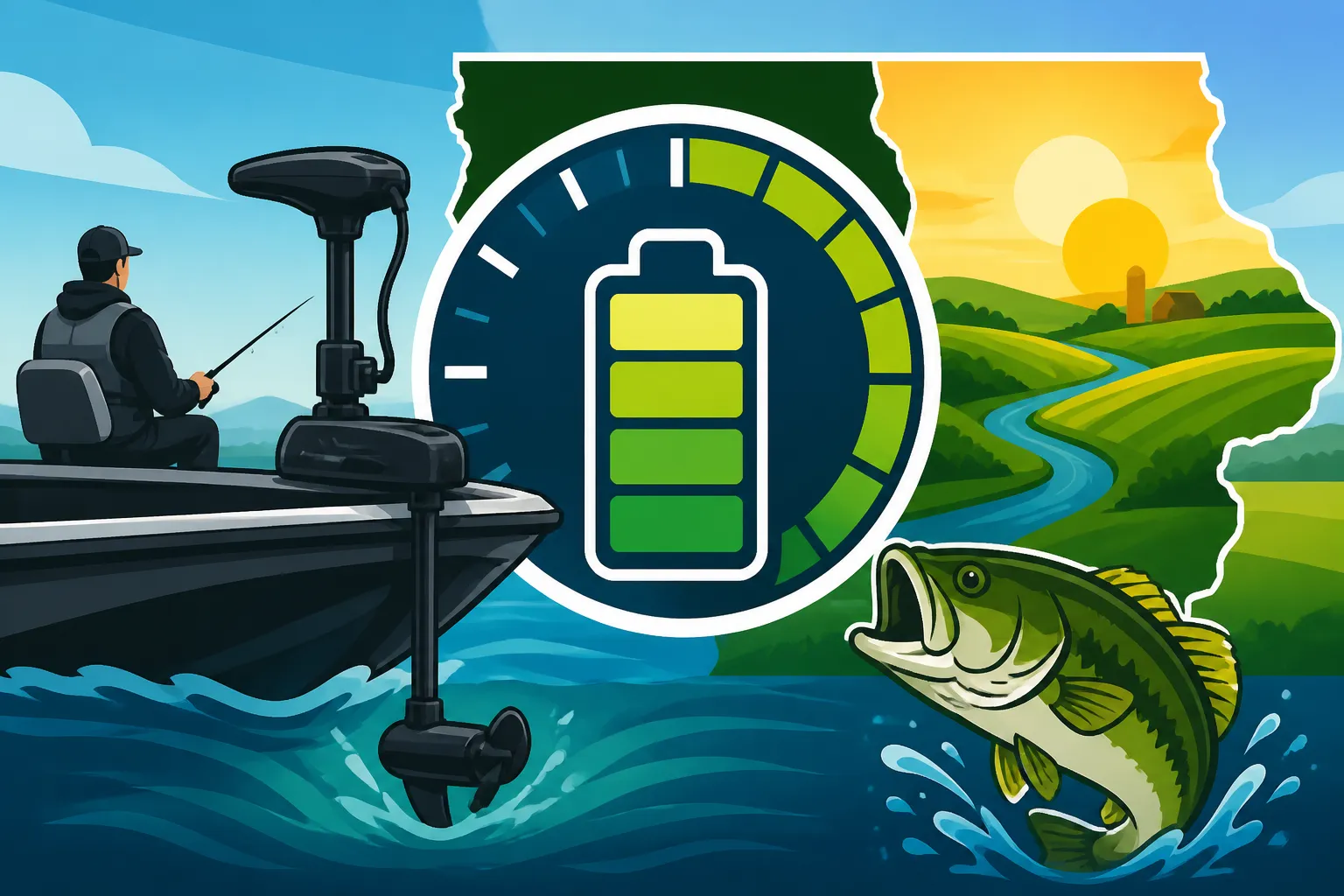
There's nothing quite as frustrating as being out on a beautiful Iowa lake, the fish are biting, and suddenly your trolling motor starts to sputter, then goes completely silent. That dreaded feeling when your battery dies prematurely can ruin an otherwise perfect day on the water. Knowing how long your trolling motor battery should last and, more importantly, how to make it last longer, is crucial for any angler. This guide will dive deep into understanding battery longevity, what impacts it, and how to get the most out of your investment.
Understanding Trolling Motor Battery Types
When we talk about how long a trolling motor battery lasts, we're really talking about two things: how long it runs on a single charge and how many years it will serve you before needing replacement. Both of these depend heavily on the type of battery you're using. It’s not a one-size-fits-all situation, and understanding the differences is key to making the right choice for your fishing adventures.
Lead-Acid Batteries Deep Cycle
For years, the tried-and-true workhorse of the fishing world has been the deep-cycle lead-acid battery. These are typically the most affordable option upfront, which makes them very popular, especially for those just getting into the sport or running smaller boats. Unlike car starting batteries, which deliver a quick burst of high power, deep-cycle batteries are designed to provide a steady, lower current over a long period, discharging much of their capacity before needing a recharge. This "deep cycling" capability is essential for trolling motors that draw power continuously throughout your fishing trip.
However, lead-acid batteries come with a few considerations. They are heavy, often require maintenance like checking and topping off water levels (if they’re not sealed), and they tend to have a shorter overall lifespan compared to more advanced options. You generally shouldn't discharge them below 50% capacity if you want to maximize their cycle life, which means a 100 Ah (Amp-hour) deep-cycle battery really only offers about 50 usable Ah for your trolling motor. If you’re often out for long days on the water or running a powerful motor, you might find yourself needing multiple batteries or wishing you had more capacity.
AGM Batteries
Stepping up from traditional flooded lead-acid, we have Absorbent Glass Mat (AGM) batteries. These are still a type of lead-acid battery, but they’re a significant improvement in many areas. In an AGM battery, the electrolyte (acid) is absorbed into fiberglass mats between the plates, rather than free-flowing liquid. This design makes them sealed, maintenance-free, and much more resistant to vibration and shock – a big plus when bouncing across choppy Iowa lakes or trailering your boat on rough roads. They also typically charge faster and have a lower self-discharge rate when stored, which is a nice bonus if your boat sits for a while between trips.
AGM batteries generally offer a longer service life and better performance than conventional flooded lead-acid batteries, especially under demanding conditions. They can often handle deeper discharges without as much impact on their overall lifespan, though you still want to avoid constantly draining them below 50% if possible. While they come with a higher price tag than flooded lead-acid, many anglers find the improved performance, durability, and lack of maintenance well worth the investment. You can find a good selection of these at retailers like Bass Pro Shops or even online through Amazon.
Lithium-Ion Batteries
At the forefront of battery technology for trolling motors are lithium-ion batteries, specifically the LiFePO4 (lithium iron phosphate) variety, which are increasingly popular due to their incredible advantages. These batteries are substantially lighter than their lead-acid or AGM counterparts, often weighing a fraction of the traditional options for the same capacity. This weight reduction can improve boat performance, fuel efficiency, and makes handling much easier when installing or removing batteries.
Beyond weight, lithium-ion batteries boast an extremely long cycle life, often thousands of cycles compared to hundreds for lead-acid, meaning they can last many, many years. They can be discharged nearly 100% without significant damage to their lifespan, providing full power until they are almost empty, and they maintain a consistent voltage output, which means your trolling motor performs at peak efficiency longer. While the initial cost of a lithium-ion battery is significantly higher, their longevity, performance, and weight savings often make them a cost-effective choice in the long run. For serious anglers looking for maximum performance and minimum hassle, they are becoming the go-to option.
| Battery Type | Initial Cost | Weight (Relative) | Maintenance | Depth of Discharge (Recommended) | Cycle Life (Years) |
|---|---|---|---|---|---|
| Lead-Acid (Flooded Deep Cycle) | Low | Heavy | Yes | 50% | 2-4 |
| AGM | Medium | Medium-Heavy | No | 50-80% | 3-6 |
| Lithium-Ion (LiFePO4) | High | Light | No | 80-100% | 8-10+ |
Factors Affecting Battery Life on the Water
Understanding the type of battery is only half the battle. How you actually use that battery out on the water has a massive impact on how long it will run on a single charge and, ultimately, how long it will last you over its lifespan. It's not just about the battery itself; it's about the entire system and the conditions you're fishing in.
Trolling Motor Usage and Power Draw
Think of your trolling motor like a gas pedal in a car. The harder you press it, the more fuel you burn. The same goes for your trolling motor battery. If you’re constantly running your motor at high speeds to fight strong winds or cover large distances, you’re drawing a lot more amperage, and your battery will drain much faster. A higher thrust (pounds of thrust) motor, while powerful, will inherently draw more current than a lower thrust model when running at the same percentage of its maximum speed. So, a 24V or 36V system might offer more power but also requires more consideration for battery capacity and run time.
Conversely, gently nudging your boat along at a low setting or using it intermittently for spot-locking or subtle course corrections will conserve a surprising amount of power. Many anglers learn to feather the throttle, using just enough power to get the job done, which significantly extends their run time. Remember, battery life isn't just about how many hours you use it, but how you use those hours. Consider how often you're running it at max power when you're thinking about How Long a Fishing License Stays Valid and planning your next trip.
Battery Capacity Amp-Hours
The most straightforward indicator of how long a battery can run your trolling motor is its Amp-hour (Ah) rating. This rating tells you how much energy the battery can store. For example, a 100 Ah battery theoretically can deliver 100 amps for one hour, or 1 amp for 100 hours. Of course, real-world usage isn't that linear, and as discussed, lead-acid batteries shouldn't be fully discharged. The more Ah you have, the longer your trolling motor can run at a given power setting.
Many modern trolling motors provide details on their amperage draw at different speed settings. By knowing your motor's draw and your battery's usable Ah capacity, you can get a rough estimate of your run time. For instance, if your motor draws 10 amps at a moderate speed and you have a single 100 Ah (50 usable Ah) deep-cycle lead-acid battery, you might get around 5 hours of continuous run time at that speed. If you have a larger boat or fish longer days, you might consider linking multiple batteries in parallel for increased capacity or upgrading to a higher Ah battery to extend your time on the water, especially if you're exploring Best Fishing Spots in Iowa.
Environmental Conditions
Mother Nature can be a real drain on your battery, quite literally. Factors like strong winds, heavy currents, and even water temperature can force your trolling motor to work harder, thus drawing more power. If you’re trying to hold your boat in place against a stiff breeze or strong river current on the Mississippi River Pool 9 Fishing, your motor will be working overtime, and your battery will deplete faster than if you were on a calm, sheltered pond.
Cold weather also impacts battery performance, especially with lead-acid batteries. Colder temperatures reduce a battery's effective capacity and make it less efficient at delivering power. This is why you might notice your battery not lasting as long during those chilly spring or late fall fishing trips. Warm water, conversely, might not directly drain your battery faster, but if it encourages you to fish longer, you'll naturally use more power. All these environmental considerations play a role in the real-world performance of your trolling motor battery. When planning your trips, especially for Winter Walleye Fishing Near Dubuque, factoring in these conditions can help you prepare.
Maximizing Your Trolling Motor Battery's Lifespan
Getting a good battery is one thing, but making it last as long as possible – both in terms of run time per charge and its overall years of service – is where smart maintenance and usage habits come into play. A little bit of care goes a long way in protecting your investment and ensuring reliable power when you need it most.
Proper Charging Practices
This is arguably the single most important factor in maximizing your battery's lifespan. Using the correct charger and following good charging habits can add years to your battery. For lead-acid and AGM batteries, this means using a smart, multi-stage charger designed for deep-cycle batteries. These chargers optimize the charging process, preventing both undercharging (which can lead to sulfation, a common killer of lead-acid batteries) and overcharging (which can boil off electrolyte and damage plates). Never use a car charger or a cheap trickle charger that isn't specifically designed for deep-cycle marine batteries; they can do more harm than good.
After a day of fishing, try to recharge your battery as soon as possible, especially if it was heavily discharged. Don't leave it sitting in a discharged state for extended periods. If you have a larger boat with multiple batteries, consider an on-board charger that can maintain all your batteries simultaneously. For lithium-ion batteries, it's even more critical to use a charger specifically designed for them, as they have different voltage requirements. Investing in a quality charger from a reputable brand you can find at Bass Pro Shops or on Amazon is just as important as the battery itself. Proper charging is also key for maintaining your Iowa Boat Registration Requirements and ensuring your vessel is ready for the water.
Storage and Maintenance
When your boat isn't on the water, how you store your batteries can significantly impact their long-term health. For all battery types, store them in a cool, dry place away from direct sunlight and extreme temperatures. For flooded lead-acid batteries, this also means periodically checking the electrolyte levels and topping them off with distilled water if needed. Always wear appropriate safety gear, like gloves and eye protection, when handling battery acid. Clean the battery terminals regularly to prevent corrosion, which can hinder current flow and reduce performance. A simple baking soda and water paste can help neutralize corrosion, followed by a light coating of dielectric grease or battery terminal protector.
During the off-season, especially if you live in a colder climate like Iowa, proper winterization is essential. Lead-acid batteries should be fully charged before storage and then checked and trickle charged periodically (or kept on a smart maintainer) to prevent self-discharge, which can lead to freezing and permanent damage in a depleted state. Lithium-ion batteries often have built-in battery management systems (BMS) that protect them during storage, but it’s still wise to follow the manufacturer's recommendations for ideal charge levels during long periods of inactivity. This diligent care will help extend its useful life, just as understanding Iowa Fishing Seasons Explained helps extend your fishing opportunities.
Matching Battery to Motor and Usage
One of the most common mistakes anglers make is under-sizing their battery for their trolling motor or their typical fishing habits. If you have a powerful 24V or 36V trolling motor and you only use a single, small 12V battery (or too few larger ones), you're constantly overworking that battery, forcing it into deep discharges that shorten its life. Consult your trolling motor's manual to understand its power requirements and recommended battery configurations. It might suggest a minimum Ah rating or recommend a multi-battery setup.
Consider your typical day on the water. Do you usually fish for a couple of hours on a small pond, or are you spending 8-10 hours navigating a large reservoir like Rathbun Lake Fishing in Iowa in windy conditions? If your trips are long and demanding, you'll need more capacity than someone with shorter, calmer excursions. Investing in a battery (or battery bank) with ample capacity for your motor and usage style will ensure you always have enough power and prevent premature battery failure. It’s better to have a little more capacity than you think you need than to constantly run on fumes, which takes a toll on the battery's overall lifespan.
When to Consider a Battery Upgrade or Replacement
Even with the best care, batteries don't last forever. Like any piece of equipment, they eventually wear out and lose their ability to hold a charge. Knowing when to replace or upgrade your trolling motor battery can save you from frustrating breakdowns on the water and ensure you're always prepared for a successful fishing trip.
Signs of a Fading Battery
Your battery will usually give you some tell-tale signs that its best days are behind it. The most obvious is a noticeable reduction in run time. If you used to get a full day of fishing out of a charge and now you're running out of juice after just a few hours, even with consistent usage patterns, your battery is likely fading. You might also notice that the battery takes much longer to charge fully, or conversely, it charges quickly but then drains rapidly once you start using it. Another sign can be a significant voltage drop under load; your trolling motor might feel weaker or struggle to maintain speed, especially at higher settings.
For flooded lead-acid batteries, sometimes you might notice bulging sides on the battery casing, or a strong sulfur smell, which can indicate internal damage. If you have a multi-battery setup, sometimes one battery might fail before the others, causing an imbalance in the system. While some of these issues can sometimes be attributed to faulty charging or connections, a consistent reduction in performance across the board usually points to an aging battery that's ready for retirement. Replacing it proactively is much better than being stranded on the water, especially if you’re fishing in a remote area.
Evaluating Your Fishing Needs
Sometimes, your battery might still be "good," but it's no longer good enough for your evolving fishing needs. Maybe you’ve upgraded to a more powerful, higher-thrust trolling motor that demands more juice. Perhaps you're starting to take longer, more ambitious fishing trips and need extended run time. Or maybe you're tired of the weight and maintenance of your current lead-acid setup and are ready for the benefits of an AGM or lithium-ion battery. These are all excellent reasons to consider an upgrade even before your current battery completely fails.
Think about your budget, your fishing style, and your boat's capabilities. If you frequently fish tournaments or spend entire weekends on the water, the initial higher cost of a lithium-ion battery might be a worthwhile investment for its reliability and performance. If you're a casual angler on smaller waters, sticking with a well-maintained AGM might be perfectly sufficient. Evaluating your current and future fishing needs will help you determine not just when to replace your battery, but also what kind of battery will best serve your passion for Iowa Fishing.
Disclaimer
This article is for general informational purposes only and does not constitute professional advice. Laws, prices and regulations vary by location and change over time. Consult a qualified professional for guidance on your specific situation.