Best Jerkbait for Cold Water Bass
If you've ever tried to chase down elusive bass during those brutal cold water periods here in Iowa, you know the struggle is real. The fish seem to vanish, their appetites dwindle, and what worked just a few weeks ago feels completely useless now. This guide is all about one of the most effective tools for coaxing those sluggish bass into biting when the water temps plummet: the cold water jerkbait.
Why Jerkbaits Excel in Cold Water for Iowa Bass
When the crisp Iowa air signals winter's approach, and our lakes and rivers start to cool down, the entire underwater world changes. Bass, being cold-blooded creatures, have their metabolism slow right down. They're not going to chase a fast-moving spinnerbait or crush a topwater lure with the same enthusiasm they showed in summer. This is precisely where the subtle, tantalizing action of a jerkbait becomes your secret weapon.
The Slow, Erratic Action Bass Can't Resist
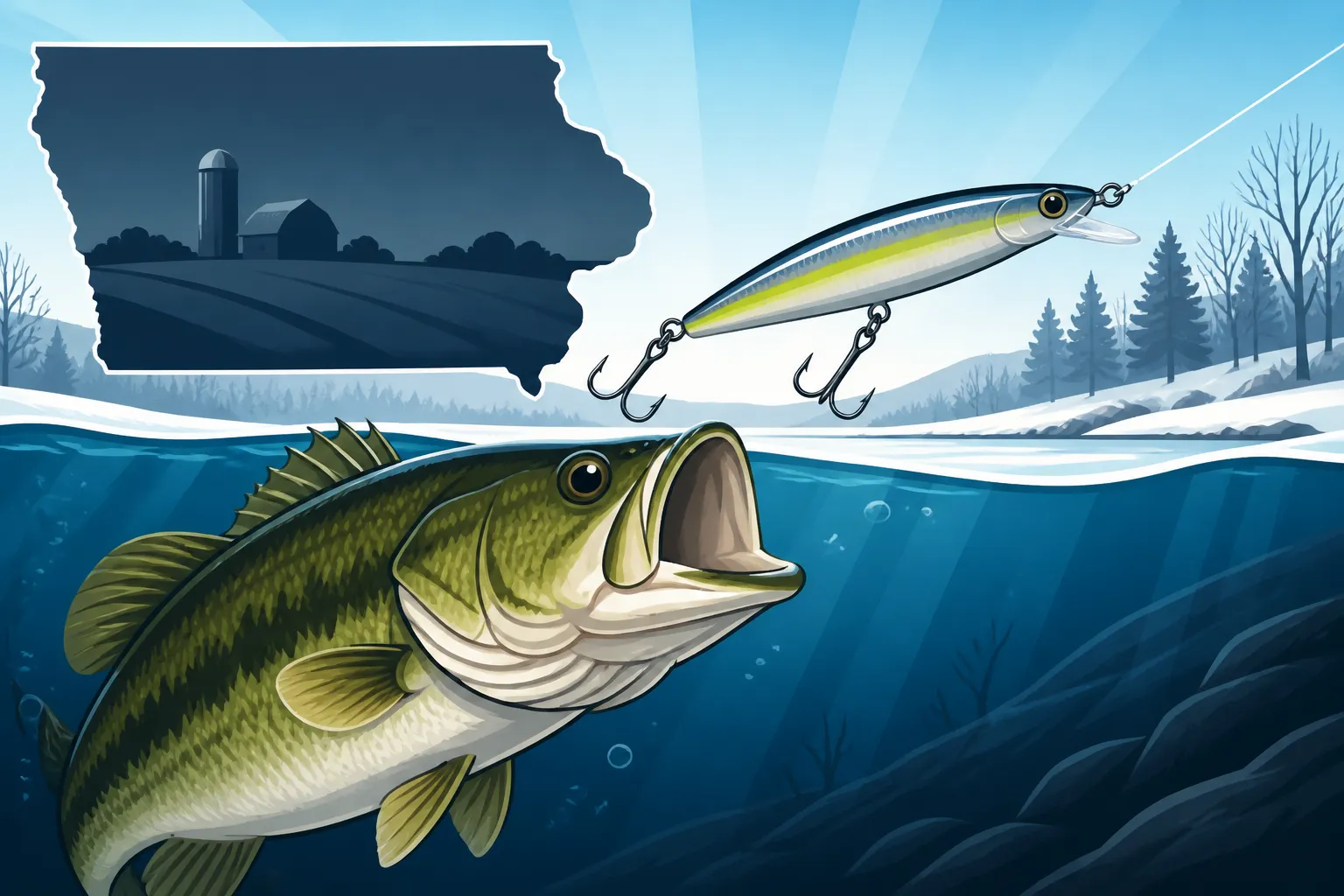
Imagine a baitfish, chilled to the bone, struggling to swim or perhaps even dying. That's the visual a well-fished jerkbait provides, and it's absolutely irresistible to cold, lethargic bass. Unlike baits that require a constant retrieve, jerkbaits are designed to be fished with a series of twitches and, most importantly, pauses. This "stop and go" action allows the lure to hover tantalizingly in the water column, mimicking a distressed meal.
The pause is often the most critical part. In warmer water, bass might strike during the retrieve, but in cold water, they often need that extra moment to decide, track, and then commit to the strike. They'll often hit the jerkbait during that suspended moment, or right as it starts to move again. It's a game of patience, but one that pays off handsomely when you feel that telltale thud on your line. You're giving the bass an easy target, one that doesn't require a lot of energy to pursue, which is exactly what they're looking for when their metabolism is low.
Mimicking Vulnerable Prey
Cold water not only slows down the bass but also makes their prey more vulnerable. Baitfish like shad or minnows often struggle to maintain their vigor as water temperatures drop. Some may even succumb to the cold, becoming easy meals. A jerkbait, particularly one that suspends perfectly, looks exactly like a stunned or dying baitfish. It hovers, it twitches weakly, then it stops as if taking its last breath. This triggers a predatory instinct in the bass that other lures simply can't replicate.
Think about fishing one of our many Iowa reservoirs, like Fishing Rathbun Lake in Iowa or Fishing Saylorville Reservoir in Iowa, in late fall or early spring. You might see schools of baitfish struggling to stay active. A jerkbait, particularly one with a natural baitfish pattern, can perfectly imitate these vulnerable creatures. This is why paying attention to the local baitfish populations can make a huge difference in your jerkbait selection, both in size and color, to make your presentation as realistic as possible.
Key Features of a Great Cold Water Jerkbait
Not all jerkbaits are created equal, especially when you're specifically targeting cold water bass. There are particular characteristics that make certain models shine when the thermometer drops. Knowing what to look for can drastically improve your success rate out on the water.
Suspending vs. Floating/Sinking
For cold water applications, a suspending jerkbait is almost always the hero. What does "suspending" mean? It means when you stop retrieving the lure, it hangs perfectly still in the water column at a specific depth, rather than floating up or sinking down. This is absolutely critical for the "pause" part of the retrieve that we just discussed. A floating jerkbait will rise during the pause, breaking the illusion of a dying baitfish, while a sinking one will fall out of the strike zone.
It's worth noting that "suspending" can be tricky. Water density changes with temperature, so a jerkbait that perfectly suspends in 60-degree water might slowly float in 40-degree water. Many experienced anglers will fine-tune their jerkbaits by adding a small lead strip or heavier split rings to achieve a true neutral buoyancy in the specific water temperature they're fishing. This dedication to detail can make all the difference. You can often find small weights or strips designed for this purpose at reputable tackle shops like Bass Pro Shops or online through retailers like Amazon.
Color and Translucency
When it comes to cold water, clear water conditions are common as algae blooms die off. This means bass have a better chance to scrutinize your lure. Natural, subtle colors often outperform flashy, vibrant ones. Think about the baitfish in your local Iowa waters. Are they silver, white, or have a subtle olive tint? Matching these natural hues is a great starting point.
Here are some go-to cold water jerkbait colors:
- Ghost/Clear: These translucent patterns are fantastic in very clear water, providing a subtle, almost invisible profile that looks incredibly natural.
- Pro Blue/Smelt: Mimics common baitfish like shad and smelt, with silver, blue, and black accents.
- Chrome/Silver: Especially effective on sunny days, the flash can attract bass from a distance. Consider ones with blue or black backs.
- Bone/White: A classic, versatile choice that can imitate a variety of baitfish.
Sometimes, especially in stained or slightly murky water, a little more flash or a slight deviation from natural colors can trigger a bite. But generally, subtlety is key in cold, clear Iowa waters.
Size and Profile
Matching the hatch is a good principle to follow. If the local baitfish are small, opt for a smaller jerkbait. For most Iowa bass fishing, jerkbaits in the 3.5 to 5-inch range are highly effective. A longer, slender profile generally mimics shad or minnows well.
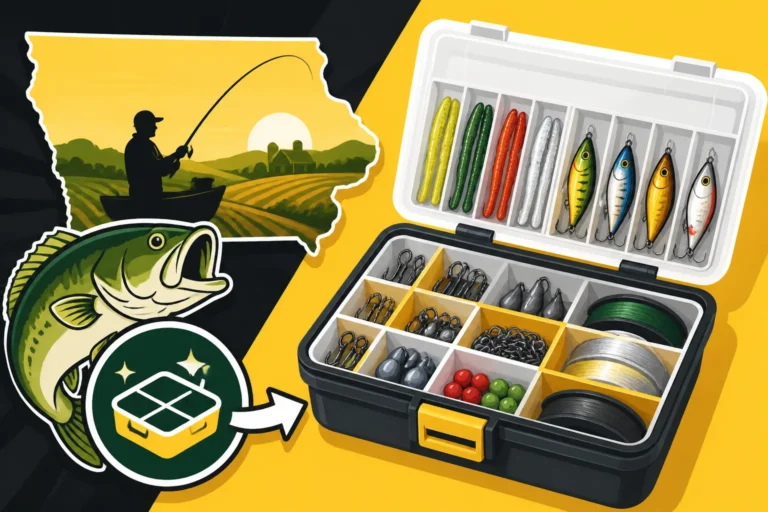
Consider the time of year and the overall health of the baitfish population. In late fall, some baitfish might be larger after a summer of feeding, so a slightly larger profile might be appropriate. In early spring, smaller, weaker baitfish are more common, suggesting a smaller jerkbait could be better. Having a selection of sizes in your tackle box, easily ordered from online stores like Amazon, will allow you to adapt to whatever the bass are keying in on.
Top Jerkbait Considerations for Iowa Anglers
Beyond the basic features, there are a few more nuanced elements that can elevate a good jerkbait to a great one for cold water bass fishing in Iowa. These details can often determine whether you have a successful day or leave the lake empty-handed.
Dive Depth and Lip Design
Cold water often means bass are holding deeper. While they might suspend in the water column, they're typically found at specific depths along creek channels, drop-offs, or around deep structure. Your jerkbait needs to be able to reach that depth and suspend there effectively. Jerkbaits come in different dive depths, from shallow runners (2-4 feet) to deep divers (10-15+ feet).
The dive depth is primarily determined by the length and angle of the lip (or bill) on the front of the lure. A longer, more angled lip will make the bait dive deeper. For Iowa lakes and reservoirs, having a selection of jerkbaits that can hit depths from 4 to 12 feet will cover most cold-water scenarios. Pay attention to the manufacturer's stated dive depth, but also remember that your line diameter and retrieve style will affect how deep the bait actually runs. For example, using lighter line like you might for How to Catch Crappie in Iowa can help a jerkbait achieve a slightly deeper dive than heavier line.
Rattles and Silent Options
Many jerkbaits incorporate rattles to create sound underwater, which can attract fish, especially in stained water or when bass are active. However, in cold, clear water, sometimes silence is golden. Extremely lethargic bass or those in highly pressured waters might be spooked by too much noise.
Here's a general guide for Iowa anglers:
- Rattling Jerkbaits: Use these when the water has some stain, on cloudy days, or if you're trying to call fish from a distance. The added vibration can be an advantage.
- Silent Jerkbaits: Opt for these in very clear water, on bright sunny days, or when the bass are known to be particularly finicky. The lack of noise presents a more natural, less threatening profile, especially important when bass are less aggressive.
Having both options in your Best Tackle for Iowa Fishing arsenal gives you versatility to adapt to changing conditions.
Durability and Hook Quality
When a cold-water bass decides to hit a jerkbait, it's often a firm, deliberate strike, but their mouths can be surprisingly soft. You need sharp, strong hooks to ensure a solid hookset and to keep that fish pinned. Many anglers immediately upgrade the treble hooks on their jerkbaits to higher-quality, sharper models right out of the box, a common practice learned from veteran anglers who frequent retailers like Bass Pro Shops for quality components.
Durability is also key. Jerkbaits are often fished around structure like rock piles, docks, or timber. A well-built bait will withstand being bounced off these elements without cracking or losing its action. Checking the split rings and ensuring they are robust enough is also a good habit. You don't want to lose a prized Iowa bass because of a cheap split ring or a dull hook.
Techniques for Fishing Jerkbaits in Cold Iowa Waters
Understanding why and what makes a great cold water jerkbait is only half the battle. Knowing how to present it to those reluctant bass is where the magic truly happens. It's not just about casting and reeling; it's a nuanced dance that requires patience and feel.
The Critical Pause-and-Twitch Retrieve
This is the heartbeat of cold water jerkbait fishing. Forget those fast, aggressive retrieves you might use in summer. When the water is cold, everything slows down.
Here's a breakdown of the retrieve:
- Cast it out: Make a long, accurate cast to your target area.
- Get it to depth: Close your bail and make a few quick, downward rod sweeps to get the bait to its maximum running depth.
- Twitch, Twitch, Pause: Now, begin your cadence. Give the rod tip a sharp, downward twitch (don't reel during the twitch), then another, and then PAUSE. The length of that pause is critical. It could be 3-5 seconds, or even up to 10-15 seconds on really brutal days. The colder the water, the longer the pause typically needs to be.
- Reel up slack: During the pause, slowly reel up any slack created by the twitches. You want to maintain a connection to the lure so you can detect subtle bites.
- Repeat: Continue this cadence all the way back to the boat. Experiment with the number of twitches (one, two, or three) and the length of the pause until you find what the bass respond to. Bass often hit on the pause, so stay vigilant!
This retrieve perfectly embodies the "dying baitfish" scenario. It's not about covering water quickly; it's about staying in the strike zone and giving those sluggish bass every opportunity to commit. For more on how bass behave in these conditions, check out Iowa Bass Season Late-Fall Patterns.
Targeting Key Cold Water Structures
Knowing where to cast your jerkbait is just as important as how you retrieve it. In cold water, bass gravitate towards areas that offer stable temperatures, deeper access, and often some form of cover.
Consider these common Iowa cold water hotspots:
- Deep Points and Humps: Bass will often stack up on the downcurrent side of points or on offshore humps that provide access to deeper water while still having nearby structure.
- Transition Areas: Look for where a hard bottom transitions to a soft bottom, or where rock meets sand. These subtle changes can hold baitfish, and thus, bass.
- Deep Weed Lines and Coontail: If you can find healthy green weeds, especially coontail, in deeper water (8-15 feet), these act as oxygen producers and cover for baitfish, making them prime bass hangouts.
- Rock Piles and Riprap: Rocks absorb and radiate heat, even slightly, making them appealing. Riprap banks along causeways or bridges can also be excellent.
- Docks and Marina Basins: The deeper sections of docks, especially those with some brush or structure underneath, can hold schools of cold-water bass.
Electronic fish finders can be invaluable for locating these types of structures and finding where the baitfish, and therefore the bass, are holding. For tips on using electronics, see How to Fish Deep Structure With Electronics.
Rod, Reel, and Line Setup for Optimal Jerkbait Performance
Having the right gear makes a significant difference in how effectively you can fish a jerkbait and detect those often-subtle cold water bites.
Here’s a typical setup for Iowa jerkbait fishing:
| Component | Recommendation | Why It Matters |
|---|---|---|
| Rod | 6'6" – 7'0" Medium-Light to Medium Power, Fast Action | The length allows for good casting distance and helps with precise twitches. The fast action tip lets you impart sharp jerks, while the moderate taper helps absorb head shakes. |
| Reel | Baitcasting reel with a 6.3:1 to 7.1:1 gear ratio | This range provides enough speed for quick slack pickup after a twitch but isn't so fast that it overpowers the slow retrieve needed. |
| Line | 8-12 lb Fluorocarbon | Fluorocarbon is nearly invisible underwater, crucial in clear cold water. Its low stretch provides excellent feel for subtle bites and direct connection for twitching. It also sinks, which can help a suspending bait get to depth faster and stay there. |
You'll find a wide selection of suitable rods, reels, and fluorocarbon lines at stores like Bass Pro Shops. While some anglers might prefer monofilament for its stretch or braided line for its sensitivity (which you might use for Best Pound Test Line for Catfish Fishing on Iowa Rivers), fluorocarbon truly shines for jerkbait presentations due to its stealth and sinking properties. Remember, adjusting your line type and diameter can even fine-tune a suspending bait's true buoyancy.
When you hit the water, whether it's a large reservoir or a smaller body of water like the ones mentioned in Bass Fishing Tips for Iowa Farm Ponds, having your gear dialed in will help you present your jerkbait perfectly and feel every tick, tap, or sudden weight that indicates a cold-water bass has decided to take a bite. It's a challenging but incredibly rewarding way to fish, and with the right jerkbait and technique, you can definitely put some impressive Iowa bass in the boat even when the weather turns cold.
Disclaimer
This article is for general informational purposes only and does not constitute professional advice. Laws, prices and regulations vary by location and change over time. Consult a qualified professional for guidance on your specific situation.