Best Season to Target Sauger Near Dubuque
For many of us who love chasing fish along the mighty Mississippi, targeting sauger near Dubuque holds a special allure. They're often elusive, finicky, and when you finally hook into one, it's a real battle. If you've ever felt the frustration of spending hours on the water without a sauger bite, you're not alone – these fish demand specific conditions. This guide is here to help you cut through the guesswork and pinpoint the absolute best seasons to target sauger in the Dubuque area, equipping you with the knowledge to make your next trip a success.
Why Sauger Fishing Near Dubuque is a River Angler's Dream
The Mississippi River is a fantastic fishery, and the stretch near Dubuque, especially with its diverse structure like wing dams, deep channels, and current breaks, is particularly known for its sauger population. These fish, often mistaken for their walleye cousins, thrive in riverine environments, making the Mississippi their perfect home. They're not just any fish; sauger are incredible fighters, and when you finally land one, their beautiful, mottled patterns are a sight to behold. Plus, they're absolutely delicious, making them a highly sought-after species for many anglers.
Understanding Sauger Habits in River Systems
Sauger are true river fish. Unlike walleye that often roam open lakes, sauger prefer the current and structure of flowing water. They're typically found deeper than walleye, often hugging the bottom in scour holes, behind current breaks, or along channel edges. Their eyes are specially adapted for low-light conditions, giving them an advantage in the often-murky waters of the Mississippi. This means they are often more active during overcast days, early mornings, late evenings, or even at night. Knowing this behavior is crucial to predicting their movements and finding them consistently.
During different seasons, their behavior shifts. In warmer months, they might disperse a bit more, but when the water starts to cool, they tend to school up and concentrate in specific areas, which is exactly what we, as anglers, are looking for. They'll follow baitfish into deeper pockets or stack up along submerged structures. The challenge, and the fun, is in figuring out where they've decided to set up shop on any given day.
The Unique Appeal of the Dubuque Stretch
The section of the Mississippi River around Dubuque offers prime sauger habitat. You've got distinct navigational channels, numerous wing dams, and a mix of depths that create perfect ambush points for these predatory fish. Areas like those found in Mississippi River Pool 10 Fishing or specifically below Lock and Dam 12, often mentioned in guides like Fishing Below Lock and Dam 12 at Bellevue, create currents and eddies that sauger absolutely love. The constant flow brings food, and the varied bottom structure provides cover. This complexity is both the challenge and the reward of fishing here.
What makes Dubuque particularly great is the sheer volume of suitable habitat. From rocky banks to deep river bends, there's always a new spot to explore. It's not just about one secret hole; it's about understanding how sauger relate to the river's contours and current, which are abundant in this area. This means that while a particular spot might be hot one day, understanding the underlying principles allows you to find new productive areas as conditions change.
The Prime Seasons for Targeting Sauger Near Dubuque
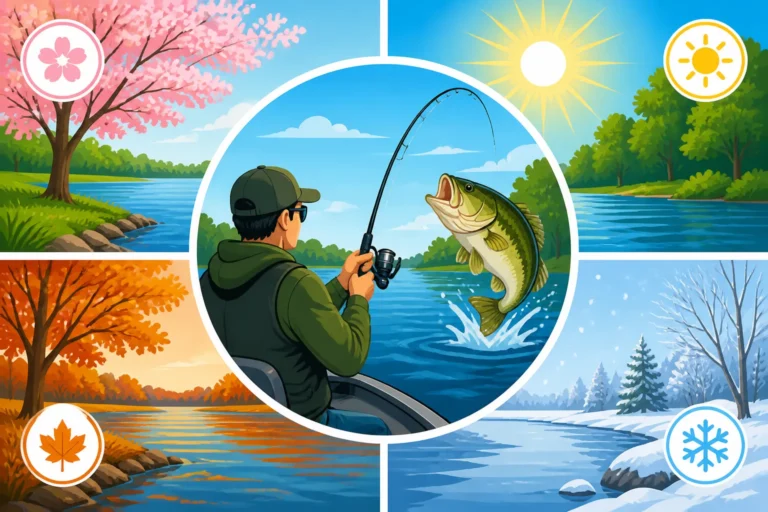
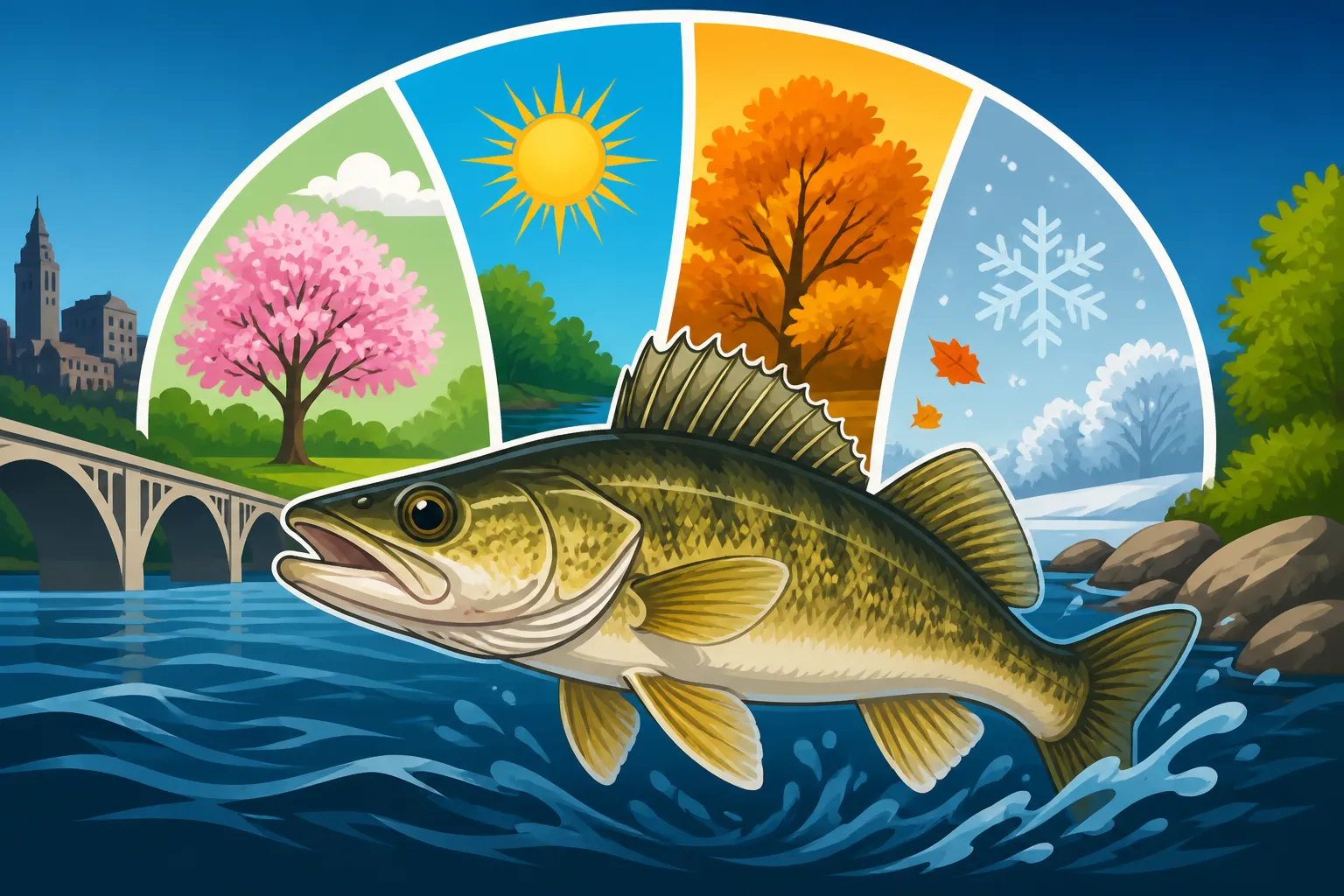
When it comes to sauger fishing near Dubuque, timing is everything. While you can catch sauger year-round, there are specific windows when their activity ramps up, and your chances of success skyrocket. These periods are generally tied to water temperature, which directly influences their metabolism, feeding behavior, and schooling patterns. Forget about lazy summer days for sauger; these fish really shine when the air gets crisp and the water cools down.
Late Fall: The Pre-Winter Feeding Frenzy
As autumn progresses and water temperatures begin their steady decline, usually from the 50s down into the low 40s Fahrenheit, sauger fishing near Dubuque can become absolutely phenomenal. This is arguably one of the very best times to target them. Why? Because sauger, like many fish, are in a pre-winter feeding frenzy. They're trying to pack on calories before the lean times of winter set in, making them aggressive and much more willing to strike.
During late fall, you'll often find sauger concentrated in deeper channels, especially near current breaks or the downstream sides of wing dams. The dropping water levels that sometimes accompany fall can also concentrate fish, making them easier to locate. This is when understanding where the current creates eddies and slack water becomes critical. They'll be ambushing baitfish that are also moving into deeper, more stable water. For anglers, this means focusing on vertical jigging techniques right on the bottom or slowly dragging baits through these prime areas. Conditions can be chilly, so dress warmly, but the reward of consistent sauger action makes it all worth it.
Winter: Ice Fishing and Open Water Opportunities
Winter on the Mississippi near Dubuque presents a unique scenario for sauger anglers. While many Iowa lakes are frozen solid for Ice Fishing in Iowa, the powerful current of the Mississippi means that large sections often remain open, or if ice forms, it's frequently unstable and extremely dangerous. However, specific backwater areas, calmer bays, and sometimes even the main channel in very cold snaps can offer ice fishing opportunities for sauger and their walleye counterparts. If you're considering ice fishing the Mississippi, always check local conditions rigorously and prioritize safety above all else.
For open-water anglers, winter means focusing on the deepest holes and slack water areas where sauger will congregate to escape the swift, cold currents. They become less active, but they still need to feed. Vertical jigging with smaller, subtle baits becomes the go-to technique. Think about slow presentations, keeping your lure right in their face. This is also when targeting areas that are warmed slightly by power plants or urban runoff can sometimes provide a small advantage, as these areas can concentrate baitfish and, in turn, sauger. Don't be afraid to experiment with your retrieval speed – sometimes a dead stick is all it takes to entice a cold-water bite.
Early Spring: The Post-Spawn Surge
As ice recedes (if it formed) and water temperatures slowly climb back into the low to mid-40s and then into the 50s, sauger fishing picks up again, often mirroring the late fall patterns. Early spring typically sees the sauger's spawning activity, and after they've completed this energy-intensive process, they'll be hungry and aggressive, much like in the fall. This post-spawn feeding surge can offer another fantastic opportunity for consistent catches.
Look for sauger to move into slightly shallower, yet still current-protected, areas as the water warms, seeking out baitfish that are doing the same. River bends, scour holes, and the deeper edges of flats where the current is just right are prime locations. Jigs tipped with minnows or plastics are incredibly effective during this period. The weather in early spring can be unpredictable, with rapid changes in temperature and water levels due to snowmelt and rain, but if you hit it right, you can experience some incredible fishing. Always keep an eye on river conditions and be prepared for fluctuating water clarity and flow, as discussed in Iowa Fishing Regulations on the Mississippi River Border.
Seasonal Techniques and Gear Considerations for Dubuque Sauger
Catching sauger near Dubuque isn't just about showing up; it's about adapting your techniques and gear to the specific season and river conditions. These fish can be subtle biters, especially in colder water, so having the right approach is key.
Late Fall Tactics: Vertical Jigging and Dragging
In late fall, when sauger are actively feeding but still holding tight to the bottom in deeper areas, vertical jigging is king. This involves positioning your boat directly over potential sauger habitat – think deep holes, channel breaks, or the backside of Wing Dam Fishing on the Mississippi River – and dropping a jig straight down.
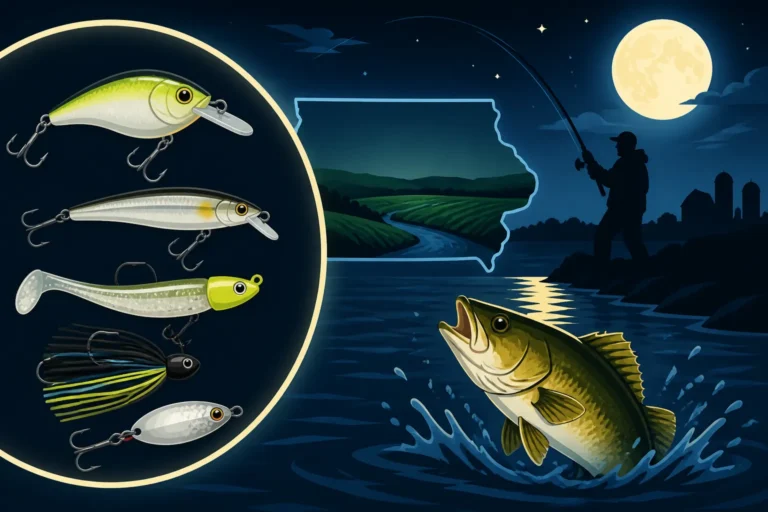
- Jigs and Baits: Often, a 1/4 to 3/8 ounce jig head, tipped with a live minnow (shiner or fathead) or a soft plastic paddle tail grub, is all you need. The key is to keep it right on the bottom, feeling for those subtle "thunks" or increases in weight that signal a bite. Experiment with jig head colors; chartreuse, orange, and white are often popular on the Mississippi. You can find a good selection of these on Amazon if your local tackle shop is running low.
- Dragging Rigs: Another highly effective method is dragging a three-way rig or a Lindy Rig. This allows you to cover ground slowly, keeping your bait in the strike zone for longer. A heavy sinker (1-3 oz depending on current) attached to the bottom, with a leader extending to a hook tipped with a minnow or crawler, can be deadly. It's about presenting a natural-looking bait right where those sauger are hugging the bottom.
- Rod and Reel: A medium-light to medium power spinning rod, around 6'6" to 7' long, with a fast action tip is ideal. This setup provides the sensitivity needed to detect light bites and the backbone to fight a strong current-dwelling sauger. For line, 6-8 pound fluorocarbon or braided line with a fluorocarbon leader is a great choice for sensitivity and abrasion resistance against the river's rocky bottom. Best Rod Length for Iowa River Walleye Fishing often applies well to sauger fishing too.
Winter Tactics: Slow and Precise Presentations
When winter truly sets in, and water temperatures plummet, sauger become more lethargic, but they still eat. Your presentations need to be even slower and more precise.
- Smaller Baits, Subtle Movements: Downsizing your jigs to 1/8 or even 1/16 ounce, often tipped with a smaller minnow or a scented plastic, can be more effective. The retrieve should be barely perceptible – a slow lift, a longer pause, and maybe just a slight tremble of the rod tip.
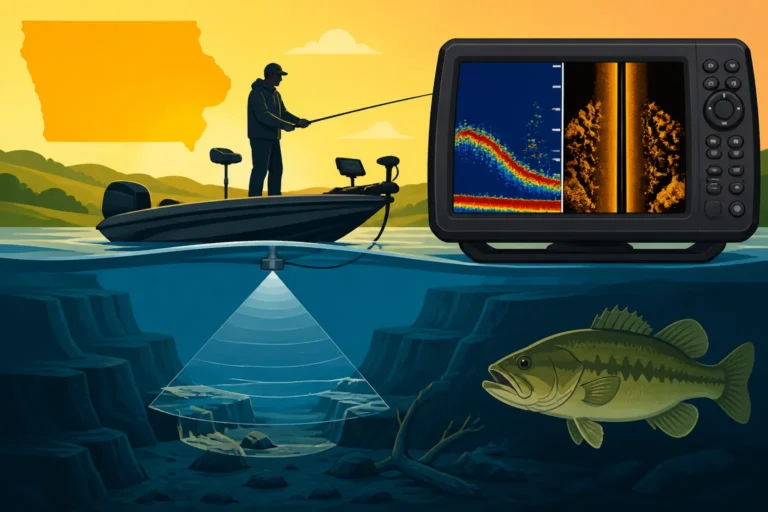
- Electronics are Your Friend: A good fish finder is invaluable during winter, especially when you're targeting deep, specific structures. It helps you identify not only fish but also the nuances of the bottom contour where sauger are likely hiding. You can find some excellent portable options on Amazon that are great for boat or even ice fishing applications.
- Ice Fishing Considerations: If you find safe ice in backwater areas, small jigs, tiny spoons, or even just a plain hook with a minnow, fished dead-stick style, can be very effective. Holes drilled over channel edges or depressions in the backwaters are prime targets. Always adhere to Ice Fishing Safety on Iowa Lakes guidelines, even in backwater areas of the river.
Early Spring Tactics: Mimicking the Baitfish Movement
As the water warms in early spring, sauger regain their aggressiveness. They're often chasing baitfish that are becoming more active.
- Jigging and Cranks: Continue with vertical jigging, but don't be afraid to experiment with slightly faster retrieves or more aggressive jigging motions. Small crankbaits or lipless crankbaits that dive to the appropriate depth can also be highly effective when trolled or cast along current seams and flats. The vibration and flash can really get their attention.
- Colors and Clarity: Water clarity can fluctuate dramatically in spring due to snowmelt and rain. When the water is murkier, brighter colors like chartreuse, orange, or firetiger tend to stand out more. If the water is clearer, more natural baitfish patterns might be better. Understanding Best Lure Color for Muddy Water is a useful skill here.
- Focus on Current Breaks: Sauger will still be using current breaks to conserve energy and ambush prey. Look for eddies behind islands, points, or any structure that disrupts the main flow. These become feeding zones as baitfish are swept past. Jigging Techniques for River Walleye will give you some excellent pointers that translate directly to sauger in these conditions.
Navigating the Mississippi: Safety and Regulatory Notes for Dubuque Anglers
Fishing the Mississippi River is an incredible experience, but it comes with its own set of rules and safety considerations, especially when you're focusing on specific areas like Dubuque. Ignoring these can lead to fines, unsafe situations, or simply a wasted trip.
Understanding Iowa Fishing Regulations on the Mississippi River
The Mississippi River is a border water, and that means specific regulations often apply. It's crucial to be aware of the daily bag limits and length limits for sauger. While sauger are distinct from walleye, they are often grouped together in regulations, or specific rules apply to each. Always consult the official Iowa Fishing Regulations Explained booklet or website before heading out. Sometimes, there are specific length or slot limits designed to protect certain year classes of fish, and knowing these is paramount for responsible angling.
- License Requirements: If you're an Iowa resident, you'll need a valid Iowa fishing license. If you're coming from out-of-state, make sure you understand Iowa Fishing Rules for Out-of-State Anglers or acquire an Iowa Nonresident Annual Fishing License. The reciprocal agreements on border waters like the Mississippi can be a bit nuanced, so double-check if your license from an adjacent state (like Wisconsin or Illinois) covers the Iowa side, or vice-versa, for the specific pool you are fishing near Dubuque. When in doubt, it’s always best to have the Iowa license.
- How Many Fishing Poles You Can Use in Iowa: Be sure to check this regulation as well; it’s typically limited to two lines per angler, but verifying is always a good practice.
Essential Boat Safety and River Navigation
The Mississippi River is a powerful, dynamic body of water. Safety is not just a suggestion; it's a necessity.
- Life Jackets: Everyone on board must have an accessible, properly fitting life jacket. Children of a certain age are typically required to wear them at all times while the boat is underway. Don't skimp on this. You can find comfortable, modern life jackets that don't hinder your fishing on Amazon.
- Know Your Boat and the River: Understand how your boat handles in current. Always be aware of barges and other commercial traffic, which have the right of way. Learn to read the river: identify wing dams, rock piles, and submerged hazards using maps, GPS, and your fish finder. Fish Finders and Electronics for Iowa Anglers can save you a lot of headache and potentially your lower unit!
- Weather Awareness: River conditions can change rapidly. Wind can make the current choppy and dangerous, and sudden storms can appear quickly. Always check the weather forecast before you leave, and don't hesitate to cut a trip short if conditions deteriorate. It's always better to be safe than sorry, and the sauger will still be there another day.
- Reporting Violations: If you ever witness a fishing or boating violation, know how to report it. There are specific procedures outlined for Reporting a Fishing Violation in Iowa that help protect our valuable natural resources.
Table: Seasonal Sauger Targeting Overview Near Dubuque
| Season | Water Temperature Range (Approx.) | Primary Sauger Behavior | Recommended Techniques | Key Gear/Bait | Challenges & Notes |
|---|---|---|---|---|---|
| Late Fall | 40s – low 50s F | Pre-winter feeding frenzy, congregating in deep structure | Vertical jigging, slow dragging rigs | 1/4-3/8 oz jigs, live minnows, soft plastics, fluorocarbon line | Cold weather, fluctuating water levels, strong current. |
| Winter | 30s – low 40s F | Lethargic, holding in deepest, most stable water | Slow, precise vertical jigging, dead-sticking | 1/8-1/16 oz jigs, small minnows, scented plastics, fish finder | Extreme cold, potentially dangerous ice (backwaters), very subtle bites. |
| Early Spring | low 40s – low 50s F | Post-spawn feeding surge, becoming more active | Jigging (vertical & cast), crankbait trolling/casting | Jigs (various sizes), minnows, paddle-tail grubs, small crankbaits | Unpredictable weather, variable water clarity, potential strong runoff. |
Remember, the Mississippi River is a dynamic environment, and conditions can change day to day, even hour to hour. Staying flexible, adapting your approach, and prioritizing safety will always lead to the most rewarding sauger fishing experiences near Dubuque. Tight lines!
Disclaimer
This article is for general informational purposes only and does not constitute professional advice. Laws, prices and regulations vary by location and change over time. Consult a qualified professional for guidance on your specific situation.