How Long Iowa’s Trout Season Lasts
It's easy to feel a bit lost when you're trying to figure out the exact "season" for trout fishing here in Iowa. Many folks, especially those coming from states with more rigid opening and closing dates for trout, assume there's a hard start and end. This guide is here to clear up that common misconception and walk you through the year-round opportunities for chasing trout in our beautiful Hawkeye State, ensuring you know exactly when and how you can enjoy this unique fishing experience.
Understanding Iowa's Trout Season: A Year-Round Reality with Nuances
Let's get straight to it: for licensed anglers in Iowa who have also purchased the required trout fee, there isn't a strict "closed season" for trout. This often comes as a surprise to newcomers or those accustomed to other fishing disciplines like bass or walleye, where specific closed seasons or length limits might apply. Our trout streams, primarily nestled in the picturesque northeast corner of the state, offer a continuous opportunity for angling enjoyment throughout all four seasons, assuming you adhere to the specific regulations for the water body you're fishing.
Dispelling the Myth of a Hard "Season End"
When people ask "How long does Iowa's trout season last?", they're usually picturing something like deer hunting season or specific waterfowl dates – a definitive start and end. The reality for Iowa trout fishing is far more fluid and generous. Unlike some states that might shut down trout streams entirely for spawning or habitat recovery, Iowa's approach is designed to provide year-round access while managing resources through stocking programs and special regulations on certain wild trout waters. This means that if you're properly licensed and have your trout fee, you can technically head out any day of the year, provided the weather and stream conditions cooperate.
This continuous access is one of the many reasons trout fishing in Iowa holds a special place in the hearts of local anglers. You're not rushing to get all your fishing in before a deadline; instead, you can plan trips around your schedule, the weather, and the specific opportunities each season presents. It truly allows for a deeper connection with the sport and the varied beauty of Iowa's natural landscapes throughout the year.
The Continuous Opportunity for Licensed Anglers
The key to unlocking this year-round access lies in proper licensing. Every angler aged 16 or older needs a valid Iowa fishing license. Beyond that, if you plan to fish in designated trout waters, you'll also need to purchase the Iowa trout fee. This fee is essential because it directly supports the state's trout stocking program, which is what makes much of our trout fishing possible. Without the regular stockings, many of these streams simply wouldn't be able to support a thriving trout population, especially given the warmer water temperatures in summer that aren't ideal for these cold-water fish.
Think of it like this: your fishing license gets you access to all general fishing opportunities in Iowa, but the trout fee is your special pass to the trout-specific experience, regardless of the calendar month. It's important to keep both valid. You can usually purchase both your Iowa Fishing License Guide and the Iowa Trout Fishing Fee and Stamp Guide together through the state's online portal or at various license retailers. Many anglers opt for an annual license and trout fee, which then keeps them covered for 12 months from the date of purchase, allowing for truly continuous fishing.
The Prime Windows: Spring and Fall Trout Stocking Programs
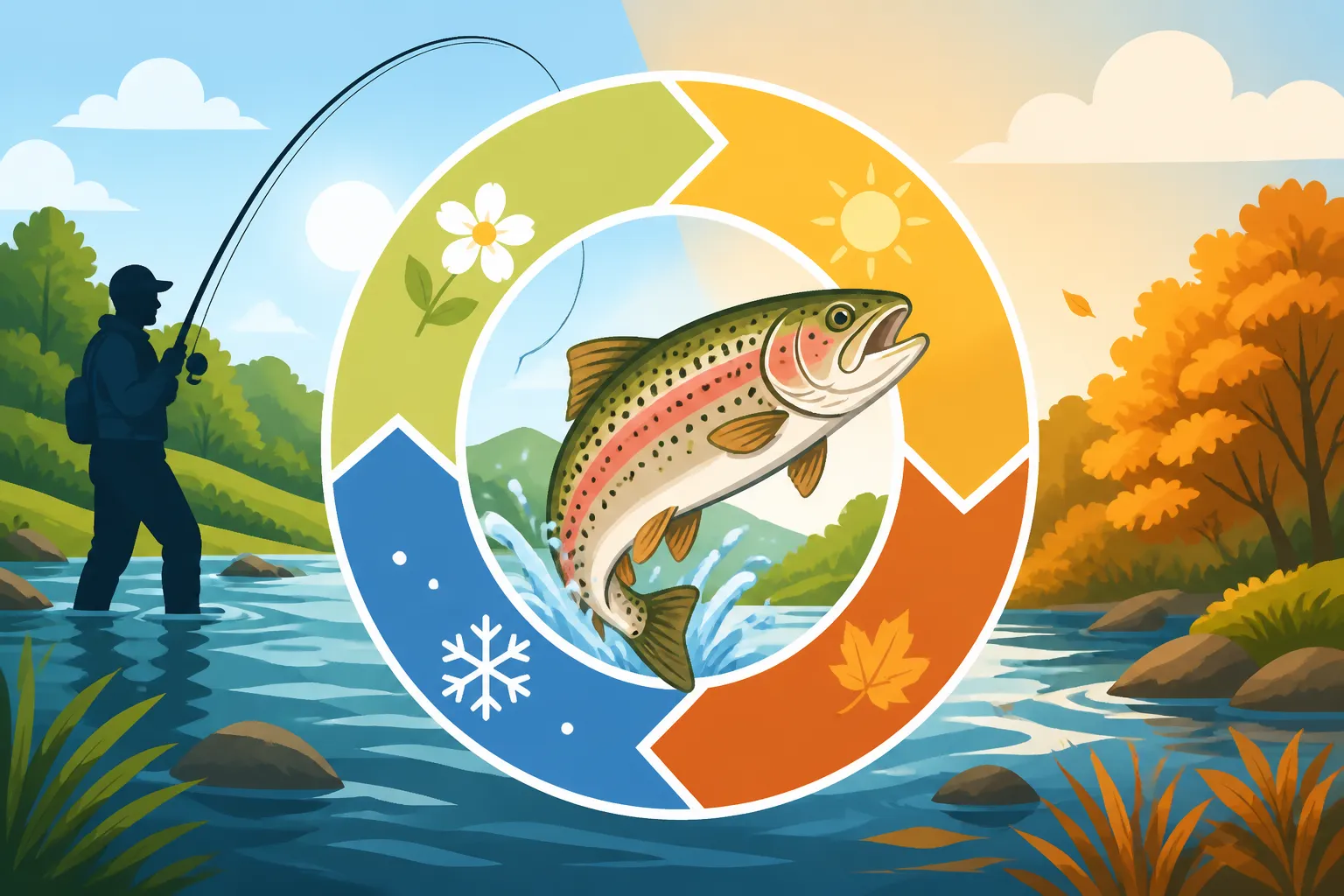
While trout season is technically year-round, most anglers associate "trout season" with the vibrant spring and fall stocking periods. These are undoubtedly the most popular and productive times to fish, largely due to the regular infusions of catchable-sized trout into the streams.
Why Spring Stocking Ignites the Season
As the ice recedes and the trees begin to bud, spring heralds the most anticipated trout fishing period in Iowa. Beginning typically in April and often extending into early June, the Iowa Department of Natural Resources (DNR) kicks off its extensive spring stocking program. This is when thousands of rainbow and sometimes brook trout are released into various designated trout streams across northeast Iowa. The fresh stock of fish, often eager to bite after their journey from the hatchery, makes for fantastic fishing, especially for those who enjoy a higher catch rate.
During this time, streams are usually flowing strong with snowmelt and spring rains, providing cool, oxygenated water that trout thrive in. The scenery is also spectacular, making for a truly enjoyable outdoor experience. Many families and new anglers choose spring to introduce themselves to trout fishing because of the abundance of fish and the generally mild weather. It's a fantastic time to practice different techniques and enjoy the beauty of the streams. If you're wondering when the action truly heats up, spring stocking is your answer. You can learn more about specific stocking strategies in our Iowa Spring Trout Stocking Strategy article.
Fall Stocking: A Second Wind for Trout Enthusiasts
Just as the leaves begin to turn vibrant shades of red and gold, Iowa's trout streams get a second wave of activity with the fall stocking program. Starting around September and continuing through October, this period is equally, if not more, beloved by many seasoned anglers. The crowds tend to thin out compared to the spring rush, and the trout that have been stocked often have a chance to acclimate to the stream environment for a bit, sometimes making them a bit more challenging and rewarding to catch.
Fall fishing offers cooler air temperatures, stable water conditions, and the breathtaking backdrop of autumn foliage. The fish are often more aggressive as they prepare for the colder months, making for some excellent action. It's a quieter, more contemplative time to fish, and the vibrant colors reflecting on the water can be truly magical. If you missed the spring rush or simply prefer a more serene angling experience, fall stocking season is an absolute must. Check out more details in our Iowa Fall Trout Stocking Strategy guide.
Special Winter Stockings and Community Trout Ponds
Beyond the major spring and fall programs, Iowa also offers some unique winter trout opportunities, especially in urban or community ponds. These "put-and-take" fisheries are stocked with trout, often in colder months, to provide accessible fishing close to populated areas. These stockings are usually for a limited time and are designed to give anglers a chance to catch trout when stream fishing might be more challenging due to ice or difficult access.
Community trout ponds are a fantastic way to introduce kids to fishing or to get a quick trout fix without traveling far. While the fish in these ponds are typically caught out quickly, they provide a fun and convenient option. Always check the DNR's stocking schedule for specific dates and locations for these winter opportunities, as they can vary year to year. Remember, the Iowa Trout Fee for Fishing License Holders is still required even for these community pond stockings.
Beyond Stocking: Fishing for Wild Trout in Iowa
While stocking programs form the backbone of Iowa's trout fishing, there's another, more challenging, but incredibly rewarding aspect to the state's trout offerings: fishing for wild, naturally reproducing trout.
Year-Round Access to Naturally Reproducing Streams
Iowa is fortunate to have a small but significant number of streams that support naturally reproducing populations of brown trout, and in some rare cases, brook trout. These wild trout streams are truly special, offering an experience akin to what you'd find in more renowned trout fishing destinations. Because these fish reproduce naturally, they are generally present in the streams year-round, offering continuous fishing opportunities for the dedicated angler. The challenge here isn't if the fish are there, but finding and catching these more elusive, often more wary, native fish.
Fishing for wild trout means a different approach. You're less likely to find concentrations of naive, recently stocked fish. Instead, you'll be targeting fish that have adapted to their environment, that know how to hide, and that are much more selective in what they eat. It's a true test of angling skill and patience, but the reward of landing a wild Iowa brown trout is unparalleled. Many of these streams also hold specific regulations, such as catch-and-release only, or special tackle restrictions, so always double-check before you go. You can find more specific rules in our Trout Stream Regulations in Northeast Iowa article.
Distinguishing Wild Trout Waters from Stocked Areas
It's crucial to understand the difference between a regularly stocked stream and a wild trout stream, as your approach, expectations, and even the regulations can vary greatly. Stocked streams are often more accessible and are managed primarily for "put-and-take" fishing, meaning fish are stocked for anglers to catch and keep. Wild trout streams, on the other hand, are delicate ecosystems where conservation is often the primary focus.
The Iowa DNR typically identifies these waters, often designating them as "Special Regulation" or "Wild Trout" streams. These streams are usually smaller, often fed by cold, clear springs, and possess the necessary habitat for trout to complete their entire life cycle. When planning a trip, consult the latest Iowa Fishing Regulations booklet or the DNR's online resources to confirm the status of the stream you intend to fish. This distinction is vital for understanding both the challenge and the responsibility of fishing these unique habitats.
Essential Considerations for Year-Round Trout Fishing in Iowa
Now that we know Iowa's trout season is largely continuous, let's touch on a few key factors that will ensure your success and compliance throughout the year.
The Mandatory Iowa Trout Fee for All Seasons
We've mentioned it a few times, but it bears repeating: the Iowa trout fee is not a seasonal permit; it's an annual requirement if you intend to fish for trout in designated waters, no matter the month. Whether it's the peak of spring stocking or the quiet of a winter afternoon, if you're targeting trout, you need this fee in addition to your regular fishing license. This fee helps fund the hatcheries, stocking trucks, and conservation efforts that sustain our trout fisheries.
Purchasing your license and trout fee is usually quick and painless, often done online or at bait shops and county recorders' offices. Don't forget, if you let your annual fishing license or trout fee expire, you'll need to renew both to continue fishing legally. Thinking ahead and renewing well before it lapses ensures you don't miss a single opportunity. You can find out more about When the Trout Fee Needs to Be Renewed in our dedicated guide.
Checking Current Regulations for Specific Stream Rules
While the general rule is year-round access, many individual trout streams, especially those with wild trout populations or specific management goals, might have unique regulations. These can include:
- Catch-and-Release Only: Some streams might require all trout to be immediately released unharmed.
- Artificial Lures Only: To minimize harm to released fish, bait might be prohibited on certain stretches.
- Special Length Limits: Specific minimum or maximum lengths might apply to certain species or streams.
- Gear Restrictions: Limitations on the number of hooks or types of tackle.
These special regulations are put in place to protect the fishery and ensure its long-term health. It's your responsibility as an angler to know and follow these rules for the specific stream you're fishing. Before every trip, it's wise to consult the official Iowa Fishing Regulations Explained or the Iowa DNR's website for the most current information. A quick check can save you a lot of hassle and potential fines.
Here’s a simplified look at how trout season rules might vary:
| Trout Water Type | General Season Duration | Primary Management | Typical Access Notes | Key Regulation Focus |
|---|---|---|---|---|
| Regularly Stocked Streams | Year-round | Put-and-take | Most accessible, popular during spring/fall stockings | Daily bag limits, general rules |
| Special Regulation Streams | Year-round | Catch & Release | Often more remote, less crowded | Artificial lures, C&R, specific size limits |
| Community Trout Ponds | Seasonal (winter focus) | Put-and-take | Urban access, high angler density post-stocking | Daily bag limits, often short-lived opportunities |
| Wild Trout Streams | Year-round | Conservation | Challenging access, wary fish, requires specialized skills | Artificial lures, C&R, protection of natural populations |
This table should help illustrate that while the season for trout is continuous, the rules can certainly change depending on where you cast your line.
Gear and Techniques for Different Times of Year
Since you can fish for trout all year, your gear and techniques will naturally adapt to the changing seasons and water conditions. What works beautifully in a balmy spring might be completely ineffective in the dead of winter.
- Spring & Fall: These are prime times for bait fishing with corn, worms, or powerbait, as well as casting small spinners, spoons, or drifting tiny jigs. Fly fishing also excels during these periods, matching the hatches or using nymph and streamer patterns. You can find a lot of great options for these lures and baits on platforms like Amazon if your local bait shop is out.
- Summer: As water temperatures rise, trout become less active and seek out colder, oxygen-rich pockets. Fishing becomes more challenging, often requiring early morning or late evening trips. Focusing on deep pools, spring-fed sections, or fishing after a rain can improve your odds. Ultra-light tackle and stealth are key.
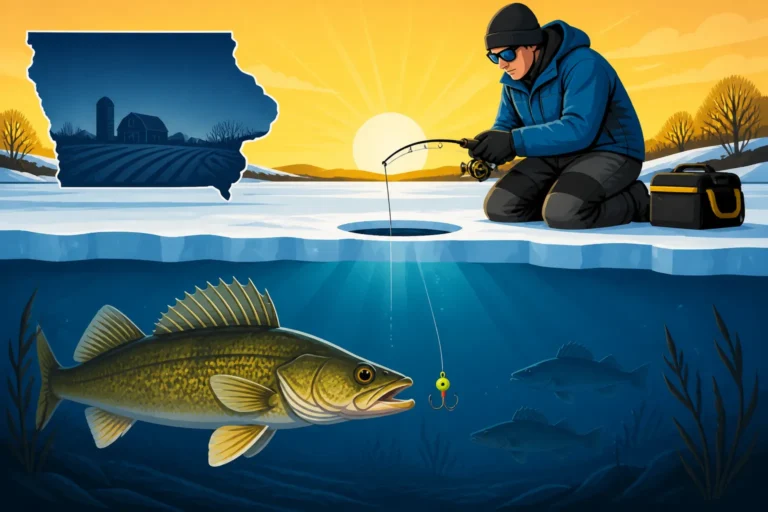
- Winter: Ice fishing for trout is possible in some community ponds, and open-water stream fishing can be productive if streams remain unfrozen. Small jigs, wax worms, or tiny spoons are effective. Proper cold-weather gear is crucial for comfort and safety. You'll want to layer up properly, and good quality insulated boots are a must. Looking for reliable gear, perhaps a new waterproof jacket or a pair of warm gloves, is easy on Amazon as well, ensuring you're ready for whatever Iowa weather throws at you.
Understanding these seasonal shifts in fish behavior and adapting your approach will greatly increase your success and enjoyment of year-round trout fishing in Iowa. It's all part of the continuous adventure that our trout streams offer!
Disclaimer
This article is for general informational purposes only and does not constitute professional advice. Laws, prices and regulations vary by location and change over time. Consult a qualified professional for guidance on your specific situation.