Best Technique for Late Summer Crappie
Late summer crappie fishing in Iowa can feel like you're chasing ghosts, especially after the easy spring bite. The fish scatter, drop deeper, and seem to develop a doctorate in avoiding your bait. It’s enough to make even seasoned anglers throw their hands up in frustration! But don't you worry, this guide is all about giving you the battle plan to find those elusive late summer slabs and put them in your livewell, even when they're playing hard to get.
Understanding the Late Summer Crappie Shuffle
Before we can catch late summer crappie, we really need to understand why they're so darn tricky. It's not just that the water is warmer; a whole host of factors come into play that change their behavior from what we see in spring and early summer. Think of it like a big move for them, and you need to know their new address and habits.
The Thermocline and Oxygen Levels
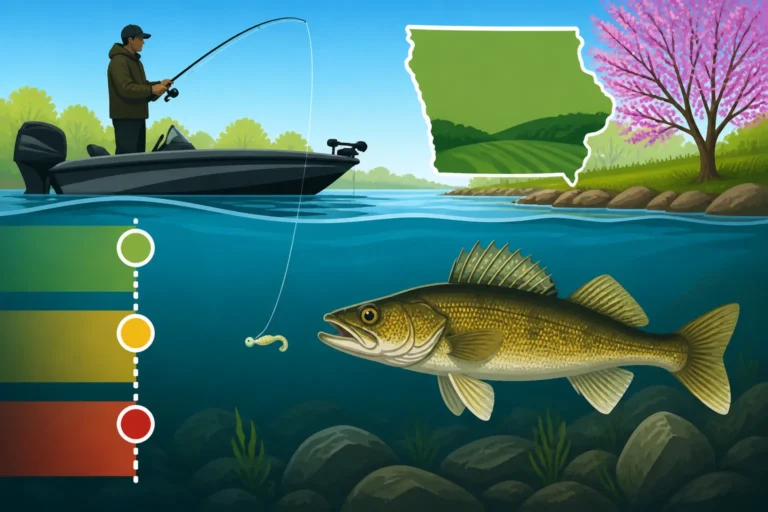
As summer progresses, especially in deeper lakes and reservoirs across Iowa, a distinct thermocline forms. This is a layer of water where the temperature changes rapidly. Below this layer, especially in late summer, oxygen levels can plummet. Crappie, like most fish, need oxygen, and they also prefer certain water temperatures. This means they're often squeezed into a relatively narrow band of water – above the thermocline but below the surface warmth, where the baitfish are. Best Fishing Spots in Iowa can often have these conditions.
You might find crappie suspending just above this oxygen-depleted zone, or holding tight to structure within that comfortable temperature and oxygen band. If you're fishing too deep, you might be in dead water. Too shallow, and they're just not there. This is why having a good fish finder is absolutely crucial in late summer; it helps you pinpoint that sweet spot in the water column. You're not just looking for fish; you're looking for the right depth range where fish can survive and thrive.
Baitfish Movements and Crappie Foraging
Another huge factor is the baitfish. In late summer, young-of-the-year shad and other forage species have grown considerably and are abundant. Crappie are constantly following these schools of bait. Unlike the spring, when they might be focused on spawning beds, late summer crappie are all about efficiency feeding. They'll relate to structure but also roam open water if a big school of shad is passing through.
This often means crappie are less concentrated than during other times of the year. Instead of finding a massive school in one small brush pile, you might find smaller groups spread out, or actively chasing bait in more open water. Their feeding windows can also be shorter and more intense, often around dawn and dusk, or during cloudy periods, making them even more challenging to pinpoint during midday. Understanding these patterns is key to adjusting your approach; if the bait is cruising, so are the crappie.
Proven Techniques for Late Summer Crappie
Since late summer crappie are often deeper and more spread out, traditional shallow water tactics often fall flat. This is when you need to adapt and embrace techniques that allow you to cover water effectively and present your bait right in their strike zone.
Vertical Jigging Over Structure
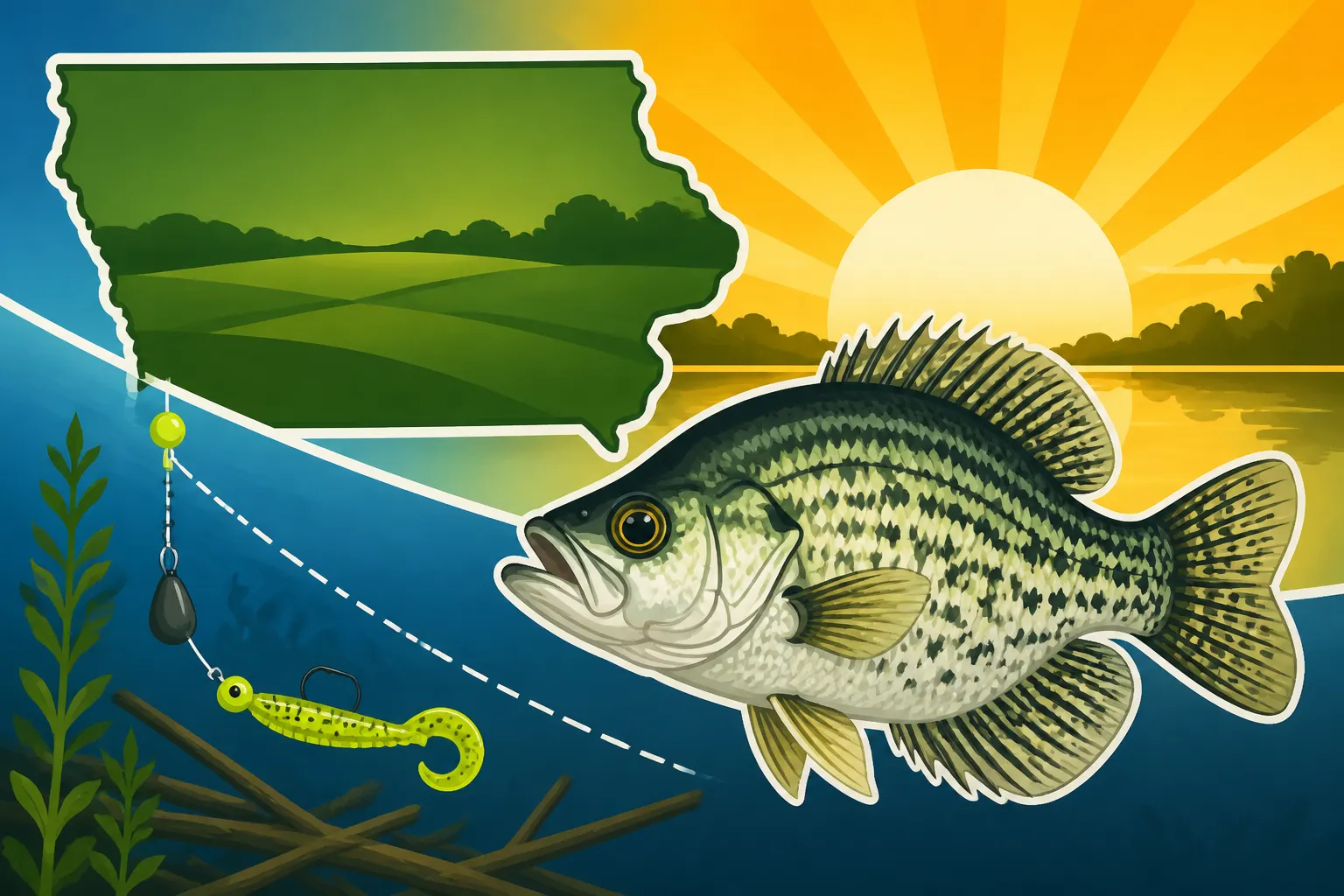
Vertical jigging is an absolute game-changer for late summer crappie, especially when they're relating to specific deep structures like brush piles, submerged timber, or even bridge pilings. The key here is precision. You're not casting and retrieving; you're dropping your bait straight down, often directly into a school of fish you've pinpointed on your electronics.
To execute this, you'll need to position your boat directly over the structure or school of crappie. Many anglers use a spot-lock trolling motor to hold their position perfectly. Then, you simply drop a small jig (1/16 to 1/8 ounce is common, depending on depth and current) or a small spoon straight down. Watch your fish finder closely; you want to see your lure descending right into the fish. Gentle jigging motions, often just subtle twitches of the wrist, are usually all it takes to entice a bite. Experiment with different colors and sizes of jigs, like tiny tube jigs or micro-finesse soft plastics. Sometimes, tipping your jig with a small minnow or a Berkley Gulp! Crappie Nibbler can make all the difference. Crappie Jig Fishing Techniques delves deeper into this strategy.
Slow Trolling with Multiple Rods
When crappie are more scattered or suspending over open water, slow trolling becomes incredibly effective for covering a lot of ground and finding those roving schools. This technique allows you to present multiple baits at different depths simultaneously, increasing your chances of finding the crappie's preferred feeding zone.
Typically, anglers use several rods, each rigged with a different lure or bait combination, and positioned at varying depths and distances from the boat. Spider rigging, where multiple long rods extend out from the boat like spider legs, is a popular method. You'll want to troll very slowly, often between 0.5 and 1.5 miles per hour. Small crankbaits, jigs tipped with minnows, or even just bare jigs can all be effective. Pay close attention to which rod gets bit and at what depth, then adjust your other presentations accordingly. Using a depth counter on your reels or knowing how deep your specific lures run at certain speeds is crucial. Trolling for Crappie in Iowa provides more specific details on successful trolling setups and approaches.
Table: Late Summer Crappie Techniques Comparison
| Technique | Best Conditions | Typical Speed | Preferred Bait/Lure | Key Gear | Pros | Cons |
|---|---|---|---|---|---|---|
| Vertical Jigging | Crappie concentrated on deep structure (brush piles, timber) | Stationary or very slow drift | 1/16-1/8 oz jigs (tube, grub), small spoons, minnows | Sensitive rod, fish finder, trolling motor with spot-lock | Pinpoint accuracy, effective for finicky fish, less gear needed | Limited coverage, requires precise boat control |
| Slow Trolling | Crappie scattered, suspending in open water, or following bait | 0.5 – 1.5 mph | Small crankbaits, jigs (tipped), spider jigs, minnows | Multiple rods, rod holders, depth finders, GPS, small boat | Covers vast areas, effective for finding scattered schools | More gear, can be slower to react to bites, less precise |
Essential Gear for Late Summer Crappie Success
Having the right tools for the job can make a world of difference when you're battling finicky late summer crappie. Forget the heavy bass gear; we're talking about finesse and sensitivity here.
Rods, Reels, and Line Sensitivity
For vertical jigging and slow trolling, light-action rods are paramount. A good crappie rod is typically 6 to 7 feet long, with a light power rating and a fast to extra-fast action. This combination allows for maximum sensitivity to feel those subtle crappie bites, which can often feel like nothing more than a slight "tick" or added weight. For reels, a small spinning reel in a 1000 or 2000 size is perfect, paired with 4 to 6-pound test monofilament or fluorocarbon line. Many anglers, myself included, have found that thin, low-stretch braided line with a fluorocarbon leader offers the best sensitivity, especially when fishing deeper. The lack of stretch in braid transmits even the slightest bite directly to your hand. You can find excellent options for these setups on platforms like Amazon, offering a wide range of brands and price points.
Don't underestimate the importance of line color either. While some swear by clear or green, others prefer high-visibility lines to detect bites visually. Whatever you choose, make sure it's fresh and knot-free. Frayed line is a sure way to lose a good crappie.
Electronics: Your Underwater Eyes
I cannot stress this enough: a quality fish finder is your absolute best friend for late summer crappie. This isn't just about seeing fish; it's about seeing the entire underwater world. You need to be able to identify the thermocline, spot baitfish schools, locate deep brush piles, and, most importantly, distinguish those tell-tale arches that indicate crappie. Fish Finders and Electronics for Iowa Anglers is a great resource if you're looking to upgrade.
Look for a unit with good down imaging and side imaging capabilities if your budget allows. Down imaging helps you clearly see structure directly below your boat, while side imaging can scan wide areas to either side, revealing hidden brush piles you might have otherwise missed. GPS mapping is also incredibly valuable for marking waypoints once you find a productive spot, allowing you to return to it later. Knowing your electronics intimately will drastically cut down on wasted fishing time, letting you target fish efficiently.
Lure Selection: Finesse is Key
When crappie get deep and lethargic, presentation and finesse often trump size. Tiny jigs are the bread and butter of late summer crappie fishing. Think 1/32 to 1/8 ounce jigs, often paired with small soft plastic bodies like tube jigs, grub tails, or minnow imitations. Colors can vary, but chartreuse, white, pink, and natural baitfish colors are often top producers. Having a good assortment is key, as crappie can be very particular on any given day.
Beyond jigs, small jigging spoons or even tiny blade baits can work well, especially for suspended crappie. These offer a different profile and flash that can sometimes trigger a reaction strike. And never underestimate the power of live bait: a small minnow hooked lightly through the lips or dorsal fin can be irresistible to a wary crappie. You can often find a great selection of these specialized crappie lures and baits on Amazon, making it easy to stock your tackle box for your next outing.
Finding the Best Late Summer Crappie Haunts in Iowa
Knowing the techniques and having the right gear is fantastic, but you still need to know where to deploy them. Late summer crappie aren't just anywhere; they're in specific places that offer them comfort, food, and security.
Deep Water Structure: Brush Piles and Submerged Timber
This is classic crappie real estate, year-round, but especially in late summer. Crappie absolutely love to congregate around brush piles, sunken trees, and even old tire reefs. These structures provide cover from predators, ambush points for baitfish, and a sense of security. In summer, these spots often hold fish at deeper depths than you might find them in spring. How to Find Crappie Brush Piles can give you even more insights on locating these treasures.
You'll typically find these brush piles along old creek channels, points, or sudden depth changes in the main lake basin. Again, your fish finder is invaluable here. Spend time idling over likely areas, scanning for those tell-tale "Christmas trees" on your screen. Once you locate one, mark it with your GPS. Then, it's time to vertically jig that structure methodically. Remember, crappie might be holding on the top, in the middle, or even slightly off to the side of the structure, so experiment with your depth.
Creek Channels and Main Lake Points
Underwater creek channels provide a highway for fish movement and often concentrate baitfish. Crappie will use these channels as travel routes and ambush points, especially where they intersect with main lake points or other structures. These areas often have steeper breaks and deeper water, providing that cooler, oxygenated water crappie seek in late summer.
Focus your efforts on the bends in these old creek channels, or where the channel runs close to a main lake point. These are often pinch points where baitfish are funneled, and crappie lie in wait. Slow trolling along these channel edges or vertical jigging specific humps and bumps on the channel can be very effective. Look for any irregularities – a small rock pile, a single stump, or a subtle change in bottom composition – as these are often magnets for crappie. Crappie Fishing in Iowa will show you other prime locations for these fish.
Bridges, Docks, and Marina Areas
Man-made structures aren't just for people; they're fantastic crappie magnets too. Bridge pilings, especially those in deeper water, provide excellent vertical habitat for crappie to relate to. The shade they cast can also be a big draw on bright, sunny days, offering a bit of respite from the intense summer sun. Docks and marina areas, particularly those with deeper water access and nearby submerged structure, can also hold crappie.
The key here is usually the deep water access and the presence of some kind of cover. Crappie will hold tightly to the pilings of a bridge or the shading structure of a dock. Vertical jigging or pitching small jigs right up against these structures is often the most productive approach. Be prepared for snags, as these areas are often littered with old lines and debris. But the reward of a big late summer crappie is often worth the risk of losing a few jigs.
Disclaimer
This article is for general informational purposes only and does not constitute professional advice. Laws, prices and regulations vary by location and change over time. Consult a qualified professional for guidance on your specific situation.