Best Trolling Speed for Walleye
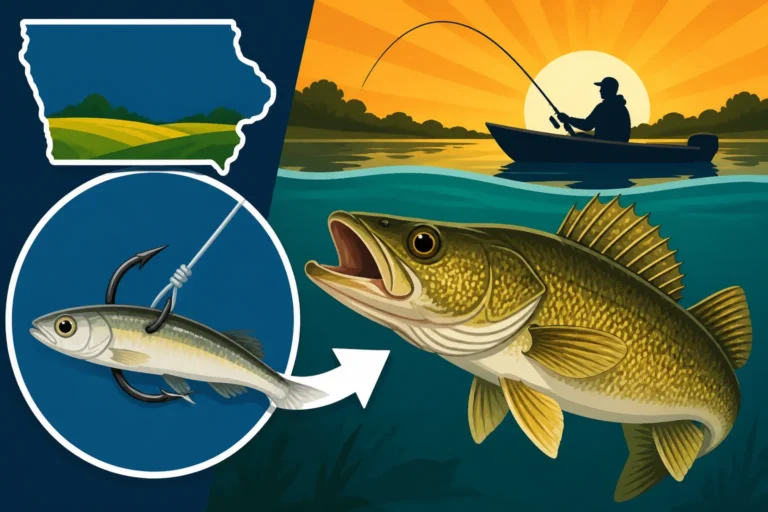
One of the most common frustrations among walleye anglers, especially here in Iowa, is dialing in that perfect trolling speed. You've got your favorite crankbait out, your rods are set, and you're covering water, but nothing seems to be biting. Often, the culprit isn't your lure choice or fishing spot, but simply how fast (or slow!) you're moving. This guide is here to help you understand the nuances of trolling speed for walleye, giving you practical, actionable advice to put more fish in your boat on Iowa's diverse waters.
Why Trolling Speed Isn't a One-Size-Fits-All Answer
Many anglers wish there was a magic number—a single, perfect trolling speed that guaranteed walleye success every time. Wouldn't that be nice? Unfortunately, fishing just doesn't work that way, and walleye are notoriously finicky. The "best" trolling speed for walleye is a constantly shifting target, influenced by a myriad of environmental factors and the specific mood of the fish on any given day. It's less about finding the speed and more about understanding how to adapt your speed to current conditions.
Think about it from the walleye's perspective. Are they actively hunting and chasing down prey, or are they lethargic, hugging the bottom, and only willing to strike at something easy that floats right past their nose? Your trolling speed directly dictates how your lure behaves, how long it stays in the strike zone, and how aggressively it appeals to those fish. A crankbait might have a beautiful wobble at 1.8 mph but swim unnaturally or "wash out" at 3 mph, essentially becoming a dead stick in the water. Conversely, a spinner rig might not even begin to rotate properly if you're creeping along too slowly, failing to create the flash and vibration that attracts walleye. Mastering your trolling speed means mastering your lure presentation, and that's a huge step toward consistent catches.
Key Factors Influencing Optimal Walleye Trolling Speed
Since there's no universal sweet spot, let's dive into the core factors that should inform your speed decisions when you're out chasing walleye across Iowa's lakes and rivers.
Water Temperature and Fish Metabolism
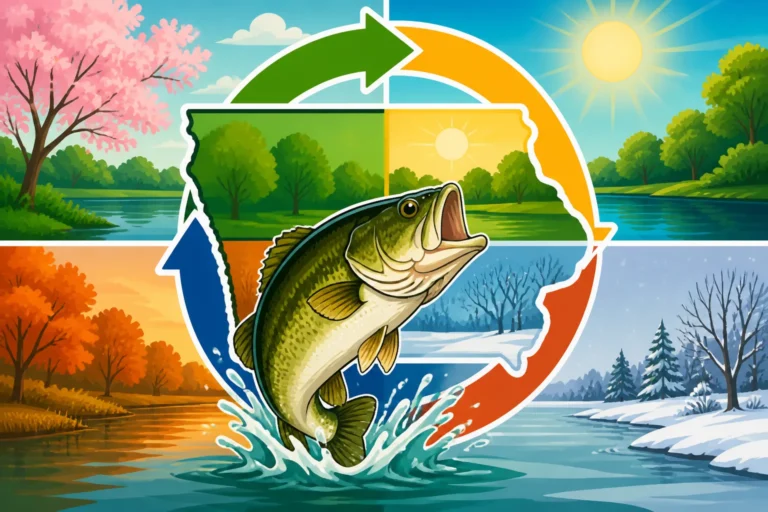
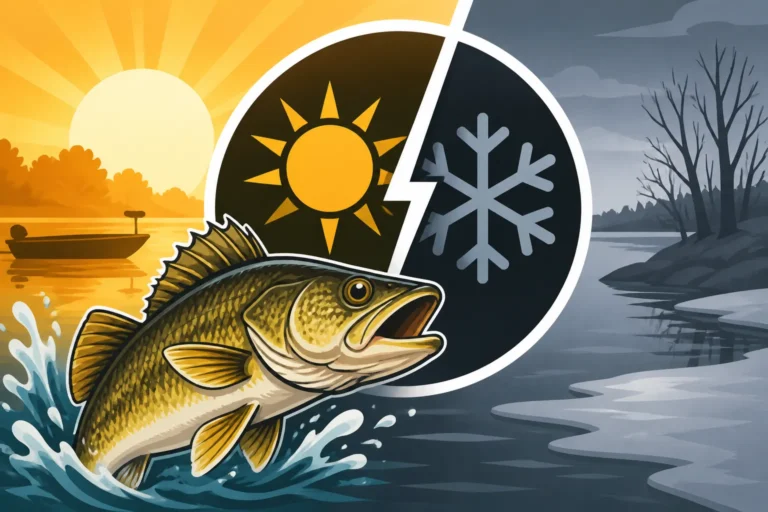
This is arguably one of the most critical factors. Just like us, walleye's activity levels are highly dependent on water temperature. In colder water, their metabolism slows down significantly. They're less inclined to expend a lot of energy chasing a fast-moving meal.
- Cold Water (Early Spring/Late Fall/Winter): When water temperatures are in the 30s and 40s (Fahrenheit), walleye are often sluggish. This calls for much slower trolling speeds, typically in the 0.8 to 1.5 mph range. Your goal here is to present a lure that looks like an easy meal, something that's not going to require much effort to catch. Think slow, subtle movements. This is often when a carefully presented live bait rig or a very slow-wobbling crankbait shines. Remember, How Water Temperature Affects the Walleye Bite is crucial for understanding fish behavior.
- Moderate Water (Late Spring/Early Summer/Fall): As water temps climb into the 50s and 60s, walleye become more active. They're feeding more aggressively and are willing to chase. Trolling speeds in the 1.5 to 2.5 mph range often become effective. This is prime time for many crankbaits to hit their optimal action.
- Warm Water (Mid-Summer): When water temperatures hit the high 70s and 80s, walleye can either be very active, chasing down prey, or they might become lethargic and seek deeper, cooler water. If they're active, you might even find success at speeds up to 3.0 mph or higher, especially with certain crankbaits designed for faster presentations. If they're sluggish, you'll need to slow down and target them in their cooler, deeper haunts.
Lure Type and Its Intended Action
Different lures are designed to perform best at specific speed ranges. Ignoring this can be the difference between a productive day and a frustrating one.
- Crankbaits: These are often speed-dependent. Many crankbaits have a specific speed range where their wobble, dive, and rattle are optimized. Too slow, and they might not wobble correctly; too fast, and they "wash out," losing their action. Small-lipped baits might be effective at slower speeds, while larger-lipped, deeper-diving baits can often handle more speed. Experimentation is key. Observe your rod tip: a steady vibration usually indicates good lure action. If the vibration disappears, you're likely going too fast or too slow. For understanding more about crankbaits in general, check out Best Lures for a Starter Tackle Box.
- Spinner Rigs/Crawler Harnesses: These rely on blade rotation to create flash and vibration. You need enough speed to get those blades turning. Typically, 0.8 to 1.8 mph is a good starting point. Too slow, and the blades won't spin; too fast, and they can twist your line or foul up. Often, a slow, methodical pace is what's needed for these rigs, especially when walleye are finicky. Learning How to Rig a Crawler Harness for Walleye correctly is just as important as the speed itself.
- Bottom Bouncers with Live Bait: When using bottom bouncers with minnows or nightcrawlers, your speed dictates how well the bouncer maintains bottom contact and how naturally your bait is presented. You want just enough speed to keep the bouncer occasionally ticking the bottom without dragging excessively or lifting too far off. This is often a slow crawl, from 0.5 to 1.2 mph. It's a feel-based technique.
- Jigs: While not strictly a trolling lure, sometimes you're moving very slowly and vertically jigging, which is a form of ultra-slow trolling. Your speed here might be almost imperceptible, just enough to cover a small area while still keeping your jig vertical and presenting it effectively. This is common when targeting schooled walleye in deeper holes or along subtle breaks.
Walleye Mood and Forage Behavior
Walleye moods can change on a dime. They might be aggressive one hour and completely shut down the next. Your trolling speed needs to reflect this.
- Aggressive Walleye: If fish are actively feeding, you might find success with faster trolling speeds, presenting lures that mimic fleeing baitfish. They're willing to chase, so covering more water quickly can put your lure in front of more active fish.
- Finicky or Neutral Walleye: When walleye are hesitant, slowing down becomes paramount. A slower presentation gives them more time to inspect the lure and makes it appear less threatening and more accessible. Sometimes, the slightest hesitation or change in direction (which creates a momentary speed change for your lures) is enough to trigger a strike from a neutral fish.
- Mimicking Forage: Observe what the local baitfish are doing. Are they darting around quickly, or are they moving sluggishly? Try to match your lure's action and speed to that of the natural prey. If you're fishing a lake known for large schools of shad, a faster trolling pass with a crankbait might be in order. If they're feeding on bottom-dwelling creatures, a slower, bottom-contact presentation would be better.
Practical Steps to Dial In Your Trolling Speed
So, with all these variables, how do you actually find the "best" speed out on the water? It's all about experimentation, observation, and using your gear wisely.
Use Your Electronics (GPS is Key!)
Modern electronics are your best friend when it comes to precise speed control. Your boat's speedometer often measures speed through the water, which can be heavily influenced by current and wind. For trolling, you want your speed over ground (SOG), which is typically measured by GPS. Most Fish Finders and Electronics for Iowa Anglers will display your SOG.
- Monitor SOG: Pay close attention to the GPS readout on your fish finder. This is your true trolling speed. Even small changes in wind or current can drastically alter your SOG if you're not constantly adjusting.
- Electric Trolling Motors: For precise speed control, especially at slower speeds, an electric trolling motor is invaluable. Many models offer GPS integration, allowing you to set a specific SOG and have the motor automatically adjust to maintain it, even against wind or current. This frees you up to focus on fishing.
- Speed Variation: Don't be afraid to make subtle turns or S-curves while trolling. This causes the lures on the inside of the turn to slow down and drop, while the lures on the outside speed up and rise. Often, a walleye will strike just as the lure changes speed or depth. These subtle accelerations and decelerations can be incredibly effective at triggering bites.
The "Start Slow and Speed Up" Rule
When in doubt, always start on the slower side of your expected range. For many walleye presentations, especially with live bait or spinner rigs, going too fast is a more common mistake than going too slow.
- Establish a Baseline: Start with a speed you think is reasonable given the water temperature and your chosen lure (e.g., 1.0 mph for spinners, 1.8 mph for crankbaits).
- Incrementally Increase Speed: If you're not getting bites after a reasonable amount of time, increase your speed by small increments (e.g., 0.1 or 0.2 mph). Work your way up the speed spectrum until you find what the fish prefer.
- Pay Attention to Bites: The moment you get a bite, note your exact GPS speed. Try to replicate that speed. If you catch another fish, you're on to something.
The Role of Line Counters and Tackle Selection
Having the right gear helps tremendously in consistency.
- Line Counter Reels: These reels, easily found on Amazon, are essential for consistent trolling depth. They tell you exactly how much line you have out, allowing you to repeat successful presentations and depths. Combine this with your speed, and you can truly pinpoint what's working.
- Right Rod and Line: Your rod's action and line type can influence how well you detect subtle bites at different speeds. A longer, more forgiving rod, like a Best Rod Length for Iowa River Walleye Fishing, might be good for absorbing subtle strikes, while braided line can offer increased sensitivity, helping you feel even the slightest tap when trolling slowly.
- Lure Selection: Always consider the optimal speed range for the specific lure you're using. If a crankbait is designed for faster trolling, don't try to crawl it. If a spinner rig needs slow movement, a fast troll will likely foul it. Check the manufacturer's recommendations or common angler practices for the lure you've chosen. For example, some crankbaits are fantastic for How to Catch Walleye in Iowa at varied speeds, while others are more finicky.
Troubleshooting Common Trolling Speed Issues
Even with the best intentions, you might run into situations where walleye just aren't cooperating. Here are some common troubleshooting tips related to trolling speed.
If You're Not Getting Bites
- Slow Down, Then Slow Down More: This is the most common fix. Many anglers troll too fast out of impatience. Really force yourself to creep along. Often, even a 0.1 mph decrease can make a huge difference, especially in tough conditions.
- Change Lure Action, Not Just Lure: Instead of swapping colors or sizes, consider changing to a lure type that has a different action at your current speed. For instance, if your crankbait isn't getting attention at 1.8 mph, try a spinner rig at 1.0 mph.
- Look for Structure/Transitions: Ensure you're not just trolling open water aimlessly. Walleye often relate to structure like drop-offs, humps, weed lines, or current breaks. Your speed needs to allow your lure to effectively interact with that structure. Check out Fishing the Iowa Great Lakes or Fishing Rathbun Lake in Iowa for examples of productive structure.
- Check Your Line: Periodically pull a lure up and check for weeds or debris that might be fouling its action. This is especially true when trolling Walleye Fishing Techniques for Iowa Rivers where current can bring debris.
If You're Catching Fish, But They're "Short Strikes" or Missing the Hook
- Check Hook Sharpness: Always the first step! Dull hooks miss fish.
- Experiment with Leader Length: For live bait or spinner rigs, a longer or shorter leader might be needed. Sometimes fish are just nipping at the bait.
- Go Even Slower: If fish are just swatting at the lure or you're getting light bites, it could mean they're not fully committing. A slower presentation gives them more time to engulf the bait.
- Change Lure Size/Profile: Sometimes, a smaller lure can entice a hesitant fish to fully commit.
Table: General Trolling Speed Guidelines for Walleye (in MPH, Speed Over Ground)
Keep in mind, these are starting points. Always adjust based on fish activity, water temperature, and your specific location!
| Lure Type / Condition | Cold Water (30-40s F) | Moderate Water (50-60s F) | Warm Water (70s+ F) | Notes |
|---|---|---|---|---|
| Live Bait Rigs (e.g., Minnow) | 0.5 – 1.0 | 0.8 – 1.5 | 1.0 – 2.0 | Mimic natural movement, avoid twisting line. |
| Crawler Harnesses/Spinners | 0.8 – 1.5 | 1.2 – 2.2 | 1.5 – 2.5 | Ensure blade rotation, adjust for current. |
| Shallow-Diving Crankbaits | 1.0 – 1.8 | 1.5 – 2.5 | 1.8 – 3.0+ | Observe lure wobble, avoid "wash out." |
| Deep-Diving Crankbaits | 1.2 – 2.0 | 1.8 – 2.8 | 2.0 – 3.5+ | Often designed for faster speeds, check depth. |
| Bottom Bouncers | 0.5 – 1.0 | 0.8 – 1.5 | 1.0 – 2.0 | Maintain consistent bottom contact, adjust for depth. |
Ultimately, finding the Best Trolling Speed for Walleye is an art refined through experience. Don't be afraid to experiment, pay close attention to your surroundings, and trust your instincts. The walleye will tell you what they want if you're patient enough to listen!
Disclaimer
This article is for general informational purposes only and does not constitute professional advice. Laws, prices and regulations vary by location and change over time. Consult a qualified professional for guidance on your specific situation.