Best Technique for Perch Through the Ice
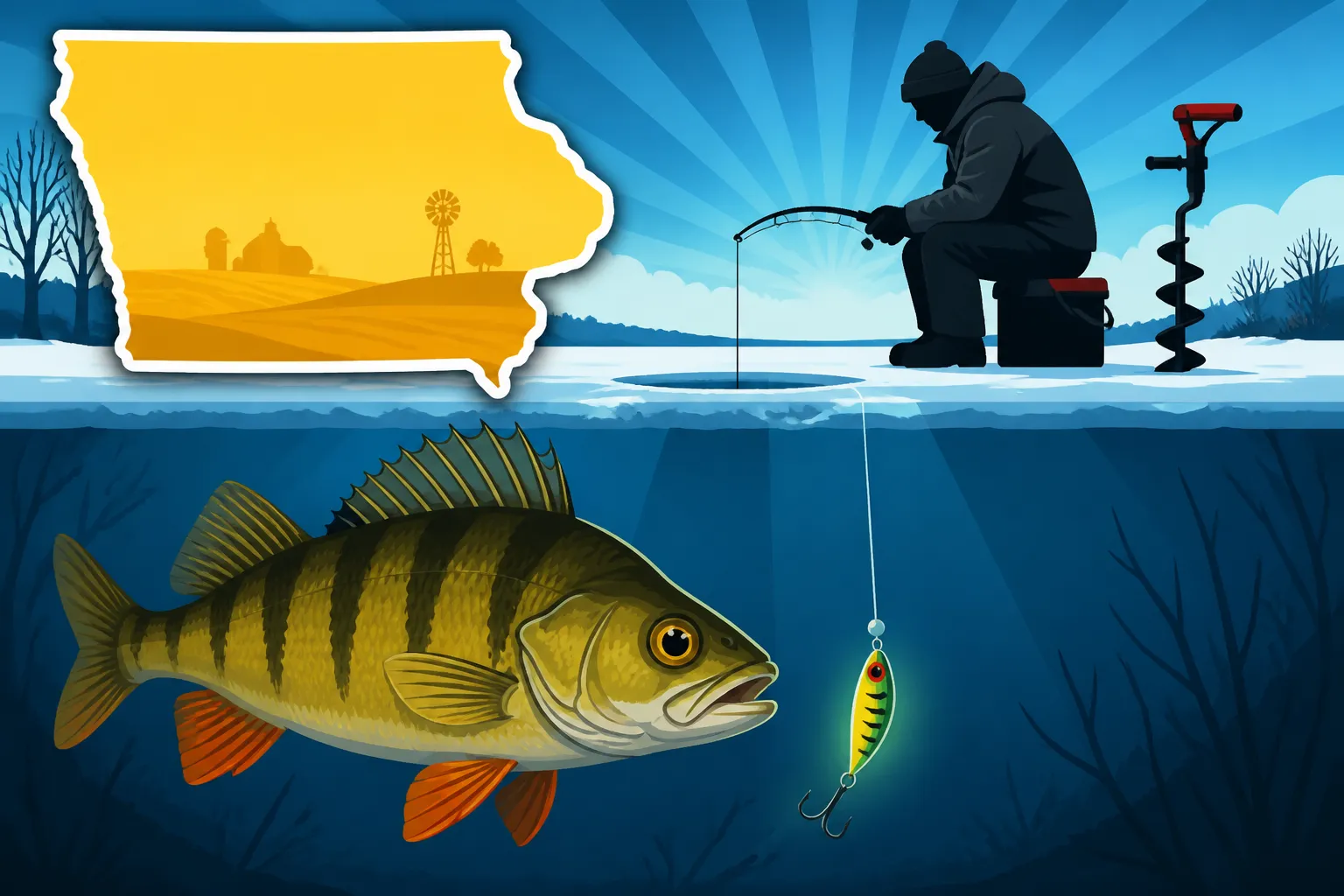
There's nothing quite like the crisp air and the anticipation of a tug on your line when you're ice fishing in Iowa. But let's be honest, trying to pinpoint and entice those often-finicky perch through a tiny hole in the ice can sometimes feel like a real puzzle. It's easy to get discouraged when you've drilled a dozen holes and haven't seen a single flicker on your electronics. This guide is here to untangle that puzzle, sharing tried-and-true strategies, essential gear tips, and a deeper understanding of perch behavior to help you consistently put more of those tasty panfish on the ice.
Understanding Iowa Perch Behavior Under Ice
Perch are schooling fish, and that behavior doesn't change when the water turns to ice. What does change is their metabolism and where they tend to hold. In the frigid depths of winter, perch become a bit more lethargic, conserving energy, and often sticking close to dependable food sources and structure. Knowing this fundamental shift is the first step to success.
Winter Perch Movement Patterns
When lakes and ponds freeze over, perch don't just disappear; they simply relocate to areas that offer comfort, safety, and food. You'll often find them congregating in deeper sections of the lake, particularly around significant structural elements. Think about those gradual drop-offs that transition from a shallower flat into a deeper basin. These "breaks" are prime territory. Weeds, even decaying ones, can still hold perch by providing cover and attracting smaller invertebrates that perch feed on. During early ice, green weed lines can be absolute magnets. As winter progresses and oxygen levels in dense weed beds decline, perch tend to pull out and hold to deeper main lake basins or around subtle humps and points that rise off the bottom. It’s not uncommon to find massive schools suspended in the middle of a deep basin, chasing plankton or minnows. Understanding these transitions is key to not wasting your precious time drilling holes in barren waters.
Feeding Habits in Cold Water
Cold water slows everything down, including a perch's metabolism. This means they're less likely to chase down a fast-moving, aggressive lure. Their feeding windows might be shorter, and their bites can be incredibly subtle – sometimes just a slight "mush" or added weight on your line rather than a distinct tap. Because of this, presenting smaller baits with slower, more deliberate movements is often the most effective approach. They're still opportunistic feeders, but they prioritize efficiency. They'll look for easy meals like insect larvae, tiny minnows, or even other small invertebrates that are struggling. This physiological change dictates almost every aspect of your presentation, from the size of your lure to the speed of your jigging retrieve.
Essential Gear for Ice Fishing Perch
You can't catch fish if you can't get to them, and the right gear makes all the difference, both in comfort and effectiveness. Ice fishing for perch requires a slightly more refined setup than, say, battling a big catfish on the Mississippi River in summer.
Rods, Reels, and Line for Sensitivity
When targeting perch through the ice, sensitivity is your absolute best friend. Those light bites we just talked about? You won't feel them with heavy gear. You want a light or ultra-light action ice rod, typically between 24 and 30 inches long. The tip should be incredibly sensitive, often made of a fiberglass or composite material that gives it a "noodle" like action, allowing you to see the lightest takes. Pair this with a small spinning reel, size 500 or 1000, spooled with 2 to 4-pound test monofilament or fluorocarbon line. Many anglers opt for fluorocarbon leaders because of its invisibility and sensitivity, connecting it to a slightly heavier braided main line for strength and zero stretch. This light setup means you'll feel every bump and tick, transforming missed bites into hooked fish. If you're looking to upgrade your setup, you can find a fantastic selection of sensitive ice fishing rods and reels on Amazon.
Augers and Shelters for Comfort
Getting through the ice is non-negotiable, and how you do it impacts your efficiency. For perch fishing, especially with a "run-and-gun" approach, a lightweight, efficient auger is critical. Manual hand augers are great for early ice and shallower depths, but if you're hitting thicker ice or drilling dozens of holes, a powered auger (either gas or, increasingly popular, electric) will save your back and energy. For electric options, brands like ION or StrikeMaster offer powerful and relatively quiet options.
An ice fishing shelter isn't strictly necessary for a quick trip on a mild day, but for prolonged stays or cold, windy Iowa winters, it's a game-changer. A portable pop-up shelter offers protection from the elements, keeps you warmer, and helps you see your line better without the glare. Companies like Eskimo and Clam make excellent hub-style and flip-over shelters that are easy to set up and transport. Staying comfortable means staying on the ice longer, which directly translates to more opportunities to catch perch. You'll find many reliable options, from manual augers to durable shelters, perfect for your next Ice Fishing in Iowa adventure, right there on Amazon.
Electronics: Your Eye Beneath the Ice
If there's one piece of gear that has revolutionized ice fishing, it's portable electronics. A good flasher or fish finder is invaluable for perch. It allows you to:
- Locate Perch: You can see schools of fish, often depicted as colored lines or arcs, allowing you to instantly know if fish are present in a hole.
- Determine Depth: Knowing the exact depth fish are holding at is crucial for presenting your bait effectively.
- Monitor Your Lure: You can literally watch your bait descend and see how fish react to it. Are they ignoring it? Chasing it? This immediate feedback is priceless.
A quality flasher, like those from Humminbird or Vexilar, provides real-time information, showing your lure and any fish that come into the transducer's cone. For a more detailed, map-based view, many anglers now use advanced fish finders with GPS and mapping capabilities, especially useful for marking prime Perch Populations at the Iowa Great Lakes hotspots. Investing in a good flasher or fish finder will drastically increase your success rate and cut down on unproductive drilling. For more in-depth advice, check out a guide on Fish Finders and Electronics for Iowa Anglers.
| Gear Item | Purpose | Key Features for Perch |
|---|---|---|
| Ice Rod | Feeling bites, fighting fish | Ultra-light to Light action, 24-30 inches, sensitive tip |
| Spinning Reel | Line management, drag system | Size 500-1000, smooth drag |
| Fishing Line | Connection to lure, sensitivity, strength | 2-4 lb test mono/fluoro leader, braided mainline |
| Auger | Drilling holes in ice | Electric or hand auger for mobility; 6-8 inch diameter |
| Portable Shelter | Protection from elements, comfort | Pop-up hub or flip-over style, easy setup |
| Flasher/Fish Finder | Locating fish, monitoring lure | Real-time sonar, depth display, lure tracking |
| Micro Jigs/Spoons | Attracting bites | Small profile (1/32 to 1/16 oz), various colors, glow |
| Live Bait | Enticing finicky perch | Waxworms, spikes, small minnows |
Mastering Perch Ice Fishing Techniques
With the right gear in hand, it's time to talk about strategy. Perch fishing through the ice is a game of finesse and persistence. It’s not just about dropping a line; it’s about presenting it in a way that appeals to their cold-water sensibilities.
Jigging Strategies for Finicky Perch
As mentioned, perch can be incredibly subtle in winter. This means your jigging technique needs to be equally subtle and varied. Start by dropping your lure to the bottom, then reel up a foot or two. Often, perch will cruise slightly above the bottom.
- Subtle Quiver: Hold your rod tip very still, imparting just the slightest quiver with your wrist. This makes the lure dance delicately.
- Lift and Pause: A slow, controlled lift of 6-12 inches, followed by a long pause (5-10 seconds), can often trigger a strike. The pause is critical, as many bites happen on the fall or during the stillness.
- "Dead Stick" Method: If fish are particularly finicky, consider setting up a second rod as a "dead stick" nearby (ensure you know the rules regarding How Many Fishing Poles You Can Use in Iowa). This rod holds a bait motionless, perhaps a small minnow on a plain hook or a heavily scented plastic, while you actively jig with your main rod. Sometimes, the fish just want something still.
- Color and Size Experimentation: Don't be afraid to change up your lure color and size. On bright days, natural colors might work better; on dark days or deep water, glow colors can be irresistible. Common perch ice fishing lures include small tungsten jigs (1/32 to 1/16 oz) tipped with live bait, tiny spoons, or small soft plastics.
Bait Selection: What Perch Can't Resist
While lures provide action and flash, live bait often provides that extra irresistible incentive for a lethargic perch. Tipping your jig with a small piece of live bait is almost always a good idea.
- Waxworms and Spikes: These are classics for a reason. They're small, have a natural wiggling action, and offer a strong scent profile. Thread one or two onto your jig hook for added appeal. You can easily find these at local bait shops or sometimes even through online retailers on Amazon.
- Small Minnows: If perch are feeding on baitfish, a small minnow, either lively or "dead sticked" on a plain hook or small jig, can be deadly. Hook them lightly through the back, just behind the dorsal fin, or through both lips for a lively presentation.
- Scented Soft Plastics: Beyond live bait, many anglers find success with tiny scented soft plastics, especially those designed to mimic insect larvae or small minnows. Brands like Berkley PowerBait or Mister Twister offer a wide array of options that can be incredibly effective, particularly when paired with a sensitive jigging technique. For more ideas on what to tip your hook with, check out this guide on the Best Bait for Ice Fishing Crappie, as many panfish baits overlap.
The 'Run-and-Gun' Approach
Perch are schooling fish, but those schools aren't always stationary. The "run-and-gun" technique involves being highly mobile, drilling numerous holes, and moving quickly until you locate an active school. This strategy is especially effective on larger bodies of water, like the Iowa Great Lakes, where schools might be scattered.
- Drill and Scan: Drill a series of holes in a promising area (e.g., along a break line, over a deep flat). Don't just drill one; drill five or six in a pattern.
- Drop Your Flasher: Immediately drop your flasher transducer into each hole. Scan for a few seconds. No fish? Move to the next hole.
- Fish Quickly: If you see fish, drop your bait down quickly and give it a minute or two of active jigging. If you don't get a bite, try a different presentation or move to the next hole where you saw fish.
- Stay with the School: Once you find an active school and start catching fish, mark that spot on your GPS or mentally note it. Often, if the bites slow down, the school has moved, and you might need to drill a few new holes nearby to intercept them again. This active approach, while more work, greatly increases your chances of finding consistent action.
Finding the Right Spots for Perch Through the Ice
You can have the best gear and the most refined technique, but if you're not over fish, you won't catch anything. Locating perch is often the biggest challenge and the biggest reward in ice fishing.
Key Structures to Target
Perch relate heavily to structure, even under the ice. Learning to identify these key areas on a map or with your electronics is fundamental.
- Weed Lines: During early ice and in lakes with healthy vegetation, focus on the edges of submerged weed beds. These provide cover and harbor small critters that perch feed on. Look for "green" weeds that still produce oxygen.
- Break Lines and Drop-Offs: These are transitions where the bottom contour changes significantly. A flat leading to a deep drop-off is a classic perch highway. Perch will often suspend along these breaks, moving up and down the column throughout the day.
- Humps and Points: Submerged humps (underwater hills) and points extending from shore provide elevated structure that perch will cruise around. The tops of these structures often hold fish, as do the deeper edges.
- Deep Basins: Especially in mid-winter, large schools of perch can suspend in the deepest parts of a lake, often chasing schools of baitfish or zooplankton. These can be harder to locate without good electronics but can offer incredible action once found. Utilizing detailed contour maps, often available on your fish finder or through apps, can help you pinpoint these structures even before you step on the ice.
Reading the Ice and Understanding Depth
Safety always comes first when ice fishing. Always check ice thickness before venturing out, especially in early or late season. A good rule of thumb for safe foot travel is generally 4 inches of clear, solid ice. But don't just rely on rules; check it yourself with an auger or spud bar. For more detailed safety advice, consult guides like Best Ice Thickness for Safe Ice Fishing.
Once you're safely on the ice, understanding depth is paramount for perch. They are often found anywhere from 10 to 40 feet deep, depending on the lake and the time of year.
- Shallow vs. Deep: Early and late ice might see perch in shallower water (10-20 feet) closer to remaining green weeds or feeding flats. Mid-winter, they tend to pull deeper (20-40+ feet) to more stable water temperatures and oxygen levels.
- Thermoclines: While thermoclines are more pronounced in summer, differences in water temperature and oxygen can still influence where fish hold in winter. Your fish finder can help identify these subtle layers. Experiment with different depths until you find where the fish are active. Don't be afraid to fish just a few feet under the ice if your electronics show suspended fish, or right on the bottom if that's where they're holding.
Timing Your Attack
Perch, like most fish, have peak activity periods. While you can catch them throughout the day, focusing your efforts during specific windows can significantly increase your catch rate.
- Dawn and Dusk: These low-light periods are often the most productive for many species, including perch. Fish tend to be more active, moving into shallower feeding areas or becoming more aggressive in deeper water.
- Mid-Day Lulls: While the middle of the day can be slower, it's not uncommon for perch to remain active, especially in deeper, stable water. If you've found a school, they might just require a more subtle presentation during this time.
- Weather Patterns: Pay attention to changing weather. Stable weather patterns often lead to more consistent fishing. Approaching fronts can sometimes trigger a feeding frenzy right before they hit, while post-front conditions with high pressure and clear skies can make fish much tougher to catch. Sometimes, simply finding the time to get out there, regardless of the precise timing, is the best strategy. The more time you spend on the ice, the more you learn, and the more perch you're likely to catch!
Disclaimer
This article is for general informational purposes only and does not constitute professional advice. Laws, prices and regulations vary by location and change over time. Consult a qualified professional for guidance on your specific situation.