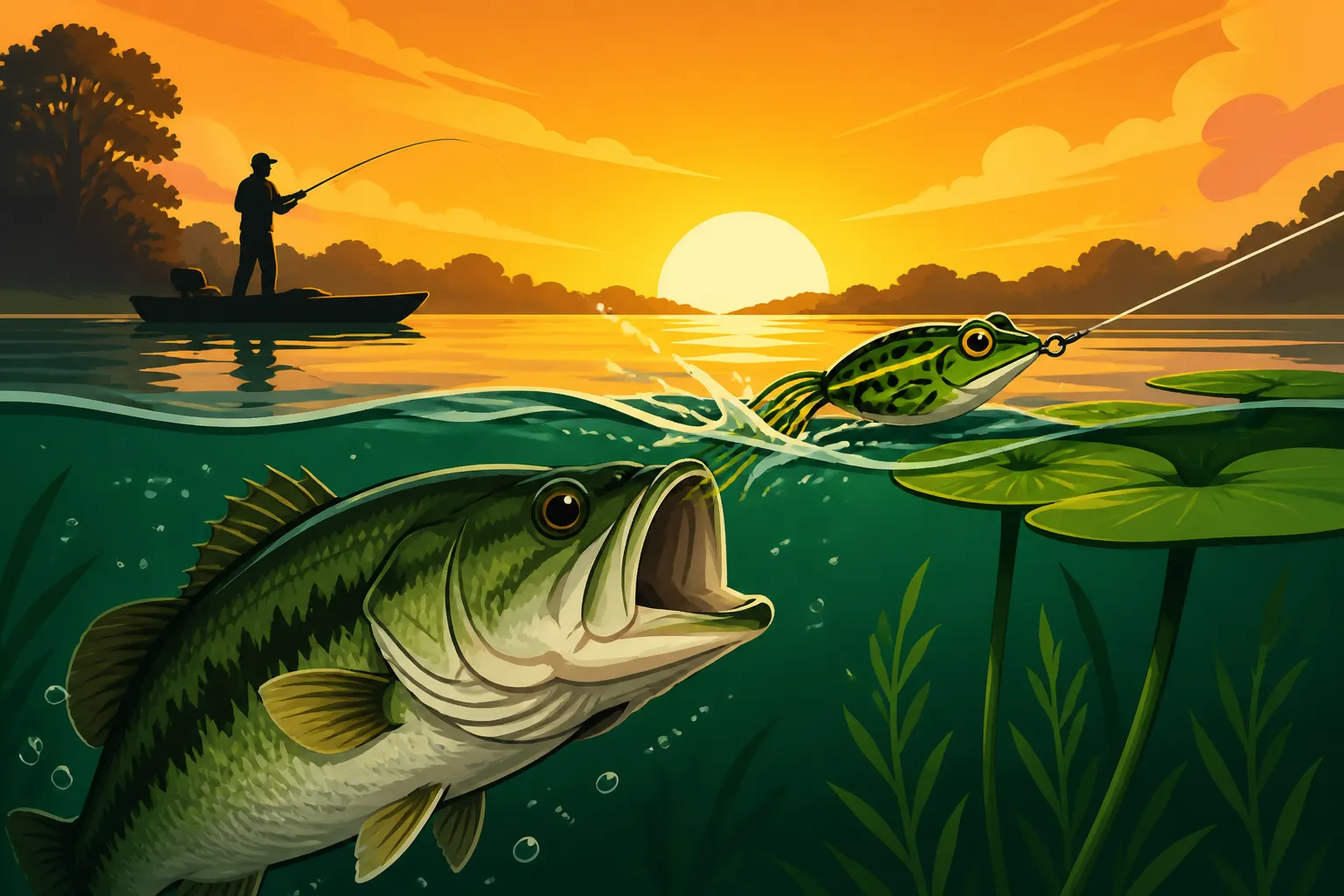
Topwater Frog Fishing for Bass at Dawn
There's nothing quite like the heart-stopping explosion of a largemouth bass blowing up on a topwater frog, especially when the morning mist is still clinging to the water. Yet, so many anglers struggle to consistently trigger these incredible strikes, often feeling frustrated as the sun climbs higher and the bite disappears. This comprehensive guide is here to unlock the secrets of topwater frog fishing for bass at dawn in Iowa, turning those missed opportunities into unforgettable angling moments.
Why Dawn and Why Topwater Frogs for Iowa Bass?
Let's be honest, getting up before the sun has its challenges, but for topwater frog fishing, it's absolutely worth it. There’s a distinct window of opportunity right as the day breaks that offers some of the most exhilarating bass fishing you’ll ever experience. It's not just tradition; there are real biological and environmental reasons why dawn is prime time for frogs.
The Magic Hour: Understanding the Dawn Bite
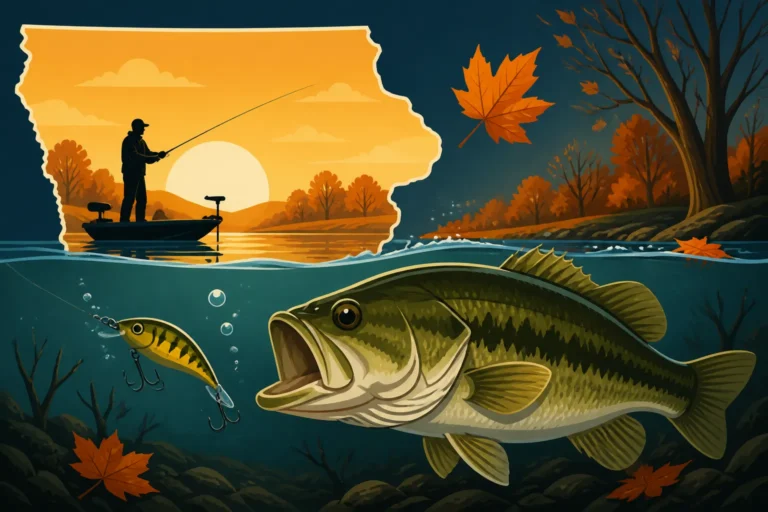
The period just before and after sunrise, often called "the magic hour" or "golden hour," is when bass are typically at their most aggressive and least wary. This isn't just a myth spun by seasoned anglers; it's rooted in how bass behave and perceive their environment.
First, the low light conditions are a massive advantage. Bass, being ambush predators, have excellent low-light vision, which gives them an edge over their prey. As the first rays of sun barely peek over the horizon, they feel more confident venturing into shallower, often weed-choked areas where they might be hesitant during brighter parts of the day. This means they’re actively patrolling the very zones where a frog lure shines. Second, cooler water temperatures in the early morning hours often stimulate bass activity. After a long night, they’re ready to feed, and the slightly cooler water makes them more comfortable moving and hunting. As the sun rises and heats the shallow water, bass often retreat to deeper, cooler sanctuaries, making them harder to tempt with topwater presentations. Finally, for many public waters, dawn often means less boat traffic and human disturbance. A calm, quiet surface is ideal for the subtle — and sometimes not so subtle — presentations of a frog, allowing you to work your lure without constant interruptions from passing boats or shore activity. This tranquility enhances the natural feel of your presentation. You might find some of the Best Time of Day to Catch Bass in Summer discussions really lean into this concept.
The Unbeatable Appeal of a Frog Lure
So, why a frog specifically? While there are many fantastic topwater lures out there, the frog holds a special place, especially when targeting bass in heavy cover. Its unique design and presentation offer several key advantages that other lures simply can't match.
A frog lure excels at mimicking natural prey that bass feast on regularly. Think about it: frogs, mice, small birds, even ducklings occasionally fall into the water. These creatures often find themselves navigating dense vegetation, the very places where big bass like to hide and ambush. A frog lure, particularly a hollow-body frog, imitates these creatures struggling across the surface, creating an irresistible target for a hungry bass. What truly sets the frog apart is its incredible weedless design. Traditional treble-hooked topwater lures are a nightmare to fish in lily pads, matted grass, or thick slop. A hollow-body frog, with its upward-facing double hooks tucked tightly against the body, glides over and through the densest cover with remarkable ease. This means you can put your lure exactly where the big bass live – deep within the thickest vegetation that other lures can’t touch. And then there's the explosive strike. Few things in fishing compare to a bass erupting through a mat of weeds to engulf a frog. It's a visual, visceral thrill that hooks anglers for life. The anticipation as you slowly work your frog, knowing a monster could obliterate it at any second, is what makes this technique so addictive. For more general advice on hooking these fantastic fish, check out our guide on How to Catch Bass in Iowa.
Gearing Up for Success: Your Topwater Frog Arsenal
You can't just throw any old setup into heavy cover and expect to consistently land big bass on a frog. This technique demands specific equipment to handle the lure, penetrate thick cover, and wrench powerful fish out of dense vegetation. Skimping on your gear here will only lead to frustration and lost fish.
Rods, Reels, and Line: The Right Tools for the Job
This isn't the time for finesse gear; you need power and strength. A heavy or extra-heavy action baitcasting rod, typically between 7' and 7'6" in length, is your best friend for frog fishing. The heavy action provides the backbone needed to cast a relatively bulky frog lure accurately, generate enough power for a solid hook set, and, most importantly, control a large bass as it tries to bury itself back in the weeds. Think of it as a crowbar, not a whip. The length offers leverage for casting and fighting fish. You might find similarities in selecting the right rod for other heavy cover applications, like discussed in Best Rod Length for Iowa River Walleye Fishing, though the specific actions differ.
Pair that heavy rod with a sturdy baitcasting reel. Look for a reel with a moderate to high gear ratio, somewhere in the 7.1:1 to 8.1:1 range. This higher speed allows you to quickly pick up slack line after a strike and efficiently retrieve your frog over vast mats of vegetation. Ensure the reel has a strong drag system, as you’ll be putting a lot of pressure on it when battling a big bass. If you're wondering Do You Need a Baitcaster for Bass Fishing?, for frog fishing, the answer is a resounding yes!
Now, for the line: braided line is non-negotiable for frog fishing. Monofilament stretches too much, making it incredibly difficult to get a solid hook set through a frog's body and into a bass's jaw, especially at a distance. Fluorocarbon sinks, which defeats the purpose of a topwater lure. Braided line, typically in the 50 to 65-pound test range, has virtually no stretch, immense strength, and cuts through vegetation remarkably well. This allows for powerful hook sets and the brute strength needed to pull a bass and a clump of weeds out of the thick stuff. The heavier test line also resists abrasion from sharp vegetation better. This contrasts heavily with the considerations for Braided Line vs Monofilament for Walleye, where different properties are prioritized.
Choosing the Perfect Frog Lure
The market is flooded with frog lures, but they generally fall into two main categories: hollow-body frogs and toad-style baits. Both have their place, but the hollow-body frog is the undisputed king for heavy cover at dawn.
Hollow-body frogs are designed with a soft, collapsible body and two upward-facing hooks that tuck tightly against the body, making them virtually weedless. They float perfectly and can be worked with a variety of retrieves, from subtle twitches to aggressive walks. These are your go-to for matted vegetation, lily pads, and thick slop. Brands like Booyah Pad Crasher or Spro Bronzeye Frog are popular choices and can often be found readily on platforms like Amazon. Toad-style baits, on the other hand, are soft plastic creatures with legs that usually require a wide-gap hook rigged weedless. They're excellent for slightly lighter cover, open water, or when you want a faster, more retrieve-focused action. They create a lot of commotion but aren't as impervious to snags as their hollow-body cousins.
When it comes to color, keep it simple, especially at dawn. Early morning, low light conditions often favor darker, high-contrast colors like black, junebug, or dark greens. These colors create a distinct silhouette against the brightening sky, making them easier for bass to see. As the sun gets higher, more natural patterns like greens, browns, and white might become more effective. But for that prime dawn window, lean into those darker, more defined options. Consider the size of your frog as well. While bigger frogs can tempt bigger fish, sometimes a slightly smaller profile will get more bites, especially if the bass are pressured or the forage is small. Having a few different sizes and colors in your tackle box dedicated to frogs is a smart move.
Master the Art of Frog Presentation at Dawn
Having the right gear is only half the battle; knowing where to throw your frog and how to work it is where the magic truly happens. Effective presentation transforms a simple lure into an irresistible meal.
Identifying Prime Frog Fishing Cover in Iowa
Iowa might be known for its vast farmlands, but it also boasts incredible fishing opportunities, especially for bass that love thick cover. At dawn, bass will often be positioned shallow, tucked into the densest available structure, waiting to ambush unsuspecting prey. Your job is to put that frog right on their doorstep.
Look for areas with significant emergent vegetation. Lily pads are a classic frog target; the bass will hide beneath them, and your frog hopping across the pads is an obvious meal. Matted grass, duckweed, or thick algae mats create a canopy that provides shade and cover, making them ideal ambush points. Don't be afraid to cast directly onto these mats and work your frog over them. Laydowns (fallen trees) and shaded banks, especially those with overhanging cover, also offer excellent opportunities. Bass will often patrol the edges of these structures or sit deep within the darkest pockets. For specific locations, many Iowa waters, including larger reservoirs like Saylorville and Coralville, or even numerous smaller public lakes and farm ponds, will have these kinds of features. Places like Best Farm Ponds for Bass Fishing are absolute goldmines for this technique. Even backwater areas of rivers like the Mississippi, particularly sections detailed in guides like Mississippi River Pool 10 Fishing, offer dense pockets of vegetation perfect for frogging.
Retrieval Techniques for Explosive Strikes
The way you retrieve your frog is crucial. The goal is to imitate a living creature moving across the surface, sometimes panicked, sometimes casually. The beauty of a hollow-body frog is its versatility.
The "walk-the-dog" retrieve is often deadly. This involves imparting short, downward twitches of your rod tip while simultaneously reeling in slack line. This makes the frog zigzag gracefully across the surface, mimicking a frog swimming. Vary your cadence; sometimes a slow, deliberate walk is best, while other times a faster, more erratic retrieve can trigger a reaction strike. Popping or chugging retrieves are also effective. With the rod tip pointed slightly down, give a sharp, upward snap of the rod. This makes the frog splash and gurgle, drawing attention from a distance. A "stop-and-go" retrieve is exactly what it sounds like: work the frog a few feet, then let it sit perfectly still. This pause is often when a bass will strike, believing the "prey" is vulnerable or injured. Experiment with the length of your pauses; sometimes a quick twitch, twitch, pause works, while other times a longer, patient pause is key. Remember, at dawn, bass are often less cautious, so sometimes a more aggressive retrieve can work wonders, but always be prepared to slow it down if they're not committing. Pay attention to how the bass react and adjust your presentation accordingly. Don't forget that your chosen frog lure might have a recommended retrieve style on its packaging, or you can find countless videos on Amazon that demonstrate popular techniques.
Setting the Hook: Timing is Everything
This is arguably the most challenging and frustrating aspect of frog fishing. You'll get plenty of explosive strikes, but not all of them will result in a hooked fish. The key is patience. When a bass blows up on your frog, your natural instinct is to set the hook immediately. Resist this urge!
Instead, wait. Wait until you feel the weight of the fish, or when your line starts moving away. Many experienced froggers advise waiting a count of "one Mississippi, two Mississippi" after the strike before you set the hook. This allows the bass to fully engulf the bait and turn its head, ensuring the hooks are in its mouth, not just in the weeds or outside its jaw. Once you feel that solid pull or the line tightens, then comes the "sweep" set. Don't just jerk straight up. Instead, sweep your heavy rod sideways, parallel to the water, with a powerful, deliberate motion. This ensures maximum power transfer and drives those heavy-gauge hooks home through the tough jaw of a bass. Check your hooks often; they should be razor-sharp. Even the best frog hooks can dull after hitting a few pieces of wood or rock, and a dull hook is a missed fish.
Common Challenges and Troubleshooting
Even with the perfect setup and technique, frog fishing can throw some curveballs. Understanding common issues and how to troubleshoot them will significantly improve your success rate and reduce frustration.
Dealing with Missed Strikes
The infamous "blow-up and no fish" scenario is a rite of passage for every frog angler. It’s incredibly frustrating to see a massive splash only to reel in an untouched lure. Several factors contribute to missed strikes, and many have simple solutions.
Often, bass will short strike the frog, meaning they don't fully commit to eating it. They might swat at it, push it, or simply miss. If this is happening frequently, try slowing down your retrieve. Longer pauses can give a hesitant bass more time to size up the lure and decide to commit. Sometimes, a smaller frog or a slightly different color can make a difference. Ensure your hooks are sharp; even a minor dullness can cause the hooks to glance off a bass's jaw. You can also experiment with adding a "trailer hook" to your frog, which is a small treble hook attached to the rear hook of the frog. Be aware that a trailer hook will make your frog slightly less weedless, so use it selectively in open pockets of cover rather than dense mats. Lastly, revisit your hook-setting timing. It's truly a learned skill, and many missed fish are due to setting the hook too early. Remember to feel the weight before you sweep.
Snags and Weeds: Turning Frustration into Opportunity
While frogs are designed to be weedless, fishing in heavy cover inevitably means getting snagged now and then. Don't let a few snags deter you; embracing the weeds is part of the game.
The beauty of a hollow-body frog is its ability to glide over and through most vegetation without issue. However, sometimes the hooks can get tangled in particularly dense clumps or submerged branches. The first rule is: don't panic. A gentle twitch of the rod, combined with slight pressure, can often free the lure. If it's lightly snagged on a weed, a sharp snap might pop it free. If you're truly stuck, especially on a heavy branch or log, try to approach from a different angle with your boat or by carefully wading if safe. Sometimes a simple change in the line angle is all it takes. Remember, the goal is to fish where other lures can't go, so a few snags are the price of admission for getting to those trophy bass. It's often where the biggest fish reside, hidden deep within the cover, so learning to navigate these challenges is crucial. You might find some parallels in techniques used to dislodge lures in other heavy cover situations, even if the primary target is different, such as those discussed in Best Tackle for Bank Fishing on Iowa Rivers.
When the Bite is Tough
There will be mornings when the bass just aren't interested in your frog. It happens to the best of us. When the bite is tough, it’s time to adapt and get creative.
First, consider changing the presentation. If a walk-the-dog isn't working, try more aggressive pops and chugs, or switch to a longer pause. Varying your retrieve speed and cadence can sometimes trigger a reluctant bass. If presentation tweaks don't work, try changing colors. While darker colors are often good at dawn, a brighter or more natural color might appeal if the bass are being particularly finicky. Sometimes, a different size frog can make the difference – going smaller or even trying a larger profile to trigger a reaction strike. If frogs are completely out, consider other topwater options that create different sounds and actions, like a popping bait or a buzzbait. If topwater is simply not working, it might be time to go subsurface with a weedless jig or a Texas-rigged soft plastic to probe the cover more thoroughly. But don't give up on the frog too quickly; often, it's just a matter of finding the right combination of location and presentation to unlock that thrilling dawn bite.
| Frog Type | Best For | Action | Weedless Rating | Advantages | Disadvantages |
|---|---|---|---|---|---|
| Hollow-Body Frog | Thick mats, lily pads, heavy slop, sparse grass | Walk-the-dog, pop, chug, subtle twitches | Excellent | Highly weedless, versatile retrieves, great hook-up ratio when timed right | Can be hard to set hook if too early, less natural "swim" than a toad |
| Toad-Style Bait | Lighter cover, open water, skipping under docks | Buzzing, fast retrieve, erratic surface swim | Good | Creates lots of commotion, natural kicking legs, can be rigged quickly | More prone to snags in super dense cover, hooks exposed more than hollow-body |
Remember, the thrill of topwater frog fishing at dawn in Iowa is a reward in itself. With the right gear, understanding of bass behavior, and a bit of patience, you'll be experiencing those unforgettable explosions in no time.
Disclaimer
This article is for general informational purposes only and does not constitute professional advice. Laws, prices and regulations vary by location and change over time. Consult a qualified professional for guidance on your specific situation.