How to Ice Fish for Panfish
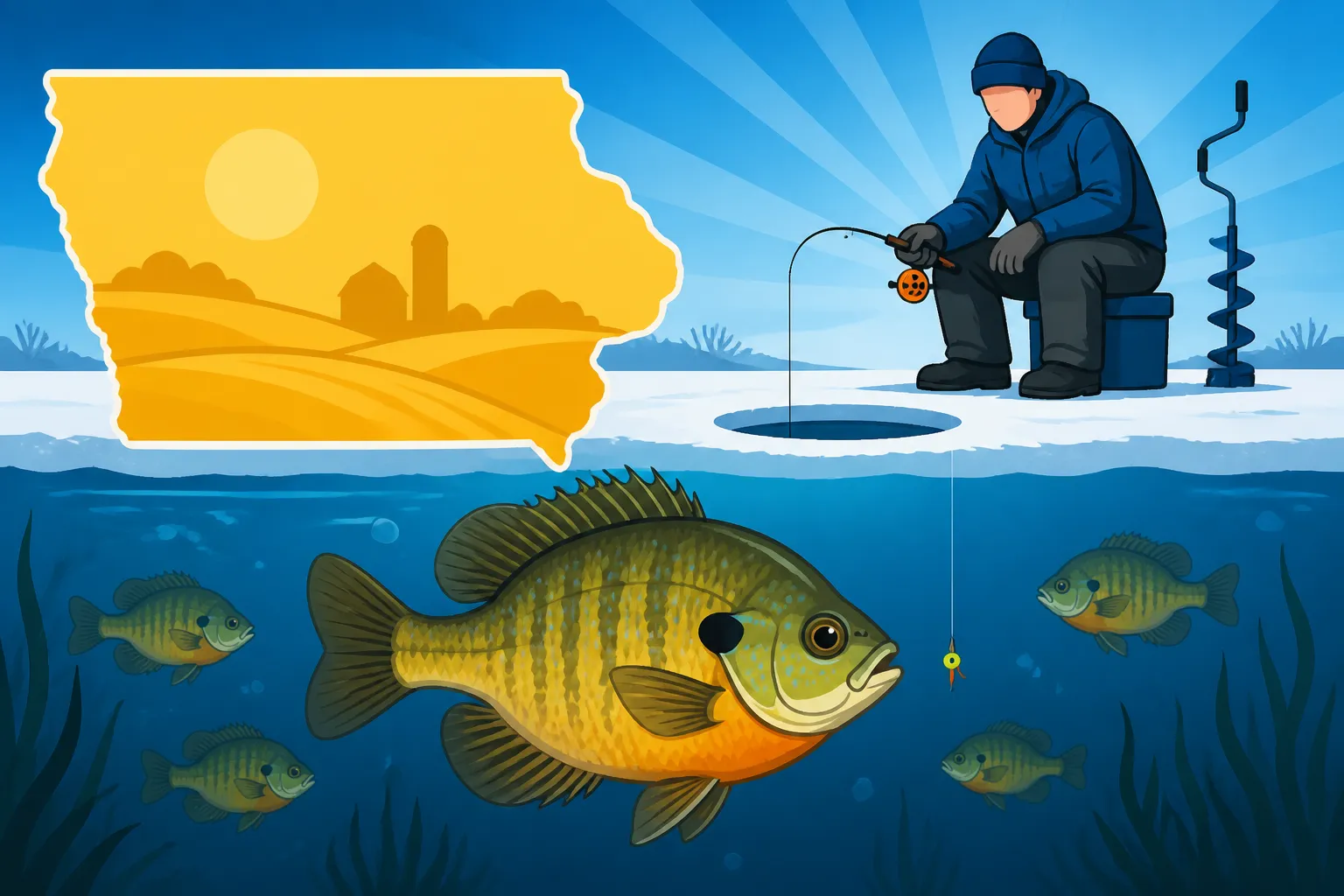
The chill of an Iowa winter doesn't mean you have to hang up your fishing gear! In fact, it opens up a whole new world of angling possibilities, especially when it comes to panfish. Many anglers find the thought of ice fishing intimidating, wrestling with questions about safety, gear, and how on earth to find fish under a thick layer of ice. This guide is here to demystify the process, offering a friendly, practical roadmap to help you confidently target and catch delicious panfish like crappie, bluegill, and perch through the ice.
The Allure of Panfish Under Iowa's Ice
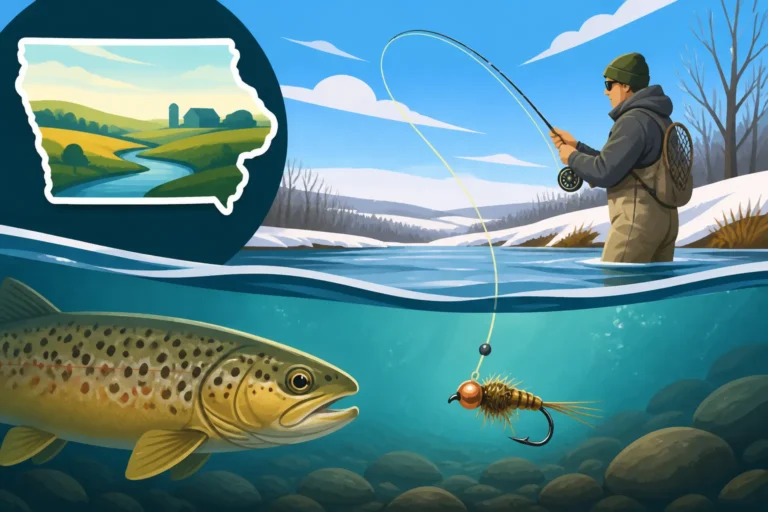
When the lakes and ponds of Iowa freeze over, many anglers might think the fishing shuts down. But for those in the know, it's just getting started! Ice fishing for panfish isn't just a way to beat cabin fever; it's an incredibly rewarding experience that offers consistent action and some of the best eating fish you can pull from the water. There's something truly magical about huddling over a small hole, patiently waiting for that delicate tap that signifies a bluegill or crappie has taken your bait, often in places you wouldn't typically target during open water season.
Identifying Your Winter Panfish Targets
Iowa's waters are teeming with fantastic panfish species, and each has its own charm when it comes to ice fishing. The primary targets for most ice anglers in the state are bluegill, crappie, and yellow perch. Bluegill are often the most common and easiest to catch, known for their aggressive bites and widespread distribution. They're perfect for beginners or when you just want consistent action.
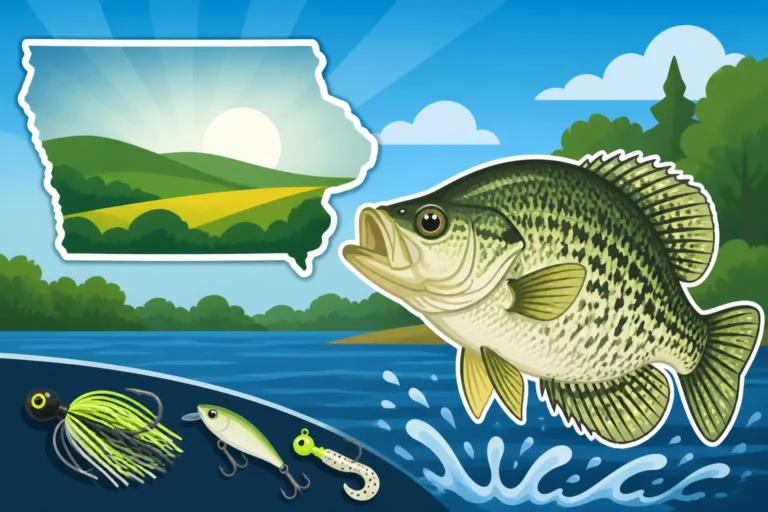
Crappie, both black and white, are another prized catch. They tend to school up in deeper water during winter, and once you find them, you can often enjoy fast and furious action. They offer a bit more of a challenge than bluegill, often requiring more finesse in presentation, but the reward of a plate of fried crappie fillets is well worth the effort. For those looking to learn more about targeting these specific fish, check out our in-depth guide on Crappie Fishing in Iowa.
Yellow perch, with their distinctive stripes, are also excellent table fare and provide a spirited fight on light ice fishing gear. They prefer slightly deeper, cooler water than bluegill and can be found in many of the larger lakes and reservoirs across Iowa. Understanding the habits and preferences of each species will significantly improve your chances of success.
Where to Find Panfish in Iowa's Frozen Waters
Finding fish under a sheet of ice can feel like looking for a needle in a haystack, but it's not as random as it seems. Panfish tend to relate to specific types of underwater structure and cover, even in winter. For bluegill, focus on remaining green weeds, submerged brush piles, timber, and the edges of sharp depth breaks, especially in bays or sheltered areas. They often stay in relatively shallow water (6-15 feet) near these features.
Crappie, on the other hand, often suspend over deeper basins or congregating around submerged timber, brush piles, or old creek channels in 15-30 feet of water. They love vertical structure, so look for standing timber or submerged Christmas tree reefs that Iowa DNR often places. Yellow perch tend to favor hard-bottom areas, sand flats, or along the edges of drop-offs, often suspending a few feet off the bottom in deeper sections (15-40 feet), frequently moving in schools. A good starting point is always to look for contours and features you'd fish in open water, then adapt to their winter depth preferences.
Gearing Up for a Successful Panfish Ice Adventure
One of the biggest hurdles for new ice anglers is the sheer volume of specialized gear. It can feel overwhelming, but don't fret! You don't need to break the bank to get started. The right gear makes a huge difference not just in catching fish, but in your comfort and safety on the ice. Think of it as investing in an experience, not just a bunch of stuff. If you're looking for a general overview, our Ice Fishing Gear Basics for Beginners article is a great place to start.
Selecting the Right Rod, Reel, and Line
For panfish, finesse is the name of the game. You'll want an ultra-light action ice rod, typically between 24 and 32 inches long. The shorter length is ideal for fishing in cramped shelters and offers better sensitivity for detecting those incredibly light winter bites. Paired with a small spinning reel (like a 500 or 1000 series), this setup provides the sensitivity needed to feel a crappie gently mouthing your bait. When shopping online, many anglers find great deals on these combos on Amazon.
Your line choice is equally crucial. Opt for light monofilament or fluorocarbon line, generally in 2 to 4-pound test. Monofilament offers a bit more stretch, which can be forgiving, while fluorocarbon is nearly invisible underwater and has less stretch, providing more direct feel. Many anglers will use a main line of 4-pound test and then tie on a 2-pound fluorocarbon leader for ultimate stealth, especially in clear water.
The Best Baits and Lures to Entice Finicky Panfish
Winter panfish can be finicky eaters, but the right bait and lure presentation can turn a slow day into a hot bite. Small jigs are your bread and butter. Think tiny tungsten jigs, often in sizes 1/64 to 1/16 ounce, in bright colors like chartreuse, orange, pink, or glow-in-the-dark. These small jigs fall quickly and have a compact profile that appeals to dormant fish.
Tipping your jig with live bait is often the secret weapon. Small waxworms, spikes (maggots), or minnow heads (for crappie and perch) add scent and irresistible wiggling action. For artificial options, tiny soft plastic baits designed for ice fishing, resembling small larvae or minnows, can also be very effective, especially when paired with a sensitive rod. Often, you can find multipacks of these micro-plastics on Amazon, giving you a variety to experiment with. Knowing the Best Bait for Ice Fishing Crappie can really make a difference on the ice.
Staying Safe and Comfortable on the Ice
Safety should always be your top priority when ice fishing. Iowa winters can be unpredictable, and ice conditions can change rapidly. Always check ice thickness before venturing out. As a general rule, a minimum of 4 inches of clear, solid ice is needed for walking, and more for ATVs or vehicles. Our guide on Best Ice Thickness for Safe Ice Fishing provides detailed information on what to look for.
Beyond safety, comfort is key to an enjoyable day. Dress in layers, opting for moisture-wicking base layers, insulating middle layers, and a waterproof/windproof outer shell. A good pair of insulated, waterproof boots is non-negotiable, and don't forget warm gloves or mittens. A portable ice shelter, whether a pop-up hub style or a flip-over shanty, will shield you from the wind and keep you much warmer. You can find excellent, durable ice shelters of various sizes on Amazon, perfect for a solo mission or a family outing. Don't forget essentials like ice picks (worn around your neck), a spud bar for checking ice, and a first-aid kit.
Master the Techniques for Panfish Ice Success
It's not enough to just have the gear; knowing how to use it effectively is what truly separates a frustrating day from a productive one. Panfish under the ice often behave differently than in open water, requiring a more subtle approach.
Drilling Your Holes and Locating Fish
First things first, you need to get through the ice! An ice auger is essential. Whether you choose a hand auger for portability, a propane auger for quick drilling, or an electric auger for quiet efficiency, make sure it's sharp. To quickly cover water and locate schools of fish, drill a series of holes in a grid pattern or along a depth contour. Start shallow and work your way deeper, or target known structures.
Once your holes are drilled, a portable fish finder (often called a flasher) becomes an invaluable tool. It shows you the depth, the bottom composition, and most importantly, any fish swimming below your hole, as well as your bait's presentation. By watching your flasher, you can see how fish react to your lure and adjust your retrieve accordingly. This instant feedback is a game-changer for ice fishing for panfish.
The Art of Jigging and Presentation
This is where the magic happens. Once you've dropped your tiny jig or bait down the hole, pay close attention to its presentation. Panfish in cold water are often sluggish and won't chase a fast-moving bait. The key is subtle movement. Start with a very slow, almost imperceptible jigging motion: a slight raise, a gentle tremble, a pause. This is often called "deadsticking" or using a sensitive spring bobber to detect the slightest tap.
Experiment with different jigging patterns. Sometimes they want it held perfectly still; other times a very slow lift-and-drop is effective. If you mark fish on your flasher but they're not biting, try raising your bait slowly a foot or two, then letting it fall back. This can often trigger a chase instinct. Always try to keep your bait at or just above the fish you're marking. Remember, they feed upwards.
Reading Bites and Setting the Hook
Winter panfish bites are notoriously light, often feeling like nothing more than a slight pressure or a tiny "tick" on your line. Sometimes, your line will simply go slack, or your spring bobber will just barely twitch or droop. This is why a sensitive rod and a keen eye are so important. Don't wait for a huge tug!
When you detect a bite, set the hook with a quick, upward snap of the wrist. Because of the light line and small hooks, you don't need a powerful sweep. A gentle but firm wrist flick is usually all it takes to embed that tiny hook. Be ready to reel immediately to keep tension on the fish, especially with crappie which have delicate mouths.
Tips for a Productive Day on the Ice
Even with the right gear and techniques, some days just feel tougher than others. But a few additional considerations can dramatically increase your chances of success and make your time on the ice more enjoyable.
Timing Your Trip and Dealing with Weather
The best time to ice fish for panfish often mirrors open water patterns: early morning and late afternoon are generally prime times, but panfish can bite throughout the day. Overcast days can sometimes be better than bright, sunny ones, as low light conditions make fish feel more secure. Barometric pressure can also play a role; a stable or rising barometer often correlates with a better bite.
Weather fronts can change fishing dramatically. Immediately before a cold front moves in, fish might feed aggressively. After a front passes and the air pressure stabilizes, fishing can slow down considerably as fish become less active. Don't be afraid to adjust your location and presentation based on the conditions. If a spot isn't producing, don't be afraid to move to another cluster of holes. Our guide on Best Time of Day to Fish Clear Lake offers general insights that can be applied to ice fishing as well.
Practicing Responsible Angling and Conservation
It's crucial to practice responsible angling to ensure the health of Iowa's panfish populations for years to come. Panfish can be prolific, but overharvesting can quickly deplete local populations. Always be mindful of the Crappie and Sunfish Limits in Iowa and other regulations set by the Iowa DNR. If you're catching a lot of small fish, consider moving to a different spot or changing your presentation to target larger individuals.
Consider practicing catch and release, especially for larger breeding-size fish. If you plan to keep fish for a meal, only keep what you'll eat and clean them promptly. Dispose of all trash, including discarded fishing line and bait containers, properly. Let's keep Iowa's beautiful frozen landscapes clean and vibrant for everyone to enjoy.
Panfish Species and Recommended Ice Fishing Baits
| Panfish Species | Recommended Live Bait | Recommended Artificial Lures | Typical Depth Range (Winter) | Best Presentation |
|---|---|---|---|---|
| Bluegill | Waxworms, Spikes, Small Red Worms | Small Tungsten Jigs (1/64-1/32 oz), Ice Flies, Small Plastics | 6-15 feet | Slow jigging, deadsticking near weeds/structure |
| Crappie | Small Minnows, Minnow Heads, Spikes | Small Soft Plastic Jigs (1/32-1/16 oz), Blade Baits (tiny) | 15-30 feet (suspended) | Moderate jigging, vertical jigging, deadsticking |
| Yellow Perch | Minnows, Minnow Heads, Waxworms | Tear Drop Jigs, Small Spoons, Blade Baits, Plastics | 15-40 feet (near bottom/breaks) | Aggressive jigging, lift-drop, bouncing bottom |
Disclaimer
Fishing conditions, regulations, and ice safety can change rapidly. Always consult the official Iowa Department of Natural Resources (DNR) regulations before heading out, and prioritize your safety on the ice. This guide is for informational purposes only and does not supersede official government guidelines.