How to Jig for Winter Walleye Near Dubuque
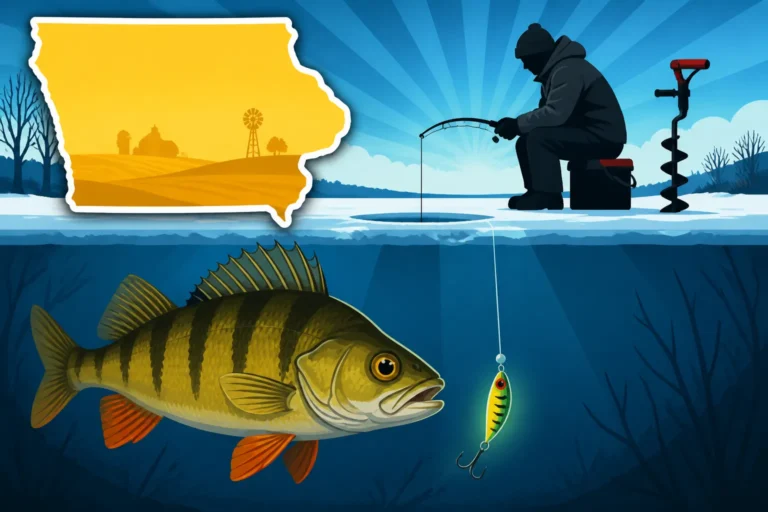
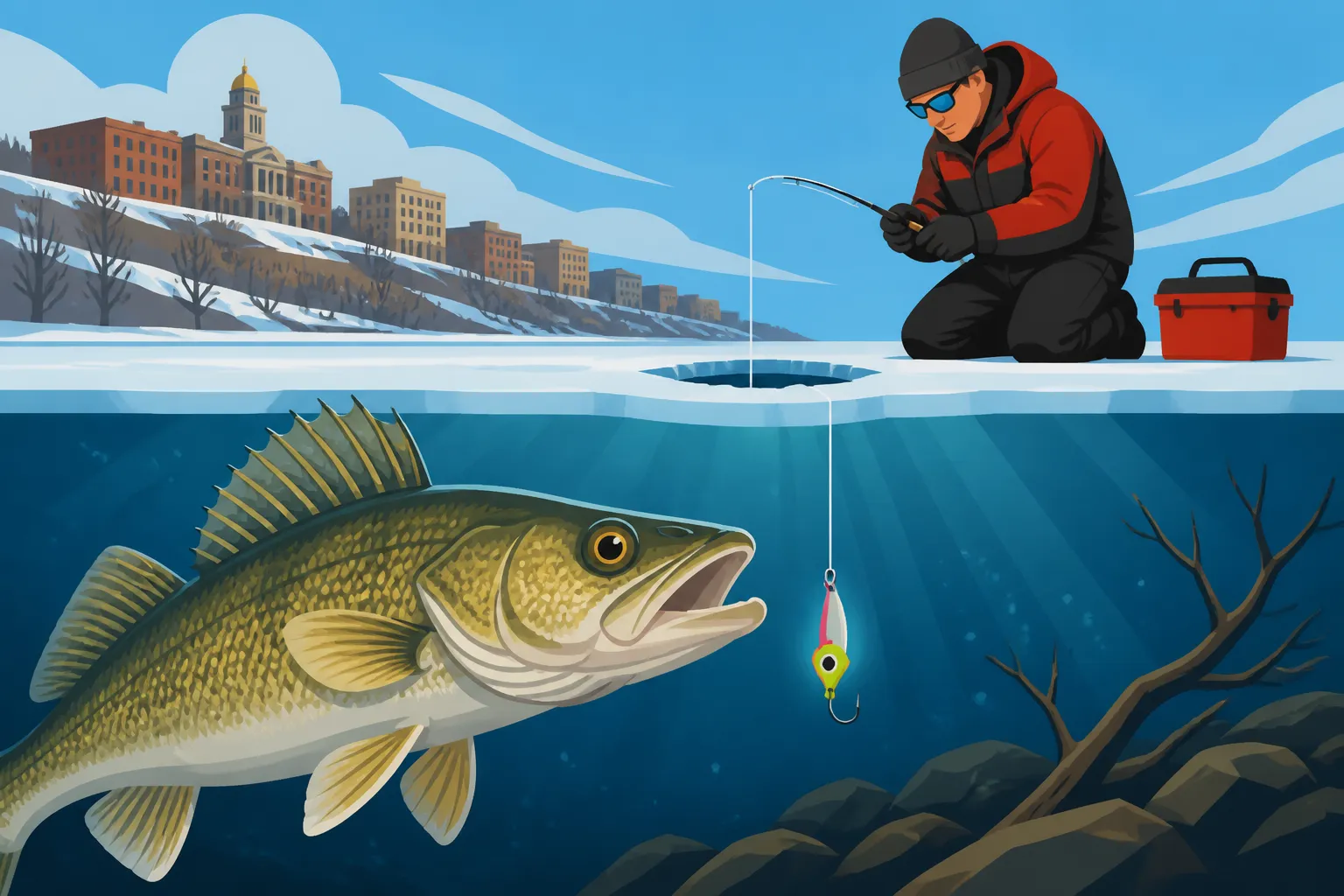
The crisp, cold air of an Iowa winter might send many folks indoors, but for us dedicated anglers, it signals one of the most thrilling times to be on the water – or, more accurately, on the ice. Chasing walleye through a hole in the ice near Dubuque, especially on the mighty Mississippi River, presents its own unique set of challenges and immense rewards. If you've ever felt that subtle thump on your line in freezing temperatures and wondered exactly how to coax those elusive winter walleye to bite, you're in the right place. This guide is all about dialing in those jigging techniques and understanding the ins and outs of successful hardwater walleye fishing around the Dubuque area.
Understanding Winter Walleye Behavior in Dubuque's Waters
Winter walleye fishing isn't just about dropping a line; it's about understanding the subtle dance between temperature, current, and the fish themselves. The Mississippi River near Dubuque offers a diverse aquatic landscape, and knowing how walleye adapt to the cold is your first step toward a successful outing.
Why Walleye Move and Feed in Winter
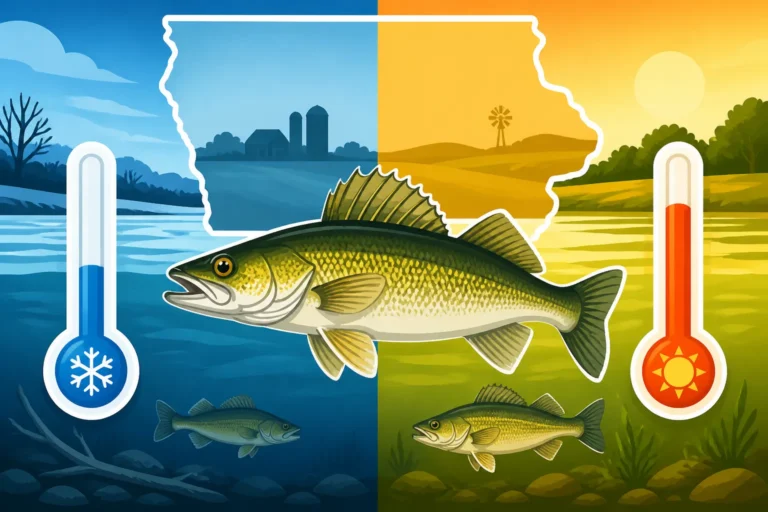
As temperatures plummet and ice forms, walleye metabolism slows down, but they certainly don't stop feeding. Instead, their activity becomes more calculated, and they often school up in specific areas. Think of it like a survival instinct – conserving energy while still needing to eat to sustain themselves. They're looking for easy meals, and that often means targeting schools of baitfish, which also tend to concentrate in winter.
Near Dubuque, the constant flow of the Mississippi River means walleye don't experience the same stagnant, low-oxygen conditions that might occur in smaller, shallower lakes. Instead, they seek out areas where the current provides a steady supply of oxygen and washes food to them, but also offers a break from the strongest flow where they can rest. This balance is key. Their bites can be incredibly subtle – sometimes just a slight "heavier" feeling on your line, or the faintest upward tick on your flasher. It’s a game of patience and keen observation.
Prime Locations for Winter Walleye Near Dubuque
The Mississippi River pools around Dubuque, specifically Pools 11 and 12, are legendary for their winter walleye potential. However, not just any spot will do. Walleye in the winter are structure-oriented, but they're also current-sensitive. They want to be near food and oxygen, but not fighting a strong current all day.
Look for areas with current breaks. This could be the downstream side of a wing dam, a deep scour hole behind a bridge pilings, or the slack water created by a sharp bend in the river channel. The main channel borders are often productive, especially where deeper water meets a shallower shelf. Points and drop-offs that extend into the main channel can also be magnets for winter walleye. Below Lock and Dam 12 at Bellevue is a prime example of an area that can hold a lot of fish due to the consistent flow and created structure, but you need to be acutely aware of Ice Fishing Safety on Iowa Lakes and river currents here. Always use extreme caution around dams and flowing water during winter. These spots tend to concentrate baitfish, which in turn brings in the walleye. Using a good mapping GPS and a reliable fish finder to locate these subtle changes in depth and current will significantly increase your odds.
Essential Gear and Tackle for Ice Jigging Walleye
Having the right equipment is non-negotiable when you're targeting winter walleye, especially when contending with the cold and current of the Mississippi River. The subtle bites require sensitive gear, and durability is key in freezing conditions.
Rods, Reels, and Line for Cold Conditions
For ice jigging walleye, you'll want a rod that balances sensitivity with enough backbone to handle a good-sized fish. A medium-light to medium power ice rod, typically 28 to 36 inches long, with a fast or extra-fast action tip, is ideal. This sensitive tip allows you to see the lightest bites, which often just feel like a slight weightlessness or a tiny tap. St. Croix and Fenwick make some excellent ice rods that are known for their sensitivity and durability in cold weather.
Pair your rod with a small, smooth spinning reel (size 500-1000) designed for cold-weather performance. Look for reels with minimal exposed metal parts that can freeze up, and ensure they have a consistent drag system. Alternatively, inline reels are gaining popularity for ice fishing, as they eliminate line twist and offer excellent jig control.
When it comes to line, a good fluorocarbon line in 4 to 8-pound test is a popular choice for its near invisibility underwater and low stretch, which enhances sensitivity. Many anglers also opt for a low-stretch braided line (6-10 lb test) for its incredible sensitivity, tying on a 4-6 foot fluorocarbon leader (6-8 lb test) with a small barrel swivel or an Albright knot. The braid lets you feel everything, while the fluoro leader provides stealth. You can find a fantastic selection of these specialized ice fishing rods, reels, and lines on platforms like Amazon, often with competitive prices and convenient shipping directly to your door.
The Best Jigs and Baits for Winter Walleye
This is where the real art of winter walleye jigging comes in. Walleye respond to a variety of presentations, and having a diverse tackle box is crucial.
Spoon Jigs: These are staples for a reason. Spoons like the classic Lindy Darter, Northland Forage Minnow, or the ever-popular Rapala Jigging Rap are excellent. Their erratic fall, flash, and vibration mimic injured baitfish. Experiment with sizes (1/8 oz to 3/8 oz) and colors. Gold, silver, firetiger, glow white, and perch patterns are always strong contenders. Tip them with a minnow head or a whole minnow for added attraction.
Blade Baits: Vibrating blade baits such as the Johnson ThinFisher or the Berkley Vibe are fantastic for calling in fish from a distance, especially in river current. Their tight wiggle and high vibration can trigger aggressive strikes. Jig them with sharp rips and then let them fall on a semi-slack line.
Glide Baits: These baits, like the Salmo Chubby Darter or the Custom Jigs & Spins Shiver Minnow, have a unique side-to-side gliding action that can be irresistible to walleye. They allow for a wider search pattern under the ice and often elicit strikes on the pause.
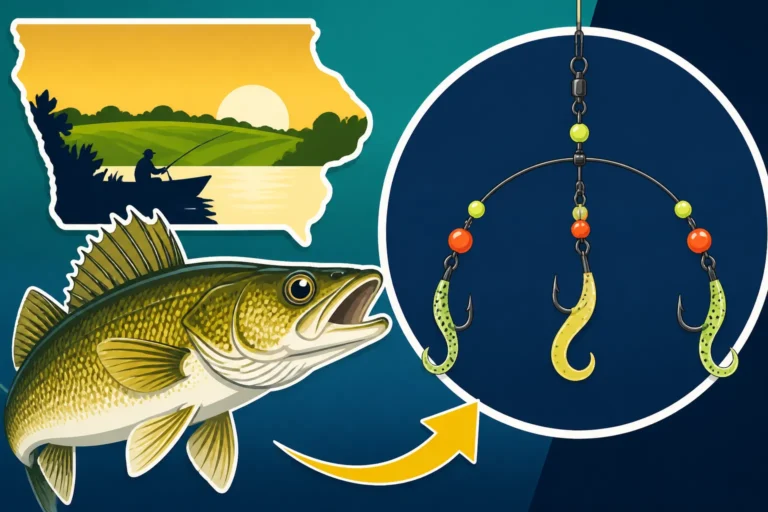
Soft Plastics on Jig Heads: Sometimes a subtle approach is best. Small paddle-tail swimbaits, grubs, or minnow-profile plastics rigged on a 1/8 to 1/4 oz jig head can be deadly. Colors like white, chartreuse, natural minnow, or purple are often effective. Tipping these with a live minnow can really seal the deal.
Live Bait Options: Nothing beats a lively minnow. Shiners, fatheads, or even small chubs are excellent choices. You can hook them through the lip or just behind the dorsal fin. A lively minnow struggling on a plain hook under a slip bobber in a separate hole (often called a "deadstick" setup, which we'll discuss next) can complement your jigging efforts. Remember to check local regulations regarding live bait use, especially when fishing the Iowa Fishing Regulations on the Mississippi River Border.
Mastering the Jigging Techniques for Success
Jigging for winter walleye is less about brute force and more about finesse and understanding what triggers a bite. It often involves a combination of attracting attention and then presenting a subtle, easy meal.
Active Jigging vs. Deadsticking
The beauty of ice fishing is that you can often run multiple lines (where legal; check the current Iowa Fishing Regulations Explained for daily limits on poles). This allows you to combine active jigging with a more passive "deadstick" approach.
Active Jigging:
This is your primary method for attracting and catching walleye. The key is variety and observation.
- Start Strong: Begin with a few aggressive lifts and drops, maybe a foot or two, to create commotion and get the attention of any nearby walleye. This is especially effective with blade baits or larger spoons.
- The Cadence: After your initial "call," settle into a rhythm. A common retrieve involves lifting the jig 6-12 inches, then letting it fall naturally back to the starting point. The pause after the fall is critical. Walleye often strike on the pause or on the very subtle lift that follows.
- Vary It Up: Don't be afraid to experiment. Try short, sharp snaps, then a long pause. Try just a subtle quiver. Sometimes, simply holding the jig perfectly still for an extended period after a short twitch can be the ticket. If you're not getting bites, change your cadence, your jig, or your depth.
- Feel for the Bite: Winter walleye bites are notorious for being light. It might not be a jarring strike. Instead, you might feel a slight pressure, a subtle "mushy" feeling, or a lightness in your line as the fish picks up the bait. Set the hook quickly and firmly at anything suspicious. Learning How to Jig for Walleye Through the Ice effectively takes practice but is incredibly rewarding.
Deadsticking:
While you're actively jigging in one hole, a deadstick in another hole can often be the secret weapon.
- Simple Setup: A deadstick is typically a rod in a rod holder, rigged with a plain hook or a small jig (often tipped with a lively minnow), suspended at a specific depth. The idea is for the minnow to do all the work, enticing a fish that might be hesitant to chase a fast-moving jig.
- Strategic Placement: Place your deadstick a few feet away from your active jigging hole. Sometimes the commotion from your jigging attracts walleye, but they prefer to hit the easier, natural presentation of the deadstick.
- Depth Control: Pay close attention to the depth at which fish are showing up on your flasher. Set your deadstick minnow just above or right in the middle of where you're seeing activity.
- Strike Detection: Use a highly visible bobber or a sensitive rod tip that will show even the slightest movement. Again, winter walleye bites can be extremely light, so a vigilant eye is necessary.
Reading Your Electronics and Locating Fish
In the world of ice fishing, your fish finder (flasher or sonar unit) is your best friend. It gives you a real-time window into the underwater world, showing you your jig, the bottom, and most importantly, the fish. For detailed guidance, check out our article on How to Read a Fish Finder for Walleye.
- Understanding the Display: A flasher shows you a circular, colored display. The outer ring is the surface, and the center is the bottom. Different colors indicate strength of signal (often green for weak, yellow for medium, red for strong). Your jig will show as a small line or dot, and fish will appear as lines or arches moving across the display.
- Finding Structure: Use your flasher to identify changes in the bottom contour, like humps, drop-offs, or rock piles. These are key areas where walleye will hold.
- Locating Fish: When you see a mark on your flasher, that's your target! Pay attention to its depth. Is it near the bottom? Suspended higher in the water column? Adjust your jig accordingly. If you see a fish approach your jig, be prepared for a bite. Sometimes a fish will come up and check out your bait before deciding to strike. This is when varying your jigging motion, or even holding it perfectly still, can seal the deal.
- Bait Ball Identification: Your electronics can also show you baitfish. If you see clouds of small marks, you've likely found a bait ball – and where there's bait, there are usually predators like walleye nearby.
- Targeting Depths: Walleye often hold just off the bottom or suspended a few feet above it. Use your flasher to precisely present your jig at the fish's level. Don't be afraid to lift your jig above the fish; sometimes, a walleye will follow it up and strike as it rises.
Safety, Regulations, and Local Insights for Dubuque Ice Fishing
Ice fishing near Dubuque, particularly on the Mississippi River, is an incredible experience, but it comes with critical safety considerations and specific regulations you need to know.
Ice Safety on the Mississippi River
The Mississippi River is a dynamic environment, and its ice conditions can vary wildly, even over short distances, due to currents, wing dams, and barge traffic. Never assume the ice is safe.
- Check Local Conditions Religiously: Always check with local bait shops like Fin & Feather, the Iowa Department of Natural Resources (DNR) website, or fellow experienced anglers for current ice conditions and reports. They often provide updates specific to Pools 11 and 12 near Dubuque.
- Know Minimum Thickness: General guidelines for safe ice are 4 inches for walking, 5-7 inches for snowmobiles/ATVs, and 8-12 inches for cars/light trucks. However, river ice is never as predictable as lake ice. Strong currents can create dangerously thin spots even in seemingly thick areas.
- Gear Up for Safety: Always fish with a buddy, carry ice picks (worn around your neck for easy access), a throw rope, and a fully charged cell phone. Tell someone where you're going and when you expect to return. Consider wearing a flotation suit.
- Beware of Current and Inlets: Areas around wing dams, islands, bridge pilings, and any inlets or outlets will have thinner ice due to stronger currents. These spots should be approached with extreme caution, or avoided altogether, especially early or late in the season. Familiarize yourself with Best ice thickness for safe ice fishing.
Navigating Iowa Fishing Regulations and Local Nuances
Iowa has clear regulations that apply to fishing, and the Mississippi River has some specific nuances due to its border status. Before heading out, make sure you have your Iowa Fishing License Guide in order.
- Fishing License: Every angler aged 16 and older needs a valid Iowa fishing license. Non-residents will need an Iowa Nonresident Annual Fishing License or a short-term option. You can easily purchase these online through the GoOutdoors Iowa app or website, or at many local vendors.
- Walleye Season and Limits: Always be aware of the current Walleye Season and Size Limits for Iowa waters. These can vary slightly from year to year or by specific water bodies. For the Mississippi River, there are often reciprocal agreements with neighboring states like Wisconsin and Illinois, but it's crucial to understand these nuances. The Iowa DNR publishes an annual fishing regulations booklet which is your go-to resource.
- Number of Lines: Generally, Iowa allows up to two lines per angler for ice fishing, but this can change on border waters. Double-check the regulations.
- Baitfish Rules: Be mindful of rules regarding the transportation and use of live baitfish, especially to prevent the spread of aquatic invasive species.
Remember, fishing is a privilege, and adhering to regulations helps preserve the fishery for everyone. If you have any questions, the Iowa DNR website or a quick call to their office can provide clarity.
| Jig Type | Best Use Cases | Ideal Depth Range | Best Tipping Bait | Key Features |
|---|---|---|---|---|
| Spoon Jigs | Attracting fish, aggressive bites, moderate current | 10-30+ feet | Minnow head/whole | Erratic flash, vibration, mimics injured baitfish, good for varying retrieve |
| Blade Baits | Aggressive fish, strong current, calling power | 15-40+ feet | Minnow head (optional) | High vibration, tight wiggle, excellent for "ripping" and attracting |
| Glide Baits | Erratic search, neutral fish, subtle action | 5-25 feet | Minnow head (optional) | Unique side-to-side glide, wider coverage under hole, deadly on the pause |
| Soft Plastics | Finesse, subtle bites, light current | 5-20 feet | Whole minnow | Natural feel, subtle movement, perfect for slow presentations |
Ultimately, jigging for winter walleye near Dubuque is about patience, observation, and adaptability. The Mississippi River is a fantastic fishery, and with the right approach and a keen understanding of walleye behavior, you can experience some truly memorable days on the ice. Get out there, stay safe, and enjoy the thrill of that winter walleye bite! And if you're looking for more specific tactics for the area, be sure to check out our deep dive into Winter Walleye Techniques Near Dubuque.
Disclaimer
Fishing conditions, regulations, and ice safety can change rapidly. Always consult the most current Iowa Department of Natural Resources regulations and local advisories before heading out. This guide is for informational purposes only and does not supersede official regulations or professional safety advice. Fish responsibly and prioritize your safety above all else.