Best Live Bait for Iowa Walleye
It's incredibly frustrating when you're out on the water, you've done your homework, and still, those elusive Iowa walleye just aren't biting. We've all been there, staring at a still line, wondering if our bait choice is truly the problem. This comprehensive guide is dedicated to solving that very dilemma, diving deep into the best live baits that consistently put walleye in the net across Iowa's diverse fishing grounds.
Understanding Walleye Behavior and Diet in Iowa Waters
Before we even talk about specific baits, it's crucial to get inside a walleye's head, or rather, understand its natural instincts and feeding patterns. Walleye are predators, plain and simple, and their diet in Iowa's lakes and rivers is largely dictated by what's readily available and easy to catch. They're primarily sight feeders, especially in low light conditions, which is why darker, more stained waters often hold bigger fish that are less wary. They also have a keen sense of smell, which plays a role, particularly when they're less active.
Seasonal Changes and Walleye Metabolism
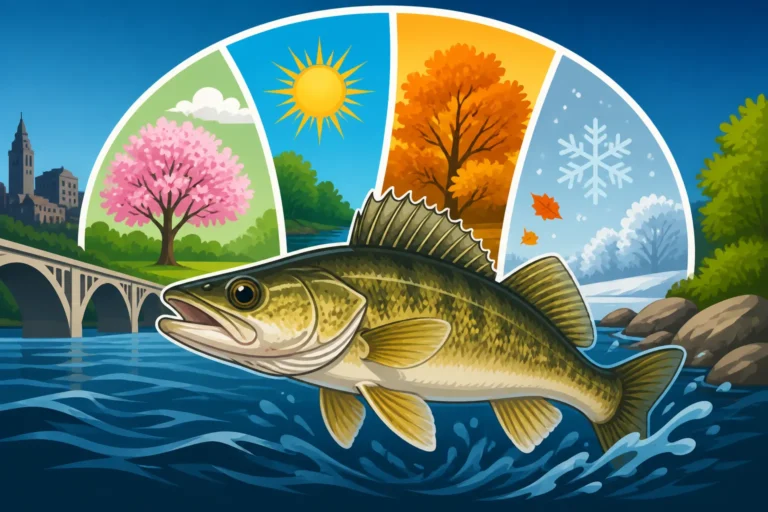
Just like us, walleye get hungrier and more active at certain times of the year. Their metabolism directly correlates with water temperature. In the colder months, their digestive processes slow down considerably, meaning they might only feed intermittently, and when they do, they're looking for an easy, high-calorie meal without expending much energy. This is when a slow-moving, natural presentation becomes paramount. As the water warms in spring and summer, their metabolism kicks into high gear. They become much more aggressive, burning through calories faster and needing to feed more frequently. Understanding these cycles is key to picking not just the right bait, but also presenting it in the most appealing way. For a deeper dive into seasonal tactics, check out our guide on Iowa Fishing Seasons Explained.
During the spring, when ice-out signals new life, walleye are often shallow, looking to spawn, and then recover. They're opportunistic, and smaller, protein-rich forage is highly sought after. As summer sets in, they'll often move to deeper, cooler water, relating to structure like rock piles, drop-offs, or submerged timber, especially during the brighter parts of the day. In the fall, as temperatures begin to drop again, they enter a "feeding frenzy" phase, bulking up for winter, making it one of the most productive times to target them. This seasonal understanding helps you predict where walleye will be and what they'll be most likely to eat.
Natural Forage in Iowa Lakes and Rivers
Iowa's waterways, from the vast Mississippi River to the clear Iowa Great Lakes, teem with natural forage that forms the backbone of a walleye's diet. Common prey species include various minnows like shiners, fatheads, and emerald shiners, as well as young-of-the-year panfish such as bluegill and crappie. Gizzard shad are also a significant food source in many of Iowa's larger reservoirs like Saylorville and Rathbun, often dictating walleye movements. Beyond fish, crayfish are a major food item, particularly in rocky habitats, providing a meaty, nutritious meal. Leeches are also readily available in many lakes and ponds, offering a slow, irresistible meal.
Knowing what the walleye are naturally feeding on at any given time and location is the ultimate cheat sheet for bait selection. If you can "match the hatch," so to speak, you're halfway to success. For example, if you're fishing a lake known for a strong gizzard shad population, a shiny, silver-colored baitfish might be more effective than a dark, slow-moving crawler. Conversely, if you're targeting walleye in a rocky river stretch, a crayfish imitation or live crayfish might be the ticket. Understanding these local forage bases can drastically improve your odds when you're trying to figure out How to Catch Walleye in Iowa.
Minnows: The Uncontested King of Walleye Baits
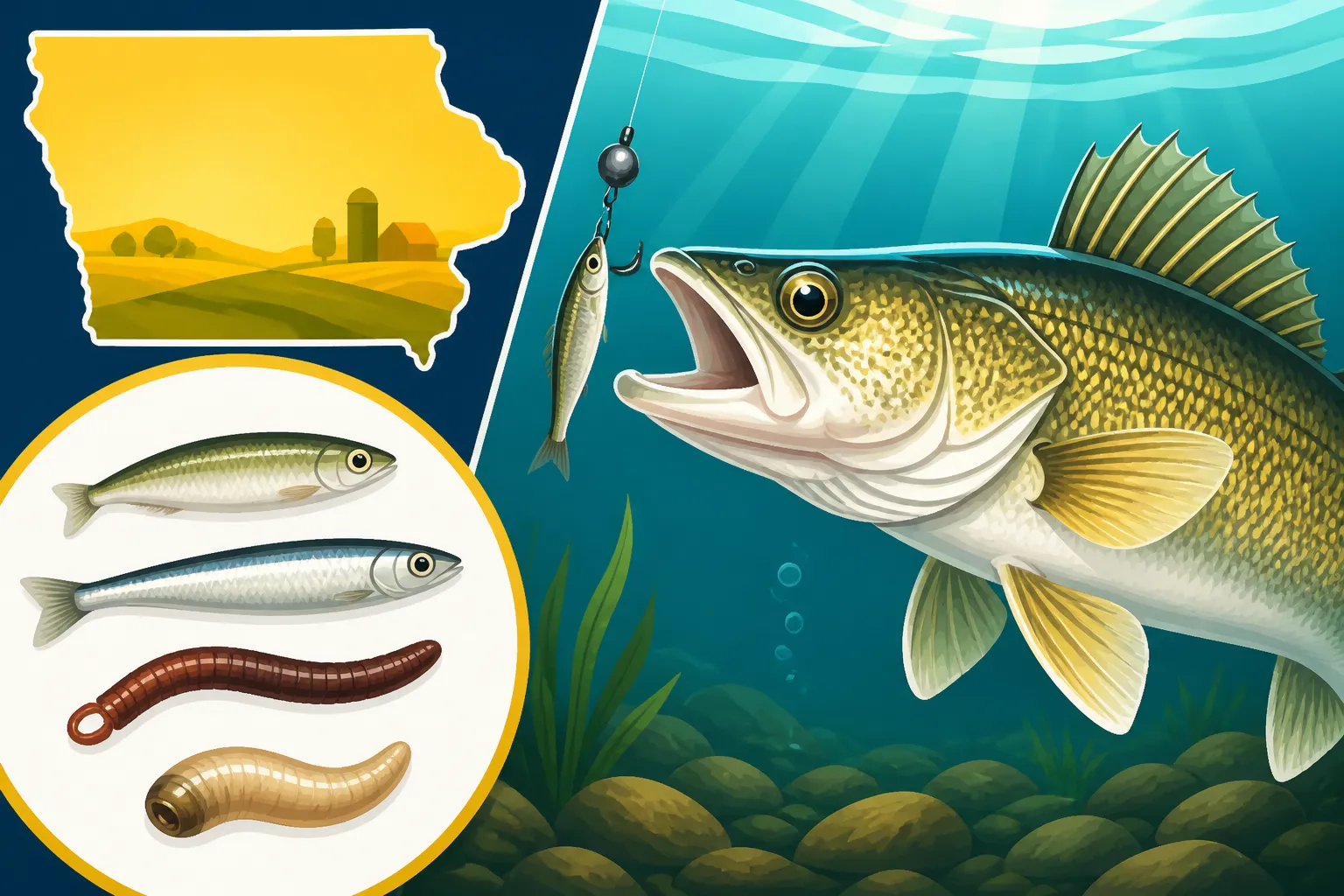
When it comes to live bait for walleye in Iowa, minnows almost always top the list. Their natural appearance, erratic movements, and subtle vibrations are practically irresistible to a hungry walleye. Minnows are versatile, effective whether fished under a bobber, on a jig, or trolled on a Lindy Rig. The key is often finding the right size and species for the conditions and the specific body of water you're fishing.
Shiner Minnows: Top Choice for Many Anglers
Among the various minnow species, shiner minnows are a perennial favorite for walleye anglers across Iowa. Their flashy, silvery sides mimic many of the native baitfish that walleye actively hunt. Species like golden shiners or emerald shiners are common and highly effective. They have a natural liveliness that makes them stand out, even when presented slowly. Many anglers swear by them, especially when targeting larger, more aggressive walleye. You can find them at most reputable bait shops throughout the state, often referred to simply as "shiners."
When rigging shiners, a common method is to hook them lightly through the lips or just behind the dorsal fin. Hooking through the lips allows for a more natural swimming action, especially when drifting or slow trolling. Hooking behind the dorsal fin can keep the bait more upright and active on a jig, especially in current. A common rig for shiners is a simple jig and minnow combo or a slip bobber rig when fishing over submerged structure or along weed lines. For more detailed rigging techniques, consider reviewing how to rig a How to Rig a Live Minnow for Walleye.
Fathead Minnows and Their Iowa Popularity
Fathead minnows, often simply called "fatheads," are another incredibly popular and widely available minnow species for walleye fishing in Iowa. While perhaps not as flashy as shiners, fatheads offer a robust, lively profile and are often more resilient on the hook, making them a great choice for all-day fishing. They are particularly effective when walleye are a bit less active or when you're fishing in slightly stained water where their subtle movements are still easily detected.
Fatheads are excellent when paired with a jig, especially in colder water or when vertical jigging. Their size makes them appealing to a broad range of walleye, from eaters to trophy-sized fish. Many anglers will tip a jig with a fathead and slowly work it along the bottom or through schooling fish. They're also a fantastic choice for a basic hook-and-sinker rig, especially in current. The ease of finding fatheads at virtually any bait shop, including larger retailers or even buying them in bulk through online platforms like Amazon, contributes to their widespread use. To learn more about selecting the best minnow, check out our guide on the Best Minnow Species for Walleye Bait.
Sucker Minnows for Bigger Walleye
If you're specifically targeting those elusive, larger walleye – the ones that make your heart pound – then don't overlook sucker minnows. These are typically larger minnows, often ranging from 4 to 8 inches, and they represent a substantial meal for a big walleye. While they might not be as readily available as fatheads or shiners at every small bait shop, they are worth seeking out when the goal is a true trophy.
Sucker minnows are often fished on rigs designed for larger bait, such as a sturdy quick-strike rig or a large single hook fished beneath a heavy slip bobber. They are best presented slowly, either drifted, trolled at a crawl, or fished in stationary ambush points where big walleye lie in wait. Because of their size, they're not always the best choice for fast-paced jigging, but for tempting a cautious, mature walleye, they are incredibly effective. Locations like the Mississippi River or larger reservoirs often produce excellent results with sucker minnows, especially in areas with known concentrations of big walleye. Remember that Walleye Fishing in Iowa often demands adapting your bait to the size of fish you're pursuing.
Nightcrawlers: Versatile and Effective for Walleye
Beyond minnows, nightcrawlers hold a special place in the walleye angler's tackle box. These plump, juicy worms are a universal bait, loved by nearly all freshwater fish, and walleye are no exception. Their natural scent and wiggling action can entice bites when other baits fail, especially in certain conditions.
Rigging Nightcrawlers for Walleye Success
Nightcrawlers are incredibly versatile when it comes to rigging. The most common and highly effective method for walleye is using a "crawler harness" or a "bottom bouncer rig." These rigs typically consist of a weight (the bottom bouncer), a swivel, and a leader with one or two snelled hooks. The crawler is threaded onto the hooks, often leaving a portion to wiggle freely. This presentation allows the nightcrawler to drift just above the bottom, mimicking natural forage, and the spinning blades on many harnesses add an irresistible flash and vibration. You can easily find pre-tied crawler harnesses on Amazon, or you can tie your own.
Another simple but effective way to present a nightcrawler is on a single hook beneath a slip bobber, particularly when targeting fish suspended over structure or along weed edges. You can also half a nightcrawler and tip a jig with it for a potent combination of scent and action. The key is to keep the presentation as natural as possible, allowing the worm's inherent movement to do most of the work. For a complete guide to this popular setup, consult our article on How to Rig a Crawler Harness for Walleye.
When and Where Nightcrawlers Shine
Nightcrawlers really shine in several scenarios. They are excellent in stained or muddy water where visual cues are limited, as their strong natural scent can draw in walleye from a distance. They are also highly effective during the warmer months when walleye are more active and aggressive. During summer, when walleye often retreat to deeper, cooler water during the day, slow-trolling crawler harnesses across flats, along drop-offs, or over humps is a killer technique.
Many anglers find nightcrawlers particularly productive during evening hours and into the night, when walleye are known to move shallower to feed. Their scent trail is also a major advantage in these low-light conditions. While minnows are often preferred for their flash, the consistent scent and subtle wiggle of a nightcrawler can be the difference-maker on tough days or in specific water conditions, making them a truly reliable bait for Iowa Fishing Techniques Guide.
Leeches: The Stealthy Walleye Attractor
Leeches might not be the prettiest bait, but don't let their appearance fool you – they are absolute walleye magnets. These slimy, squirming creatures are a natural part of the walleye's diet in many Iowa waters and can often outperform other baits, especially when fish are finicky or stressed.
Types of Leeches and How to Present Them
The most common leech used for walleye fishing is the ribbon leech. These are typically smaller, more active, and incredibly resilient on the hook. They're sold by the dozen at bait shops and are known for their ability to stay lively for extended periods, even in warm water. When fishing with leeches, a simple presentation is often the best. Hook them once through the sucker at the fat end, allowing the rest of the body to wriggle freely. This creates an enticing, undulating motion that walleye find hard to resist.
Leeches are fantastic when fished on a plain hook under a slip bobber. This setup is perfect for drifting slowly over submerged structure, along weed lines, or near transition areas. You can also use them on a jig, though their action is often best when allowed to swim freely. Some anglers prefer to use them on a bare hook with a split shot a foot or so up the line, allowing for a very natural, almost weightless presentation. They are especially effective during the summer months when their natural presence is high in the water.
Prime Conditions for Leech Fishing
Leeches truly excel during the summer months when water temperatures are warm and walleye might be less interested in fast-moving presentations. Their slow, deliberate movements are often exactly what a lethargic or cautious walleye is looking for. They are also incredibly effective in clear water, where their natural appearance and subtle movements don't spook wary fish. Places like Fishing the Iowa Great Lakes are prime locations for leech fishing during the warmer seasons.
When the bite is tough, and walleye seem to be ignoring everything else, a slowly presented leech can often coax a strike. Their durability on the hook also means you can often catch multiple fish on the same leech, provided it's still lively. Many anglers carry a container of leeches as a backup, especially when heading out for a day of walleye fishing on a known tough bite. They're also an excellent choice for night fishing, as their movements create vibrations that walleye can detect in the dark.
Crayfish: A Natural Walleye Delicacy
While perhaps less commonly used by the casual angler, crayfish are a secret weapon for targeting big walleye, especially in rocky areas or rivers. They are a significant food source for larger walleye and can produce some truly impressive fish when conditions are right.
Sourcing and Preparing Crayfish for Bait
Sourcing live crayfish can be a bit more involved than grabbing a tub of minnows. Some specialized bait shops might carry them, but often, the best way to get fresh, lively crayfish is to catch them yourself. Simple traps, minnow seines, or even just turning over rocks in shallow, rocky stream beds can yield a good supply. When using them as bait, it's best to hook them through the tail, being careful not to hit the main nerve or vital organs. This allows them to move naturally and attract attention. You can also break off the tail and use it as a scented bait on a jig or hook, particularly when walleye are feeding aggressively.
When you're out trying to catch walleye in waters like Fishing the Mississippi River in Iowa, especially where there are plenty of rocky wing dams and rip-rap, knowing how to fish with crayfish can really set you apart. Their hard shell and meaty body make them a substantial meal that big walleye are actively hunting for, especially around ambush points.
When Walleye Prefer a Crayfish Meal
Walleye tend to prefer crayfish in areas where they are a natural and abundant food source. This typically means rocky river stretches, rip-rap shorelines, and lakes with abundant rocky bottom structures. Spring and fall, when crayfish are often more active and accessible, can be prime times. Walleye will often cruise these rocky areas, flipping over stones and actively hunting for crayfish. Presenting a live crayfish, or even a soft plastic imitation, in these locations can be incredibly effective.
When fishing with crayfish, a slow, bottom-hugging presentation is usually best. A simple Carolina rig or a three-way swivel rig that keeps the crayfish crawling along the bottom is often ideal. Allow the crayfish to move naturally, and be patient. The bite might not be as aggressive as with a fast-moving minnow, but when a walleye decides to commit to a crayfish, it's usually a solid, unmistakable take. This bait is particularly effective when targeting bigger fish, as they often key in on the larger, more caloric meal that a crayfish provides.
| Live Bait Type | Pros | Cons | Best Conditions | Rigging Tips |
|---|---|---|---|---|
| Shiner Minnows | Very lively, flashy, strong visual appeal. | Can be delicate, harder to keep alive long-term. | Clearer water, active walleye, drifting or slow trolling. | Hook through lips or behind dorsal fin; excellent on jigs, slip bobbers, or Lindy Rigs. |
| Fathead Minnows | Hardy, widely available, good all-around size. | Less flashy than shiners, may not attract from as far. | Stained water, less active walleye, vertical jigging. | Hook through lips or behind dorsal fin; ideal for jigging, tip-ups (ice fishing), and basic float rigs. |
| Sucker Minnows | Appeals to trophy-sized walleye, substantial meal. | Less common, larger hooks/tackle needed, slower presentation. | Targeting big fish, rocky structure, slow-trolling or stationary. | Use quick-strike rigs or large single hooks; fish slowly, near bottom. |
| Nightcrawlers | Strong natural scent, very versatile, hardy. | Can be picked apart by smaller fish, less visual flash. | Stained/muddy water, warmer months, evening/night fishing. | Crawler harnesses with bottom bouncers, split shot rig, jig-tipped. |
| Leeches | Incredibly tough, subtle action, attractive scent. | Appearance may deter some anglers, slow movements. | Clear water, finicky walleye, hot summer months. | Hook through the sucker at the fat end; excellent under slip bobbers, slow drifts. |
| Crayfish | Natural prey for large walleye, meaty meal. | Harder to source, slower presentation, best in specific habitats. | Rocky areas, rivers, targeting trophy walleye, spring/fall. | Hook through tail; Carolina rigs, three-way swivels, bottom-bouncing. |
Disclaimer
Fishing regulations, license requirements, and local conditions can change. Always consult the latest Iowa Department of Natural Resources (DNR) regulations before heading out. This guide is for informational purposes only and does not supersede official regulations. Stay safe and fish responsibly!