Drift Fishing the Mississippi River
That mighty Mississippi River can feel like a beast, can't it? Its vastness, its powerful currents, the sheer amount of water – it's easy to feel overwhelmed just thinking about where to even drop a line. But trust me, once you unlock the secrets of drift fishing, that big river transforms into an angler's paradise, letting you cover incredible amounts of water to find those elusive fish. This guide is all about taking the intimidation out of drift fishing the Mississippi River in Iowa, giving you the practical know-how to make your next trip a roaring success.
Understanding the Mississippi River's Dynamics for Drift Fishing
Before you even think about dropping a line, you've got to speak the river's language. The Mississippi isn't a static pond; it's a living, breathing entity with moods and movements all its own. Understanding these dynamics is the foundation of successful drift fishing, helping you anticipate where fish will be and how best to present your bait.
Current and Structure Interaction
The Mississippi River's current is the lifeblood of its ecosystem, but it's also your primary tool and challenge when drift fishing. Fish, especially predatory species like walleye, sauger, and catfish, are masters at using the current to their advantage, conserving energy while waiting for food to be delivered to them. Your job is to understand how the current interacts with the river's various structures, creating those sweet spots where fish like to hold.
Think about a massive wing dam, for instance. As the main current slams into that structure, it's deflected, creating swirling eddies and seams of calmer water both upstream and downstream. On the upstream side, fish might tuck in behind rocks or in scour holes, just out of the direct push, waiting for baitfish to be washed over the top. Downstream, the eddy provides a low-energy resting spot, yet still keeps food circulating. Similarly, submerged timber, rock piles, and even subtle changes in the river bottom create current breaks. These are the fish magnets. Your drift should aim to carry your bait naturally into these current breaks, mimicking a helpless meal. It's not just about finding structure; it's about finding the right side of the structure relative to the current.
Understanding this interaction also means adapting your presentation. In stronger currents, you might need heavier weights to keep your bait down, or perhaps a more streamlined rig. In calmer eddies, a lighter presentation allows for a slower, more natural fall. The fish aren't just in the current; they're often right on the edge of it, in the transition zones, where they can dart out to feed without expending too much energy. Learning to "read" the water – observing surface ripples, boils, and current lines – will tell you volumes about what's happening underneath and guide your drift paths.
River Levels and Their Impact
The Mississippi River is constantly changing, and its water level is one of the most critical factors influencing fish behavior and, consequently, your drift fishing strategy. A rise or fall of even a foot can completely alter fish locations and how they relate to the available cover and forage. Ignoring river levels is like trying to navigate a dense fog – you're just guessing.
When water levels are high, the river often expands into floodplains, backwaters, and sloughs that might otherwise be dry. This influx of water opens up new feeding grounds and provides additional cover for fish, often pushing them out of the main channel into these newly accessible, calmer areas. Catfish, in particular, love high water, moving into flooded timber and grassy areas to hunt. For drift fishing, this means adjusting your focus from the main channel to the slower-moving fringes, looking for slack water pockets or flooded cover. You might need to lighten your weights and lengthen your leaders to present baits effectively in these shallower, debris-filled zones. Conversely, high water also brings more current and often murkier conditions, so bolder baits or those with scent are often more effective.
Low water, on the other hand, concentrates fish. As the river recedes, fish are pushed out of the shallow backwaters and forced back into the main channel, deeper holes, and established current breaks. Structures that were previously submerged and invisible might now be evident, providing clear targets. During low water periods, fish can become more predictable, congregating in the deepest scour holes, along channel edges, or in the lee of prominent wing dams. Your drift fishing strategy will shift to targeting these deeper, more defined areas, often requiring heavier weights to stay on the bottom in stronger, more confined currents. It's a double-edged sword: easier to locate fish, but they might also be more pressured. Always check current river conditions through the U.S. Army Corps of Engineers website or local bait shops before heading out.
Essential Gear for Successful Mississippi River Drift Fishing
Alright, let's talk tackle! You wouldn't bring a butter knife to a steak dinner, and you certainly shouldn't head out onto the mighty Mississippi without the right gear. Drift fishing here demands robust equipment that can stand up to powerful currents, heavy fish, and the occasional snag. Investing in quality gear isn't just about catching more fish; it's about making your experience more enjoyable and less frustrating.
Rods, Reels, and Line Choices
When you're drift fishing the Mississippi, your rod and reel setup needs to be a workhorse. You're not just casting; you're often dragging weight, feeling subtle bites in current, and battling strong fish that use the river to their advantage.
For rods, you'll generally want something with a medium-heavy to heavy power rating and a fast action. This combination gives you the backbone to wrestle with a big catfish or pull a snagged rig free, while the fast action provides the sensitivity needed to detect those faint taps and bumps from a walleye or sauger in the current. A rod length of 7 to 8 feet is often ideal, offering good casting distance for spreading out your lines if you're using multiple rods, and providing leverage when fighting fish. For catfish, a longer, heavier rod is a must, allowing you to absorb powerful runs. If you're looking for a good all-around option, many reputable brands offer excellent multi-species rods that fit this description.
When it comes to reels, you have a couple of main choices. Baitcasting reels are fantastic for precision and power. They excel at dropping baits right on a specific spot and provide excellent control when fighting a big fish. They also handle heavier lines and weights with ease. For those targeting larger species like flathead catfish or bigger walleye, a baitcaster is often the preferred choice. However, they do have a steeper learning curve for casting without backlashing. Spinning reels, on the other hand, are more user-friendly and versatile. A robust 3000 to 4000 series spinning reel can handle many drift fishing scenarios, especially if you're targeting walleye, sauger, or channel catfish. They're easier for beginners and offer great casting distance with lighter baits. Regardless of your choice, ensure your reel has a smooth drag system – it's crucial for preventing break-offs when a big fish decides to run. You can find a wide range of suitable rods and reels on platforms like Amazon. For specifics on setting up for whisker fish, check out our guide on the Best Rod Setup for Catfish on the Mississippi River.
Your line choice is equally critical. For the main line, braided line is king for drift fishing the Mississippi. Its zero stretch means incredible sensitivity, allowing you to feel every bump, rock, and subtle bite, even with a lot of line out in the current. Its strength-to-diameter ratio is also unmatched, letting you use a lighter test line with higher breaking strength. A 20 to 30-pound braided line is a good starting point for most applications, going up to 50-80 pounds if you're specifically targeting trophy flatheads. Because braid is so visible and can be easily cut by sharp objects, you absolutely need a fluorocarbon leader. Fluorocarbon is nearly invisible underwater, extremely abrasion resistant (essential for fishing around rocks and snags), and provides a bit of shock absorption. A 10 to 20-pound fluorocarbon leader, 2 to 4 feet in length, is generally sufficient for walleye and sauger, while 30 to 50-pound leader material is better for catfish. Learning a strong knot, like the double uni or Albright, to connect your braid to your fluorocarbon leader is a skill worth mastering.
Terminal Tackle and Baits
Once you have your rod, reel, and line sorted, it's time to talk about what goes on the business end: your terminal tackle and baits. These are the components that actually present your offering to the fish, and getting them right is paramount for eliciting bites.
Sinkers are non-negotiable for drift fishing the Mississippi. The current dictates the weight you'll need, and it can vary wildly from spot to spot and day to day. You'll want a variety of weights, ranging from 1/2 ounce up to 3 or 4 ounces, sometimes even heavier in swift current or deep holes. The most common types for drift fishing are no-roll sinkers (also known as flat or coin sinkers) and pyramid sinkers. No-rolls are excellent because their flat shape resists rolling in the current, keeping your bait in the strike zone longer. Pyramid sinkers are great for digging into soft bottoms and staying put if you decide to momentarily anchor. Egg sinkers or walking sinkers can also be useful, especially when rigged as a slip-sinker setup, allowing the fish to pick up the bait without feeling immediate resistance. Always carry a wide assortment – it's better to have too many options than to be under-weighted.
For hooks, your choice depends on your target species and bait. For catfish, particularly if you're using cut bait or larger live baits, circle hooks are highly recommended. These hooks are designed to hook fish in the corner of the mouth, leading to fewer gut hooks and easier, healthier releases. Sizes 3/0 to 8/0 are common for channel and flathead catfish. For walleye and sauger, especially when using live minnows or nightcrawlers on a Lindy Rig or similar setup, sharp J-hooks (octopus style) in sizes #2 to 2/0 are effective. Make sure your hooks are razor-sharp; a dull hook will miss more fish, especially in a current where they might not get a solid grip.
Swivels are small but mighty. When drift fishing, your bait can spin in the current, leading to frustrating line twist. A good quality barrel swivel or ball-bearing swivel (for maximum twist reduction) placed between your main line/leader and your hook snell or leader will prevent this. Additionally, a three-way swivel is often used in a popular drift rig setup, allowing you to tie your main line to one eye, a dropper line with a sinker to another, and your leader with a hook to the third. This rig keeps your bait off the bottom and above potential snags. You can find quality swivels in bulk on Amazon, which is handy since you'll go through them.
Finally, the baits themselves are what really seal the deal. For catfish, nothing beats natural scent. Cut bait from oily fish like shad, skipjack, or even common carp is incredibly effective. Fresh is always best, but frozen cut bait works too. Live bait like large chubs, sunfish, or even bluegills (where legal) are deadly for flathead catfish. And don't forget the classic stink baits or prepared baits, especially for channel catfish. For specific recommendations, our Catfish Bait Guide for Iowa Anglers has all the details. For walleye and sauger, live minnows (shiners, fatheads, or chubs) are hard to beat, often fished on a jig, a Lindy Rig, or a plain hook under a bottom bouncer. Nightcrawlers are also fantastic, either on a worm harness or simply threaded onto a hook. Artificial lures like jigs, crankbaits, or soft plastics can also be deadly when drifted, especially when tipped with a minnow or piece of crawler.
Mastering Drift Fishing Techniques on the Mississippi
Now that your gear is dialed in, it's time to put it to use. Drift fishing isn't just about letting your boat float downstream; it's a strategic dance with the river, requiring constant adjustments and an intuitive feel for what's happening beneath the surface.
Controlling Your Drift
The key to successful drift fishing is controlled drift. You're not just a passenger; you're the captain, guiding your bait through the most productive zones. The goal is to present your bait at a speed that is natural to the current, mimicking an easy meal for a fish.
One of the most valuable tools for controlling your drift is a trolling motor. An electric trolling motor, especially one with GPS anchoring capabilities, allows for incredibly precise boat positioning and speed adjustments. You can use it to slow down your drift, hold your boat over a specific piece of structure, or even move slightly upstream against the current to "back troll" a particular seam. Brands like Minn Kota and MotorGuide offer robust trolling motors that are commonly seen on the Mississippi. Even a basic foot-controlled bow-mount trolling motor can make a world of difference. Without it, you're at the mercy of the current and wind, which often results in your bait moving too fast or getting pushed out of the strike zone.
Sometimes, anchoring is the right choice, especially if you've found a particularly hot spot like a deep scour hole, a prominent wing dam, or a submerged timber pile that's holding a lot of fish. However, for true drift fishing, anchoring is usually a temporary maneuver or a last resort if your drift is taking you off course too quickly. When you do anchor in the current, ensure you have sufficient anchor rope (at least 7:1 scope, meaning 7 feet of rope for every 1 foot of depth) and a heavy enough anchor to hold your boat securely. River anchors, like grapnel or mushroom anchors, are effective.
The actual presentation of your bait during the drift involves either dragging your bait along the bottom or suspending it just off the bottom. For catfish and walleye, dragging a heavy sinker that occasionally taps the bottom is often effective. This stirs up sediment, mimics natural forage, and keeps your bait in the fish's primary feeding zone. You'll feel the sinker bumping along, and any sudden stop or heavier weight is usually a bite. Suspending your bait, often achieved with a three-way swivel rig or a bottom bouncer, keeps your bait slightly elevated, making it more visible and less prone to snags in rocky areas. The choice depends on the specific bottom composition and the fish's activity level. Practice makes perfect here; the more you drift, the better you'll get at feeling the bottom and interpreting what your line is telling you.
Here's a quick comparison of drift control methods:
| Method | Pros | Cons | Best Use Case |
|---|---|---|---|
| Electric Trolling Motor | Precise speed and direction control, holds position, quiet. | Requires battery power, initial cost, can spook shallow fish. | Navigating complex currents, pinpointing structure. |
| Drift Sock/Anchor | Simple, effective for slowing natural drift, no power needed. | Less precise control, can be cumbersome to deploy/retrieve. | Open water drifts, covering broad flats. |
| Free Drift | Easiest, covers maximum water quickly. | No control over speed or direction, often too fast for bites. | Scouting, covering very large areas with consistent depth. |
| Anchoring | Holds boat in exact spot, ideal for known hotspots. | Static, misses active fish elsewhere, can be difficult in strong current. | Known fish holding areas, deep holes, wing dam tips. |
Targeting Specific Species
While drift fishing is a broad technique, you can tailor it to significantly increase your chances of catching specific species common in the Mississippi River.
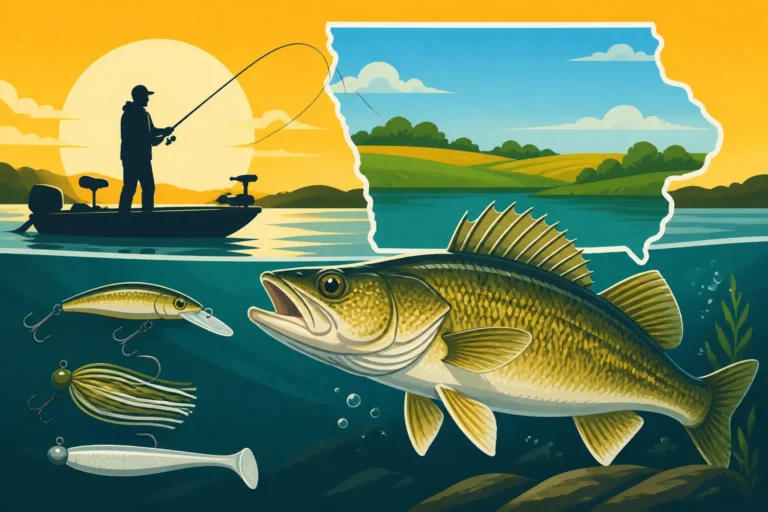
For walleye and sauger, drift fishing is incredibly effective. These fish often hug the bottom, especially in current seams, behind wing dams, and in scour holes. Your main goal is to get your bait down to them and keep it in their strike zone. A common setup is a bottom bouncer rig. This involves a weighted wire arm that drags along the bottom, keeping your line and bait elevated just above it. You can attach a snelled hook with a live minnow or a nightcrawler harness to the end of the bouncer. Drift these rigs along current breaks, over rocky areas, or through the "wash" behind wing dams. Jigs tipped with minnows or soft plastics can also be effective when drifted, especially with a slow, controlled drift. The key is to cover ground slowly enough for these opportunistic feeders to react, but fast enough to find active fish. Check out our guide on How to Catch Walleye in Iowa for more in-depth strategies.
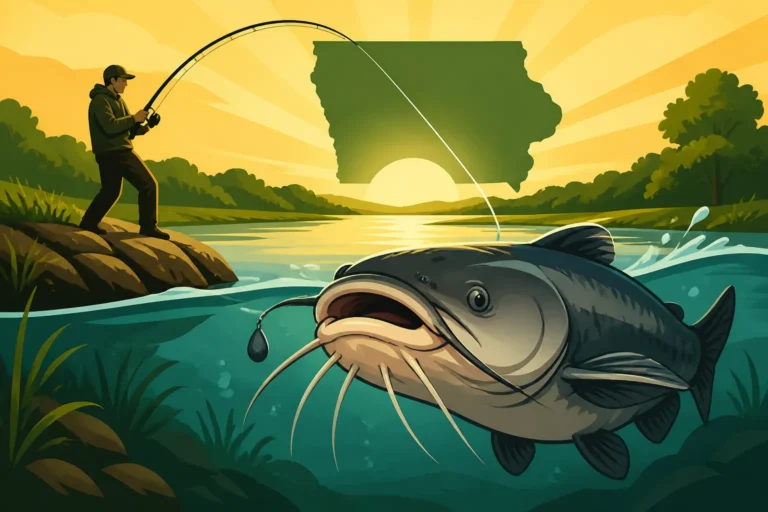
Catfish, both channel and flathead, are prime targets for drift fishing. They are highly attuned to scent and often cruise along channel edges, deeper breaks, and around submerged timber, waiting for food to wash by. For channel catfish, you can drift cut bait (like shad or carp) or even stink baits on a simple slip-sinker rig or a three-way swivel rig. Let the current carry your bait slowly over known catfish haunts. Flathead catfish prefer live bait, so drifting a large live chub or bluegill along deep channel edges or through areas with heavy timber can be incredibly productive, especially during the warmer months. Use sturdy tackle and heavy line, as flatheads are notorious for heading straight for snags once hooked. For more expert tips, refer to our comprehensive guide on How to Catch Catfish in Iowa.
While less common, you might even pick up smallmouth bass or white bass while drift fishing, particularly if you're working current seams near rocky areas or wing dams. Smallmouths will hit jigs or crankbaits drifted through their haunts, while white bass will readily school up and hit anything flashy that moves through their feeding lanes.
Reading the River and Finding Fish
The Mississippi River is massive, and simply dropping a line anywhere isn't a strategy for success. "Reading the river" is an art form that combines observation, experience, and modern technology to pinpoint fish.
Start with your electronics. A good fish finder with down imaging and side imaging capabilities is invaluable. As you drift, your fish finder will map the bottom contour, reveal submerged structures like old riverbeds, rock piles, humps, and even individual trees. It will also show you baitfish schools and, hopefully, the larger arcs or blobs that indicate game fish. Look for sudden depth changes, areas where the bottom transitions from mud to rock, or "scour holes" that often form downstream of current obstructions. Learning How to Read a Fish Finder for Walleye is a skill that will pay dividends on the river. Mark promising spots on your GPS so you can return to them later or fine-tune your drift path.
Beyond electronics, visual cues can tell you a lot. Watch for changes in current speed, eddies, or back-currents. These often indicate underwater structure. Pay attention to other anglers – where are they fishing? Are they catching anything? While you don't want to crowd anyone, observing successful patterns can provide valuable clues. Look for diving birds or surface activity from baitfish, which often signals predator activity below.
Finally, trust your gut and learn from every drift. Did you get snagged in a certain area? That means there's structure there, which could hold fish. Did you get a bite just as you passed a specific depth contour? Make a mental note. Every drift is an experiment, and the more information you gather, the better you'll become at predicting where the fish will be hiding. Don't be afraid to experiment with different weights, drift speeds, and bait presentations until you find what the fish are responding to on a given day.
Safety and Regulations for Mississippi River Anglers
Fishing the Mississippi River is an incredible experience, but its immense size and commercial traffic also demand respect and adherence to safety protocols and regulations. It's not just about compliance; it's about ensuring your trip is enjoyable and, most importantly, safe for everyone involved.
Essential Safety Precautions
The Mississippi River is a dynamic environment, and safety should always be your top priority. Conditions can change rapidly, and being prepared can prevent a pleasant day on the water from turning into a nightmare.
First and foremost, life jackets are non-negotiable. While you might be tempted to just have them stowed away, consider wearing them, especially if you're alone, fishing in cold water, or when conditions are rough. Iowa law requires children under 13 to wear a U.S. Coast Guard-approved life jacket when on a vessel, but it's a smart practice for everyone. Always have enough U.S. Coast Guard-approved personal flotation devices (PFDs) for everyone on board, readily accessible. Additionally, a throwable flotation device (like a buoyant cushion or ring buoy) attached to a rope can be a lifesaver if someone unexpectedly goes overboard. These are part of the Required Safety Equipment for Iowa Boats.
Understanding river navigation and hazards is critical. The Mississippi is a working river, often traversed by massive barges and towboats. These vessels have the right-of-way and cannot stop or turn quickly. Always give them a wide berth. Know your navigation channels (marked by buoys) and stay clear. Snags, submerged trees, and ever-shifting sandbars are constant hazards. A good depth finder can help you avoid some, but constant vigilance is key. Always have a fully charged cell phone (in a waterproof case) or a VHF marine radio for emergencies.
Weather awareness cannot be overstated. Sudden thunderstorms, strong winds, and dense fog can develop quickly on the river. Before you head out, check the marine weather forecast. If storms are predicted, err on the side of caution and postpone your trip. If you're caught in a storm, seek shelter immediately. Strong winds can create dangerous waves and make boat control impossible, especially for smaller vessels. During fog, slow down, use your navigation lights, and sound appropriate signals. Always tell someone your float plan – where you're going, when you expect to return, and who is with you.
Iowa Fishing Regulations on Border Waters
Fishing the Mississippi River in Iowa means navigating a unique set of regulations due to its status as a border water. These rules are designed to manage shared resources and often involve reciprocal agreements with neighboring states like Illinois and Wisconsin. It's crucial to be aware of these specifics to avoid legal trouble.
The most significant aspect is the reciprocal fishing agreement with Illinois and Wisconsin on their shared portions of the Mississippi. This generally means that if you possess a valid resident fishing license from Iowa, Illinois, or Wisconsin, you can fish the shared waters of the Mississippi River without needing an additional license from the other state. However, there are nuances. You must abide by the regulations of the state whose waters you are physically in, or if you're fishing from a boat, you generally follow the regulations of the state that issued your license. For example, if you have an Iowa license and fish in Illinois waters, you need to follow Illinois's length and bag limits for certain species. It can get complicated, so always consult the latest Iowa DNR fishing regulations booklet or website, as these rules can change annually. Our guide on Iowa Fishing Regulations on the Mississippi River Border provides a deeper dive into these specifics, as does the article on Reciprocal Fishing Rules on the Mississippi River Border.
Beyond the reciprocal agreements, you must be intimately familiar with Iowa's specific daily bag limits and length limits for various species found in the Mississippi River. These limits can vary by species, and sometimes even by specific pools or sections of the river. For example, walleye and sauger often have combined bag limits and minimum length requirements. Catfish generally have generous limits, but specific rules might apply to certain water bodies. Always measure your fish carefully and release anything that doesn't meet the legal requirements. Keeping undersized fish, or exceeding the daily bag limit, can result in significant fines and loss of fishing privileges. Also, be aware of any protected species, like the lake sturgeon, which are catch-and-release only.
It's also important to note rules regarding the number of lines you can use, legal baits, and any restrictions on trotlines or other non-traditional methods if you're venturing beyond rod and reel. The Iowa DNR publishes an annual fishing regulations booklet, which is your go-to resource for the most current information. Have a copy (physical or digital) with you whenever you're on the water.
Best Spots and Times for Mississippi River Drift Fishing in Iowa
The Mississippi River offers a vast playground for drift fishing, but knowing where and when to focus your efforts can dramatically improve your success. Certain pools and seasons offer distinct advantages for targeting various species.
Top Pools and Their Characteristics
The Iowa stretch of the Mississippi River is divided into a series of pools, each formed by a lock and dam system. While they all share the fundamental characteristics of a major river, each pool also has its unique features, making some better for certain types of drift fishing or species.
Pool 9 (near Lansing, Iowa) is often heralded as one of the most productive stretches for a wide variety of fish. It's renowned for its fantastic walleye and sauger fishing, particularly in the spring and fall. The pool is characterized by numerous wing dams, rocky points, and extensive backwater areas. When drift fishing here, focus your efforts on the current seams and scour holes around the wing dams, or drift the deeper channels during peak feeding times. The varied structure provides ample holding spots for fish, and the complex currents make for excellent drift fishing opportunities. If you're looking for prime walleye and sauger action, this pool is a must-visit. Learn more about the specific nuances of Mississippi River Pool 9 Fishing.
Further south, Pool 12 (around Dubuque, Iowa) also offers exceptional opportunities. This pool is particularly famous for its winter walleye and sauger fishing, where fish stack up in deeper holes and below the lock and dam. During warmer months, it's excellent for catfish, particularly channel catfish, which respond well to drifted cut bait along the main channel breaks and in the numerous backwater sloughs. The diverse habitat, from swift main channel current to calmer backwaters, means you can find fish throughout the year. For active jigging during the colder months, the current below Lock and Dam 12 at Bellevue can be phenomenal. Our guide on Mississippi River Pool 12 Fishing offers more specific tips for this area.
Other notable pools include Pool 14 (around Clinton/LeClaire) and Pool 19 (near Fort Madison), which is one of the widest pools on the entire river system. Pool 14 offers good bass and walleye fishing in its diverse habitats, while Pool 19, with its vast open waters and numerous islands, is excellent for a broader range of species, including white bass and monster flathead catfish, particularly if you're drifting large live baits along the deeper scour lines and structure. Each pool has its loyal local anglers, and talking to them at local bait shops (like those found in Bellevue, Guttenberg, or Muscatine) can provide invaluable, up-to-the-minute insights.
Seasonal Drift Fishing Strategies
Just as the river's character changes from pool to pool, it also changes with the seasons. Adapting your drift fishing strategy to the time of year is crucial for consistent success.
Spring on the Mississippi is synonymous with the walleye and sauger run. As ice thaws and water temperatures begin to climb, these fish migrate upstream towards spawning grounds, often congregating below dams and in tributary mouths. Drift fishing with jigs tipped with minnows or bottom bouncers with minnow harnesses can be incredibly effective during this period. Catfish also become active as water warms, moving out of their wintering holes and starting to feed aggressively. Look for them in slightly warmer, shallower areas, especially those with some current.
Summer brings warmer water and more consistent current. This is prime time for catfish. Channel catfish will be spread out, actively feeding on drifted cut bait or prepared baits along channel edges, log jams, and the mouths of creeks. Flatheads will be holding tight to heavy cover, often in deeper holes, and are best targeted with large live baits drifted slowly past their hideouts, especially during low-light hours or at night. Walleye and sauger in summer often retreat to deeper, cooler water, concentrating around deep scour holes, main channel humps, and the cool water outflows of tributaries. Adjust your weights to keep your bait deeper, and focus your drifts on these key features. The Best Month to Catch Catfish on the Mississippi River is definitely during the summer.
As fall approaches, the river begins to cool, and fish activity often ramps up for a pre-winter feeding binge. This can be one of the best times for walleye and sauger, as they become very aggressive. Drift fishing with jigs, crankbaits, or minnow rigs can be extremely productive along wing dams, main channel flats, and deeper current breaks. Catfish, too, will feed heavily in the fall, bulking up for winter. They can often be found concentrated in deeper holes and along channel bends. It's a fantastic time for multi-species drift fishing, as many fish are active and willing to chase a well-presented bait.
Finally, winter fishing on the Mississippi often transitions to ice fishing in backwater areas or open water fishing below the dams where current keeps the water from freezing. For drift fishing in the open water sections, focus on deep holes and slack water areas where fish like walleye and sauger will congregate. You'll need heavier jigs and a slower, more deliberate drift to entice these cold-water fish.
By understanding the unique characteristics of each pool and adapting your techniques to the seasonal changes, you'll find that the Mississippi River in Iowa offers year-round drift fishing opportunities for a diverse range of exciting game fish.
Disclaimer
Fishing regulations, safety guidelines, and fish populations can change. Always consult the latest Iowa Department of Natural Resources (DNR) regulations before heading out. The information provided in this guide is for general informational purposes only and should not be considered legal advice. Stay safe and have fun on the water!