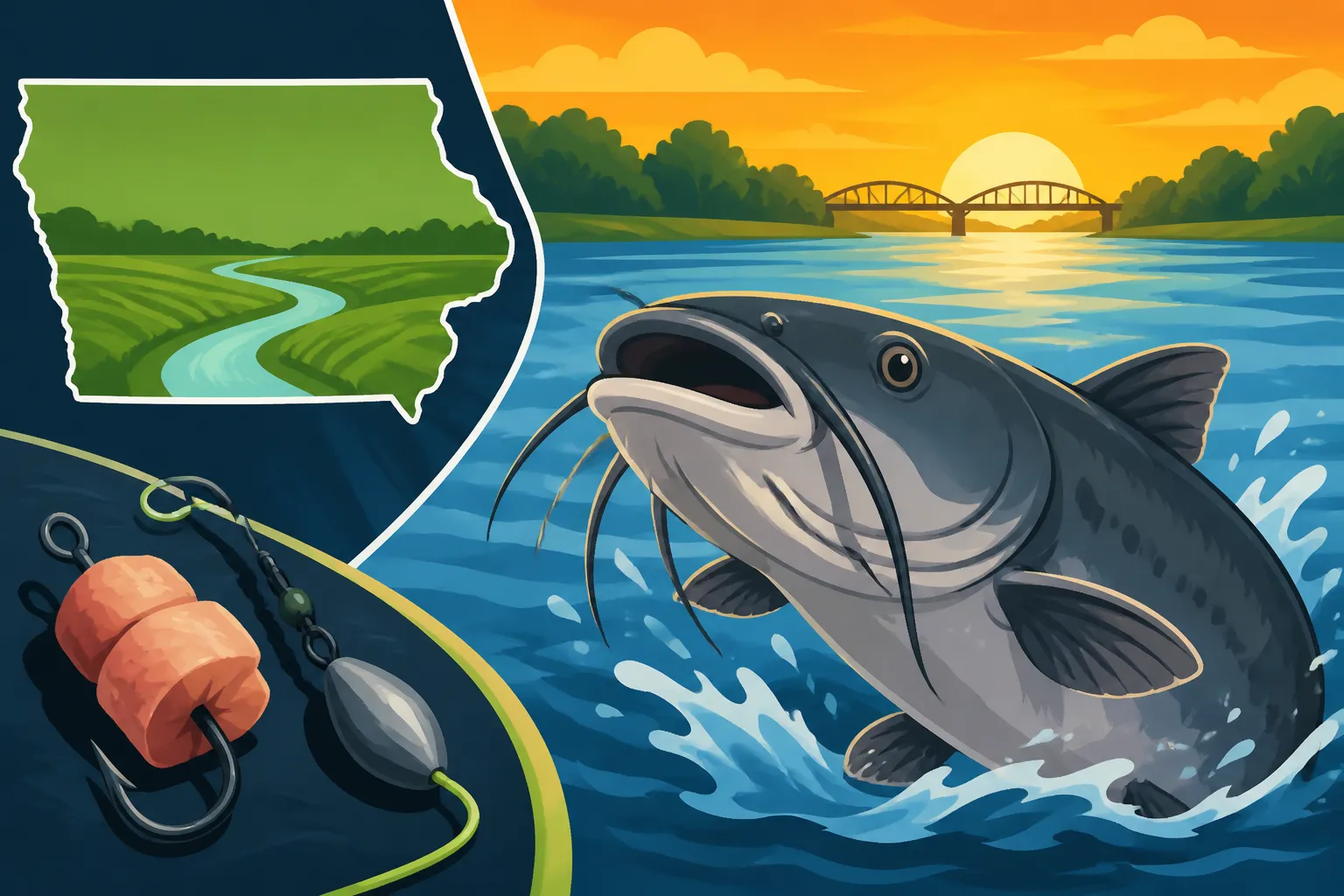
Summer Catfish Techniques on the Mississippi River
The summer months on the Mississippi River can be a real head-scratcher for catfish anglers. The heat often drives the fish to deeper, cooler waters, or into heavy cover, making them notoriously tricky to locate and entice. If you've found yourself struggling to fill your stringer when the sun is high and the air is thick with humidity, this comprehensive guide is for you. We'll dive deep into specific techniques and strategies tailored for successfully targeting catfish on the mighty Mississippi during the warmer months, helping you turn those frustrating outings into triumphant hauls.
Understanding Summer Catfish Behavior on the Mississippi
Summer fishing on the Mississippi isn't just about throwing a line in and hoping for the best; it's a chess match against changing environmental conditions and the instincts of the fish. Catfish, particularly the channel, blue, and flathead species that call the Mississippi home, are highly attuned to their surroundings. Understanding their warm-weather habits is the first step to consistent success.
How Water Temperature Affects Catfish
When those Iowa summer days really heat up, the surface waters of the Mississippi River can become quite warm. While catfish are generally tolerant of warmer temperatures compared to some other species, extreme heat can make them lethargic and less inclined to chase a meal. Think of it like trying to run a marathon in 100-degree heat – you'd probably rather conserve energy! During peak heat, catfish will actively seek out cooler, more oxygenated water. This often means they'll move into deeper holes, scour channels, or position themselves near cooler tributaries flowing into the main river. They might also become more active during cooler periods of the day, such as early mornings, late evenings, or even throughout the night.
The metabolism of a catfish is directly linked to water temperature. In warm water, their digestive processes speed up, meaning they might need to feed more frequently. However, if the water gets too hot, their activity can slow down significantly, leading to a period of reduced feeding, often called a "summer slump." Finding that sweet spot where temperatures are warm enough to keep their metabolism high but not so extreme as to shut them down is key. This is why paying attention to localized temperature variations, perhaps using a thermometer or a fish finder with temperature readings, can give you a significant advantage. Even a few degrees can make all the difference in locating active fish.
Where Catfish Hide in Summer
Catfish are masters of finding refuge, and the Mississippi River offers an abundance of hiding spots. In summer, they tend to gravitate towards areas that provide both cover and access to food, often with a bonus of slightly cooler water or reduced current. Think about the structure: deep holes, sunken logs, brush piles, rock formations, and especially the scour holes around wing dams and bridge pilings. These spots offer a break from the main current, allowing them to ambush prey without expending too much energy. They also provide shade from the relentless summer sun, keeping them comfortable and less stressed.
Additionally, don't overlook current breaks like eddies behind islands, sandbars, or sudden bends in the river. These areas collect debris and food, creating natural buffet lines for hungry cats. For flatheads, particularly, wood cover is paramount – they are ambush predators that love to tuck themselves into log jams and root wads. Channel cats, while also appreciating wood, are often found along drop-offs and channel edges, especially where there's a good current seam. Blue catfish, being more pelagic, will often be found in deeper open water channels, moving with schools of baitfish, but they'll also relate to significant depth changes and underwater structure. Knowing your target species' preferred summer habitat can drastically narrow down your search.
The Impact of River Flow and Levels
The Mississippi River is a dynamic system, and its flow and levels are constantly changing, heavily influenced by rainfall and upstream dam operations. These fluctuations have a profound impact on summer catfishing. High water, often caused by heavy rains, can scatter fish as they move into flooded timber or newly inundated shallow areas to feed on worms and insects washed into the river. The increased current can also make fishing challenging, requiring heavier weights to hold bottom. Conversely, low water can concentrate fish in the main channels and deeper holes, making them easier to locate but potentially more wary due to increased fishing pressure.
A stable river level, especially after a period of fluctuation, often signals a good bite. Catfish, like most fish, prefer stable conditions. They get used to a certain current speed and food delivery system. When the river is rising, fish often move upstream, following the new currents and looking for fresh feeding opportunities. When it's falling, they tend to retreat to established cover and deeper water. Paying close attention to river gauges and reports from sources like the National Weather Service or local DNR offices before your trip can provide invaluable insight. Understanding how the river is moving will help you predict where the catfish might be holding and what kind of presentation they'll respond to.
Essential Gear for Mississippi River Catfishing in Summer
Tackling the mighty Mississippi for summer catfish isn't a job for dainty tackle. This river demands robust gear capable of handling powerful fish, strong currents, and often snag-filled environments. Investing in the right tools will not only increase your success rate but also prevent frustrating equipment failures.
Rods, Reels, and Line for Big River Cats
For serious Mississippi River catfishing, you'll want heavy-duty equipment. Forget your finesse bass setups; we're talking about rods designed to handle 20, 30, or even 50+ pound fish in strong current. A medium-heavy to heavy power rod, typically 7 to 9 feet long, is ideal. The extra length helps with casting heavier baits, absorbing the shock of powerful runs, and keeping your line clear of obstructions near the boat. Look for rods with a strong backbone but a relatively forgiving tip to detect subtle bites while still having the power to set a large hook into a tough catfish mouth. Brands like Ugly Stik, with their GX2 series, are popular for their durability and affordability, often available on Amazon.
Pair these robust rods with equally tough reels. A baitcasting reel is often preferred for its power and ability to handle heavy lines and weights. Look for models with a high line capacity (at least 200 yards of 20-30 lb test) and a smooth, powerful drag system. A good drag is crucial for battling big cats that make strong runs. As for line, braided line in the 30-80 pound test range is the go-to for many river anglers. Its low stretch offers superior sensitivity, allowing you to feel even faint bites, and its incredible strength and abrasion resistance are invaluable when fishing around snags like log jams or riprap. Some anglers prefer to run a monofilament leader (2-3 feet) to the braid, as mono is more abrasion resistant in certain situations and provides a bit of stretch for shock absorption. Check out the "Best Rod Setup for Catfish on the Mississippi River" guide for more in-depth recommendations.
Terminal Tackle for Current and Structure
Your terminal tackle needs to be as tough and reliable as your rod and reel, designed to withstand the Mississippi's unique challenges. When it comes to hooks, circle hooks are king for catfishing, especially if you plan on catch-and-release or if you want to avoid gut-hooking fish. Sizes ranging from 5/0 to 10/0 are common, depending on your target species and bait size. Look for heavy-gauge, sharp hooks that can penetrate the tough mouths of big catfish. Brands like Gamakatsu or Mustad offer excellent options.
For weights, the strong current means you'll often need to use heavier sinkers than you might typically. Pyramid sinkers, flat no-roll sinkers, or heavy bell sinkers in weights from 2 ounces up to 8 ounces (or more in extremely strong current) are essential for keeping your bait on the bottom. Three-way swivels are fantastic for creating a simple and effective rig: tie your main line to one eye, a dropper line with a sinker to another, and a leader with your hook to the third. This setup keeps your bait off the bottom and allows the current to present it naturally. Heavy-duty barrel swivels (rated for 50-100 lbs) are also important to prevent line twist, especially when using cut bait or drifting. Strong, high-quality snaps can be useful for quickly changing out sinkers if conditions change.
Boat and Navigation Essentials
Fishing the Mississippi River, particularly during summer, often means you'll be on the water in a boat. A sturdy, stable boat capable of handling choppy water and strong currents is a must. Many anglers prefer jon boats, V-hull aluminum boats, or even small center consoles for their versatility and durability. Ensure your boat is properly registered and has all the required safety equipment, as detailed in our guide on Required Safety Equipment for Iowa Boats. This includes life jackets for everyone on board, a fire extinguisher, a sound-producing device, navigation lights, and a throw cushion.
Beyond safety, a reliable anchor system is crucial. You'll likely need a heavy anchor (15-30 lbs or more) and plenty of rope (at least 100 feet) to hold your position in strong current, especially when targeting specific structure like wing dams or deep holes. A depth finder or fish finder is an invaluable tool for locating submerged structure, identifying drop-offs, and even spotting schools of baitfish or catfish. GPS is also highly recommended for navigation, especially if you're exploring new areas or fishing at night. Knowing your location and being able to mark productive spots will save you countless hours. A good set of river maps or a mapping app on your phone or fish finder is also essential for understanding the river's contours, identifying channels, and locating potential hotspots.
Top Baits for Summer Catfish on the Mississippi
Catfish are opportunistic eaters, and their diet can vary widely based on what's available and what species you're targeting. However, in the summer, certain baits consistently outperform others due to their scent, durability, and effectiveness in warmer waters.
Natural and Live Baits that Dominate
When it comes to natural baits for summer catfish, fresh cut bait is often considered king, especially for blue and channel catfish. Common choices include shad, skipjack herring, carp, or even buffalo fish. The key is freshness. A freshly cut piece of oily fish releases a powerful scent trail that can draw catfish in from a considerable distance, even in murky river water. Cut bait can be fished in strips, chunks, or as whole small fish depending on your target size. For particularly large blue catfish, a sizable chunk of shad or a whole small carp can be irresistible. This is often the go-to when targeting the monsters that roam the deeper stretches of the Mississippi.
Live bait also has its place, especially when targeting flathead catfish, which have a strong preference for live prey. Live suckers, bluegills, or even large shiners are excellent choices. Ensure that you are adhering to Iowa's regulations regarding the use of live baitfish, including any restrictions on importing bait or using certain species. Keeping live bait healthy in a well-aerated baitwell or bucket is critical, especially in summer heat. For flatheads, present a lively bait near submerged wood cover or in deep holes; their ambush predatory nature means they'll often hold tight to cover, waiting for an easy meal to swim by. Our "Catfish Bait Guide for Iowa Anglers" offers even more details on bait selection.
Prepared and Commercial Baits
While natural baits are highly effective, prepared and commercial baits offer convenience and are particularly popular for channel catfish. These include stink baits, dip baits, and punch baits. Brands like Sonny's Super Sticky or Catfish Charlie's are widely used and readily available, often found in local bait shops or on platforms like Amazon. These baits are formulated with powerful attractants and odors designed to mimic decomposing food sources, which catfish find incredibly appealing. They come in various consistencies, from soft doughs that you pack onto a treble hook or sponge bait, to thicker mixtures you "punch" onto a special hook.
The effectiveness of prepared baits in summer often comes down to their ability to disperse scent in warmer water. Some anglers even "doctor" their store-bought baits by adding additional natural ingredients like garlic, cheese, or fish oils to enhance their potency. While perhaps less effective for monster flatheads, these baits are fantastic for consistently catching channel catfish of all sizes, making them a great option for a family outing or when you want to maximize your catch rate. Experiment with different brands and flavors, as catfish can sometimes show a preference for one over another on any given day.
The Role of Scent in Summer Fishing
Scent is arguably the single most important factor in summer catfishing on the Mississippi River. In warm, often turbid water, a catfish's sense of smell is its primary hunting tool. Their barbels, or whiskers, are packed with chemoreceptors that allow them to detect even minute traces of food in the water. This is why oily, pungent baits are so effective. The goal is to create a strong, persistent scent trail that leads the catfish directly to your hook.
When using cut bait, making sure it's fresh and oily ensures maximum scent dispersion. Some anglers even "milk" their cut bait by squeezing it before casting to release more juices. For prepared baits, choosing varieties known for their strong, long-lasting scent is key. Bait applications that allow for continuous scent release, such as porous sponge baits or specially designed bait holders, can prolong the effectiveness of your offering. Consider the current as well: a strong current will carry your scent downstream, potentially attracting fish from a wider area, but it also disperses the scent more quickly. Conversely, in slack water, the scent cloud might be smaller but more concentrated. Understanding this interplay between bait, scent, and current is crucial for successful summer catfishing.
Proven Techniques for Targeting Summer Catfish
Once you understand where catfish are likely to be and what they'll eat, it's time to put those pieces together with effective fishing techniques. The Mississippi River's powerful currents and vastness mean that a variety of approaches are necessary to adapt to different conditions and fish behaviors.
Anchor Fishing Near Structure
Anchor fishing is a classic and highly effective technique for summer catfishing on the Mississippi, especially when you've identified a promising piece of structure where catfish are likely holding. This involves positioning your boat upstream of a target area—be it a deep hole, a wing dam, a log jam, or a bridge piling—and anchoring securely. The goal is to cast your bait into the current, allowing it to wash downstream and settle naturally right at the front door of those hungry cats.
When anchoring, try to approach slowly from downstream or across the current to avoid spooking fish. Once you're in position, deploy your anchor and ensure it's firmly set. It's often helpful to use two anchors (one from the bow, one from the stern) in strong currents to prevent your boat from swinging. Cast your baits upstream, allowing them to drift down into the strike zone. You might need to experiment with different weights to find the right balance – heavy enough to hold bottom, but light enough to not get snagged constantly. The beauty of anchor fishing is that it allows you to thoroughly work a specific area, soaking your bait for extended periods, and letting the scent trail do its work. This technique is particularly effective around the eddies and scour holes of wing dams, where fish congregate out of the main current to feed, as explored in our guide on Wing Dam Fishing on the Mississippi River.
Drifting Techniques for Active Fish
While anchor fishing targets stationary fish, drifting is a fantastic technique for covering more water and finding active, roaming catfish, particularly channel and blue cats that might be following baitfish schools. This involves letting your boat drift with the current, either freely or with the aid of a trolling motor to control your speed and direction. As you drift, your bait drags along the bottom, mimicking natural forage.
There are several variations of drifting. "Controlled drifting" often uses a trolling motor to slow down your drift, allowing your bait to present more naturally and give fish more time to bite. "Bottom bouncing" involves a specific rig (often a three-way swivel with a weight on a dropper and a bait on a leader) that keeps your bait just off the bottom as you drift. Another popular method is to use a large float (like a slip bobber) to suspend your bait at a specific depth, allowing it to drift over submerged structure without getting constantly snagged on the bottom. Drifting is particularly effective in areas with more uniform bottom structure, such as large flats or along the edges of channels. Pay close attention to your rod tip for bites, and be prepared to set the hook quickly. Check out Drift Fishing the Mississippi River for more specialized tips on this dynamic technique.
Night Fishing for Summer Cats
As mentioned earlier, summer heat often pushes catfish into nocturnal feeding patterns, making night fishing one of the most productive techniques on the Mississippi. When the sun goes down, water temperatures often drop, and many baitfish become more active, drawing catfish out of their daytime hiding spots to feed aggressively. The cover of darkness also makes them less wary of anglers.
Preparation is key for a safe and successful night fishing trip. You'll need reliable headlamps or boat lights, navigation lights for your boat, and a thorough understanding of the river's layout, as familiar landmarks will be invisible. Glow-in-the-dark baits or glow sticks attached to your line can help you detect bites. Many of the same techniques used during the day—anchor fishing near structure or drifting—are effective at night, but the fish's activity level will often be significantly higher. Targeting those same deep holes, log jams, and wing dams that hold fish during the day, but doing so after dark, can yield some truly impressive catches. For flatheads, night fishing with live bait around heavy wood cover is almost a prerequisite for consistent success. Explore our dedicated guide on Night Fishing Techniques for Catfish for more in-depth advice on fishing after dark.
Navigating Challenges and Staying Safe
Fishing the Mississippi River is an incredible experience, but it also comes with unique challenges, especially in summer. Being prepared for these obstacles and prioritizing safety will ensure your trips are not only successful but also enjoyable and free from incident.
Dealing with Strong Currents and Debris
The Mississippi River's currents can be deceptively powerful, and during summer, fluctuating water levels can exacerbate this. Strong currents can make boat control difficult, quickly pull your lines downstream, and require heavier weights to reach the bottom. Always be aware of the current direction and speed. When anchoring, ensure your anchor is well-set and that you have a backup plan if it drags. If drifting, stay vigilant about maintaining boat control and avoiding obstacles.
Another significant challenge is debris. High water or recent storms can wash large amounts of logs, branches, and trash into the river, creating floating hazards for boaters and entanglement risks for anglers. Always keep a sharp eye out for floating debris, especially when navigating at higher speeds or in low light conditions. When fishing, snagging your line on submerged logs or branches is a common occurrence. Having a good line cutter, extra terminal tackle, and being proficient at tying knots quickly will minimize downtime when a snag inevitably happens. Sometimes, it's best to fish areas with less current and debris if the conditions are too challenging, or to adjust your presentation to keep your bait slightly above the snags.
Weather Considerations and Safety Tips
Summer weather in Iowa can be unpredictable, ranging from scorching heat and humidity to sudden thunderstorms and high winds. Always check the weather forecast before heading out and be prepared for changes. Sun protection is crucial: wear sunscreen, a wide-brimmed hat, and polarized sunglasses (these also help you spot submerged structure and potential hazards). Bring plenty of water and stay hydrated to combat the heat.
Thunderstorms can develop rapidly on the river. If you see dark clouds forming, hear thunder, or see lightning, head for shore immediately. The open water of the Mississippi is no place to be during a lightning storm. Strong winds can also create dangerous waves and make boat control extremely difficult. If conditions become too rough, it's always better to err on the side of caution and postpone or cut short your trip. Always tell someone your float plan – where you're going, when you expect to return, and who is with you. In case of an emergency, this information can be vital for rescue efforts.
Respecting Regulations and River Etiquette
Fishing on the Mississippi River means adhering to Iowa's fishing regulations, which can sometimes have unique rules for border waters. Always carry your current Iowa fishing license and be aware of species-specific regulations, including daily bag limits and length limits for catfish, which can vary by location or species. Our Iowa Fishing Regulations Explained guide is a great resource to ensure you're compliant. For example, understanding specific Catfish Possession Limits is crucial.
Beyond regulations, practicing good river etiquette is essential for a positive experience for everyone. This includes giving other anglers ample space, especially when they are anchored or working a specific spot. Avoid crowding other boats or running your motor excessively close to fishing areas. Dispose of all trash properly – pack it in, pack it out. Be mindful of boat wakes, especially near smaller boats or kayakers. And if you're keeping fish, be sure to handle them responsibly, dispatching them humanely and storing them properly to maintain freshness. The Mississippi River is a shared resource, and treating it and fellow users with respect ensures its enjoyment for generations to come.
Choosing the Right Spot on the Mississippi for Summer Catfish
The Mississippi River offers a vast array of fishing environments, and knowing where to focus your efforts can make a huge difference in your summer catfishing success. While the entire river holds catfish, certain stretches and features are renowned hotspots.
Targeting Specific River Pools
The Mississippi River in Iowa is divided into several navigational pools, each with its own characteristics and productive areas. For instance, Mississippi River Pool 9 Fishing near Lansing and Harpers Ferry is known for its diverse habitat, including numerous backwaters, sloughs, and main channel areas that hold excellent populations of channel, blue, and flathead catfish. Further south, Mississippi River Pool 10 Fishing around Guttenberg and Pool 12 near Dubuque also offer fantastic opportunities, with extensive wing dam systems, deep channels, and rocky structure. Each pool will have its unique challenges and hotspots, so researching specific areas within the pool you plan to fish is highly recommended. Local bait shops are goldmines of information for current conditions and productive spots in their immediate area.
When selecting a pool, consider the type of fishing you prefer. Some pools might have more accessible backwaters for smaller boats, while others are dominated by the main channel and require a more robust vessel. Pay attention to charts and maps that highlight depth contours, rock formations, and historical river bends. The confluence of major tributaries with the Mississippi can also be highly productive, as these areas often bring in cooler, oxygenated water and concentrated food sources. Studying these maps, often available through the Army Corps of Engineers or online mapping tools, will help you identify potential deep holes, scour areas, and current seams that scream "catfish!"
Key River Features and How to Fish Them
Regardless of the specific pool, certain river features consistently hold catfish throughout the summer.
Wing Dams and Rock Revetments
Wing dams are artificial structures built to funnel water into the main channel, and they are absolute magnets for catfish. The upstream side of a wing dam, especially near the end, creates a scour hole where deep water and current breaks combine to create ideal holding areas. The downstream side forms a large eddy, where food collects, and catfish can feed with less effort. Anchor upstream of the wing dam and cast your bait into the scour hole or the eddy, allowing the current to present it naturally. Work baits slowly along the base of the rocks. Rock revetments, riprap banks, and rocky points also provide excellent cover and current breaks, often holding channel cats. Fish these areas by casting parallel to the bank or positioning your boat slightly offshore and casting towards the rocks.
Deep Holes and Channel Bends
Catfish, especially flatheads and larger blues, gravitate towards deep holes and sharp channel bends in the summer as these spots often provide cooler water, stable temperatures, and concentrated food sources. Use your fish finder to locate the deepest parts of the channel, especially where it bends or meets a sharp drop-off. These deep pockets will often be holding schools of catfish. Anchor directly upstream of these holes and send your baits down, allowing them to settle on the bottom. In extreme heat, catfish will often hug the bottom of these depressions, waiting for food to drift by. Patience is key when targeting these deep-water fish.
Backwater Areas and Sloughs
While many anglers focus on the main channel, don't overlook the potential of backwater areas, sloughs, and oxbow lakes connected to the Mississippi. These areas often have less current and can warm up significantly, but they also provide rich feeding grounds, especially for channel catfish and smaller flatheads. Look for submerged timber, weed lines, and areas with muddy bottoms. Fish these areas with lighter tackle, often using stink baits or cut bait. The fishing might be different than in the main channel, but these spots can be very productive, especially during periods of stable, warm weather. They also offer a break from the main river's current and boat traffic, providing a more peaceful fishing experience.
Summer Catfish Bait Comparison Table
| Bait Type | Target Species | Key Advantages | Best Use Cases | Notes |
|---|---|---|---|---|
| Fresh Cut Bait | Blue, Channel, Flathead | Strong scent, natural, attracts big fish | Anchor fishing deep holes, wing dams, current seams | Oily fish (shad, carp) best. Freshness is paramount. |
| Live Bait | Flathead (Primary) | Mimics natural prey, irresistible to flatheads | Around heavy wood cover, deep structure, at night | Check regulations on baitfish species and collection. |
| Stink/Dip Baits | Channel (Primary) | Convenient, highly scented, good for numbers | Anchor fishing, bank fishing, moderate current | Best on sponge or treble hooks. Many brands available (e.g., Catfish Charlie's). |
| Punch Baits | Channel, Blue | Stays on hook well, strong scent, durable | Anchor fishing, slightly stronger current, smaller flatheads | Requires special punch bait hooks for best results. |
| Worms (Nightcrawlers) | Channel, Bullhead | Universal, easy to find, good for smaller cats | Light tackle, calmer waters, bank fishing, multi-species | Can be picked apart by smaller fish quickly in strong current. |
Disclaimer
Fishing in Iowa requires adherence to all state and local regulations. Always verify the most current rules regarding licenses, seasons, bag limits, and boat safety with the Iowa Department of Natural Resources (DNR) before your trip. This guide is for informational purposes only and should not replace official regulations or professional advice. Always prioritize safety on the water.