How Deep West Okoboji Lake Is
It's easy to look at West Okoboji Lake's shimmering surface on a beautiful Iowa day and not truly grasp the incredible depths that lie beneath. Many anglers, myself included, often wonder just how deep this magnificent body of water really gets, and more importantly, how that depth influences the incredible fishing opportunities it offers. This guide is going to take a deep dive, quite literally, into the geological wonders and the angling implications of West Okoboji's impressive underwater landscape, helping you understand where the fish hide and how to target them.
Unveiling the Depths: Just How Deep is West Okoboji?
Let's get right to it: West Okoboji Lake holds the undisputed title as Iowa's deepest natural lake. We're not talking about a little dip here and there; this lake plunges to some truly remarkable depths for our state. Understanding these depths is key to unlocking its fishing potential, especially if you're targeting those elusive walleye or monster muskie.
The Deepest Point and Average Depth
When you're out on West Okoboji, whether you're cruising on a pontoon or slowly working a jig, it’s hard to imagine that just a few feet beneath your boat, the lakebed could be plummeting down to incredible levels. The maximum depth of West Okoboji Lake is an impressive 136 feet (approximately 41 meters). That's nearly as deep as a 12-story building is tall! This isn't just a random hole; it's a significant geological feature that sets West Okoboji apart from many other Midwestern lakes.
While that maximum depth is certainly a headline grabber, it’s also important to consider the average depth. The average depth across West Okoboji Lake is around 39 feet (about 12 meters). This average depth tells us that while there are certainly plenty of shallower areas, the lake maintains a substantial overall depth throughout much of its expanse, offering a vast amount of cool, oxygenated water for various fish species, especially during the warmer months. This contrast between shallow bays and abrupt deep drops creates an incredibly diverse habitat that astute anglers learn to navigate.
The Glacial Legacy of West Okoboji's Formation
Why is West Okoboji so deep compared to other lakes in the region? The answer lies in its fascinating geological history. West Okoboji, along with its neighbors like East Okoboji Lake and Spirit Lake, are part of what we affectionately call the Iowa Great Lakes. These lakes are "kettle lakes," formed thousands of years ago during the last ice age.
Imagine massive glaciers, continental ice sheets miles thick, slowly grinding across the landscape. As these glaciers retreated, they left behind enormous chunks of ice buried in the sediment. When these ice blocks eventually melted, they left behind deep depressions in the earth, which then filled with water. The immense pressure and scraping power of the glacial ice carved out these significant basins, creating the unique topography and profound depths we see today in West Okoboji. This glacial legacy is precisely why this lake boasts such impressive depths and varied underwater structures, making it a truly unique angling destination in Iowa.
Understanding West Okoboji's Underwater Topography and Structure
Knowing the numerical depth is one thing, but truly understanding the underwater topography of West Okoboji is where you start to connect the dots for better fishing. This lake isn't just a big bowl; it’s a complex maze of features, each holding its own appeal for different fish species at different times of the year.
Steep Drop-offs and Ledges
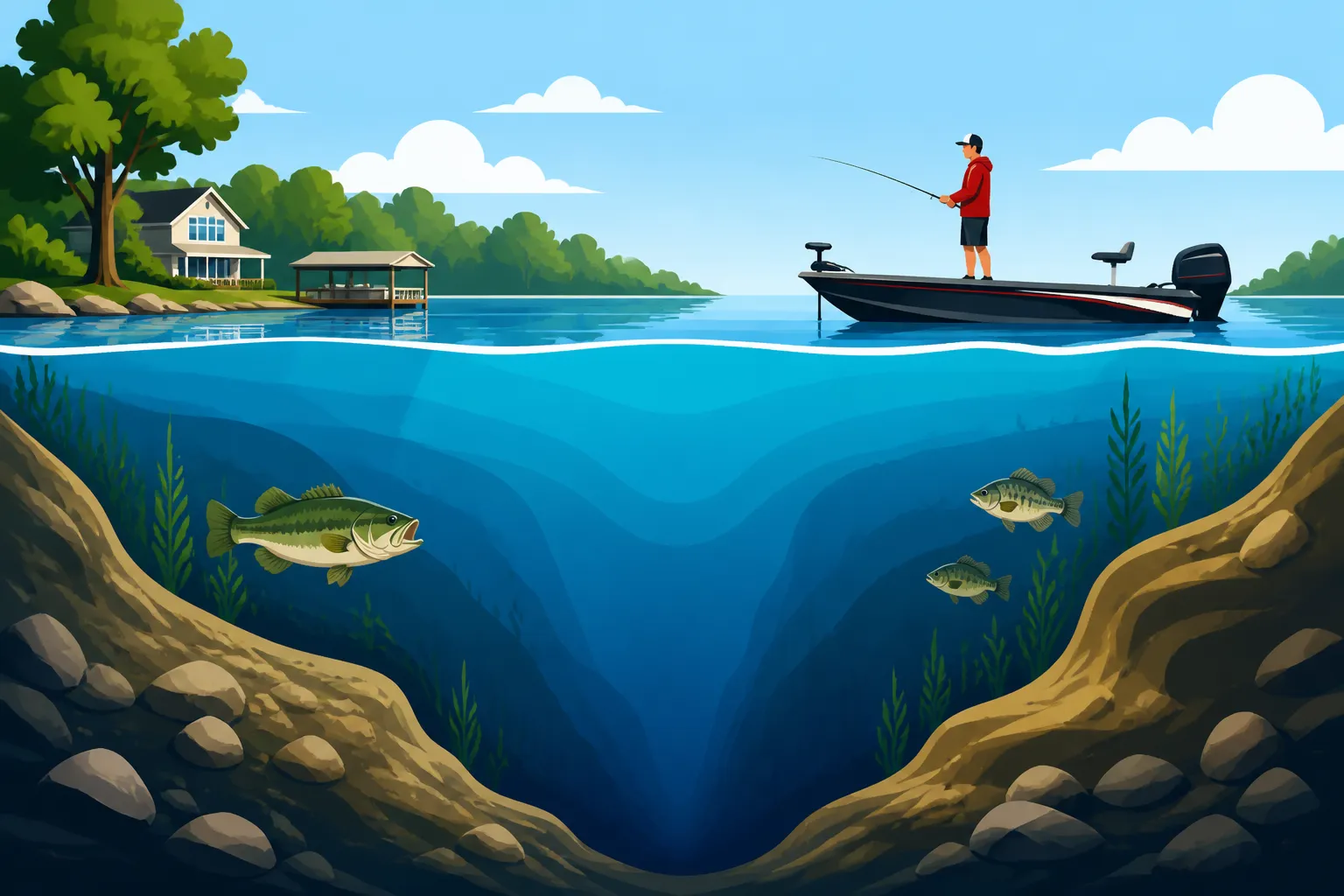
One of the most defining characteristics of West Okoboji's underwater landscape is its abundance of steep drop-offs and dramatic ledges. Because of its glacial formation, many shorelines and points don't gradually slope into the lake; they plunge. You might be casting into seemingly shallow water from shore, only to find the bottom drops sharply to 20, 40, or even 60 feet just a short distance out.
These sudden changes in depth are fish magnets. Predator species like Walleye Fishing in Iowa and Smallmouth Bass Fishing in Iowa often patrol these edges, using the quick transition from shallow to deep water as an ambush point. They can quickly retreat to the comfort and safety of deeper, cooler water if disturbed, or dart into the shallows to feed. Anglers who master working these breaks with jigs, crankbaits, or even live bait will find consistent success. Knowing how to interpret your electronics to locate these ledges, especially those with subtle irregularities or structure like rock piles, is paramount.
Deep Basins and Submerged Humps
Beyond the drop-offs, West Okoboji features several expansive, deep basins. These are the vast, relatively flat areas found at the lake's maximum depths. While they might seem like barren underwater deserts, they are crucial habitats, especially during the heat of summer or the cold of winter. Fish that prefer cooler, more stable temperatures, such as walleye and even large yellow perch, will often suspend in these deep basins, or hug the bottom.
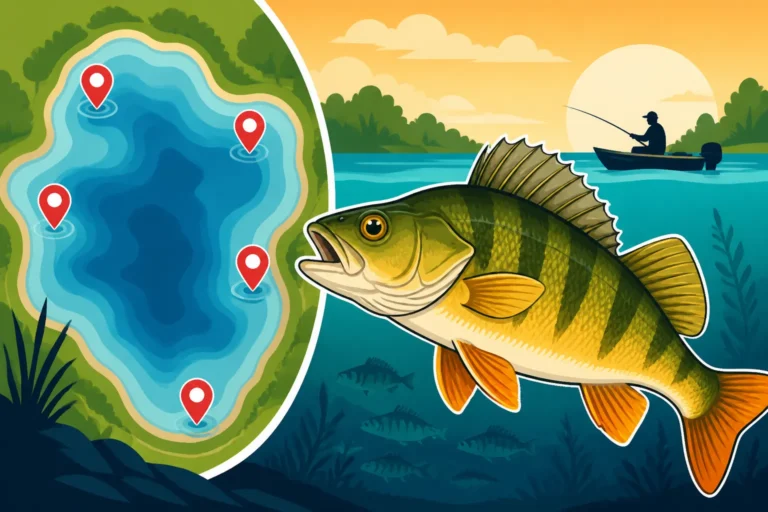
Interspersed within these deep basins, and often rising from them, are submerged humps and reefs. These hidden islands of structure are goldmines for anglers. A hump might rise from 70 feet of water to 30 feet, creating a current break and attracting baitfish, which in turn attract predator fish. Finding these subtle humps and carefully fishing around their edges and tops can lead to incredible catches. This is where modern Fish Finders and Electronics for Iowa Anglers truly shine, allowing you to map out these submerged features and identify schools of fish holding to them.
Unique Features: "The Narrows" and "The Gaps"
West Okoboji isn't monolithic; it has distinct geographical sections that influence fishing strategies. "The Narrows" is a well-known area where the lake constricts significantly, often leading to increased current and a funneling effect for baitfish and predators. The depths here can still be substantial, but the concentration of fish can be higher due to the confined space. Similarly, other "gaps" or channels between larger bodies of water within the lake offer similar conditions.
These areas, combined with the general deep-water characteristics, mean that understanding the specific contours of different parts of the lake is essential. A great way to gain this insight is by consulting detailed contour maps, often available at local bait shops or through online mapping applications. If you're looking for an expert's take on where to find deep-water structure, sometimes hiring a local guide through platforms like FishingBooker can provide invaluable insights into these nuanced areas. They spend countless hours on the water and know these deep spots like the back of their hand.
Fishing West Okoboji's Deep Waters: Strategies and Species
The profound depths and intricate structure of West Okoboji Lake dictate much of the fishing strategy. To be consistently successful, anglers need to adapt their techniques to target fish that relate to these deeper zones.
Targeting Deep-Water Walleye and Perch
Walleye are one of the most sought-after species in West Okoboji, and they famously relate to deep water, especially during bright days or the summer heat. You'll often find them holding tight to those steep drop-offs, the edges of submerged humps, or suspending in the deep basins.
- Jigging: Vertical jigging with a heavy jig and a minnow or soft plastic is incredibly effective when you've located a school of walleye on your electronics. Focus on structure where you see baitfish.
- Trolling: Trolling with deep-diving crankbaits or crawler harnesses can cover large areas of the deep basins and along contours. Look for presentations that mimic the natural baitfish, like perch or shad.
- Slip Bobbers: While often used in shallower water, a weighted slip bobber rig can be used to present live bait like leeches or minnows precisely over deeper structure, especially if fish are suspended.
- Ice Fishing: During winter, Ice Fishing in Iowa on West Okoboji often means targeting these deep-water haunts. Walleye, yellow perch, and even some panfish will congregate in predictable deep zones. Consider checking out specific ice fishing techniques for these species.
For yellow perch, particularly the larger "jumbo" perch West Okoboji is known for, the deep basins and humps are prime territory. They often school up in impressive numbers. Small jigs tipped with wax worms, minnow heads, or soft plastics are deadly. The article on Perch Populations at the Iowa Great Lakes can give you more specific details on where and how to find these tasty fish.
Hunting for Muskie and Northern Pike
West Okoboji is also a fantastic destination for trophy Muskie Fishing in Iowa and Northern Pike Fishing in Iowa. These apex predators, while sometimes found in shallower weeds, frequently patrol the deeper edges of weed lines, rock piles, and points that extend into deeper water. They use the varying depths to ambush prey.
- Casting Large Baits: Big bucktails, crankbaits, and soft plastics retrieved along deep weed edges or over submerged structure are classic muskie and pike tactics. The depth allows these fish to grow to impressive sizes, so don't be shy with your lure selection.
- Trolling: For muskie, trolling large crankbaits or even live bait (where legal and practical) along deep contours can be highly effective, especially when searching for scattered fish over expansive areas.
- Focus on Structure: Like walleye, muskie and pike will use the deep structure to their advantage. Look for isolated rock piles in deeper water or points that drop sharply into the abyss. These are classic ambush spots.
If you're looking to explore more Iowa Fishing Techniques Guide for these formidable predators, there are numerous advanced strategies that capitalize on West Okoboji's deep, clear waters. It often involves patience and understanding the fish's movements related to baitfish and structure.
The Role of Deep Water in the Fishing Season
West Okoboji's depth significantly influences when and where fish are found throughout the year.
- Spring: As the ice melts, fish might move into shallower bays to spawn, but many will quickly retreat to deeper break lines as water temperatures rise, often following baitfish.
- Summer: The deep, cooler water becomes a sanctuary. Walleye, muskie, and larger perch will often be found in the deepest parts of the lake or holding tightly to deep structure, only moving shallow to feed during low light conditions or when baitfish push up.
- Fall: As water temperatures drop, fish can spread out more, becoming active on shallower flats during feeding windows, but they will still relate to those deep transitions and drop-offs as they prepare for winter. The article on Best Time to Fish the Iowa Great Lakes for Walleye dives into these seasonal patterns in detail.
- Winter: During ice fishing season, the deep basins and associated structure become vital. Fish congregate in these areas, offering consistent action for those who brave the cold and use appropriate Ice Fishing Gear Basics for Beginners.
Essential Gear and Techniques for Deep Water Fishing on West Okoboji
Successfully fishing West Okoboji's depths requires specific gear and a thoughtful approach. You can't just throw out a bobber and expect to hit the deep-water sweet spots.
Sonar and GPS Navigation
This is non-negotiable for serious deep-water anglers on West Okoboji. A quality fish finder with good down-imaging and side-imaging capabilities will allow you to:
- Map Depths: Precisely see the contours, drop-offs, and humps.
- Locate Fish and Bait: Identify schools of baitfish and the larger predatory fish holding nearby.
- Mark Waypoints: Save the exact locations of productive structure or fish concentrations.
- Stay on Structure: Use GPS to precisely follow deep break lines or stay on top of a submerged hump, even when drifting.
Brands like Humminbird and Lowrance offer excellent units that can drastically improve your success. Combining detailed lake maps (like those often found in the GoOutdoors Iowa app or dedicated fishing GPS units) with real-time sonar data is a powerful tool.
Rods, Reels, and Line for Depth
Fishing at 40-100 feet requires different tackle than shallow water.
- Rods: Look for medium-heavy to heavy power rods with a fast action. This provides the backbone needed to handle heavier weights and fight larger fish from the depths, while the fast tip maintains sensitivity for detecting subtle bites.
- Reels: High-quality spinning reels (for lighter presentations) or baitcasting reels (for heavier lures and trolling) with good drag systems are crucial. They need to handle the strain of bringing fish up from deep water.
- Line: Braided line is highly recommended for deep-water fishing. Its no-stretch property provides superior sensitivity, allowing you to feel bites and detect bottom contact even at extreme depths. It also cuts through the water better, reducing bow in the line, and offers incredible strength-to-diameter ratio. Pair it with a fluorocarbon leader for stealth.
Deep-Diving Lures and Heavy Weights
Your tackle box for West Okoboji needs to include options for reaching those fish down deep.
- Deep-Diving Crankbaits: These lures are designed with large lips to quickly descend to depths of 20, 30, or even 40+ feet when trolled or retrieved quickly. Experiment with different sizes and colors to match the forage.
- Jigs and Plastics: Heavy jigs (1/2 oz to 1 oz or more) tipped with soft plastics, live minnows, or even Gulp! baits are essential for vertical jigging. The weight ensures a fast descent and good bottom contact.
- Bottom Bouncers and Carolina Rigs: These rigs are excellent for presenting live bait (like nightcrawlers or minnows) along the bottom over deep flats or contours. The heavy weight keeps your bait in the strike zone.
- Heavy Spoons and Blade Baits: For vertical presentations, especially during ice fishing or when fish are suspended, heavy spoons and blade baits can imitate dying baitfish and trigger aggressive strikes.
West Okoboji's significant depth is not just a statistic; it's a defining characteristic that shapes the entire fishing experience. From its glacial origins to the incredible array of fish species that thrive in its cool, deep waters, understanding "how deep West Okoboji Lake is" is the first step toward becoming a truly successful angler on this Iowa gem. Don't be afraid to embrace the deep – that's where some of the biggest and most exciting catches often hide!
Disclaimer
Please note that fishing regulations, license requirements, and local conditions can change. Always consult the latest Iowa Department of Natural Resources (DNR) regulations before heading out on the water. This guide is for informational purposes only and does not constitute legal advice.