Best Farm Pond Fishing Near Cedar Falls
When you dream of a perfect day fishing near Cedar Falls, Iowa, you might immediately picture the expansive waters of Clear Lake or the flowing currents of the Cedar River. But for many local anglers, the true hidden gems are the countless farm ponds dotting the landscape, offering a unique blend of tranquility and the thrill of a big catch. The challenge, of course, isn't finding these ponds, but rather gaining access to them. This guide will help you understand why these smaller waters are so special and how to respectfully unlock their fishing potential.
The Secret Appeal of Farm Ponds Near Cedar Falls
Farm ponds might not boast the sheer size or public access of larger reservoirs, but that's precisely where their charm lies. These smaller, often private bodies of water offer a fishing experience that's distinctively different and often incredibly rewarding, especially in the rural areas surrounding Cedar Falls in Black Hawk, Bremer, and Butler counties. They are truly the unsung heroes of Iowa fishing.
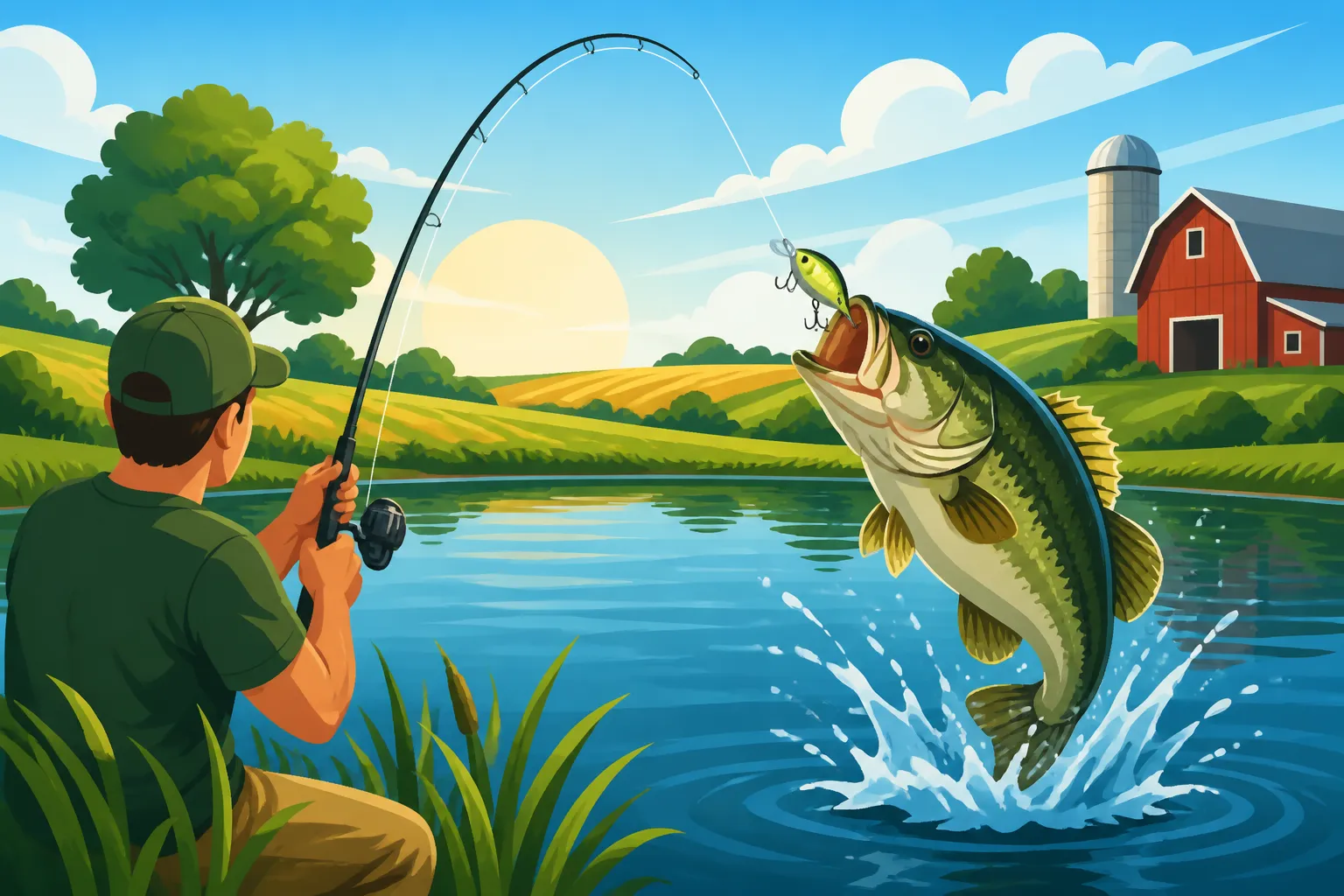
Unlike heavily pressured public lakes where fish see every lure and hear every boat motor, farm pond fish often live in a more undisturbed environment. This can lead to less "educated" fish that are more willing to bite, making for an exciting day on the water. Plus, with abundant natural forage and fewer anglers, these ponds frequently produce surprisingly large bass, crappie, and bluegill, along with healthy populations of channel catfish. It’s not uncommon for an angler to pull a trophy-sized largemouth bass from a pond that looks no bigger than a backyard swimming pool.
Beyond the potential for big fish, farm ponds offer a serene escape. Imagine casting a line with nothing but the sounds of nature surrounding you, far from the roar of bass boats or the crowds at a popular fishing pier. This quiet solitude makes them perfect for a relaxing afternoon, a quick trip after work, or introducing kids to the joys of fishing without overwhelming them. They truly offer a glimpse into the peaceful, agricultural heart of Iowa.
Navigating the Quest for Access: Getting on the Water
The biggest hurdle for anyone looking to fish farm ponds near Cedar Falls, or anywhere else in Iowa, is gaining permission. These are private properties, and respect for landowners is paramount. Trying to sneak onto a pond is not only illegal but also damages the reputation of all anglers. Building a good relationship with a landowner can open up incredible fishing opportunities.
The best approach is always in-person. Drive around the rural areas surrounding Cedar Falls – places like the countryside near Hudson, Denver, or even past Waverly – and identify ponds from the road. Once you spot a promising pond, find the nearest farmhouse and politely introduce yourself. Start by explaining your passion for fishing, complimenting their property, and then respectfully ask if there's any possibility of fishing their pond. Offer to share your catch, help with a chore, or simply leave the area cleaner than you found it. Most landowners are reasonable and appreciate a polite, responsible request. If you're unsure about the general rules for private property fishing, a quick refresher on License Rules for Fishing on Private Property can be helpful.
Leveraging local connections can also be a game-changer. Visit local bait shops in Cedar Falls or Waterloo, or even feed stores in smaller towns. These places are hubs for local knowledge, and the folks behind the counter often know landowners who are open to sharing their ponds. Sometimes, they might even put up a small notice if a landowner is seeking anglers to help manage fish populations. While platforms like FishingBooker are fantastic for booking guided trips on larger public waters, they might not directly list private farm ponds. However, a local guide listed on such a platform might have established relationships with landowners and could be an invaluable resource for finding accessible ponds, especially if you’re looking for a guided experience on a specific type of private water. Building these community ties is key to finding those truly special spots.
Essential Gear and Smart Tactics for Cedar Falls Area Ponds
Fishing farm ponds doesn't require a boatload of specialized gear. In fact, keeping it simple and versatile is often the most effective strategy. You'll want tackle that can handle a variety of situations and species, as you never quite know what might be lurking beneath the surface.
For rods and reels, a versatile medium-light to medium power spinning combo is perfect. This setup allows you to cast lighter lures and baits with ease, yet still has enough backbone to handle a feisty largemouth bass or a decent-sized catfish. Pair it with 6-10 pound monofilament or fluorocarbon line, which offers a good balance of strength, sensitivity, and castability for the typical pond environment. Unlike river fishing where you might be concerned with strong currents, most ponds don't demand heavy weights or specialized rigging, allowing for a more relaxed approach. Before you head out, make sure you know How Many Fishing Poles You Can Use in Iowa to stay compliant with state regulations.
When it comes to baits and lures, think small and adaptable. Live bait is always a winner in farm ponds. Worms (nightcrawlers, redworms) are irresistible to bluegill, crappie, and even hungry bass and catfish. Minnows can be highly effective for crappie and larger bass. For artificial lures, pack a selection of small soft plastics (worm imitations, grubs), spinnerbaits, and shallow-diving crankbaits. These will cover most situations, whether you're working weed lines for bass or targeting panfish suspended near structure. A small tackle box with a variety of hooks (sizes 4-8 for panfish, 1/0-3/0 for bass/catfish), split shot sinkers, and bobbers (both fixed and slip bobbers) will ensure you're prepared for anything.
Beyond your rod, reel, and tackle, a few other items are absolute must-haves for farm pond fishing. A good pair of pliers is essential for removing hooks safely, especially from larger fish. A small, portable cooler with ice can keep your catch fresh if you plan to keep some fish, or simply keep your drinks cool. Don't forget bug spray, sunscreen, and a wide-brimmed hat, as you'll often be exposed to the elements. Remember, fishing without a valid license can lead to penalties, so always ensure you have your Iowa Fishing License Guide or a Cost of a One-Day Fishing License in Iowa in hand before you cast your first line.
Species-Specific Strategies for Farm Pond Success
While farm ponds might seem like simple bodies of water, understanding the habits of the fish within them can dramatically increase your success. Each species has its preferences, and tailoring your approach can lead to a much more rewarding day of fishing.
Targeting Largemouth Bass
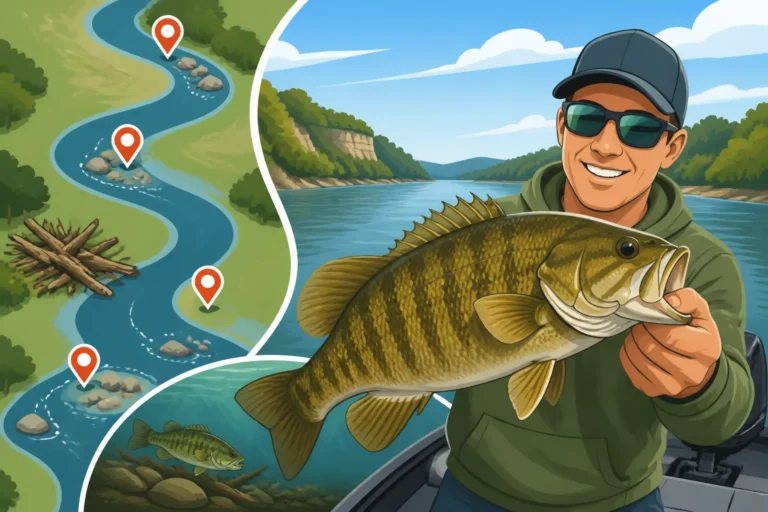
Farm ponds are renowned for producing impressive largemouth bass, often because they face less fishing pressure and have an abundance of forage. When targeting bass, look for cover and structure. This includes lily pads, submerged timber, weed lines, and even old tires or brush piles that a generous landowner might have placed in the pond. Bass love to ambush their prey, so these areas provide perfect hiding spots. Early mornings and late evenings, especially during the summer, are prime times for topwater action. Cast a frog or popper near heavy cover and be ready for an explosive strike. During the day, switch to Texas-rigged soft plastic worms or jigs, slowly working them through and around structure. If you're looking for How to Catch Bass in Farm Ponds, remember that patience and precision are key. For more in-depth knowledge on their habits, checking out Bass Fishing Tips for Iowa Farm Ponds can give you an edge.
Panfish Perfection: Bluegill and Crappie
Bluegill and crappie are the quintessential farm pond fish – abundant, fun to catch, and delicious to eat. They are also fantastic for introducing new anglers to the sport. Both species often congregate in schools, so if you catch one, there are likely many more nearby. For bluegill, a simple setup works wonders: a small hook (size 8-10) tipped with a piece of worm, a kernel of corn, or a tiny jig, suspended under a bobber. Cast it near shallow weed beds, docks, or over submerged brush piles. Crappie tend to prefer slightly deeper water and often hang around submerged trees, brush piles, or old stumps. Small jigs (1/32 to 1/16 ounce) in white, chartreuse, or black, tipped with a minnow or a small plastic grub, are incredibly effective. You can slowly retrieve them or suspend them under a slip bobber at the depth where you're seeing fish. You can find more tips on Best Bluegill Ponds in Iowa and Best Month to Catch Crappie in Iowa to help plan your trip.
Unexpected Catfish Encounters
While many target bass and panfish, farm ponds often hold surprisingly good populations of channel catfish, and sometimes even flatheads. These bottom dwellers are opportunistic feeders and can grow quite large in the nutrient-rich waters of a farm pond. The best time to target catfish is typically in the evening or at night when they are most active. Look for deeper areas of the pond, especially near any inlets, outlets, or areas where the bank drops off sharply. For bait, anything with a strong scent works well. Cut bait (pieces of shad or bluegill), chicken livers, stink baits, or even hot dogs are proven catfish attractants. Fish these baits directly on the bottom using a slip sinker rig. Just like finding farm ponds, a little local knowledge can help pinpoint specific ponds known for their catfish, and exploring Best Bait for Channel Catfish will certainly up your chances.
| Fish Species | Preferred Habitat | Best Bait/Lure | Ideal Time to Fish |
|---|---|---|---|
| Largemouth Bass | Weeds, submerged timber, lily pads, drop-offs, shaded areas | Soft plastic worms, jigs, spinnerbaits, topwater frogs | Early morning, late evening, overcast days |
| Bluegill | Shallow weed beds, docks, brush piles, warm sunny spots | Small worms, crickets, tiny jigs, corn | Mid-morning, afternoon |
| Crappie | Submerged trees, brush piles, deeper cover, drop-offs | Small minnows, tiny jigs with plastic grubs | Early morning, late evening, overcast days |
| Channel Catfish | Deeper holes, pond inlets/outlets, bottom structure | Cut bait, chicken livers, stink bait, worms | Evening, night, cloudy days |
Remember, fishing in Iowa is a year-round activity for many species, and while Is Bass Fishing Open Year-Round in Iowa? for instance, many ponds offer great action across seasons. Always check the latest Iowa Fishing Regulations Explained to ensure you're fishing legally and sustainably.
Disclaimer
The information provided in this guide is for general informational purposes only and is not intended as legal advice regarding fishing regulations or private property access. Fishing regulations and access rules can change, and it is the angler's responsibility to verify all current local and state regulations with the Iowa Department of Natural Resources (DNR) and to always obtain explicit permission from landowners before fishing on private property. Neither the author nor publisher assumes any responsibility for errors or omissions, or for any loss or damage caused by reliance on this information.