Des Moines River Smallmouth Bass Spots
If you've ever tried to target smallmouth bass on Iowa's Des Moines River, you know it can feel like a game of hide-and-seek. While its reputation often leans towards formidable catfish and strong walleye, the Des Moines River holds some truly feisty smallmouth, but finding their prime real estate takes local knowledge and a bit of persistence. This guide is dedicated to helping you unlock those elusive smallmouth spots, sharing the insights you need to make your next river adventure a success.
Understanding Smallmouth Bass Habitat in the Des Moines River
Smallmouth bass, often called "bronzebacks," are creatures of current and structure, and the Des Moines River offers plenty of both, if you know where to look. They aren't going to be sitting in the slow, muddy backwaters like a largemouth might. Instead, they thrive in specific conditions that mimic their natural riverine preferences.
River Conditions and Preferred Structure
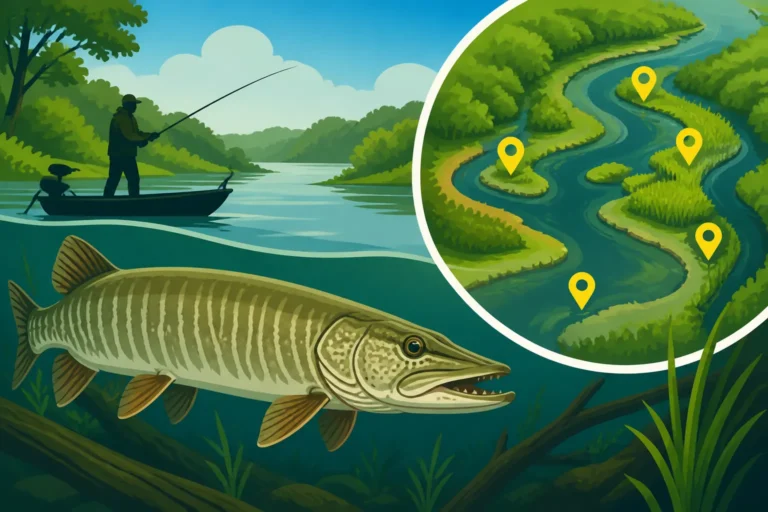
The Des Moines River is a dynamic system, constantly changing with rainfall and seasons, which means a smallmouth hotspot one week might be less productive the next. Generally, smallmouth prefer areas with clearer water, good current flow, and plenty of hard structure. Think rocky bottoms, gravel beds, submerged timber, and current seams. These areas provide cover from predators, ambush points for prey, and often higher oxygen levels.
Specifically, look for stretches where the river narrows or bends, causing the current to accelerate and scour out deeper holes or expose rocky outcroppings. The presence of cobble, boulders, or even rip-rap along bridge pilings or shorelines can be prime real estate. Smallmouth will often sit on the downstream side of these structures, out of the main current, waiting for baitfish or crawdads to be swept past them. Changes in bottom composition, from sandy flats to rocky ledges, are also key indicators.
Seasonal Movements and Feeding Patterns
Smallmouth bass in the Des Moines River aren't static; their movements are heavily influenced by water temperature, forage availability, and spawning instincts. Understanding these patterns is crucial for consistent success.
In the spring, as water temperatures rise into the 50s Fahrenheit, smallmouth begin to move out of their deeper wintering holes and into shallower, rocky areas to feed and prepare for spawning. They'll be aggressively chasing baitfish and crawdads in these areas. The spawn typically occurs when water temperatures reach the low to mid-60s, often around late April to early June. During this time, they'll be found on gravel or rocky flats in shallower water, guarding nests. After the spawn, they disperse and are often found relating to current breaks and submerged cover as they recover and feed heavily.
Summer sees smallmouth hold in deeper, oxygenated pockets, often near current, especially during the heat of the day. Early mornings and late evenings might see them push into shallower feeding flats. As fall approaches and water temperatures drop again, they enter a "feeding frenzy," bulking up for winter. This is an excellent time to catch large, aggressive smallmouth before they retreat to deeper pools and eddies for the colder months.
Prime Smallmouth Bass Hotspots on the Des Moines River
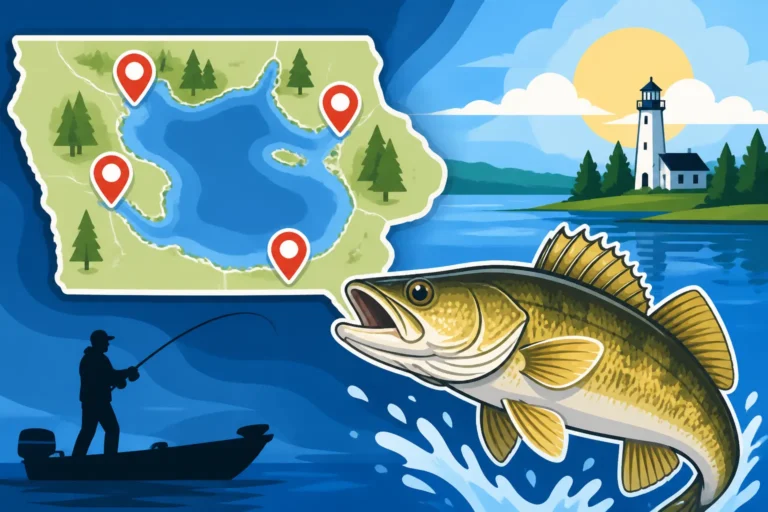
Finding the best smallmouth bass spots on the Des Moines River often requires a combination of scouting, local knowledge, and an understanding of river topography. While the river stretches a long way, certain sections consistently produce better opportunities for these hard-fighting fish.
Upstream Stretches Near Boone and Webster County
Moving north from Des Moines, the river often becomes narrower and shallower, with more pronounced current and rocky substrate, creating ideal smallmouth habitat. The sections near Boone, especially upstream, are renowned for their smallmouth populations.
Here, you'll find numerous riffles, runs, and rock gardens where smallmouth lie in wait. Access points in this area, often managed by county conservation boards or state parks, can get you close to prime wading grounds. Look for areas where the river twists and turns, creating outside bends with deeper scour holes and inside bends with slower water and submerged wood. The river in this area is less influenced by large dams, offering more natural flow and abundant structure. This is also a fantastic place to try kayak fishing, allowing you to quietly navigate and fish untouched stretches. If you're looking for an expert to guide you through these less-fished areas, a quick search on a site like FishingBooker might reveal local guides who specialize in smallmouth trips in these specific upstream zones.
Downtown Des Moines to Saylorville Dam
Closer to the metropolitan area, the Des Moines River still offers excellent smallmouth opportunities, particularly in the stretches below the Saylorville Dam down through the urban core of Des Moines.
The Saylorville Dam tailwaters are a magnet for various fish species, and smallmouth are no exception. The increased oxygenation from the dam's outflow and the abundant rock and concrete structure provide ideal ambush points. However, be aware that fishing pressure can be high here, and water levels can fluctuate dramatically depending on dam operations. Further downstream, as the river flows through Des Moines, look for smallmouth around bridge pilings, rocky shoreline rip-rap, and any areas where smaller creeks or stormwater outflows create current breaks and introduce new forage. The urban environment might not feel like classic smallmouth country, but these fish are adaptable and will exploit available resources. Just remember to check the Iowa Fishing Regulations Explained before heading out, as specific rules might apply to certain sections or species.
Confluence Zones and Tributary Mouths
The points where smaller rivers and creeks join the Des Moines River are often overlooked hotspots for smallmouth bass. These confluence zones are ecological magnets, drawing in baitfish and crawdads, which in turn attract predatory bass.
When a tributary meets the main river, it creates a distinct current seam, temperature differential, and often brings in new forage. Smallmouth will position themselves along these seams, particularly on the slower side of the current, ready to ambush anything that washes by. The mouths of creeks like Beaver Creek or Walnut Creek as they enter the Des Moines River can be particularly productive after a rain event, as the influx of fresh water and nutrients stirs up activity. These areas often have a mix of rock, gravel, and submerged wood, providing diverse habitat. Explore these areas by wading, or if you prefer a guided experience, check out FishingBooker for local guides who might offer specialized trips to these less-explored convergence points.
Essential Techniques for Des Moines River Smallmouth
Catching smallmouth bass on the Des Moines River isn't just about finding them; it's about presenting your lures and baits in a way that triggers their aggressive, opportunistic strikes. River smallmouth behave differently than their lake-dwelling cousins, and adapting your techniques to the current and structure is paramount.
Topwater and Reaction Baits for Aggressive Fish
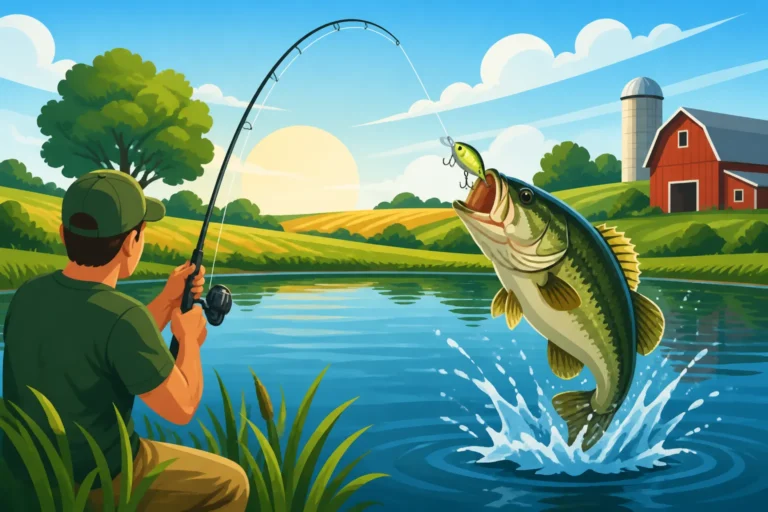
When the smallmouth are active and aggressive, especially during warmer months or low-light conditions, topwater and reaction baits can be incredibly effective and exhilarating. There's nothing quite like a bronzeback exploding on a surface lure.
Walk-the-dog style baits, poppers, and even buzzbaits can draw strikes from aggressive smallmouth, particularly in shallower runs or around submerged logs. The key is to work them with erratic movements that mimic a struggling baitfish. For reaction baits, crankbaits that dive to different depths are essential. Choose colors that imitate crawdads (browns, oranges) or local baitfish (shad, minnow patterns). Cast upstream and retrieve with the current, allowing the crankbait to bump off rocks and structure. Spinnerbaits and chatterbaits are also excellent choices for covering water quickly and drawing reaction strikes, especially in stained water or around woody debris. You might find some useful crossover tips in our How to Catch Bass in Iowa guide, which delves into general bass behavior.
Finesse Tactics for Tricky Bites
Not every day on the Des Moines River will bring aggressive topwater blow-ups. When the bite is tough, whether due to cold fronts, high pressure, or clear water, finesse tactics often save the day.
Soft plastics are your best friends in these situations. Grubs, tubes, and small creature baits rigged on a jig head can be deadly. The key is to present them naturally, allowing the current to impart subtle action. Try a slow, deliberate drag and hop along the bottom, mimicking a crawdad or injured baitfish. Drop-shot rigs with small worms or minnow imitations are also highly effective for pinpointing smallmouth holding tight to structure in deeper water. Small Ned rigs, using a mushroom-shaped jig head and a buoyant soft plastic, are fantastic for enticing hesitant fish when fished slowly along the bottom. Using lighter line and a sensitive rod will help you detect those subtle "thunks" and taps. If you're just starting out, our Fishing Rod and Reel Guide for Iowa Anglers can help you choose the right setup for these nuanced presentations.
Live Bait for Consistent Action
While artificial lures are a blast, sometimes nothing beats the natural appeal of live bait, especially when you're just trying to get a bend in the rod or when fish are particularly finicky.
Smallmouth bass have a strong preference for crawdads, and a live crawdad hooked through the tail or carapace and drifted naturally with the current can be irresistible. Minnows are another excellent choice, whether fished under a slip bobber in deeper holes or lightly weighted and allowed to drift. Nightcrawlers, though more commonly associated with panfish and catfish, can also entice smallmouth, especially if presented in a natural drift near cover. Remember that fishing with live bait sometimes requires different rigging than lures, often involving smaller hooks and less visible lines. For specific insights on their preferred diet, you can check out our Smallmouth Bass Fishing in Iowa article.
Gear Up for Des Moines River Smallies
Having the right equipment can make all the difference when targeting smallmouth bass on a dynamic river system like the Des Moines. It’s not just about what you use, but how well it performs in current, around snags, and against a hard-fighting fish.
Rod, Reel, and Line Selection
Versatility and sensitivity are key when choosing your rod and reel setup for Des Moines River smallmouth. A medium-light to medium power spinning rod, typically 6'6" to 7' in length, with a fast action tip, is an excellent all-around choice. This provides enough backbone to fight fish in current and cast lures accurately, while the fast tip ensures sensitivity for detecting subtle bites and working lighter baits.
Pair this with a quality 2000 or 2500 series spinning reel. Look for a smooth drag system, which is crucial when a powerful smallmouth makes a sudden run. For line, 6-8 pound fluorocarbon or monofilament is a good starting point for finesse presentations. Fluorocarbon offers excellent sensitivity and abrasion resistance, vital around rocky river bottoms, plus it's nearly invisible underwater. If you prefer braided line for its casting distance and sensitivity, consider a 10-15 lb braid with a 6-8 lb fluorocarbon leader for stealth. This setup gives you the best of both worlds: strong main line and a subtle presentation. For those looking to explore specific braid advantages, our article on Braided Line vs Monofilament for Walleye offers insights that can apply to bass as well.
Boats, Kayaks, and Wading Gear
How you access the river will greatly influence your fishing experience, and the Des Moines River offers options for various preferences.
Wading: Many sections of the Des Moines River, particularly the upstream stretches, are perfectly suited for wading. A good pair of chest waders (neoprene for colder water, breathable for summer) and felt-soled or studded wading boots are essential for safety and comfort. A wading staff provides crucial stability in slippery currents. Wading allows for stealthy approaches to prime spots and the ability to thoroughly work productive areas.
Kayaks and Canoes: For accessing less pressured stretches and covering more water than wading, kayaks and canoes are fantastic. They offer stealth, maneuverability, and the ability to navigate shallower areas that larger boats can't reach. Look for stable fishing kayaks with plenty of storage for tackle and gear. Always wear a personal flotation device (PFD) and be aware of current, strainers (downed trees that can pin you), and potential rapids. Our Kayak Fishing Techniques in Iowa guide offers detailed advice for getting started.
Boats: While larger bass boats might be overkill or impractical for many sections, smaller jon boats or aluminum boats with outboard motors can be excellent for covering longer stretches of the Des Moines River, especially downstream of Saylorville Dam. These allow you to quickly move between spots, carry more gear, and fish from a stable platform. Ensure your boat is properly registered and equipped with all necessary safety gear, as detailed in Iowa Boat Registration Requirements.
Essential Tackle and Accessories
Beyond your rod and reel, a well-stocked tackle box and a few key accessories will set you up for success.
For lures, prioritize a variety of small to medium-sized crankbaits (both shallow and medium divers), soft plastic tubes, grubs, and creature baits (greens, browns, and pumpkinseed colors are often effective), jig heads in various weights (1/8 to 3/8 oz), and topwater lures. Don't forget some spinnerbaits or chatterbaits for covering water. A good pair of long-nosed pliers or forceps for hook removal is a must, especially with treble hooks and feisty smallmouth. A small landing net can be invaluable for safely landing larger fish, particularly when wading or in a kayak. Polarized sunglasses will significantly improve your ability to spot structure and even fish in clearer water, cutting down glare. And always carry a small first-aid kit, insect repellent, and plenty of water, especially during Summer Catfish Techniques on the Mississippi River (the safety advice applies generally to all river fishing!).
Navigating the Des Moines River Safely and Legally
Fishing on any river, especially one as dynamic as the Des Moines, comes with its own set of responsibilities and potential challenges. Being prepared and informed about safety and regulations is just as important as knowing where the fish are biting.
Public Access Points and Bank Fishing
The Des Moines River offers numerous public access points, making it approachable for anglers who prefer to fish from the bank or launch smaller craft. These spots are often found at county parks, city parks, and state-managed wildlife areas.
For bank anglers, these access points typically provide parking and a clear path to the river's edge. Look for areas with rip-rap, downed trees, or bridge pilings that extend close to the bank, as these often hold smallmouth. Remember that while public access points exist, much of the river's shoreline is private property. Always respect landowner rights and avoid trespassing. The Iowa Fishing Atlas Access Points is an invaluable resource for locating these public areas and understanding the boundaries. While not always ideal for smallmouth, these spots can still produce, especially for patient anglers targeting current breaks near accessible shorelines.
Boating Considerations and Safety
For those venturing out in a boat or kayak, safety on the Des Moines River must be your top priority. The river's current can be strong and unpredictable, especially after heavy rains, and submerged hazards are common.
Always wear a U.S. Coast Guard-approved personal flotation device (PFD), even if you're an experienced boater. It's not just a recommendation; it's often a legal requirement, especially for certain age groups or vessel types. Inform someone of your float plan – where you're launching, your intended route, and when you expect to return. Carry essential safety gear such as a whistle, a rescue throw bag, a first-aid kit, and an anchor. Be vigilant for strainers (fallen trees or debris that can trap a boat) and low-head dams, which are extremely dangerous and often difficult to spot. If you're new to navigating Iowa's waterways, reviewing Boater Education Requirements for Young Anglers can offer a good general overview of responsible boating practices, applicable to all ages. Before embarking on any trip, check the river levels and forecasts from the National Weather Service. High water can create swift currents and carry dangerous debris, making fishing unsafe.
Rules and Regulations Specific to River Fishing
Iowa has specific fishing regulations designed to protect fish populations and ensure fair chase. It's your responsibility as an angler to be familiar with these rules before you cast a line.
A valid Iowa fishing license is almost always required for anyone over the age of 16. You can find detailed information on Iowa Fishing License Guide or easily purchase one online through the Iowa Department of Natural Resources (DNR) Go Outdoors Iowa platform. Pay close attention to species-specific regulations, including daily bag limits and length limits, which can vary by water body and species. While smallmouth bass in the Des Moines River generally follow statewide regulations, it's always wise to double-check the current Iowa Fishing Regulations Booklet, which is updated annually. Knowing these regulations not only keeps you legal but also contributes to the conservation of this fantastic fishery for future generations.
Table: Key Smallmouth Bass Spots & Access Tips
| Location Stretch | Typical Habitat Features | Best Access Method | Key Tactics | Notes |
|---|---|---|---|---|
| Upstream (Boone to Webster Co.) | Rocky riffles, gravel beds, current seams, small dams | Wading, Kayak | Tubes, Grubs, Small Crankbaits, Topwater | Less pressured, clearer water. Look for public land. |
| Downtown Des Moines | Bridge pilings, rip-rap, dam tailwaters, urban parks | Bank, Small Boat | Jigs, Spinnerbaits, Crankbaits, Live Bait | Can be crowded. Watch for fluctuating water levels. |
| Confluence Zones | Current seams, varied bottom, tributary mouths | Kayak, Wading | Crawdad imitations, Minnows, Finesse Plastics | Prime after rain, good for ambushing transitioning fish. |
| Saylorville Dam Tailwaters | Aerated water, concrete structure, strong current | Bank, Small Boat | Heavy Jigs, Crankbaits, Live Bait (minnows, crawdads) | High fishing pressure, but consistent action. Beware of dam releases. |
Disclaimer
Please note that fishing conditions and regulations can change rapidly. Always consult the official Iowa Department of Natural Resources (DNR) website or their current fishing regulations booklet for the most up-to-date information before planning your trip. Be aware of weather conditions, river levels, and personal safety while on the water. This guide is for informational purposes only and does not guarantee fishing success.