Wing Dam Fishing on the Mississippi River
There's nothing quite like the majestic, sprawling beauty of the Mississippi River, but let's be honest, trying to find fish in such a vast body of water can feel like searching for a needle in a haystack. Many anglers get overwhelmed by its sheer size, struggling to pinpoint those productive honey holes that consistently hold fish. This comprehensive guide is designed to cut through that confusion, focusing specifically on wing dam fishing on the Iowa stretch of the Mississippi, helping you understand these structures and how to effectively target the abundant fish they attract.
Understanding Mississippi River Wing Dams and Their Purpose
Fishing the Mississippi River, especially along the Iowa border, means getting intimately familiar with its unique structures. Among the most productive, yet sometimes intimidating, are the wing dams. These aren't just random piles of rocks; they're strategically placed features that dictate current, create prime feeding lies, and essentially act as magnets for a wide variety of fish species. Understanding their design and function is the first step toward unlocking their fishing potential.
What Exactly Are Wing Dams?
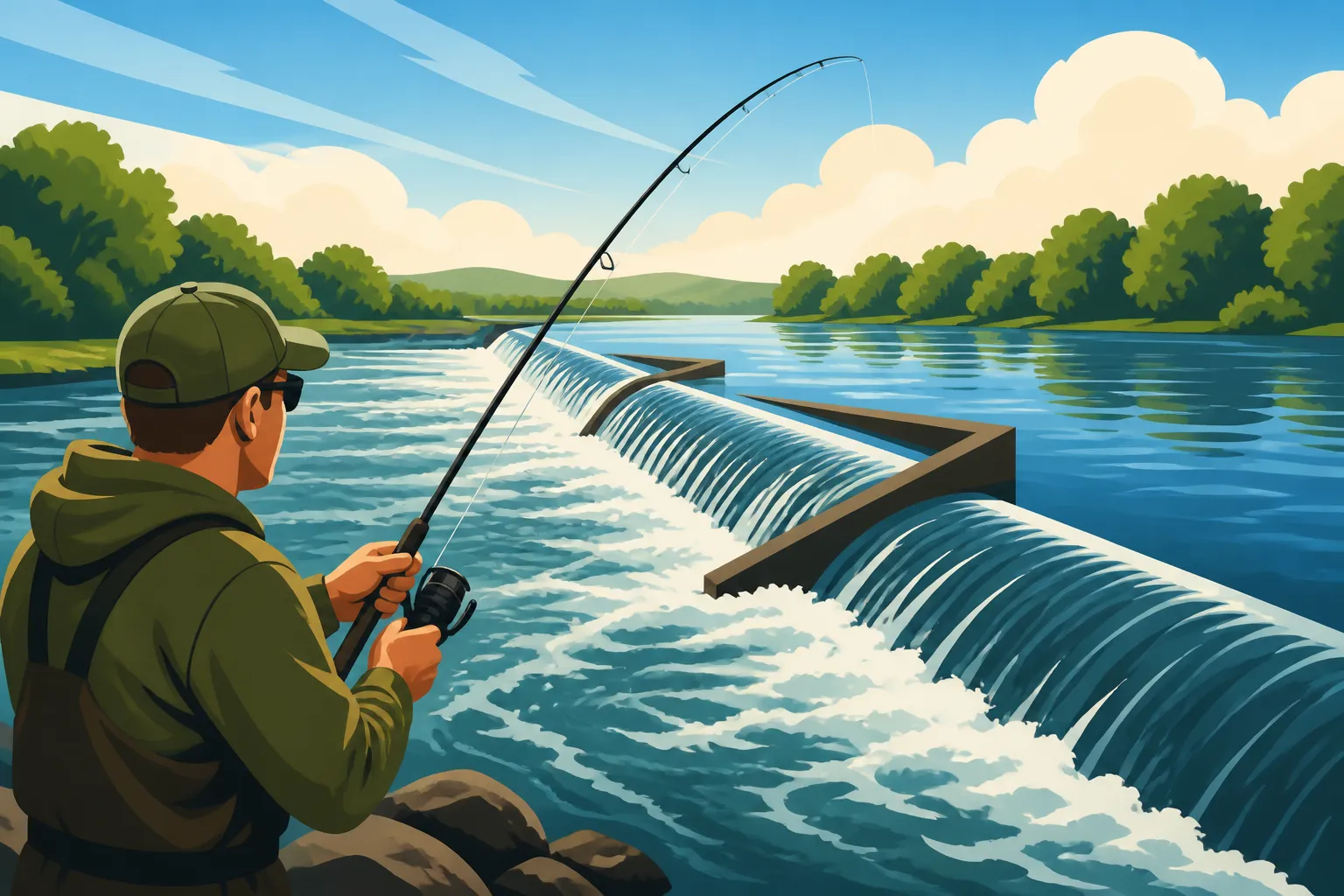
Imagine long, submerged or partially submerged rock walls extending from the riverbank, angling downstream and into the main channel. That, in essence, is a wing dam. Historically, these structures were built by the U.S. Army Corps of Engineers, primarily to maintain a navigable shipping channel for barges by constricting the flow and deepening the main river. They do this by forcing the water into a narrower path, increasing its velocity, which in turn scours the river bottom and keeps the channel deep. For anglers, however, their purpose is far more exciting: they create a complex underwater landscape of current breaks, eddies, and feeding zones that fish simply can't resist.
These structures are predominantly made of riprap, meaning large, irregularly shaped rocks piled together. Over time, the river's current may expose or submerge parts of them, and some older wing dams might even be completely under water, only detectable with good electronics or by feeling them with your lure. The design isn't uniform; some are long and straight, others have slight curves, and their angle to the main current can vary. This diversity means each wing dam presents a slightly different fishing challenge and opportunity.
Why Fish Love Wing Dams
Fish are naturally opportunistic creatures, always looking for places to conserve energy while having easy access to food. Wing dams provide exactly that. As the main current hits a wing dam, it's deflected, creating areas of slack water, eddies, and distinct current seams. These turbulent areas dislodge baitfish and invertebrates from the river bottom, delivering an endless buffet right to the waiting predators. Think of it as a drive-thru for fish – all the food comes to them with minimal effort.
The rock structure itself offers essential cover. Whether it's a smallmouth bass ambushing prey from behind a boulder or a large channel catfish seeking refuge from the strong current, the nooks and crannies of a wing dam provide excellent hiding spots. The varied depths around these structures, from the shallow crest of the dam to the deep scour holes on the downstream side, accommodate different species and different feeding behaviors throughout the day and across seasons. This concentration of food and cover makes wing dams prime real estate for game fish, offering consistent action for anglers who know how to approach them.
Types of Wing Dams and Their Features
Not all wing dams are created equal, and recognizing their subtle differences can significantly impact your fishing strategy. The most common distinctions often relate to their visibility and composition, which in turn influences how fish relate to them.
Many wing dams along the Iowa stretch of the Mississippi River are largely submerged, especially during higher water levels. These "ghost" structures might not be visible from the surface, but they create distinct current changes, boils, and seams that betray their presence. They often hold fish in deeper water, making a good fish finder indispensable. On the other hand, some wing dams are visible, either partially or entirely, sticking out of the water. These exposed rock piles often provide clearer current breaks and distinct "washouts" on their downstream side, which are prime spots for various species.
Beyond visibility, their construction can vary. While most are riprap, the size of the rocks, how tightly they're packed, and the amount of siltation they've accumulated can affect fish habitat. Older wing dams might have more sediment and even some vegetation growing on them, creating a different ecosystem than a freshly reinforced one. Anglers often refer to the "tip" (the end extending into the main channel), the "back side" (the upstream side where current pushes against it), and the "washout" or "eddy" (the calm water pocket immediately downstream). Each of these features attracts different fish under different conditions, and understanding these nuances is key to consistent success.
Navigating and Safety Around Wing Dams
Fishing wing dams on the Mississippi River can be incredibly rewarding, but it's not without its challenges, particularly when it comes to navigation and safety. The powerful currents and hidden structures demand respect and preparedness. Don't let the excitement of a good bite make you complacent; understanding the dynamics of these structures is crucial for a safe and successful trip.
Reading the Water: Identifying Key Features
Before you even make your first cast, you need to be able to "read the water" around a wing dam. The surface tells a story of what's happening beneath. Look for boils – areas where water churns and rises, indicating strong current pushing over a submerged section of the dam. Downstream of the boil, you'll often find a calmer eddy or slack water pocket. This is where fish will often sit, out of the main current, waiting for food to be swept to them.
The distinct line where the fast-moving main current meets the slower water of the eddy is called a current seam. This seam is an absolute hotspot, as it's a natural conveyor belt for baitfish and a prime ambush point for predators like walleye and smallmouth bass. Pay attention to how the current flows around the end of the wing dam, too. The "tip" often has a strong current washing over it, creating a deep scour hole where trophy fish might reside. Learning to identify these visual cues will dramatically improve your ability to position your boat and present your lure effectively.
Essential Safety Considerations
The Mississippi River's currents are no joke, especially around wing dams. Safety should always be your top priority. Always wear a properly fitted life jacket, even if you're a strong swimmer. The powerful undertows and turbulence around these structures can be disorienting. Maintain constant vigilance and boat control, especially when approaching or leaving a wing dam. Strong cross-currents can quickly pull your boat sideways, potentially pushing you onto the submerged rocks.
Be aware of underwater hazards. While wing dams are marked on most navigation charts, their exact contours and any debris snagged on them might not be. Running aground or hitting a submerged object can lead to serious damage or even capsizing. If you're exploring new wing dams, approach slowly and use your electronics to scout the area first. It’s also wise to check weather forecasts for high winds or storms, as these can make boat control extremely difficult on the big river. For those unfamiliar with the Mississippi's currents, considering a guided trip with an experienced captain, perhaps found through platforms like FishingBooker, can be a great way to learn the ropes safely.
Recommended Gear for Wing Dam Fishing
Having the right equipment makes a world of difference when tackling wing dams. A reliable boat with a powerful main engine and a sturdy, responsive trolling motor is almost non-negotiable. The trolling motor, especially a bow-mount electric one with GPS anchoring capabilities, allows you to hold your position precisely in strong currents, which is absolutely critical for effective wing dam fishing. You'll often be holding against the current or slowly working along a seam, and a good trolling motor is your best friend here.
A robust anchor system is also essential, especially if your trolling motor isn't powerful enough for the current or if you prefer to set up a stationary drift. Look for a heavy anchor (like a river anchor or a heavy mushroom anchor) and plenty of rope, ideally with a buoy system for quick release if needed. Good electronics, including a fish finder with GPS and mapping capabilities, are invaluable. They help you locate submerged portions of the wing dam, identify scour holes, mark fish, and navigate safely. Many anglers also use side imaging or down imaging to get a clearer picture of the structure below. Lastly, strong rods and reels with appropriate line for wrestling fish out of heavy current and away from snags are a must.
Top Fish Species to Target at Wing Dams
Wing dams are like bustling underwater cities, attracting a diverse array of fish species all looking for an easy meal or a comfortable place to hang out. While you never know exactly what you'll hook into, certain species have a particular fondness for these structures. Understanding their preferences and behaviors around wing dams will significantly improve your chances of a successful day on the water.
Walleye and Sauger: The River's Prized Catches
When most anglers think of fishing the Mississippi River in Iowa, walleye and sauger often come to mind, and for good reason! These toothy predators absolutely thrive in the current-rich environments provided by wing dams. They love to sit in the eddies and current seams on the downstream side of a wing dam, waiting to ambush baitfish being swept past. You'll often find them tucked right into the slack water, sometimes so close to the structure you feel like you're going to snag every cast.
The prime time for walleye and sauger around wing dams is often during the spring and fall. In spring, as water temperatures rise, they become very active, feeding heavily after the spawn. In fall, they're bulking up for winter, aggressively hitting lures. Look for them in deeper scour holes near the tip of the wing dam or along the main channel side of the current seam. Effective lures include jigs tipped with live minnows or soft plastics, crankbaits trolled or cast parallel to the dam, and bottom-bouncing rigs with live bait. For detailed strategies, check out our guide on Walleye Fishing Techniques for Iowa Rivers. Remember, walleye can often be found in clearer water or during low-light conditions, while sauger tend to prefer muddier water and deeper areas, making wing dams a perfect mixed bag opportunity.
Smallmouth and Largemouth Bass: Hard-Fighting Action
Don't make the mistake of thinking wing dams are just for walleye! The rocky structure, current breaks, and abundant baitfish also make them incredible hotspots for both smallmouth and largemouth bass, especially along the border waters of the Mississippi River. Smallmouth bass, in particular, are perfectly adapted to riverine environments and absolutely love the rocky, current-swept habitat of a wing dam. You'll often find them positioned on the upstream side, right where the current breaks over the dam, or cruising the slack water eddies in search of crayfish and baitfish.
Largemouth bass, while typically associated with calmer, vegetated waters, will also utilize wing dams, particularly those with a bit more slack water, brush piles, or slower current on their bank-side sections. They might be found deeper in the scour holes or tucked into pockets where debris has accumulated. Topwater lures, spinnerbaits, crankbaits, and jigs are all excellent choices for these hard-fighting fish. The key is to make multiple casts to the same spot, hitting every angle and depth, as bass can be very particular about their strike zone. For specific insights, our guide on Smallmouth Bass Fishing in Iowa offers great tips.
Catfish and Panfish: Reliable Wing Dam Residents
Beyond the popular game fish, wing dams are also fantastic places to target reliable species like catfish and various panfish. Channel catfish and flathead catfish are abundant in the Mississippi, and they absolutely love the deep, current-protected areas around wing dams. Flatheads often prefer the deepest scour holes, especially near woody debris, while channel cats are more widespread, found in eddies, behind the dam, and even cruising the main current seams looking for an easy meal. Stink baits, cut bait, and live sunfish are go-to choices for catfish, often fished on a simple bottom rig with a heavy sinker to hold against the current. You can learn more about specific baits in our Catfish Bait Guide for Iowa Anglers.
Panfish, including crappie and bluegill, also utilize wing dams, particularly the calmer, shallower sections closer to the bank or where the wing dam creates a large, protected eddy. Crappie might suspend around submerged brush or the deeper ends of the wing dam, especially in spring and fall. Bluegill will often be found picking insects and small organisms off the rocks. Small jigs, minnows under a bobber, or tiny crankbaits can be highly effective for these tasty fighters. While not as high-profile as walleye or bass, panfish and catfish offer consistent action and make for excellent table fare, ensuring there's always something biting around a Mississippi River wing dam.
Effective Fishing Techniques for Iowa Wing Dams
Fishing wing dams isn't just about showing up; it's about understanding the specific techniques that make fish bite in these challenging yet rewarding environments. The unique current dynamics and structure demand a thoughtful approach, whether you're finessing a jig or covering water with a crankbait. Let's dive into some of the most effective strategies you can employ.
Jigging and Live Bait Strategies
Jigging is arguably one of the most versatile and productive techniques for wing dam fishing, especially for walleye and sauger. Vertical jigging directly over the structure or in the scour hole on the downstream side can be incredibly effective. The goal is to keep your jig just off the bottom, letting the current work it naturally. Use heavy jigs (1/4 to 3/4 ounce, depending on current strength) tipped with a lively minnow, a plastic grub, or a paddle tail. The rhythmic lift-and-drop motion mimics an injured baitfish, making it irresistible to hungry predators. For more specifics, check out our guide on Jigging Techniques for River Walleye.
Pitching jigs is another excellent strategy. Position your boat upstream of the wing dam or off to the side of the eddy, casting your jig upstream and allowing it to drift and bounce along the bottom as it sweeps past the structure. This covers more water and allows you to present the lure to fish that might be slightly off the main dam. Live bait under a slip bobber can also be deadly, especially for suspended fish or when you want a more subtle presentation. Minnows, leeches, or nightcrawlers fished this way in the calmer eddy pockets can entice even finicky eaters.
Cranking and Trolling Approaches
Crankbaits are fantastic for covering water and triggering aggressive strikes, particularly from walleye, sauger, and bass around wing dams. Casting crankbaits parallel to the wing dam, especially along the current seams or where the current washes over the dam, is a highly effective method. Choose crankbaits that dive to the appropriate depth to "tick" the top of the dam or grind along the bottom in scour holes. Colors that mimic local baitfish, like shad or perch, are often productive.
Trolling can also be an excellent way to target wing dams, especially the longer ones or when fish are scattered. Use your trolling motor to slowly work crankbaits along the length of the dam, focusing on the main channel side or the downstream side. Vary your speed and lure depth until you find what triggers a bite. Trolling allows you to present your lure for an extended period in the strike zone, which can be crucial on tougher days. Pay close attention to your electronics while trolling to avoid snagging on the submerged structure.
Mastering Boat Positioning and Presentation
Successful wing dam fishing hinges on precise boat positioning. The strong currents of the Mississippi mean your boat is constantly trying to drift, and maintaining a consistent presentation requires skill and the right equipment.
Anchoring: For stationary fishing, anchoring upstream of the wing dam allows you to cast down to the structure and into the current breaks. Use two anchors for better stability in strong currents—one off the bow and one off the stern. This prevents your boat from swinging and allows for more accurate casting. Make sure your anchor rope is long enough to provide a shallow angle for maximum holding power.
Drift Fishing: Sometimes, letting the current work for you is the best approach. Positioning your boat well upstream and allowing a controlled drift along the length of the wing dam can be very effective, especially with jigs or live bait rigs. Use your main engine or trolling motor sparingly to steer and control the speed of your drift, ensuring your lure stays in the strike zone. This is a great way to scout a new wing dam or cover a lot of ground quickly.
Trolling Motor Precision: Modern bow-mount trolling motors with GPS spot-lock features are game-changers for wing dam fishing. They allow you to virtually anchor your boat anywhere, precisely holding your position against the current while you cast and retrieve. This means you can pick apart a wing dam section by section, making countless accurate casts without constantly repositioning your boat. Using the "jog" feature, you can subtly move your boat just a few feet at a time, allowing you to thoroughly work a stretch of structure. Without precise boat control, you'll spend more time fighting the current and less time fishing effectively.
Seasonal Considerations for Wing Dam Success
The Mississippi River is a living, breathing system, constantly changing with the seasons. What works in the spring might not yield a single bite in the summer heat or the icy grip of winter. Understanding these seasonal shifts and how they impact fish behavior around wing dams is essential for consistent success on the Iowa portion of the river.
Spring Fishing: Post-Spawn Feasts
Spring on the Mississippi, particularly from April through early June, can be a phenomenal time for wing dam fishing. As the water temperatures begin to climb, fish shake off their winter sluggishness and become incredibly active, driven by the need to feed after the spawn. Walleye, sauger, and crappie will often be found congregating around wing dams, taking advantage of the warming waters and increased baitfish activity.
During this time, look for fish actively feeding in the eddies and current seams. The main channel side of wing dams often becomes productive as fish move from deeper wintering holes into shallower feeding areas. Early spring might see fish hugging the bottom in scour holes, while late spring often finds them higher in the water column or closer to the dam's crest. Jigs tipped with minnows, slow-rolled crankbaits, and even slip bobbers with live bait can be deadly. Pay close attention to water clarity; after heavy rains, the river can become muddy, necessitating brighter lure colors or baits with strong scents. Remember to check the Iowa Fishing Season Dates and Limits for any specific species regulations during this crucial time.
Summer Fishing: Current and Shade
Summer on the Mississippi brings hot temperatures, but the wing dams can still be incredibly productive if you adjust your tactics. As the water warms, many fish, especially walleye and smallmouth bass, will seek out the cooler, oxygen-rich waters found in deeper scour holes and strong current. Shade also becomes a critical factor; fish will often position themselves on the shaded side of an exposed wing dam or deep within the scour hole to avoid direct sunlight.
Early mornings and late evenings often offer the best bites during the summer, as fish become more active in lower light conditions. Night fishing for catfish around wing dams can be particularly rewarding during the warmer months, as they move into shallower feeding grounds under the cover of darkness. During the day, focus on the deeper sections of the wing dams, pitching heavy jigs, using bottom-bouncing rigs, or slowly trolling deep-diving crankbaits. The strong current at the tips of the wing dams can be especially productive for walleye and smallmouth bass seeking respite from the heat and an easy meal.
Fall Fishing: Pre-Winter Feeding Frenzy
Fall is, for many, the absolute prime time for wing dam fishing on the Mississippi River. As air and water temperatures begin to drop, fish enter a pre-winter feeding frenzy, aggressively bulking up for the lean months ahead. This period, typically from September through November, offers some of the best opportunities for catching trophy-sized walleye, sauger, and bass.
Fish will be very active and often concentrated around the wing dams. They're typically found in similar locations to spring—current seams, eddies, and scour holes—but their aggression levels are elevated. Larger baits and more aggressive presentations can often trigger powerful strikes. Casting and retrieving lipless crankbaits, larger swimbaits, and long, slender jerkbaits can be incredibly effective for enticing bigger fish. Deeper sections of the wing dams will still hold fish, but don't overlook the shallower crests, especially during overcast days or in the early morning. It's a fantastic time to chase those elusive giants, and with a bit of local insight, perhaps from a guide booked via FishingBooker, you could be on to the bite of a lifetime.
Local Hotspots and Best Practices on the Iowa Mississippi
The Mississippi River isn't just one big body of water; it's a series of distinct pools, each with its own character and fishing opportunities. While wing dams are prevalent throughout the Iowa stretch, certain areas are renowned for their productivity. Beyond knowing where to go, adopting best practices for technology and conservation will ensure a rewarding and sustainable fishing experience.
Key Pools and Notable Wing Dam Sections
Along the Iowa border, the Mississippi River is divided into navigable pools by a series of locks and dams. Many of these pools are absolutely loaded with wing dams, offering endless fishing potential.
Pool 9 (Lansing/Harpers Ferry Area): This pool, stretching from Lynxville, Wisconsin, down to Lock and Dam No. 9 near Lansing, Iowa, is famous for its abundant wing dams and diverse fishery. It's a fantastic place to target walleye, sauger, and smallmouth bass. The numerous rock structures here provide extensive habitat. Our guide on Mississippi River Pool 9 Fishing can give you more detailed insights.
Pool 10 (Prairie du Chien/McGregor Area): Further downstream, Pool 10, from Lock and Dam No. 9 to Lock and Dam No. 10 near Guttenberg, Iowa, is another prime location. It features excellent current breaks and a rich variety of wing dams. Anglers often find success here with various species, including trophy walleye and sauger, especially in the deeper stretches.
Pool 12 (Dubuque/Bellevue Area): Near Dubuque and extending down to Bellevue, Pool 12 offers some incredible fishing, particularly for winter walleye. The wing dams in this pool, especially near the main channel, are crucial holding spots. If you're looking for action near Dubuque, our article on Winter Walleye Fishing Near Dubuque is a must-read. Below Lock and Dam No. 12 at Bellevue, the tailwater current combined with nearby wing dams creates a powerful draw for fish, making it a hotspot for many species. You can find more specific information on Fishing Below Lock and Dam 12 at Bellevue.
These are just a few examples; many other pools along the Iowa Mississippi River, such as Pool 14 (Clinton/Muscatine) and Pool 18 (Burlington), also boast excellent wing dam fishing. Exploring different pools and dams with the help of a good river map and your boat's electronics will reveal countless opportunities. For a broader overview, check out our guide on Fishing the Mississippi River in Iowa.
Using Technology and Local Knowledge
In today's angling world, technology is your best friend on the Mississippi. A quality fish finder with GPS and detailed mapping is invaluable for locating submerged wing dams, identifying scour holes, and marking fish. Learn how to interpret your sonar readings to distinguish between baitfish, game fish, and the rocky structure itself. Our article on How to Read a Fish Finder for Walleye can provide helpful tips. Many marine electronics units come with pre-loaded maps that show wing dam locations, but be aware that river conditions can change, and some dams may be less prominent than others.
Beyond gadgets, local knowledge is golden. Stop by local bait shops in towns like Lansing, Guttenberg, Dubuque, or Bellevue. The folks behind the counter often have real-time reports on what's biting, where, and on what. They can offer invaluable tips on current conditions, water levels, and even specific wing dams that are fishing well. If you're new to the river or want to accelerate your learning curve, consider hiring a local fishing guide. These professionals spend countless hours on the water and can put you on fish quickly while teaching you the nuances of wing dam fishing. Platforms like FishingBooker can help you find experienced guides in specific areas along the Iowa Mississippi.
Conservation and Responsible Angling
The Mississippi River is a precious resource, and as anglers, we all have a responsibility to protect it. Practice responsible angling habits to ensure healthy fish populations for generations to come. This includes adhering strictly to all Iowa fishing regulations, including size and bag limits. Always consult the latest Iowa Fishing Regulations Explained before heading out.
When practicing catch and release, particularly with larger fish, handle them with care. Use a rubber-coated net to protect their slime coat, minimize air exposure, and support their body weight when releasing them. Avoid excessive handling, especially if you plan to release the fish. Consider using barbless hooks, which can make unhooking fish quicker and less stressful for the fish. Also, be mindful of your impact on the environment. Pack out all your trash, avoid littering, and do your part to keep the river clean. By respecting the resource, we can all enjoy the incredible wing dam fishing opportunities the Iowa Mississippi River offers for years to come.
Disclaimer
Please note that fishing regulations, water conditions, and fish behavior can change. Always consult the latest Iowa Department of Natural Resources (DNR) regulations before fishing. This guide is for informational purposes only and does not constitute professional advice. Ensure your vessel is properly equipped with all required safety gear.