Crappie and Sunfish Limits in Iowa
It's incredibly frustrating, isn't it, when you just want to enjoy a peaceful day on the water, but the back of your mind is nagging you about whether you're complying with all the fiddly fishing regulations? Especially when it comes to popular panfish like crappie and sunfish, whose limits can sometimes feel a bit like a moving target depending on where you cast your line. This guide is here to untangle those rules, specifically focusing on the daily bag and possession limits for crappie and sunfish across Iowa, helping you fish confidently and responsibly.
Understanding Iowa's Panfish Regulations
Before we dive into the nitty-gritty numbers, it’s essential to grasp why Iowa’s Department of Natural Resources (DNR) sets these limits in the first place. It’s not just to make our lives harder; it’s a critical part of managing healthy fisheries that can sustain themselves for generations of anglers to come.
Why Daily Bag Limits Matter
Imagine a small lake, teeming with crappie and bluegill. If every angler who visited could take home as many fish as they wanted, it wouldn't take long for that population to dwindle dramatically. Daily bag limits are fundamentally about conservation. They're designed to prevent overharvesting, ensuring that enough fish remain in the water to reproduce and grow, maintaining a balanced ecosystem. This is especially true for panfish, which are prolific but can also become stunted if their populations aren't managed correctly. The DNR looks at factors like fish size, growth rates, and spawning success in specific bodies of water to determine appropriate limits.
Moreover, these limits help distribute the resource among all anglers. By putting a cap on how many fish one person can keep in a day, it creates a fairer system, allowing more people to enjoy the thrill of catching and the bounty of a fresh panfish meal. It’s about ensuring that the next time you head out, whether to a popular lake or a quiet farm pond, there’s still plenty of action to be found. Understanding the spirit behind these rules makes them a lot easier to follow and appreciate.
General Statewide Panfish Rules
In Iowa, panfish are incredibly popular, and thankfully, they're quite abundant in many of our lakes, rivers, and ponds. Because of their widespread appeal and general hardiness, the statewide regulations for crappie and sunfish are fairly consistent, providing a baseline that most anglers can easily remember. However, and this is a big "however," it’s always crucial to remember that these are general rules. There are specific exceptions for certain bodies of water that the DNR manages differently due to unique circumstances or fishery goals.
The statewide rules typically cover species like black crappie, white crappie, bluegill, green sunfish, pumpkinseed, and other commonly caught panfish. These blanket regulations aim to protect the overall health of these broad populations while allowing anglers ample opportunity to enjoy their sport. When in doubt, always refer to the most current Iowa Fishing Regulations Explained, which is updated annually and available through the DNR. It’s your go-to source for all the nuances, especially before you head to an unfamiliar fishing spot.
Specific Crappie Regulations in Iowa
Crappie are arguably one of Iowa's most sought-after panfish, famous for their delicious white meat and feisty fight. Anglers flock to lakes and reservoirs across the state in pursuit of these slabs, but knowing the specific limits is paramount to a legal and ethical harvest.
Statewide Crappie Limits
Across the vast majority of Iowa's public waters, the statewide daily bag limit for crappie is 25 fish per person. This means that in a single day, an individual angler cannot legally harvest and keep more than 25 crappie. This limit applies to both black crappie and white crappie, as the regulations generally don't differentiate between the two species for daily limits. It’s a generous limit, reflecting the healthy populations found in many Iowa waters, especially during their spring and fall feeding frenzies.
It’s important to clarify what "daily bag limit" truly means. It refers to the number of fish you can take in one 24-hour period, from midnight to midnight. This isn't a cumulative total for your trip; it resets each day. For instance, if you're on a multi-day fishing trip, you can take 25 crappie each day, but you cannot exceed the total possession limit, which is typically twice the daily bag limit (meaning 50 crappie total per person in your possession at any given time, including those at your camp or home). Always make sure your catch is identifiable until you've processed them, especially if you have a mix of species.
Special Crappie Limits on Specific Lakes/Rivers
While the 25-crappie daily limit is the standard, Iowa has several waters with special regulations tailored to their unique ecosystems and management objectives. These localized rules are put in place to address specific concerns, such as protecting a growing trophy crappie population, managing stunted fish, or aiding recovery after environmental events. For example, historically, certain lakes like Rathbun Lake, a renowned crappie fishery, have seen fluctuating regulations to optimize its crappie population, though currently, Rathbun adheres to the statewide 25-fish daily limit.
Other waters, often smaller community lakes or specific sections of rivers, might have reduced daily limits, or even protected slot limits, where fish within a certain size range must be immediately released. These special regulations are usually marked clearly at boat ramps and access points, but it's always your responsibility to know before you go. The most reliable way to check for these localized rules is by consulting the annual Iowa Fishing Daily Bag Limits Guide or using the DNR's interactive fishing atlas online, which lists specific regulations for many lakes and streams. Ignoring these special rules, even inadvertently, can lead to fines and penalties.
Crappie Length Limits and Exceptions
Unlike some other sport fish in Iowa, such as walleye or bass, there are generally no statewide minimum or maximum length limits for crappie. This means that, under normal circumstances, if a crappie is legal to keep based on the daily bag limit, its size typically doesn't matter beyond your personal preference for keeping eating-sized fish. This offers anglers a lot of flexibility when targeting crappie.
However, just as with daily bag limits, it is absolutely critical to check the special regulations for the specific water you are fishing. There could be an exception where a minimum length limit is implemented to protect smaller, younger crappie and allow them to grow to a larger size, or conversely, a maximum size limit to encourage harvest of smaller, more numerous fish to prevent stunting. While these are less common for crappie than for other species, the potential for them to exist necessitates a quick check of the regulations. Remember, a handy ruler or measuring tape is a crucial piece of gear for any angler, easily found on Amazon or at any local bait shop, to ensure you're always within legal limits, should a length restriction apply.
Exploring Sunfish Limits in Iowa
Sunfish, often interchangeably called bluegill, are another beloved panfish in Iowa, providing endless enjoyment for anglers of all ages. Their aggressive bites and widespread presence make them a perfect target, especially for family fishing outings.
Statewide Sunfish Limits Bluegill, Green Sunfish, etc.
For the broad category of "sunfish" in Iowa, which primarily includes species like bluegill, green sunfish, pumpkinseed, and warmouth, the statewide daily bag limit is also 25 fish per person. This mirroring of the crappie limit makes it relatively easy to remember if you’re targeting both species. These fish are generally abundant and reproduce quickly, which supports this generous limit.
It's important to understand that this 25-fish limit applies to the aggregate of these sunfish species. You can't, for example, take 25 bluegill and then another 25 green sunfish, unless specifically stated otherwise for a particular water (which is rare). The goal is to manage the overall panfish population. For many anglers, a mess of fresh bluegill is one of the true delights of summer fishing, and these limits ensure that tradition can continue. When cleaning your catch, it’s always a good idea to keep different species separated until you're sure of their identification and corresponding limits, though for panfish, this is less often an issue. You can learn more about specific species in the Iowa Fish Species Guide.
Combined Panfish Limits What You Need to Know
Here’s where it can get a little tricky and where anglers often find themselves scratching their heads. In Iowa, the general statewide daily bag limit for crappie and sunfish (excluding yellow bass, rock bass, and warmouth, which have their own higher limit) is 25 in aggregate. This means your total catch of crappie, bluegill, green sunfish, and pumpkinseed combined cannot exceed 25 fish per day. It’s not 25 crappie plus 25 sunfish; it’s 25 total fish from that group.
For instance, if you catch 15 crappie, you can then only keep 10 sunfish species (bluegill, green sunfish, etc.) for a total of 25. This combined limit is crucial for managing the entire panfish community in a body of water, as these species often share habitats and food sources. Neglecting this combined limit is a common mistake that can lead to violations. However, there's a separate, more generous limit for yellow bass, rock bass, and warmouth – for these species, the combined daily bag limit is 50. So, if you're targeting yellow bass at Clear Lake or rock bass on the Mississippi River, you can keep up to 50 of those, but they do not count against your 25 crappie and other sunfish aggregate limit. This distinction is vital for accurate compliance. You can delve into the specifics of Bluegill and Sunfish Combined Limit for more detailed scenarios.
Special Sunfish Regulations for Specific Waters
Just like with crappie, some Iowa waters have unique regulations for sunfish that differ from the statewide standard. These special limits are often implemented in smaller, heavily fished lakes or community ponds where fishing pressure could quickly deplete populations if not carefully managed. You might find waters with reduced daily limits (e.g., 10 or 15 sunfish per day), or even length limits to help certain size classes of fish grow.
For example, a smaller public pond near a metropolitan area might have a reduced bluegill limit to spread the catch among more anglers or allow smaller fish to grow into larger "plate-sized" specimens. These rules are usually well-posted at the fishing site, but again, rely on the official Iowa DNR regulations before you embark on your trip. It's not uncommon for these regulations to change from year to year, so last year's knowledge might not be current. Whether you're fishing a popular spot or a hidden gem, a quick check ensures you're playing by the rules. You can also find specifics on Is There a Bluegill Limit on Private Ponds?, which can differ greatly.
Here's a quick overview of the general statewide daily bag limits for popular panfish in Iowa:
| Species Category | Daily Bag Limit (Statewide General) | Possession Limit (Statewide General) | Notes |
|---|---|---|---|
| Crappie (Black & White) | 25 | 50 | Part of the aggregate panfish limit. Check special regulations for specific waters. No statewide length limits. |
| Sunfish (Bluegill, Green Sunfish, Pumpkinseed, etc.) | 25 (in aggregate with crappie) | 50 (in aggregate with crappie) | This is an aggregate limit with crappie. Your total of crappie and these sunfish combined cannot exceed 25 per day. Check special regulations for specific waters. No statewide length limits. |
| Yellow Bass, Rock Bass, Warmouth | 50 (combined total) | 100 (combined total) | These species have a separate, higher aggregate daily limit of 50, distinct from the crappie/other sunfish aggregate limit. Check special regulations for specific waters. No statewide length limits. |
Note: Possession limit is generally twice the daily bag limit. Always verify current regulations for specific waters as special rules may apply.
Important Considerations for Panfish Anglers
Beyond simply knowing the numbers, responsible panfish angling involves a few other important considerations that contribute to the sustainability and enjoyment of our fisheries.
Catch and Release vs. Keeping Your Catch
While panfish are excellent table fare, the decision to keep or release a fish isn't always cut and dry. Practicing selective harvest is a fantastic way to contribute to healthier fisheries. What does that mean? Instead of keeping every single fish you catch up to your daily limit, consider the size and health of the fish. For crappie and bluegill, often releasing the largest individuals (trophy fish) allows them to continue reproducing and passing on their strong genetics, contributing to future generations of big fish.
Conversely, for lakes where panfish are overpopulated and stunted (meaning there are too many small fish that aren't growing well), keeping a higher number of smaller fish can actually improve the overall health of the population by reducing competition for food. It might seem counterintuitive, but by thinning out the smaller fish, the remaining ones have more resources to grow larger. This approach requires understanding the specific fishery you're on, but as a general rule, don't be afraid to release some fish, especially the really big ones or the ones that are too small to make a decent meal. High-quality fishing pliers from brands like Ugly Stik or a pair you can find on Amazon can make hook removal gentle and easy, ensuring a successful release.
Identifying Crappie and Sunfish Species Accurately
While the general statewide limits for crappie and most sunfish are similar, accurate identification becomes critical when you encounter special regulations or when distinguishing between species with different limits, like the 25 aggregate limit for crappie/bluegill versus the 50 aggregate limit for yellow bass/rock bass/warmouth. Luckily, crappie and bluegill are relatively easy to tell apart, but differentiating between various sunfish species can sometimes be a bit more challenging, especially with hybrids.
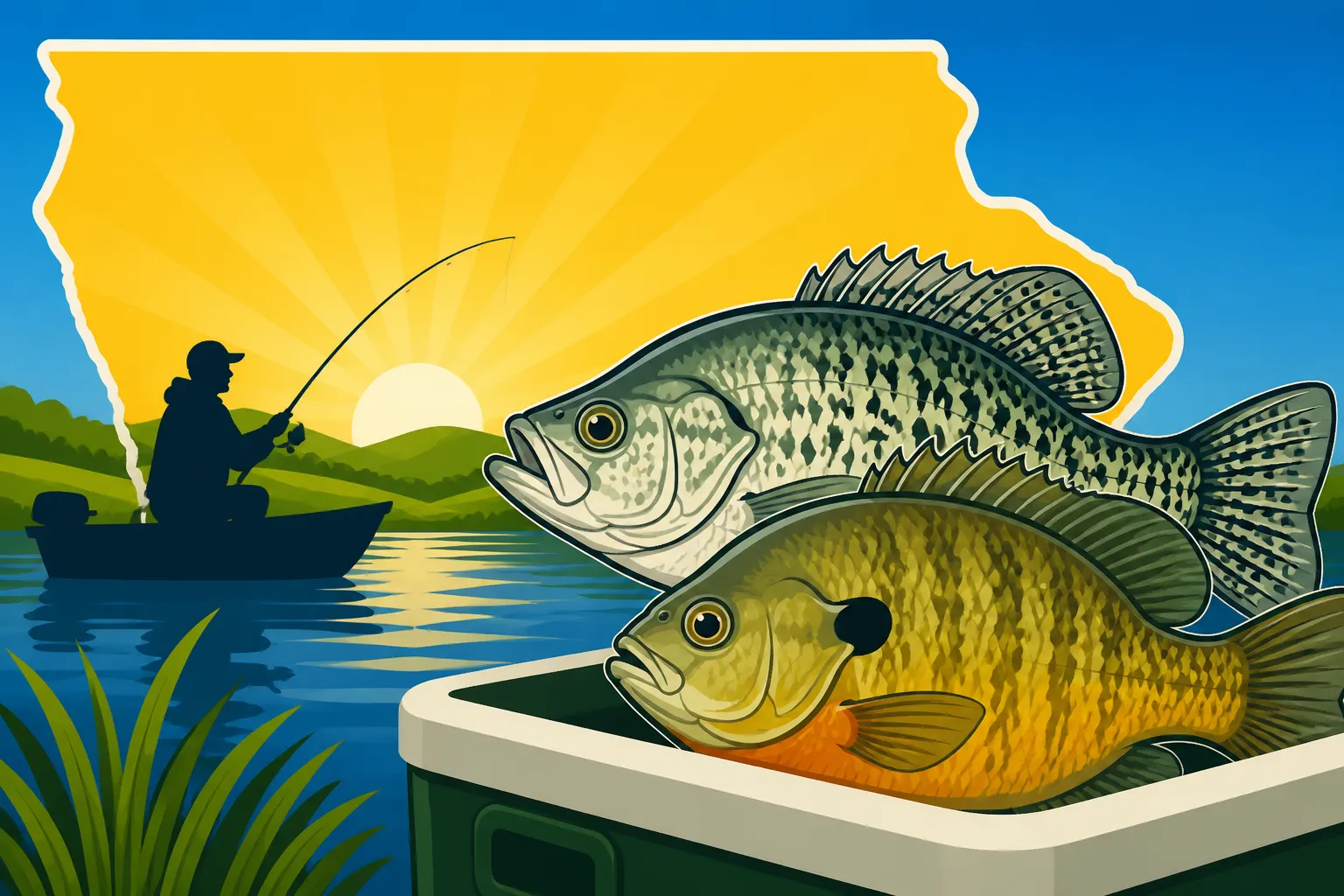
For crappie, the key difference between black crappie and white crappie is typically the dorsal fin spines: black crappie usually have 7-8 spines, while white crappie have 5-6. They also have different body patterns, with black crappie often appearing more speckled. For sunfish, bluegill are distinguished by a prominent black spot on the ear flap (operculum) and usually a black spot at the base of the dorsal fin. Green sunfish tend to have a larger mouth, yellowish fin margins, and sometimes iridescent blue streaks on their cheeks. If you're unsure, a good fish identification guide (many are available as waterproof cards or apps) can be invaluable. Being confident in your fish ID prevents accidental violations.
The Role of the Iowa DNR in Managing Panfish
The Iowa Department of Natural Resources plays a vital, ongoing role in ensuring healthy panfish populations. Their fisheries biologists conduct regular surveys, assess fish health, analyze angler harvest data, and manage habitat to create sustainable fishing opportunities. They are constantly monitoring our lakes and rivers, looking for signs of overpopulation, stunting, or declining numbers in various species.
Based on their scientific findings, the DNR makes informed decisions about stocking programs, habitat restoration projects (like installing brush piles for crappie or spawning beds for bluegill), and yes, setting and adjusting fishing regulations. These limits aren't arbitrary; they are carefully crafted tools designed to achieve specific ecological goals for each body of water. Supporting the DNR's efforts, whether by purchasing your fishing license annually or reporting violations, directly contributes to the future of Iowa fishing. Understanding their work helps us all be better stewards of our natural resources, ensuring that excellent panfish fishing remains a cornerstone of the Iowa angling experience.
How to Stay Informed and Compliant
The most frustrating part about fishing regulations is that they can change. What was true last year might be slightly different this year, making it crucial to stay on top of the latest rules.
Checking Current Regulations Before You Go
It sounds like a broken record, but it cannot be stressed enough: always check the current Iowa fishing regulations before every fishing season, and even before visiting a new body of water. Regulations can be updated annually, and special limits on specific lakes can be introduced or removed based on the DNR's ongoing management efforts. Getting caught off guard by a new regulation is a common pitfall, and ignorance of the law is never an excuse.
Think of it as part of your pre-trip checklist: rods, reels, tackle, bait, and a quick glance at the current regulations. This is especially true for panfish like crappie and sunfish, where special limits are frequently employed in smaller, more intensively managed lakes. A minute of preparation can save you a lot of hassle and potential fines later on. You can easily find the most up-to-date information on How to Check Current Iowa Fishing Regulations Online through the Iowa DNR's official website.
Where to Find the Official Iowa Fishing Regulations Booklet
The Iowa DNR provides a comprehensive fishing regulations booklet every year, and it’s an indispensable resource for every angler. This handy guide contains all the statewide regulations, specific rules for different water bodies, fish identification charts, and other crucial information. It’s available in several convenient places:
- Online: The easiest and quickest way is to download the PDF version directly from the Iowa DNR website. You can keep it on your phone or tablet for quick reference on the go.
- Local Bait and Tackle Shops: Most sporting goods stores, bait shops, and even some convenience stores that sell fishing licenses will have free physical copies of the booklet available at the beginning of each fishing season.
- DNR Offices: Iowa DNR offices across the state will also have copies.
Having a copy, whether digital or physical, readily accessible is the best way to ensure you're always informed. Many anglers even mark the pages relevant to their favorite fishing spots or target species for quick reference. It's truly your best friend out on the water. For more details, check out Fishing Regulations Booklet Where to Find It.
Consequences of Violating Limits
Nobody wants to get a ticket while enjoying their hobby, but violating fishing regulations, including daily bag or possession limits, can lead to serious consequences. These aren't just minor infractions; they are against the law, designed to protect our natural resources. The penalties for exceeding daily bag limits can vary depending on the severity of the violation, the number of fish over the limit, and whether it’s a first offense.
Typically, you could face fines, which can range from a few hundred dollars to more significant amounts. In some cases, particularly for egregious or repeated violations, it could even lead to the suspension of your fishing privileges. Additionally, any illegally harvested fish would be confiscated. Conservation officers are out there patrolling our waters, not just to catch people, but to enforce the rules that ensure sustainable fishing for everyone. It’s a stark reminder that understanding and adhering to regulations, like the Crappie Daily Limit in Iowa or Panfish Limit on the Mississippi River, is not just a suggestion but a legal obligation that helps preserve the sport we all love.
Disclaimer
Please remember that fishing regulations, including bag and possession limits, are subject to change. While this guide provides comprehensive information based on current general rules, it is solely for informational purposes. Always consult the official Iowa Department of Natural Resources (DNR) fishing regulations booklet or website for the most accurate and up-to-date rules before you go fishing. Your adherence to these regulations is crucial for the conservation of Iowa's fisheries.