Best Multi-Species Rod and Reel Setup for Iowa Lakes
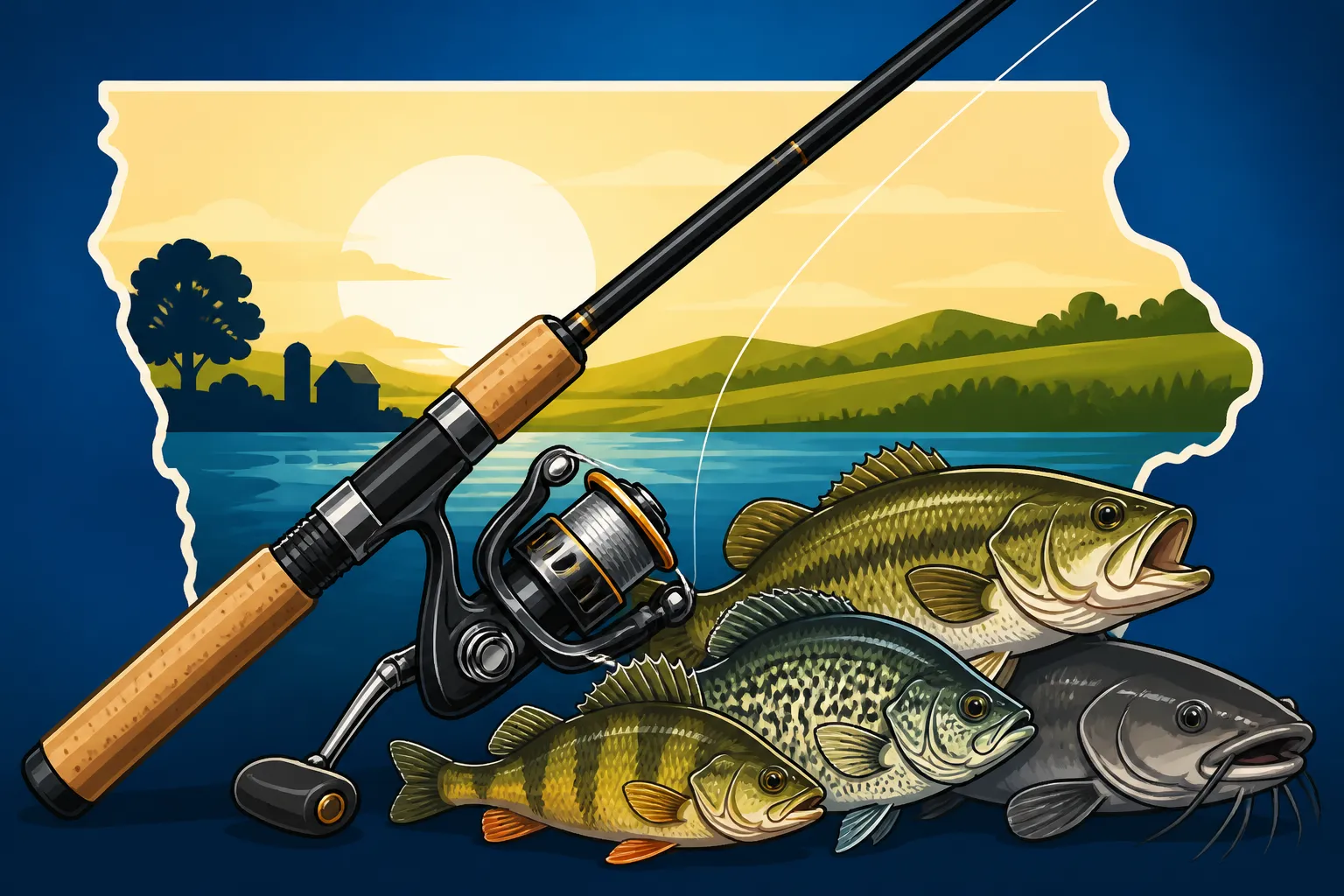
Oh, the age-old dilemma of the Iowa angler! You've got your heart set on catching some beautiful Clear Lake walleye, but then you spot a school of crappie in a brush pile, and suddenly you're wondering if your heavy walleye setup is just going to rip their delicate mouths. Or maybe you're out on Saylorville Reservoir, hoping for a monster flathead, but the bass are practically jumping into your boat. It's a real struggle trying to decide what gear to bring when Iowa's lakes offer such a smorgasbord of fantastic fishing opportunities. This guide is all about helping you cut through that confusion, showing you how to build a truly versatile, multi-species rod and reel setup that lets you chase almost anything swimming in our beloved Iowa lakes without needing a whole tackle shop in your boat.
Why a Multi-Species Setup is a Game Changer for Iowa Anglers
Let's be honest, we all love our fishing gear. But there's a fine line between having the right tool for the job and feeling like you need a separate rod for every single type of fish, every lure, and every technique imaginable. Iowa's waters are just too diverse to be so rigid! A multi-species setup isn't about compromising your fishing experience; it's about enhancing it, making you more adaptable and less burdened.
The Frustration of Over-Specialization
I've been there, staring at a dozen rods in the garage, each with a different purpose. There's the heavy-action jigging rod, the light-action panfish rod, the medium-heavy bass casting setup, the dedicated walleye trolling rig… it goes on and on. And for what? To cover every "what if" scenario? It's expensive, takes up an incredible amount of space, and honestly, it can be overwhelming. Imagine loading up your truck for a weekend trip to Lake Rathbun; you want to target crappie, but you know there are big channel catfish lurking, and you might even try for a walleye or two. Do you really want to haul five or six different rod and reel combos, plus all the specialized tackle for each? It's a logistical nightmare, especially if you're working with limited space in a kayak, a smaller jon boat, or simply fishing from shore. The sheer cost of acquiring and maintaining all that highly specialized equipment can also quickly add up, leaving less money for things like gas to get to your favorite spots or a new cooler to keep your catch fresh.
Versatility for Iowa's Diverse Waters
The beauty of Iowa fishing is its incredible variety. One day you might be exploring the vastness of the Mississippi River, and the next, you're on a tranquil farm pond. But even on a single lake, like the Iowa Great Lakes or Coralville Reservoir, you might find yourself switching targets throughout the day. A truly versatile setup means you can pitch a small jig for crappie and bluegill in the morning, then switch to a crankbait for largemouth bass later in the afternoon without having to re-rig a completely different rod. Maybe you're working a weed line for northern pike, and then decide to drop some cut bait down for catfish in a deeper hole. With the right multi-species setup, you're not locked into one technique or one target. This adaptability not only makes your fishing trips more efficient but also more exciting, allowing you to seize whatever opportunities the fish present you with. It empowers you to react to changing conditions, unexpected bites, or just a sudden whim to try for something different, all with the same reliable combo.
Saving Space and Money
This is where the rubber meets the road for many anglers. Not everyone has a fully rigged bass boat with dedicated rod lockers for a dozen rods. For those of us who fish from smaller craft, kayaks, or primarily from the bank, having one or two versatile setups is a lifesaver. Less gear means less to haul, less to store, and frankly, less to worry about. Imagine packing for a weekend camping trip near Saylorville Lake. Instead of trying to squeeze multiple bulky rod cases into an already packed vehicle, you can bring just a couple of well-chosen multi-species combos. This frees up precious space for other essentials – your cooler, tackle bags, camping gear, and maybe even a comfortable chair for those long waits by the water. And, of course, the financial savings are significant. Instead of investing in numerous high-end, species-specific rods and reels, you can put your money into one or two really good quality, versatile combos and still have funds left over for plenty of Best Lures for a Starter Tackle Box or a reliable supply of live bait.
Key Components of Your Multi-Species Rod
The rod itself is the backbone of your multi-species setup. Choosing the right length, power, and action will determine how well it handles different fish and techniques. It's all about finding that Goldilocks zone – not too heavy, not too light, but just right for a broad spectrum of Iowa's aquatic inhabitants.
Rod Length and Power: The Sweet Spot
When it comes to rod length for a multi-species setup on Iowa lakes, you're generally looking for something in the 6'6" to 7'0" range.
- 6'6" rods offer excellent accuracy for shorter casts, making them great for pitching jigs into tight spots or working around docks and submerged structure. They're also a bit more maneuverable in a kayak or smaller boat.
- 7'0" rods give you a bit more casting distance, which is handy when you need to cover more water or reach those farther-off weed lines or submerged humps. The extra length can also help with line management and fighting larger fish by providing more leverage.
For rod power, a medium-light to medium power is usually your best bet.
- Medium-light power offers fantastic sensitivity, which is crucial for detecting those subtle bites from crappie or light-biting walleye. It still has enough backbone to handle smaller bass and panfish effectively.
- Medium power provides more muscle, allowing you to cast heavier lures, set hooks firmly into larger bass or walleye, and really lean into a fighting catfish. It's a great all-around choice that won't feel completely overpowered by a panfish or completely underpowered by a decent bass. This power range also ensures that you can effectively work a variety of common Iowa lake lures, from small jigs to spinnerbaits and medium-sized crankbaits.
Rod Action for All Occasions
Rod action refers to where on the rod the bend occurs when pressure is applied. For a multi-species setup, you're typically aiming for a fast or moderate-fast action.
- A fast action rod means the rod bends mostly in the top third of its length. This gives you incredible sensitivity, allowing you to feel every bump and tick on the bottom when jigging for walleye or crappie. It also provides quick, powerful hook sets, which are essential for driving hooks into hard-mouthed fish like bass.
- A moderate-fast action rod bends from the middle to the tip. This action offers a slightly more forgiving bend, which can be beneficial when using treble hook lures like crankbaits, as it absorbs some of the shock of a fish striking, preventing hooks from tearing out. It also aids in casting a wider range of lure weights more smoothly.
The key is to strike a balance. A super-fast action might be too stiff for delicate crappie presentations, while a slow action might not give you the power for a strong bass hook set. A fast or moderate-fast action gives you the best of both worlds, offering enough sensitivity for subtle bites and sufficient power for assertive hook sets across various species.
Material Matters: Graphite vs. Composite
The material your rod is made from plays a huge role in its performance, weight, and feel.
- Graphite rods are known for their exceptional sensitivity and lightweight nature. This is a massive advantage when you need to feel the slightest nibble or the subtle texture of the lake bottom. For feeling that light walleye tap or a crappie inhaling a tiny jig, graphite is hard to beat. The downside can be that pure graphite rods can sometimes be more brittle and prone to breakage if mishandled or if you try to horse a really big fish.
- Composite rods (often a blend of graphite and fiberglass) offer a fantastic compromise. They retain a good level of sensitivity from the graphite but gain increased durability and a more forgiving, parabolic bend from the fiberglass. This blend is often ideal for a multi-species rod because it can withstand more abuse, is less prone to snapping, and still provides enough feel to detect most bites. Many anglers find the slightly slower recovery of a composite rod makes casting a wider range of lures feel smoother. For the varied conditions and fish sizes encountered in Iowa lakes, a high-quality composite or a mid-modulus graphite rod often hits the sweet spot.
Pairing the Perfect Reel for Versatility
Once you've got your rod picked out, the reel is the other half of your dynamic duo. For a multi-species setup, especially for Iowa lakes, the choice often comes down to one type that stands head and shoulders above the rest in terms of versatility and ease of use.
Spinning Reel: The Undisputed Champion for Versatility
Without a doubt, a spinning reel is generally the superior choice for a multi-species setup on Iowa lakes.
- Ease of Use: They are incredibly easy to cast, even with very light lures, which is a huge advantage when you're targeting panfish with tiny jigs or small plastics. This makes them excellent for beginners and seasoned anglers alike.
- Line Versatility: Spinning reels handle a wider range of line types and diameters effectively compared to baitcasting reels. You can easily spool them with light monofilament for clear water crappie, or a heavier braid for pulling bass out of heavy cover.
- Lure Weight Flexibility: They excel at casting both extremely light and moderately heavy lures, eliminating the need for a separate ultra-light setup for panfish.
When choosing a spinning reel size, look for something in the 2000 to 3000 series.
- A 2000 series reel is compact, light, and perfectly balanced for those lighter rods. It's fantastic for feeling those delicate bites and handling panfish and smaller bass.
- A 2500 or 3000 series reel offers a bit more line capacity, a stronger drag, and generally a more robust build, making it capable of handling larger walleye, beefier bass, and even respectable channel catfish without feeling underpowered. It strikes a fantastic balance for most of Iowa's popular lake species. Many major brands offer excellent models in these sizes that are durable and perform well.
Line Selection: A Crucial Decision
Your fishing line is the direct link between you and the fish, so choosing the right type and strength for a multi-species setup is incredibly important. You want something strong enough for bigger fish but subtle enough for the lighter bites.
- Braided Line with a Fluorocarbon Leader: This is my personal go-to for versatility. Spool your reel with 8-10 lb braided line. Braid offers incredible strength for its diameter, almost zero stretch for maximum sensitivity (you'll feel everything!), and it casts exceptionally well. The lack of stretch is amazing for long-distance hook sets, especially for walleye. However, braid is visible in clear water, so you'll want to tie on a 6-8 lb fluorocarbon leader. Fluorocarbon is nearly invisible underwater, extremely abrasion-resistant, and offers a bit of stretch for shock absorption. This combination gives you the best of both worlds: the strength and sensitivity of braid, plus the stealth and toughness of fluorocarbon. You can find a huge variety of quality braided lines and fluorocarbon leaders at places like Bass Pro Shops, where you can compare different brands and strengths to find what feels right for you.
- Monofilament Line: If you prefer simplicity, 8 lb high-quality monofilament can work. It's generally less expensive, has good knot strength, and its stretch can be forgiving, helping to prevent hooks from tearing out. However, it's not as sensitive as braid or fluorocarbon and is more visible underwater. It's still a perfectly viable option, especially for topwater presentations where the slight stretch can enhance the lure's action.
- Fluorocarbon Line: You could also spool entirely with 8 lb fluorocarbon. It's highly sensitive, almost invisible, and sinks well. The downside is it can be more prone to memory and stiffer on spinning reels, which might lead to more tangles or "wind knots" if not managed properly.
Drag System and Gear Ratio
These two often overlooked features are critical for a truly versatile reel.
- Drag System: A smooth, reliable drag system is non-negotiable. Whether you're fighting a feisty largemouth bass or a surprisingly strong crappie, a consistent drag prevents line breaks and lost fish. Ensure the reel you choose has a reputable, easily adjustable drag. A good drag will let line out smoothly under pressure, without sticking or jerking, protecting your lighter leaders when a bigger fish decides to make a run.
- Gear Ratio: This determines how fast your line is retrieved per crank of the handle. For a multi-species setup, aim for a moderate gear ratio, typically in the 5.2:1 to 6.2:1 range.
- A 5.2:1 ratio is a bit slower but offers more cranking power, which is excellent for retrieving larger, harder-pulling crankbaits or battling bigger fish. It's also good for slower presentations like bottom-bouncing for walleye or subtle jigging.
- A 6.2:1 ratio is faster, making it efficient for quickly picking up slack, working topwater lures, or reeling in a fish from a distance. It's a great all-around speed for most Iowa lake techniques, allowing you to adapt your retrieve speed as needed. Avoid extremely fast or slow ratios; the moderate range provides the versatility you need to handle various lures and fish species effectively.
Recommended Multi-Species Setups and Practical Tips
So, what does this all boil down to in terms of a concrete setup? Let's put it all together and then talk about how to get the most out of your versatile combo on the water.
The "Go-To" Setup: Rod and Reel Combination
Based on everything we've discussed, here's a highly recommended "go-to" multi-species rod and reel setup that will serve you well across countless Iowa lakes:
- Rod: A 6'9" to 7'0" spinning rod, with a medium-light to medium power and a fast or moderate-fast action. Look for a high-quality graphite or composite blend to get the best of sensitivity and durability. A good example might be something in the St. Croix Bass X or Fenwick HMG series, but many brands offer excellent options in this configuration.
- Reel: A 2500 to 3000 series spinning reel. Look for a smooth drag system and a gear ratio between 5.2:1 and 6.2:1. Shimano Sedona, Daiwa Regal, or Penn Battle are examples of reels that offer excellent performance and reliability for their price point.
- Line: Spool your reel with 8-10 lb braided main line (like PowerPro or Sufix 832). Then, tie on a 6-8 lb fluorocarbon leader (about 3-5 feet long) using a strong knot like an FG knot or an Alberto knot. This combination is incredibly effective for nearly all situations you'll encounter on an Iowa lake, from How to Catch Walleye in Iowa to How to Catch Crappie in Iowa. You can purchase all of these components with ease from a large online retailer like Amazon or your favorite local tackle shop.
Tailoring Your Tackle for Iowa Lakes
Having the right rod and reel is only half the battle; you also need versatile tackle that works with it. With your multi-species setup, you can effectively present a wide array of lures and baits:
- Jigs: Keep a selection of 1/16 oz to 1/4 oz jig heads. Pair these with soft plastic grubs, paddle tails, or tube baits for crappie, bluegill, and even walleye. Don't forget a few hair jigs for clear water walleye.
- Crankbaits: Small to medium-sized crankbaits (diving 3-8 feet) are fantastic for bass and walleye. Lipless crankbaits also cover a lot of water and draw strikes.
- Spinnerbaits/Chatterbaits: 1/4 oz to 3/8 oz spinnerbaits are bass magnets and can also pick up aggressive walleye or northern pike.
- Soft Plastics: Wacky-rigged Senkos, Texas-rigged worms, or creature baits are incredibly effective for bass, and small swimbaits can entice walleye and pike.
- Live Bait: Don't forget about live bait! Your multi-species setup is perfect for drifting a minnow under a slip bobber for walleye or crappie, or soaking a nightcrawler on the bottom for catfish. This setup handles the weight of a sinker and a bait hook with no problem.
Consider a diverse tackle box that includes a few options for different depths and presentations. This allows you to quickly adapt whether you're fishing shallow weed beds for bass in Big Creek Lake or deeper structure for walleye at Clear Lake. This setup gives you the flexibility to easily swap lures and adapt to what the fish are telling you on any given day. If you are specifically interested in Best Tackle for Iowa Fishing, there are many resources that can help you round out your collection.
Maintenance for Longevity
Even the most versatile setup needs a little love to keep performing its best.
- Rinse Your Gear: After each trip, especially if you've been around sandy or muddy shores, give your rod and reel a quick rinse with fresh water. This helps remove dirt, grime, and any corrosive elements that could damage your equipment over time. Make sure to let it air dry completely.
- Check Guides and Cork: Periodically inspect your rod guides for cracks or sharp edges that could fray your line. Also, check the cork or foam handle for any damage.
- Lubricate Your Reel: Once or twice a season, or more often if you fish frequently, apply a small amount of reel oil to moving parts and grease to the gears. This keeps your drag smooth and the reel operating silently. You can find excellent reel lubricants and cleaning kits at most tackle stores.
- Replace Line: Braided line is very durable, but leaders will need to be replaced after a few fishing trips or if they show signs of abrasion. If you're using monofilament or fluorocarbon as your main line, it's a good idea to replace it every season, as these lines can develop memory and lose strength over time. Proper maintenance ensures your go-to combo will last for many seasons of successful Iowa Fishing Techniques Guide adventures.
| Feature | Recommended Specification | Why it Works for Multi-Species |
|---|---|---|
| Rod Length | 6'9" to 7'0" | Balances casting distance for open water with accuracy for close quarters. |
| Rod Power | Medium-Light to Medium | Sensitive enough for panfish and walleye, strong enough for bass and smaller catfish. |
| Rod Action | Fast to Moderate-Fast | Provides excellent sensitivity for subtle bites and strong hook sets across various species and lure types. |
| Rod Material | High-Quality Graphite or Composite Blend | Offers a blend of sensitivity (graphite) and durability (composite/fiberglass) to withstand diverse fishing conditions. |
| Reel Type | Spinning Reel | Easiest to cast a wide range of lure weights, handles diverse line types, user-friendly. |
| Reel Size | 2500 to 3000 Series | Optimal balance of line capacity, drag power, and weight for most Iowa lake species. |
| Line (Main) | 8-10 lb Braided Line | Incredible strength, minimal stretch for sensitivity, excellent casting. |
| Line (Leader) | 6-8 lb Fluorocarbon (3-5 ft) | Nearly invisible, abrasion resistant, provides shock absorption, stealth for wary fish. |
| Gear Ratio | 5.2:1 to 6.2:1 | Versatile retrieve speed for various lure types and presentations, balanced power and speed. |
Disclaimer
This article is for general informational purposes only and does not constitute professional advice. Laws, prices and regulations vary by location and change over time. Consult a qualified professional for guidance on your specific situation.