Best Rod Holder for Bank Fishing on Iowa Rivers
There’s nothing quite like the tranquility, and sometimes the sheer thrill, of bank fishing on one of Iowa's beautiful rivers. But anyone who’s spent time battling the current, fumbling with bait, or trying to manage multiple lines knows the struggle: how do you keep your rod secure, accessible, and safe from being yanked into the water by a hard-hitting channel cat? A good rod holder isn't just a luxury; it's a necessity for a successful and stress-free day on the riverbank. This guide will help you navigate the options and find the perfect rod holder to elevate your Iowa river fishing experience.
The Bank Angler's Dilemma: Why a Rod Holder is Essential for Iowa Rivers
Picture this: you've got your bait perfectly set, cast out into the eddy, and now you're trying to re-tie another rig or grab a snack. Where does the rod go? Leaning it against a tree is a recipe for disaster, especially with Iowa's often swift river currents and powerful fish. That's where a dedicated rod holder comes into play, offering a stable and secure solution that protects your gear and enhances your angling efficiency.
Battling the Current and Debris
Iowa's rivers, whether it's the Des Moines, the Iowa, or even the mighty Mississippi, can have surprisingly strong currents. These currents aren't just a challenge for your line; they also carry debris like logs, branches, and weeds that can snag your line and put sudden pressure on your rod. A rod resting precariously on the bank could be pulled in by a strong snag, or worse, by a big fish. A sturdy rod holder keeps your rod elevated and firmly anchored, making it less susceptible to being dragged away by external forces. It acts as your silent sentry, always vigilant against the river's unpredictable nature.
Imagine you're targeting flathead catfish in a deeper bend of the Des Moines River. You've got a heavy sinker and a chunk of cut bait out there, and the current is doing its best to pull your line downstream. Without a reliable rod holder, you'd be constantly holding onto your rod, exhausting yourself and distracting from the overall experience. A strong holder digs into the bank, absorbing the constant tug of the current, so your rod stays put until you're ready to pick it up. This security is particularly vital when you're using heavier weights and larger baits, common for species like catfish.
Comfort and Convenience on the Bank
Let’s be honest, fishing should be relaxing. Constantly holding a rod, especially when waiting for a bite that might take a while, can quickly become tiresome. A good rod holder provides a hands-free solution, allowing you to kick back, observe your surroundings, or attend to other tasks. You can monitor multiple lines more effectively, prepare new baits, or simply enjoy the peace of the riverbank without arm fatigue. This convenience is a game-changer for long fishing sessions, ensuring you remain comfortable and focused.
Think about a warm summer evening fishing for channel catfish. You might have two or three lines out, each strategically placed. Trying to juggle all those rods, bait buckets, and tackle boxes by hand is a logistical nightmare. With dedicated rod holders, each rod has its own secure spot. You can bait a hook, check your phone, or simply stretch your legs, knowing your rods are standing guard. It's about making your time on the water more enjoyable and less about wrestling with your gear. This freedom allows you to fully immerse yourself in the experience.
Protecting Your Prized Gear
Fishing rods and reels aren't cheap, and the last thing any angler wants is to see their expensive setup tumble into the muddy depths of an Iowa river. A rod holder lifts your rod off the ground, keeping it out of the dirt, mud, and water that can damage reels and clog rod guides. More importantly, it prevents the rod from being dragged or pulled into the water when a fish strikes unexpectedly. This protection extends the life of your equipment and saves you the heartache and cost of replacing lost gear.
Consider a scenario where a powerful walleye or a hard-fighting carp unexpectedly hits your line. If your rod is just leaning against a rock, that sudden, violent tug could send it flying into the water before you even have a chance to react. A well-designed rod holder will absorb that initial shock and keep your rod firmly planted, giving you those crucial extra seconds to grab it and set the hook. It's an investment in the longevity and safety of your tackle. Investing in a quality rod holder means you're investing in your gear's future, ensuring many more fishing trips to come. For more on protecting your gear, check out our Iowa Fishing Gear Guide.
Types of Rod Holders Perfect for Iowa River Banks
When you're looking for a rod holder for river bank fishing, you'll find a few main types, each with its own advantages. The best choice often depends on the type of bank you're fishing, the species you're targeting, and your personal preference for portability and stability.
The Classic Bank Stick/Spike Rod Holder
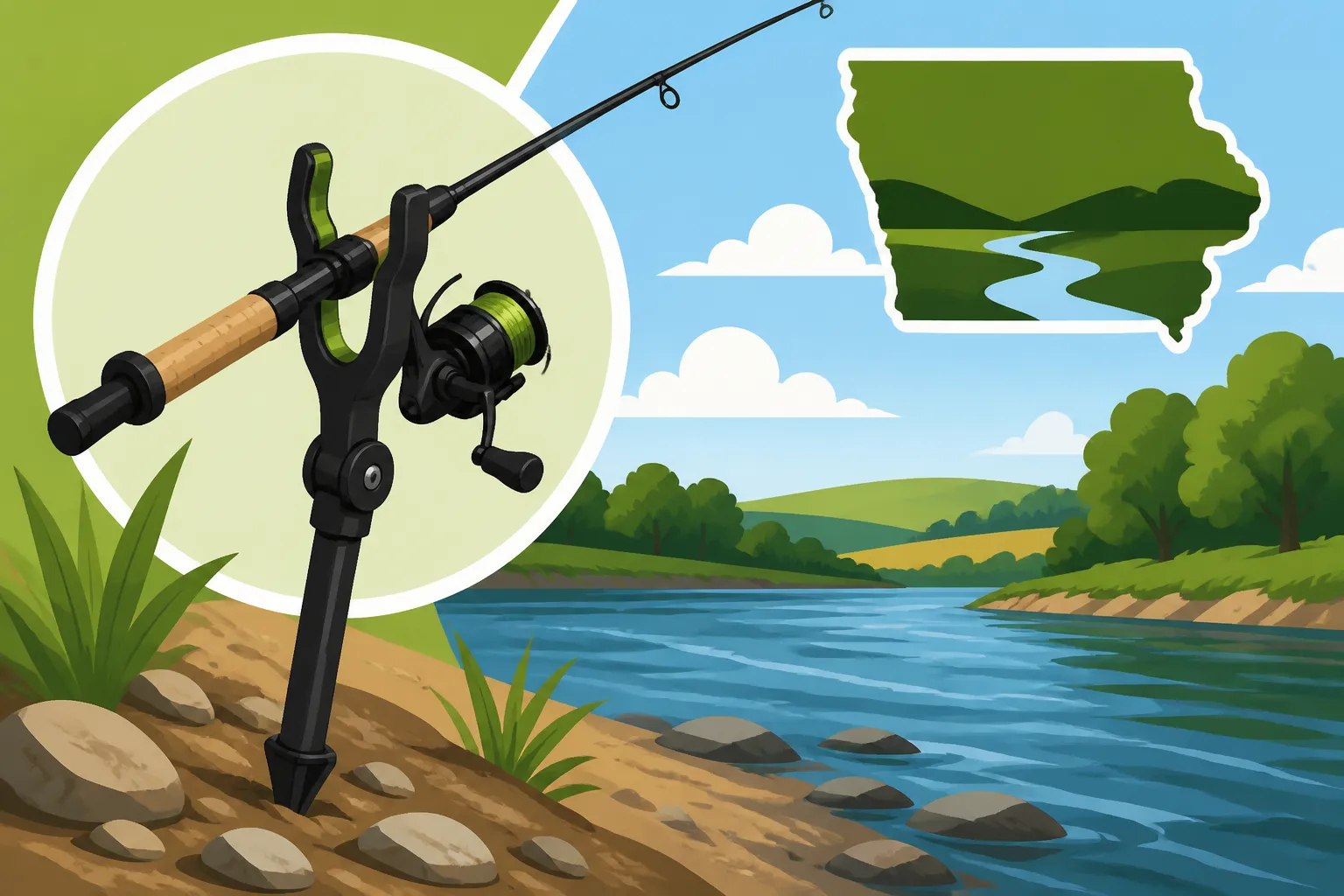
This is probably the most common and versatile type of rod holder for bank fishing, and for good reason. A bank stick, often made of metal, features a pointed end that you drive into the ground and a cup or cradle at the top to hold your rod. They are simple, lightweight, and very effective for most types of river banks, especially those with softer soil. You can find them in various lengths, and many are adjustable, allowing you to set the rod at the perfect height and angle.
The beauty of a bank stick lies in its simplicity and adaptability. If you're fishing a sandy bank on the Mississippi or a muddy stretch of the Raccoon River, a bank stick will sink in easily and provide a surprisingly secure anchor. For heavier setups, like those used for How to Catch Catfish in Iowa, you might want a thicker, more robust stick that can withstand powerful runs. You can often buy them individually, allowing you to mix and match for a multi-rod setup. Brands like Bass Pro Shops offer a wide range of these, from basic aluminum spikes to more heavy-duty steel options.
- Pros: Lightweight, portable, inexpensive, easy to set up on most banks, allows for fine-tuning of rod angle.
- Cons: Less stable on very rocky or hard-packed ground, can be pulled out by extremely powerful fish if not set deep enough.
Tripod and Quadpod Rod Holders for Stability
For anglers who prioritize maximum stability, especially when fishing on uneven terrain, harder ground, or using multiple heavy rods, tripod or quadpod rod holders are an excellent choice. These units stand on multiple legs, distributing weight and creating a very stable platform. While they are generally bulkier and heavier than bank sticks, their enhanced stability can be invaluable, particularly when fishing for larger species or when expecting aggressive bites.
Imagine you're on a less forgiving bank, perhaps with a mix of gravel and packed dirt, or you're running three stout rods hoping for a trophy flathead. A tripod or quadpod holder provides a solid base that single bank sticks might struggle to achieve. Some models feature adjustable legs to level out on sloped banks, and many have multiple rod cradles, allowing you to keep several rods secure in one central location. This setup is fantastic for keeping all your lines in a tight, manageable area, perfect for a dedicated catfish or carp session. They are often available from retailers like Amazon, offering a variety of sizes and materials to suit different angling styles.
- Pros: Superior stability, excellent for multiple rods, handles hard or uneven ground better, less likely to be pulled over by large fish.
- Cons: Heavier and bulkier to transport, can be more expensive, takes up more space on the bank.
Specialized Rod Holders for Specific Scenarios
Beyond the common bank stick and tripod, there are a few specialized rod holders that might appeal to certain river anglers or niche situations. These often address specific needs or offer unique benefits.
- Driftmaster or other "spider rig" style holders: While often associated with crappie fishing from boats, some anglers adapt these heavy-duty, multi-angle holders for bank fishing, especially when targeting catfish or other large species where maximum rod security is paramount. These are usually mounted to a stable base or a heavy-duty stake that can be hammered deep into the ground. They allow for very precise rod angle adjustments and are incredibly robust.
- Bucket-style rod holders: These are less common for river banks but can be useful in certain conditions. Essentially, they are rod holders that attach to or integrate with a 5-gallon bucket. The bucket can then be filled with rocks or sand for ballast, providing a heavy, stable base. This might be a good option if the ground is too hard to spike a traditional bank stick, but you have access to plenty of heavy material to fill the bucket.
- Rod holders with bite alarms: For serious overnight or long-session anglers, especially those targeting carp or large catfish, some rod holders come integrated with electronic bite alarms. These clever devices attach to your rod and emit an audible signal when a fish takes the bait, allowing you to relax while still being alerted to a strike. This combination is particularly popular in European carp fishing but is gaining traction among dedicated anglers in Iowa's rivers. If you're considering Night Fishing Rules for Anglers, an alarm-equipped rod holder can be a game changer.
Key Features to Look for in a River Bank Rod Holder
Choosing the right rod holder involves more than just picking a type; it's about evaluating its construction, versatility, and ease of use to ensure it meets the demands of Iowa river fishing.
Material and Durability: Standing Up to Iowa's Elements
The materials used in a rod holder are crucial for its longevity and performance, especially given Iowa's varied weather conditions. You want something that can withstand mud, water, sun, and perhaps even some accidental knocks.
- Steel: Many heavy-duty bank sticks and tripods are made from steel, often with a powder-coated or galvanized finish to resist rust. Steel offers excellent strength and durability, making it ideal for holding stout rods against strong currents and powerful fish. If you’re targeting trophy catfish, a solid steel holder is often the best bet. Just make sure it has a good rust-resistant coating, as river environments can be harsh.
- Aluminum: Lighter than steel, aluminum rod holders are popular for their portability and corrosion resistance. They are a great choice for lighter to medium setups and for anglers who hike to their fishing spots. While not as inherently strong as steel, thicker aluminum constructions can still provide plenty of stability for most river fishing applications.
- Plastic/Composite: Some rod holders feature plastic components, especially the cradles or rod rests themselves. High-quality, UV-resistant plastics are fine for these parts, as they are often gentler on your rod blanks than bare metal. However, avoid holders where critical weight-bearing or ground-penetrating components are made of flimsy plastic, as these can break under stress.
- Finish: Always look for a good finish that protects the metal from the elements. Powder coating, anodizing, or galvanization will extend the life of your rod holder significantly, preventing rust and corrosion from river water and mud. A quality finish ensures your holder will continue to serve you for many seasons.
Adjustability and Versatility
A truly great rod holder for river bank fishing offers a degree of adjustability, allowing you to adapt to different bank conditions, rod lengths, and fishing techniques.
- Height Adjustment: Being able to raise or lower your rod is incredibly useful. You might want to point your rod tip high to keep more line out of the current or lower it closer to the water to minimize wind interference. Many bank sticks and tripods feature telescoping sections or adjustable collars that let you quickly change the height. This adaptability ensures your rod is always at the optimal angle for your fishing situation, whether you're trying to keep a tight line for light bites or letting out slack for a free-drifting bait.
- Angle Adjustment: Some rod holders allow you to adjust the angle at which your rod sits, from nearly horizontal to almost vertical. This is fantastic for fine-tuning your presentation. For instance, if you're trying to let your bait drift slowly downstream, a more horizontal rod might be better. If you're waiting for a hard-hitting fish and want minimal slack, a more vertical angle can help with hook sets. Look for models with a pivot point or a ratcheting mechanism that locks the rod at various angles.
- Rod Compatibility: Check that the rod holder's cradle or cup can comfortably accommodate the handle of your fishing rod. Some holders are designed for specific rod handle diameters, while others have more universal designs. You want a snug fit that prevents your rod from wobbling but isn't so tight that it's difficult to remove quickly. Also, consider the length of your rod handle; some shorter cradles might not support longer handles effectively. For example, if you're using a longer Best Rod for Catfish Fishing, ensure the holder can properly support its length and weight.
Portability and Ease of Setup
River fishing often involves moving around to find the best spots, so your rod holder should be easy to transport and quick to deploy.
- Weight and Packability: If you're hiking to a remote stretch of the Upper Iowa River or walking along a levee on the Cedar, a lightweight and compact rod holder is a huge plus. Bank sticks generally excel here, often fitting easily into a backpack or strapped to a tackle bag. Tripods, while more stable, will naturally be heavier and take up more space. Consider how far you typically walk to your spots and choose accordingly.
- Quick Setup and Breakdown: Time on the water is precious, so you don't want to spend ages fiddling with your gear. A good rod holder should be intuitive to set up and take down. Bank sticks simply push into the ground. Tripods might involve unfolding legs and securing pins. Practice setting it up at home once or twice so you're efficient when you get to the river. The quicker you can deploy your gear, the sooner you can get your lines in the water.
| Rod Holder Type | Pros | Cons | Best Use Case |
|---|---|---|---|
| Bank Stick/Spike | Lightweight, portable, affordable, easy to adjust angle. | Less stable on hard/rocky ground, can be pulled out by strong fish. | Softer banks, light to medium setups, mobile anglers. |
| Tripod/Quadpod | Very stable, good for multiple rods, handles uneven terrain. | Bulkier, heavier, more expensive. | Harder banks, heavy setups, multiple rods, stationary fishing. |
| Specialized (e.g., Spider Rig) | Extremely robust, precise angle control, often multi-rod. | Very heavy, often requires specific mounting, less portable. | Dedicated heavy catfish/carp fishing, fixed spots. |
Setting Up Your Rod Holder for Success on Iowa Rivers
Having the right rod holder is only half the battle; knowing how to properly set it up can make all the difference in securing your gear and improving your chances of landing a fish.
Choosing the Right Spot
The location of your rod holder on the bank is just as important as the holder itself. You need to consider the ground conditions, your proximity to the water, and the fishing situation.
- Ground Composition: Look for stable ground. If using a bank stick, aim for an area where the spike can penetrate deep enough to be secure, ideally 8-12 inches or more, depending on the stick's length. Avoid loose soil, gravel, or rocky areas that won't provide a firm anchor. For tripods, find a relatively flat spot where all legs can make solid contact with the ground.
- Proximity to Water: Set your rod holder close enough to the water to easily reach your rod for casting and retrieving, but far enough back that rising water or bank erosion won't compromise its stability. You don't want your rod tip hitting the water unless you intend for it to be there, and you certainly don't want a rogue wave or current surge to wash your holder away. Also, consider any snags in the water directly in front of you. A good rule of thumb is to allow enough room to comfortably work around your rods.
- Clearance: Ensure there are no obstacles directly behind or above your rod holder that could interfere with your cast or prevent you from quickly pulling back on the rod when setting the hook. Low-hanging branches or dense brush can be a real nuisance.
Angle and Security: Keeping Your Rod Safe
The angle at which you position your rod and the security of the holder are critical for preventing lost gear and maximizing your fishing efficiency.
- Rod Angle for Current: When fishing in river currents, angling your rod upstream at about a 45-degree angle can help keep more line out of the strongest current, reducing drag and making it easier to detect bites. Alternatively, if you're trying to allow your bait to slowly drift downstream, a more horizontal angle might be preferred. Experiment with what works best for your specific spot and bait presentation.
- Securing the Holder: For bank sticks, drive them firmly into the ground. Don't just push; use your foot or a rubber mallet to ensure they are deeply seated. For tripods, spread the legs wide and ensure they are stable. If the ground is soft, you can sometimes push the legs in slightly for added grip. Always give the rod holder a good tug to test its stability before placing your valuable rod in it.
- Rod Placement in the Holder: Make sure your rod is seated securely in the cradle. It should be easy to remove quickly for a strike, but not so loose that it can be jostled out by wind or minor bumps. Some rod holders have a locking mechanism or a deeper V-shape to prevent the rod from being accidentally pulled out forward by a hard strike. You need to be able to grab your rod without fumbling when a fish decides to take your bait. For methods like bottom fishing, where you often just watch the rod tip for a subtle bend, security is paramount.
Multi-Rod Setups for River Tactics
Many Iowa river anglers enjoy fishing with multiple rods, especially when targeting species like catfish or carp that require patience. A good rod holder strategy makes this much more manageable. You can typically use How Many Fishing Poles You Can Use in Iowa as a guideline.
- Spacing: If using multiple bank sticks, space them far enough apart to prevent your lines from tangling and to give you room to maneuver each rod independently. A general rule of thumb is to have at least 5-10 feet between each rod, depending on the width of the river and the reach of your casts. This also gives you clear access to each rod when you get a bite.
- Varying Angles: When using multiple rods, consider varying their angles and cast distances. This allows you to cover more water and present your baits at different depths and in different current lanes. One rod might be angled upstream to hold bait in a seam, while another might be aimed slightly downstream to allow for a natural drift.
- Consolidated Setup: If using a multi-rod tripod or quadpod, position it centrally to your fishing zone. This allows you to quickly access any rod that gets a bite. Having your tackle box, bait, and other essentials within easy reach of this central point will streamline your fishing process, making re-baiting and re-rigging much more efficient. For comprehensive advice on keeping your essentials organized, check out our Best Tackle for Bank Fishing on Iowa Rivers guide.
By thoughtfully selecting and strategically deploying your rod holder, you'll not only protect your valuable fishing gear but also enhance your overall enjoyment and success while bank fishing on Iowa's dynamic rivers.
Disclaimer
This article is for general informational purposes only and does not constitute professional advice. Laws, prices and regulations vary by location and change over time. Consult a qualified professional for guidance on your specific situation.