Do You Need a Livewell for Bass Fishing?
One of the trickiest questions many Iowa bass anglers grapple with, especially when they're getting more serious about their passion, is whether they truly need a livewell. It's a valid concern, as boats equipped with built-in livewells often come with a heftier price tag, and adding one later can be a project. This guide aims to unpack this question, helping you understand the role of a livewell in bass fishing, when it's essential, and what alternatives exist, so you can make the best decision for your angling adventures on Iowa's beautiful waters.
What is a Livewell and Its Primary Role?
At its core, a livewell is a tank or compartment on a boat designed to keep fish alive and healthy after they're caught, typically before being released or weighed in at a tournament. Think of it as a temporary aquatic hotel for your catch. It's not just a tub of water; a proper livewell system is equipped to circulate fresh water, aerate it to maintain oxygen levels, and often includes features to regulate temperature. This careful balance is crucial because, unlike many other species, bass can be quite sensitive to stress and changes in their environment once removed from the water.
The Basic Mechanics of a Livewell System
A standard livewell system involves several key components. First, there's the tank itself, usually molded into the boat's design, often insulated. Then, you have pumps: a fill pump to bring fresh lake or river water into the livewell, and a recirculation pump that continuously moves the water within the tank, usually through a filter. Aeration is critical, often achieved through a spray bar that introduces oxygen as the water is recirculated, or via an air pump with an airstone. Some advanced systems even have temperature controls or oxygen injection systems. The goal is to mimic the fish's natural environment as closely as possible, reducing stress and mortality, which is especially important for Largemouth Bass Fishing in Iowa and Smallmouth Bass Fishing in Iowa.
Beyond Tournaments: Other Reasons for Using a Livewell
While livewells are synonymous with competitive bass fishing, their utility extends beyond the tournament circuit. For the recreational angler who genuinely cares about the well-being of the fish, a livewell offers a responsible way to practice catch-and-release, particularly on hot days or when fish are handled multiple times for photos. It allows you to stabilize a fish after a tough fight, giving it a better chance of survival upon release. It also comes in handy if you're taking a child fishing and they want to show off their catch to family members back at the ramp before gently letting it go. It's about conservation and respect for the resource, ensuring that the fish you release are strong enough to thrive.
When a Livewell Becomes a "Must-Have" for Iowa Bass Anglers
There are definitely situations where a livewell isn't just a nice-to-have, but a crucial piece of equipment. Ignoring these scenarios could lead to dead fish, penalties, or simply a less enjoyable fishing experience.
Tournament Fishing: The Non-Negotiable Scenario
If you have any aspirations of competitive bass fishing in Iowa, whether it's local club tournaments or larger regional events, a functional livewell is absolutely non-negotiable. Tournament rules almost universally require you to keep your catch alive and healthy until weigh-in. Dead fish often result in significant penalties, sometimes even disqualification. The emphasis on live release is paramount in bass tournaments, reflecting the sport's commitment to conservation. Without a reliable livewell, you simply cannot compete effectively. Imagine landing a trophy bass, only for it to expire before weigh-in because your holding system wasn't up to par. That's a heartache no angler wants to experience. This is why dedicated bass boats are always equipped with state-of-the-art livewell systems, often with dual tanks to separate fish or manage different bag limits.
Extended Catch-and-Release Practices and Fish Health
Even if you're not competing, a livewell can be incredibly beneficial for responsible catch-and-release, especially during certain times of the year or in specific conditions. On scorching summer days, when surface water temperatures in Iowa lakes like Clear Lake or Saylorville Reservoir can climb, bass are already stressed. Landing a fish, taking a few photos, and then immediately releasing it might seem fine, but a brief stint in a properly maintained livewell can give it time to recover before swimming off. This is particularly true if you're fishing in deeper water and bringing fish up from significant depths, where they might experience barotrauma. A livewell allows for a slower, more controlled re-acclimation if needed, improving the chances of survival for those prize fish you hope to catch again someday.
Transporting Fish: Legalities and Logistics
Beyond competitive fishing and pure conservation, a livewell can be necessary if you intend to transport live fish for any reason. For instance, if you're fishing on private property and want to move legal-sized bass to another pond on your property to enhance its population, a livewell is the safest and most compliant way to do so. However, always double-check Iowa Fishing Regulations Explained regarding the transport of live fish, as there are often specific rules to prevent the spread of aquatic invasive species. Improper transportation can lead to fines and harm local ecosystems. A livewell ensures that if you do transport fish, they arrive at their destination alive and in good health, ready to adapt to their new home.
Practical Alternatives to a Built-In Livewell
Okay, so maybe a dedicated, built-in livewell isn't in the cards for your current boat or budget. Does that mean you can't enjoy bass fishing in Iowa? Absolutely not! There are plenty of fantastic Best Boats for Iowa Fishing that might not have a livewell, and various ways to manage your catch effectively without one.
Portable Aerated Coolers and Their Effectiveness
One of the most popular and effective alternatives to a built-in livewell is a portable aerated cooler. Many anglers swear by these, especially those fishing from smaller boats, kayaks, or even from shore with a desire to keep a fish alive for a short period. These setups typically involve a quality cooler (which helps with insulation to maintain water temperature), a small battery-powered air pump, and an airstone placed inside the cooler. You simply fill the cooler with lake water, add your fish, and turn on the aerator.
Brands like Bass Pro Shops and Amazon offer a wide array of options for these setups, from complete kits to individual components. You can pick up an aerator pump for a very reasonable price and pair it with a good quality cooler. This solution is incredibly flexible: you can take it from boat to bank, easily clean it, and only use it when needed. While it might not offer the same capacity or sophisticated filtration as a permanent livewell, for a few bass for a short period, it's a perfectly viable option and a great way to ensure Best Cooler for Keeping Fish Fresh while keeping fish alive.
Stringers and Creels: Are They Viable for Bass?
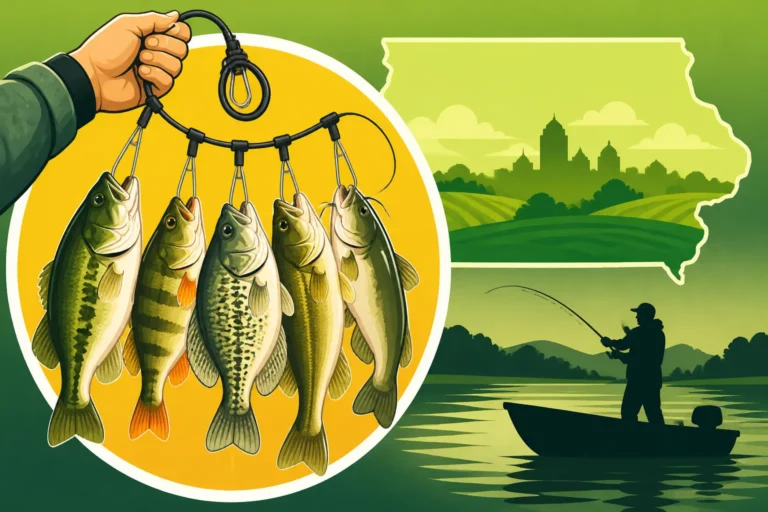
Traditional stringers and creels have been used by anglers for centuries, and they still have their place, but typically not for bass that you intend to release alive. Stringers involve running a rope or chain through the fish's gill plate and out its mouth, then tying it to the boat or bank, keeping the fish submerged. While they keep fish "alive" for a while, they can cause significant stress, injury, and scale damage, making them unsuitable for catch-and-release where fish health is paramount. The fish is often tethered, unable to move freely, and can become easy prey for predators.
Creels, on the other hand, are baskets designed to hold fish, often used by trout anglers. While they keep fish confined, they don't provide a continuous supply of fresh, oxygenated water. For bass, especially larger ones, a creel is not a suitable option for keeping them alive. They will quickly deplete the oxygen in the small amount of water present and perish from lack of oxygen and overheating. So, for bass, especially if your goal is to release them healthy, stick to livewells or aerated coolers.
Immediate Release: The Simplest Option
For many recreational bass anglers, the simplest and often best alternative is immediate release. If you're not fishing a tournament, not planning to transport fish, and not terribly concerned with showing off every catch back at the dock, then practicing immediate, careful release is perfectly acceptable and often the least stressful option for the fish.
When you catch a bass, handle it gently, minimize its time out of water, remove the hook quickly (barbless hooks help!), and gently place it back into the water, allowing it to swim away on its own power. Avoid dropping it from a height or tossing it back carelessly. A quick photo, if desired, should be done with wet hands and supporting the fish horizontally. This method works well for those who primarily fish for sport and want to ensure the fish population remains robust for future generations. This is a crucial technique covered in How to Catch Bass in Iowa for responsible angling.
Important Considerations Before You Get a Livewell
Deciding whether to add a livewell, or purchase a boat that has one, involves more than just thinking about fish. It's an investment of time, money, and space.
Cost and Maintenance of a Livewell System
A built-in livewell system can be a significant upfront cost, especially if you're looking at a new boat. Even aftermarket installations can be pricey, involving cutting into the hull, plumbing, electrical work, and pump installation. Beyond the initial cost, there's ongoing maintenance. Pumps can fail, filters need cleaning or replacement, and hoses can leak. You'll also need a reliable battery system to power the pumps, particularly if you're out on the water for extended periods.
For tournament anglers, the cost is simply part of the game. For casual anglers, however, it's worth weighing whether the expense and upkeep justify the occasional need. A portable aerated cooler, as discussed, provides a much more budget-friendly and lower-maintenance entry point into keeping fish alive, allowing you to try out the concept before committing to a permanent solution.
Boat Size and Type Compatibility
Not every boat is designed for a livewell. Dedicated bass boats, obviously, come with excellent systems. However, if you have a smaller jon boat, an aluminum utility boat, or a multi-species craft, adding a livewell might be challenging or impractical. Space is a major consideration; a livewell takes up valuable deck or storage room. Weight is another factor, as a full livewell can add hundreds of pounds to your boat, affecting its performance and stability, particularly in smaller craft.
Before you dream of that fancy recirculating system, take a realistic look at your current vessel. Is there enough space? Is the hull designed to accommodate the necessary plumbing and electrical? Will the added weight compromise safety or performance? Sometimes, a portable solution is simply the most practical fit for your Best Boats for Iowa Fishing and its limitations. Remember to always consider Boat Safety Equipment for Iowa Waters when modifying your vessel.
Your Fishing Style and Goals
Ultimately, the decision comes down to your personal fishing style and goals. Are you a competitive angler who regularly participates in tournaments? Then yes, a livewell is practically mandatory. Do you often fish with kids who love seeing the fish before a gentle release? A livewell or aerated cooler can enhance that experience. Do you solely practice immediate catch-and-release, minimizing fish handling? Then you might not need one at all.
Consider where and when you fish. If you mostly fish during cooler months, or only for short durations, the need for a sophisticated livewell lessens. If you're targeting Bass Season and Size Limits during peak summer heat, especially on larger, busy lakes, a livewell becomes much more valuable for fish welfare. There's no single "right" answer for everyone; it's about aligning your gear with your passion and principles.
Maximizing Fish Health with Your Livewell System
For those who do opt for a livewell, understanding how to use it effectively is paramount to ensuring the fish stay healthy and stress-free. A poorly maintained livewell can be worse than no livewell at all.
Water Quality and Temperature Management
Maintaining pristine water quality and a stable temperature are critical for fish survival in a livewell. Fresh water is best, so regularly exchanging the water in your livewell with clean lake or river water is important. Many systems allow for continuous flow-through or timed exchange. Beyond just fresh water, consider the temperature. Bass are sensitive to rapid temperature changes and extreme heat. On hot days, adding frozen water bottles (never loose ice, as it can contain chlorine or other chemicals) can help gradually cool the water. Some anglers even use "livewell ice" – frozen jugs of water – to gently lower the temperature without direct contact, as recommended by pros you might see at Bass Pro Shops events.
Aeration and Recirculation Strategies
Oxygen is life, and your livewell needs to provide plenty of it. Ensure your aeration system (whether it's a spray bar or an airstone) is working correctly and running continuously, especially if you have multiple fish in the tank. Recirculation helps keep the water fresh and oxygenated throughout the entire tank, preventing "dead spots" where oxygen might be depleted. If your system has both fill and recirculate modes, understand when to use each. On long runs between spots, recirculating might be better to keep water stable. When stopped, a fresh fill with aeration might be preferred. Regularly check on your fish, observing their behavior. If they're gasping at the surface, it's a sign they need more oxygen or cooler water.
Essential Additives and Best Practices
To further reduce stress and improve fish health, many anglers use livewell additives. These products, often available at outdoor retailers and on Amazon, typically contain electrolytes, stress reducers, and agents to neutralize harmful chemicals like ammonia or chlorine that can build up in the water. Using these additives according to package directions can make a significant difference, especially during tournaments or on very hot days.
Beyond additives, best practices include:
- Don't Overcrowd: Give fish plenty of space. Too many fish in a small livewell quickly depletes oxygen and increases stress.
- Gentle Handling: Always handle fish with wet hands and support their weight properly when transferring them to and from the livewell.
- Monitor Fish: Periodically check your livewell throughout the day. Look for signs of distress, injury, or unusual behavior.
- Cleanliness: Keep your livewell clean. After each use, thoroughly rinse and clean it to prevent bacterial growth and odors.
- Check Regulations: Always be aware of Iowa Fishing Daily Bag Limits Guide and any special rules regarding live fish.
Ultimately, whether you need a livewell for bass fishing in Iowa depends on your specific goals. For competitive anglers, it's a must. For the recreational angler, it's a valuable tool for conservation and responsible angling, though effective alternatives exist. Prioritize fish health, understand your options, and enjoy your time on Iowa's beautiful waters.
Disclaimer
This article is for general informational purposes only and does not constitute professional advice. Laws, prices and regulations vary by location and change over time. Consult a qualified professional for guidance on your specific situation.