Best Sunglasses for Sight Fishing
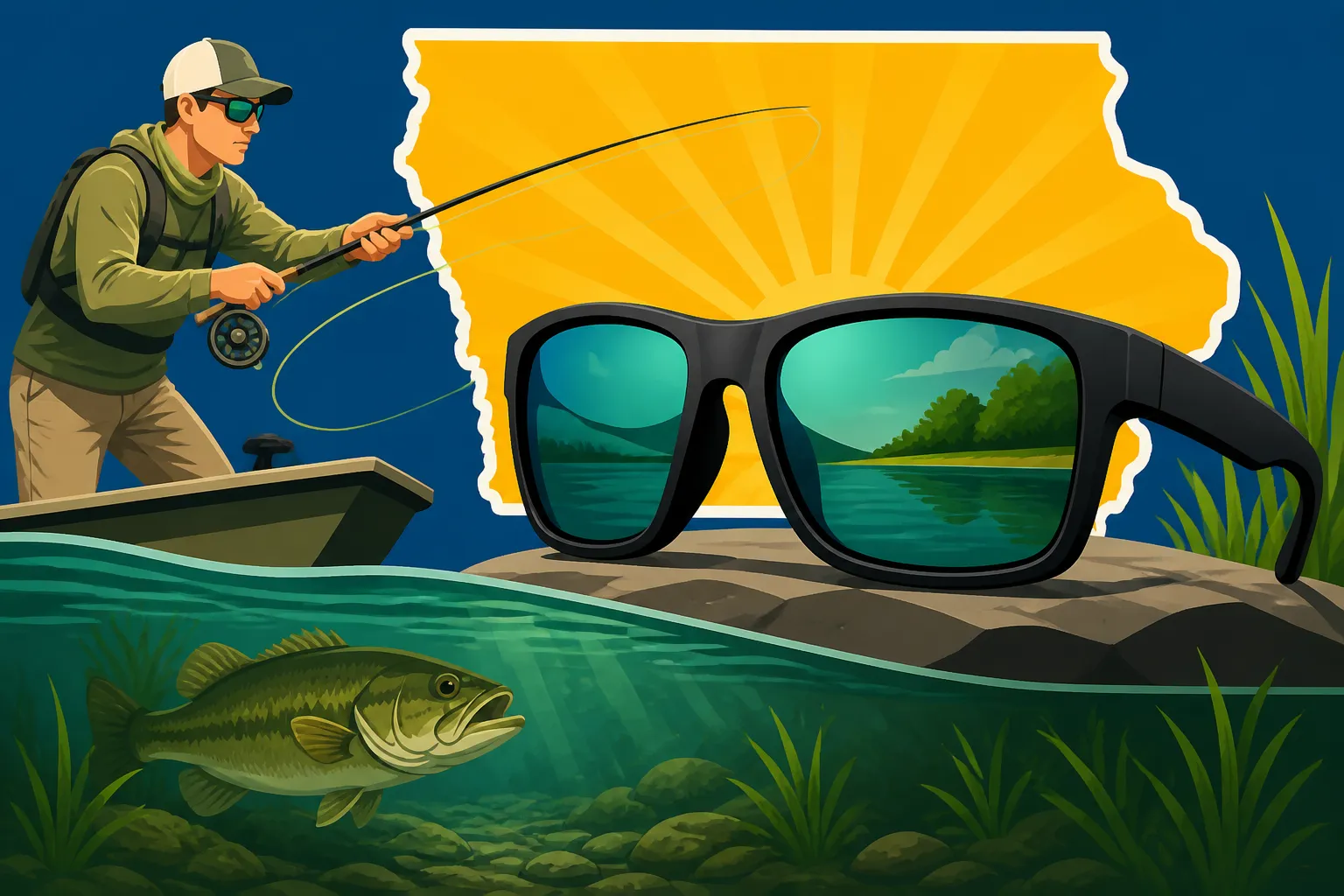
Oh, the frustration of being out on the water, seeing a ripple or a flash, knowing there's a fish there, but a blinding glare on the surface makes it impossible to pinpoint! We've all been there, squinting against the sun, wishing for a superpower to see beneath the waves. This guide is all about giving you that superpower – by helping you choose the best sunglasses for truly seeing what's under Iowa's waters, transforming your fishing trips from guesswork to targeted success.
Why Sunglasses Are a Game-Changer for Iowa Anglers
You might think sunglasses are just for looking cool or protecting your eyes from harsh sunlight, and while they absolutely do both, for an angler, they are a fundamental piece of gear. Especially in a state like Iowa, with its diverse waters – from the clear depths of the Iowa Great Lakes to the often-murkier rivers like the Des Moines or the Cedar – having the right eyewear can make or break your day on the water.
Cutting Through Glare and Seeing Deeper
Imagine standing on the bank of a quiet pond, or drifting over a weed bed on Rathbun Lake. The sun hits the water, creating a reflective shield that bounces light directly into your eyes. This isn't just annoying; it completely obscures your view of what's happening beneath the surface. Polarized sunglasses are specifically designed to filter out this horizontal glare. Instead of just dimming the light, they actively block the reflected light waves that create that blinding sheen. Suddenly, you can see weed lines, submerged logs, rock piles, and, most importantly, the fish holding near them. It's like someone turned on a light switch, revealing a whole new world. This ability to spot structure and fish is invaluable for many fishing techniques, from casting to visible targets to navigating shallow areas.
Protecting Your Eyes from the Elements
Beyond cutting glare, quality fishing sunglasses provide crucial protection for your eyes. Think about a long day on the water: you're exposed to continuous UV radiation, which can lead to long-term eye damage like cataracts and macular degeneration. Good sunglasses offer 100% UVA and UVB protection, shielding your eyes from these harmful rays. But it's not just the sun. On windy days, dust, pollen, and even small insects can be blown into your eyes, causing irritation or even injury. When you're casting, there's always a risk of a stray lure, hook, or even a line snap. A sturdy pair of sunglasses acts as a physical barrier, protecting your eyes from these unexpected hazards. They're an investment in your vision, not just your fishing success.
Enhancing Vision and Reducing Eye Strain
Spending hours squinting at the water without proper eye protection is a recipe for headaches and eye fatigue. The constant strain of trying to pierce the glare takes a toll. With polarized lenses, your eyes can relax. The reduced glare and enhanced contrast mean your vision is clearer, sharper, and less strained. This allows you to stay focused longer, pick up subtle cues from the water, and enjoy your time fishing without discomfort. Whether you're trying to spot a cruising walleye near a drop-off at Clear Lake or identify a specific bug hatch for trout in northeast Iowa streams, clear, comfortable vision is paramount. It’s about more than just seeing; it’s about seeing well and comfortably for the entire day.
Understanding Polarized Lenses: The Angler's Essential Feature
If there's one non-negotiable feature for fishing sunglasses, it's polarization. It’s what truly sets them apart from regular shades and makes them an indispensable tool for any serious angler. Without it, you're just dimming the light, not eliminating the problem.
How Polarization Works its Magic
To understand polarization, think about how light travels. Sunlight scatters in all directions. When it hits a flat, reflective surface like water, a significant portion of that light reflects horizontally, creating what we call glare. This horizontal light is the enemy of sight fishing because it essentially acts like a mirror, blocking your view into the water. Polarized lenses have a special filter that's vertically aligned. This filter acts like a tiny venetian blind, blocking those horizontal light waves while allowing vertical light waves (the useful ones that let you see detail and color) to pass through. The result? The blinding glare disappears, and suddenly, you can see submerged structure, weed beds, and even fish swimming just below the surface. This effect is truly astonishing the first time you experience it.
The Downsides (and How to Work Around Them)
While polarization is an angler's best friend, it does have a couple of minor quirks you should be aware of. One common issue is that polarized lenses can make it difficult to see LCD screens, like those on your boat's fish finder or your smartphone. The polarization of the screen often conflicts with the polarization of the lenses, causing the screen to appear black or distorted. You might find yourself tilting your head at odd angles or lifting your sunglasses to check your electronics. Another less common issue can be a slight distortion or rainbow effect on certain types of tempered glass, such as car windshields or even some boat windows. For most fishing applications, these are minor inconveniences easily managed. If you rely heavily on boat electronics, consider models that minimize this screen effect or simply be prepared to lift your shades for quick checks. If you're wondering, Do Polarized Sunglasses Really Help You See Fish? the answer is a resounding YES, even with these minor quirks.
Different Polarization Levels and When to Use Them
Not all polarized lenses are created equal, and some offer different levels of light transmission. Most high-quality fishing sunglasses offer 100% polarization, meaning they block virtually all horizontal glare. However, the darkness of the lens (which is determined by the tint and VLT – Visible Light Transmission) will vary. For bright, open-water conditions on a sunny Iowa summer day, a darker lens with lower VLT is ideal to reduce eye strain. For overcast days, dawn/dusk, or heavily shaded trout streams, a lighter-tinted polarized lens might be more appropriate. Some manufacturers even offer different polarization film densities, but generally, for fishing, you want the full glare-cutting power. It's more about choosing the right lens color for the light conditions, which we'll dive into next.
Lens Colors: Matching Your Shades to Iowa's Waters
Choosing the right lens color is almost as critical as choosing polarized lenses themselves. Different tints are designed to excel in various light conditions and water types, affecting how you perceive contrast, depth, and color.
Gray Lenses: The All-Around Performer
Gray lenses are often considered the most versatile and natural-looking tint. They transmit colors uniformly, meaning they don't distort colors, allowing you to see the environment exactly as it is. This makes them excellent for bright, sunny days on open water, like when you're targeting walleye on the Iowa Great Lakes or fishing the main channel of the Mississippi River. They reduce overall brightness and glare without significantly altering your perception of color, which can be beneficial when trying to discern the subtle hues of underwater structure or fish. If you only own one pair of fishing sunglasses, a polarized gray lens is a fantastic choice for general-purpose use across many Iowa fishing scenarios.
Brown/Amber Lenses: Boosting Contrast in Murky Waters
Brown or amber lenses are fantastic for boosting contrast, especially in lower light conditions or on overcast days. They tend to filter out blue light, which can create haze, making everything appear sharper and clearer. This makes them particularly effective for fishing in Iowa's often turbid or stained rivers and lakes, where water clarity isn't always crystal clear. Think about fishing for catfish on the Des Moines River after a rain, or exploring backwater areas on the Mississippi. The enhanced contrast helps you pick out subtle changes in depth, see obstacles, and spot fish that might otherwise blend into the murky background. Many anglers find brown/amber lenses reduce eye fatigue more than gray lenses over long periods in varied conditions.
Green and Copper Lenses: Specialized for Specific Conditions
Green lenses are often a hybrid, offering some of the natural color perception of gray lenses while also enhancing contrast like brown/amber. They tend to be particularly good for inshore fishing or varied conditions, like a partly cloudy day where the light changes often. They excel at cutting yellow light, which can be prevalent around grassy areas. Copper lenses are a favorite among sight fishermen for their ability to significantly boost contrast and depth perception, especially in bright, challenging conditions. They filter blue light very effectively, making them ideal for spotting fish over sand flats, weed beds, or rocky bottoms. If you're trying to pick out a smallmouth bass holding next to a boulder in a clear river section, or a panfish tucked into a brush pile, copper can truly make those details pop. Both green and copper are excellent choices for specific sight fishing tasks.
Yellow Lenses: Low Light and Overcast Days
Yellow lenses are typically the lightest tint and are designed specifically for very low light conditions, such as dawn, dusk, or heavily overcast days. While they don't offer the same sun protection as darker tints, they dramatically enhance contrast and brighten your field of vision, making them excellent for spotting objects and movement when ambient light is scarce. They also filter blue light, which can reduce haze and sharpen focus. For early morning crappie fishing, or when fishing under a thick canopy of trees along a trout stream, yellow polarized lenses can give you a significant advantage, essentially adding light to the scene. You wouldn't want to wear these on a bright, sunny afternoon, but for those tricky low-light situations, they're unbeatable.
Frame Style and Fit: Comfort and Coverage on the Water
The best lenses in the world won't do you any good if the frames aren't comfortable, durable, and provide adequate coverage. A poor fit can lead to distractions, discomfort, and even lost sunglasses.
Wrap-Around vs. Classic Styles
When it comes to fishing, wrap-around styles are almost always the superior choice. Unlike classic, flatter sunglasses, wrap-around frames curve to fit the contours of your face. This design provides several key benefits:
- Increased Coverage: They block light from entering from the sides, top, and bottom, reducing peripheral glare that can slip past traditional frames. This is crucial for maximizing the effectiveness of polarized lenses.
- Enhanced Protection: The snug fit offers better protection from wind, dust, and debris that might otherwise irritate your eyes. If you're zipping across Saylorville Reservoir in a boat, you'll appreciate how much wrap-arounds shield your eyes.
- Secure Fit: They tend to stay on your face better during active movements, like casting or battling a fish, which is a huge relief when you're focused on the action.
While classic styles might be fashionable, for serious anglers, functionality and protection win out.
Material Matters: Durability and Lightweight Comfort
Fishing sunglasses take a beating. They get splashed, dropped, stepped on, and exposed to all sorts of elements. Therefore, the frame material is incredibly important.
- Nylon/Plastic: Most common and affordable. Modern nylon frames are surprisingly durable, lightweight, and often designed to float if dropped in water (a huge plus!). They can also be quite flexible, resisting breakage.
- Grilamid TR90: A popular high-performance thermoplastic used in many sport frames. It's incredibly lightweight, flexible, and resistant to extreme temperatures, making it comfortable for all-day wear and highly durable.
- Metal Alloys: Less common for fishing-specific sunglasses due to weight and susceptibility to corrosion, but some premium brands offer very lightweight and strong options. However, they typically don't float.
Look for frames that feel sturdy but aren't overly heavy. Many reputable brands found at places like Bass Pro Shops or online through Amazon offer excellent options in durable, angler-friendly materials.
Ensuring a Secure and Comfortable Fit
A good fit is paramount for all-day comfort and performance. Here's what to look for:
- Bridge Fit: The part of the frame that rests on your nose should fit snugly without pinching or slipping. Adjustable nose pads are a great feature if you have a unique nose shape.
- Temple Arms: The arms should rest comfortably over your ears without digging in or applying excessive pressure. They should also be long enough to provide a secure grip, especially behind the ears.
- Overall Coverage: When you put them on, check for gaps around the edges of the frames where light might sneak in. The closer the fit to your face without touching your eyelashes, the better.
- Weight Distribution: The sunglasses should feel balanced on your face, not front-heavy or prone to tipping.
Remember, you might be wearing these for 8-10 hours, so comfort is key. Don't be afraid to try on several pairs to find what feels right for your face.
Lens Materials and Coatings: Durability and Clarity
The journey from sunlight to your eye involves the lens material and any coatings applied to it. These factors play a huge role in clarity, durability, and overall performance.
Glass Lenses: Unrivaled Clarity and Scratch Resistance
Glass lenses offer the absolute best optical clarity available. They provide virtually distortion-free vision, which can be a huge advantage when you're trying to pick out subtle details far away or deep in the water. Beyond clarity, glass is incredibly scratch-resistant, far more so than plastic alternatives. This means your expensive lenses will likely stay pristine longer, maintaining their optical quality. The downside? Glass is heavier than other materials, which can lead to fatigue over long periods, and it's also more prone to shattering upon impact. If you're fishing from a boat and prone to dropping things, or if impact resistance is a high priority, you might want to consider alternatives. However, for sheer optical quality, glass is king.
Polycarbonate Lenses: Impact Resistance and Lightweight
Polycarbonate lenses are the most popular choice for sport and fishing sunglasses, and for good reason. They are significantly lighter than glass, making them much more comfortable for all-day wear. Their standout feature is their incredible impact resistance; they are virtually shatterproof, offering superior eye protection from stray lures, branches, or accidental drops. While polycarbonate doesn't quite match glass for optical clarity, modern manufacturing techniques have drastically reduced distortion, making it an excellent choice for most anglers. The main drawback is that polycarbonate is softer than glass, making it more susceptible to scratches. This is where good care and protective coatings become crucial.
Trivex and Other Advanced Materials
Beyond glass and polycarbonate, some manufacturers utilize advanced materials like Trivex. Trivex lenses offer a fantastic balance between the two: they are lighter than polycarbonate, boast superior optical clarity (closer to glass), and still provide excellent impact resistance. They are often found in higher-end fishing sunglasses. While perhaps not as ubiquitous as polycarbonate, Trivex is a strong contender if you're looking for an upgrade that balances comfort, clarity, and protection. Other materials, such as CR-39, are also used, primarily offering good optical clarity but less impact resistance than polycarbonate or Trivex. It’s worth checking the specifications, especially if you're buying online from a retailer like Amazon, to ensure you're getting a material that suits your needs.
Essential Coatings: Anti-Reflective, Hydrophobic, and Oleophobic
To further enhance performance and durability, many lenses come with special coatings:
- Anti-Reflective (AR) Coating: Applied to the back surface of the lens, this coating eliminates reflections that can bounce off the inner surface of your sunglasses into your eyes. This is surprisingly effective at reducing distractions and improving clarity.
- Hydrophobic Coating: This "water-repellent" coating makes water bead up and roll off the lens surface, rather than sticking and distorting your vision. It's incredibly useful when fishing in the rain or dealing with splashes.
- Oleophobic Coating: Similar to hydrophobic, but for oils and smudges. This coating repels oils from skin and sunscreen, making the lenses much easier to clean and less prone to smudging.
- Scratch-Resistant Coating: While no lens is 100% scratch-proof, these coatings add a hardened layer to softer materials like polycarbonate, significantly improving their resistance to minor abrasions.
These coatings, while often adding to the cost, dramatically improve the user experience and extend the life of your sunglasses.
Top Features to Look for in Fishing Sunglasses
Beyond the core elements of polarization, lens color, and frame fit, there are other thoughtful features that can elevate your fishing experience and ensure your investment lasts.
UV Protection: Non-Negotiable Eye Safety
This one isn't just a "nice-to-have"; it's a fundamental requirement. Your fishing sunglasses must offer 100% protection against both UVA and UVB rays. These harmful ultraviolet rays are present even on cloudy days and can cause significant damage to your eyes over time, including cataracts, pterygium (surfer's eye), and macular degeneration. High-quality fishing sunglasses will explicitly state their UV protection rating, often labeled as "UV400" or "100% UVA/UVB protection." Don't compromise on this feature for the sake of a cheaper pair. Protecting your long-term eye health is paramount, especially when you spend so much time outdoors.
Venting and Anti-Fog Technology
There's nothing more annoying than having your sunglasses fog up right when you're trying to make a critical cast or spot a fish. This often happens when moving from cold to warm air, or when you're exerting yourself and sweating. Many modern fishing sunglasses incorporate features to combat this:
- Vented Frames: Small vents or channels in the frame design allow air to circulate behind the lenses, preventing condensation buildup.
- Anti-Fog Coatings: Some lenses come with a permanent anti-fog coating that chemically prevents moisture from sticking and forming fog.
- Hydrophilic Nose Pads: Materials that absorb moisture can help keep sweat away from the lens.
These features are especially valuable for active anglers, those who hike to remote spots, or anyone fishing in humid or rapidly changing conditions. Keeping your vision clear is essential for both safety and success.
Retainers and Leashes: Keeping Your Investment Safe
It's an unfortunate truth that even the most well-fitting sunglasses can sometimes take an unexpected dive overboard. Losing a good pair of fishing sunglasses in the drink is a gut-wrenching experience. This is where retainers (also known as leashes or lanyards) come into play.
- Secure Attachment: These simple straps attach to the temple ends of your sunglasses and go around your neck, ensuring that if they slip off, they don't go far.
- Floatation: Many retainers are designed to float, providing extra insurance, especially if your sunglasses themselves don't float. Chums and Croakies are classic brands in this space, often available where you purchase your shades or online.
- Comfort: Look for retainers made from soft, comfortable materials that won't irritate your neck, especially during long days.
Consider a good retainer an essential accessory for any pair of fishing sunglasses. It's a small investment that can save you from a much larger one. Plus, they can be great for easily taking your shades off for a moment and letting them hang securely. This also means you don't have to put them in a pocket where they might get scratched or bent.
Caring for Your Fishing Sunglasses: Make Them Last
You've invested in a quality pair of fishing sunglasses to enhance your time on Iowa's waters. Now, let's make sure they last as long as possible. Proper care is key to maintaining their optical clarity and durability.
Proper Cleaning Techniques
It's tempting to just wipe your lenses with the corner of your shirt when they get dirty, but resist the urge! This is one of the quickest ways to scratch lenses, especially softer materials like polycarbonate.
- Rinse First: Always rinse your sunglasses under clean, running water (freshwater is best if you've been in salty or brackish areas) to remove any loose grit, sand, or salt crystals.
- Use a Lens Cleaner or Mild Soap: Apply a spray specifically designed for lenses, or a tiny drop of mild, non-abrasive dish soap. Gently rub the lenses with your fingertips to dislodge grime.
- Soft Cloth Dry: Use a clean, soft microfiber cloth to gently dry the lenses and frames. Avoid paper towels or rough fabrics, which can scratch.
- Air Dry: If possible, let them air dry completely before storing them in their case.
Regular, gentle cleaning will keep your vision clear and prevent damage to those crucial coatings. You can usually find specialized lens cleaning kits at Bass Pro Shops or order them through Amazon.
Storage Solutions to Prevent Damage
Where you put your sunglasses when you're not wearing them is just as important as how you clean them.
- Hard Case: Always store your sunglasses in a hard protective case when they're not on your face. This prevents them from being crushed in your tackle bag, backpack, or boat compartment.
- Soft Pouch: Many sunglasses come with a soft microfiber pouch. This is useful for light protection and cleaning on the go, but it's not a substitute for a hard case in rougher environments.
- Avoid Extreme Temperatures: Don't leave your sunglasses on the dashboard of your car, especially on a hot Iowa summer day. Extreme heat can warp frames and damage lens coatings. Similarly, avoid prolonged exposure to freezing temperatures if possible.
- Away from Chemicals: Keep them away from insect repellent, sunscreen, and other chemicals, which can react with and degrade lens materials or coatings. If chemicals do get on them, rinse immediately.
Taking a moment to properly store your sunglasses will save you the headache and expense of replacing a damaged pair. This is a vital part of making your Iowa Fishing Gear Guide complete.
When to Replace Your Favorite Pair
Even with the best care, sunglasses don't last forever. So, how do you know when it's time for a new pair?
- Visible Scratches: If scratches on the lenses are numerous or significant enough to impair your vision, it's definitely time. Scratches scatter light and reduce clarity, defeating the purpose of high-quality optics.
- Delaminating Lenses: Sometimes, the polarized film or coatings can start to separate from the lens material, appearing as hazy spots or bubbles. This significantly degrades performance and can't be repaired.
- Warped or Broken Frames: If the frames are warped, cracked, or broken beyond repair, they won't fit correctly, leading to discomfort and allowing light to sneak in.
- Outdated Technology: While less common for sunglasses, advancements in lens technology (like new materials or coatings) might tempt you to upgrade, especially if your current pair is several years old.
Replacing your sunglasses when they show signs of significant wear or damage isn't just about getting a clearer view; it's about protecting your eyes and ensuring you can continue to enjoy the benefits of superior sight fishing.
Disclaimer
This article is for general informational purposes only and does not constitute professional advice. Laws, prices and regulations vary by location and change over time. Consult a qualified professional for guidance on your specific situation.