Best Soft Plastic Colors for Muddy Water
There's nothing quite like the feeling of heading out to your favorite Iowa fishing spot, only to find the water has turned into a chocolate milk shake after a heavy rain, agricultural runoff, or even prolonged windy conditions. It's a frustrating scenario many of us have faced, leaving us wondering if it's even worth casting a line. But don't pack up your gear just yet! Muddy water doesn't mean the fish aren't biting; it just means you need to adjust your approach, especially when it comes to the soft plastic colors you're throwing. This guide will walk you through the science and practical tips for selecting the absolute best soft plastic colors to make your next muddy water outing a successful one on Iowa's lakes and rivers.
Understanding Why Muddy Water Changes Lure Choice
When the waters get murky, it’s not just an aesthetic change; it completely alters the underwater environment for fish. What was once clear enough for visual hunting becomes a dim, often disorienting soup. As anglers, we often think of fishing as a visual sport, but in muddy conditions, we need to shift our perspective and consider how fish truly perceive their world when sight is heavily impaired.
The Impact of Turbidity on Fish Vision
Think about trying to navigate a dense fog – visibility drops dramatically, and outlines become blurry or disappear entirely. That's essentially what high turbidity, or muddy water, does to fish. Suspended sediment particles block light penetration, reducing the effective visibility range to mere inches or even less. Many of our most popular sport fish in Iowa, like bass and walleye, are sight feeders to a significant degree. In clear water, they rely on discerning the subtle movements, colors, and profiles of their prey.
When the water turns brown, their ability to see those details is severely hampered. This means that subtle, naturalistic colors that might be deadly in clear water often become completely invisible. The goal isn't to perfectly imitate prey anymore; it's to create enough contrast and "noise" for the fish to detect your lure at all. You're trying to make your bait shout rather than whisper.
Fish Senses Beyond Sight
While vision takes a backseat in muddy water, it doesn't mean fish are completely helpless. Far from it! Fish possess an incredible array of sensory tools that come into play when their eyes can't do all the work. The lateral line system, a series of pores running along their sides, is particularly crucial. This system detects vibrations and pressure changes in the water, allowing fish to "feel" movement, even in total darkness. A flapping fin, a swimming baitfish, or even your soft plastic displacing water—all create distinct vibrations that fish can home in on.
Beyond the lateral line, fish also have a keen sense of smell and taste. Many species, especially bottom feeders like catfish, rely heavily on these chemical senses to locate food. Even predatory fish will use scent to confirm a meal when they can't see it clearly. This is why scented soft plastics become so incredibly effective in muddy conditions, providing an additional, non-visual cue that fish can follow right to your hook. You're effectively building a multi-sensory trap, appealing to feel, smell, and what little sight they might have.
Top Soft Plastic Colors for Muddy Water in Iowa
When facing those challenging murky conditions in Iowa, selecting the right soft plastic color isn't just a preference; it's a strategic decision. You want colors that scream "eat me!" through the murk, rather than blending in unnoticed. It's about maximizing visibility and contrast, sometimes in surprising ways.
Vibrant and Opaque Hues
In muddy water, the rule of thumb is often "brighter is better." Colors that are highly vibrant and opaque tend to cut through the suspended particles more effectively than translucent or muted tones. These colors don't rely on natural light to be reflective; they are inherently bright and create a distinct profile that fish can pick up, even in low light penetration.
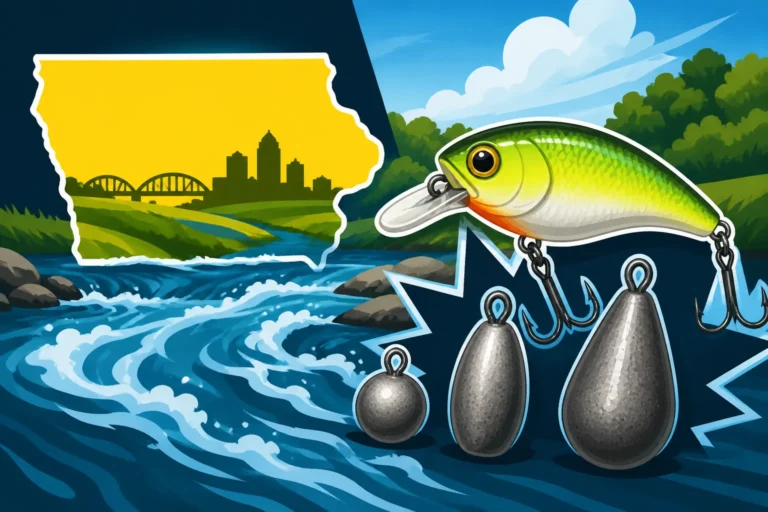
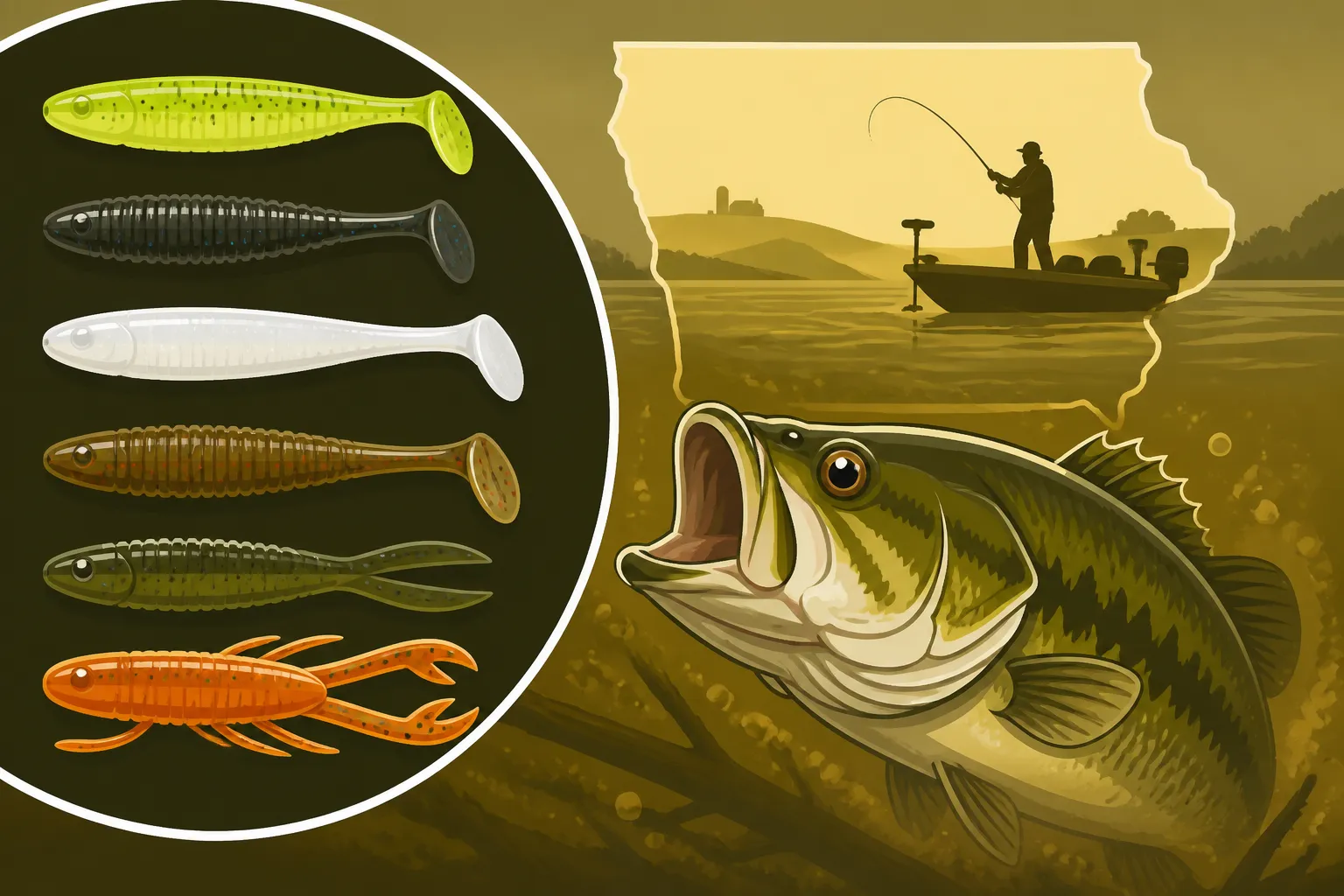
- Chartreuse: This is often the undisputed champion of muddy water. Its bright, almost glowing, yellow-green hue stands out like a beacon. Whether you're fishing for bass in a farm pond or walleye on a stained river like the Des Moines, a chartreuse grub, worm, or swimbait can be incredibly effective. Imagine a foggy night, and suddenly you see a neon sign cutting through the haze—that's what chartreuse does for fish in murky conditions. It offers a strong visual signal that's hard to ignore, giving fish a target to hone in on. Anglers often find success with chartreuse when the mud is moderate to heavy, especially on overcast days. Best Lure Color for Muddy Water offers more insights on this.
- Orange: Similar to chartreuse, orange is another high-visibility color that performs exceptionally well. Its warm, vibrant tone provides a stark contrast against the brown or greenish tint of muddy water. Think of the bright orange safety vests hunters wear; they're designed for maximum visibility against natural backgrounds. Orange soft plastics, particularly in craw or creature bait styles, can mimic struggling baitfish or crustaceans, which are often dislodged and more vulnerable in turbulent, muddy conditions. It's a fantastic choice for largemouth bass, especially when paired with a bit of scent.
- Pink: While perhaps less conventional for some anglers, bright pink or "bubblegum" colors can be surprisingly effective in extremely muddy water. Its intense hue, much like chartreuse, creates an unmistakable visual signal. Sometimes, presenting something completely unnatural and vibrant can trigger a reaction strike from fish that are otherwise struggling to locate prey. Don't be afraid to experiment with pink especially when other traditional muddy water colors aren't getting a bite. It often works best when the mud is truly heavy, and fish are relying on pure shock value to react.
Dark and Silhouetted Shades
It might seem counterintuitive to go dark when visibility is low, but black and other very dark colors work on a completely different principle: silhouette. Instead of trying to be bright, these colors aim to absorb what little light is available and create a sharp, distinct outline against any ambient light from above.
- Black: A solid black soft plastic, whether it's a worm, jig, or creature bait, creates the strongest possible silhouette. In muddy water, if a fish is looking up from below, even a tiny amount of light filtering through the surface will make a black lure appear as a solid, unmistakable shape moving against that lighter background. It's not about being seen as a color, but as a distinct form. This is particularly effective on cloudy days or in very deep, dark water where even bright colors struggle. Black can be a phenomenal choice for bass, especially on lakes like Rathbun Lake or Saylorville Reservoir after a storm.
- Junebug: This color, a dark purple with subtle flakes, takes the silhouette concept of black and adds a hint of visual intrigue. The dark purple provides excellent contrast against lighter water, similar to black, but the subtle flakes (often green or blue) might catch what little light is available, giving it a slight shimmer that can draw attention. It's a popular choice for bass, offering a slightly different visual appeal than pure black. Junebug can be particularly effective in situations where the water is muddy but there's still a hint of sunlight attempting to penetrate. It’s a versatile color to have in your tackle box, whether you picked it up at Bass Pro Shops or ordered a variety pack from Amazon.
The "Color Change" Factor
Some soft plastics are designed with dual colors or laminates that provide a dynamic presentation, which can be advantageous in varying muddy conditions. For instance, a soft plastic that is chartreuse on one side and black on the other might offer the best of both worlds – a vibrant flash from one angle and a strong silhouette from another. This adaptability can be crucial when the water clarity isn't uniformly muddy, or as the day progresses and light conditions change. Experimenting with these dual-tone options can sometimes unlock bites when single-color plastics are falling short.
Choosing the Right Soft Plastic Type for Muddy Water
While color is paramount, the type of soft plastic you choose also plays a critical role in drawing strikes in muddy water. Remember, fish aren't just relying on sight; they're using their lateral lines to detect vibrations and their noses to find scent trails. Selecting a lure that excels in these non-visual aspects can drastically improve your success.
Bulk and Vibration
In low visibility, you need a lure that fish can feel. This means opting for soft plastics that displace a significant amount of water, creating strong vibrations that travel through the murky environment and activate a fish's lateral line.
- Creature Baits and Large Worms: These soft plastics often have appendages, claws, or ribbon tails that flap, wiggle, and pulsate with even slight movement. A bulky creature bait, retrieved slowly along the bottom or through cover, sends out a clear signal that something substantial is moving. Brands like Berkley PowerBait offer a variety of creature baits that are excellent for this purpose. The larger profile also makes them a bigger target for fish that are struggling to pinpoint smaller prey. Think about fishing for Largemouth Bass Fishing in Iowa in a murky pond; a substantial creature bait can be much more effective than a slim, straight worm.
- Swimbaits: While often associated with clear water, bulky paddle-tail swimbaits in vibrant or dark colors can be incredibly effective in muddy conditions. The paddle tail creates a strong thumping vibration as it moves through the water, which fish can easily detect from a distance. Rigged on a jig head, a swimbait can be swam slowly or vertically jigged, ensuring maximum vibration. The key is to choose a swimbait with a pronounced tail action that generates a lot of "thump" even at slow retrieve speeds.
Scented Soft Plastics
This is where the non-visual senses of fish really shine. If a fish can't see your lure, give it something it can smell and taste! Scented soft plastics are designed to release attractants into the water, creating a scent trail that fish can follow directly to your bait.
- Built-in Scent: Many soft plastic manufacturers infuse their lures with scent directly into the plastic material. These scents are often based on natural prey (like shad, crawfish) or proprietary attractants. As the lure moves through the water, it constantly leeches scent, leaving a "bread crumb trail" for fish to follow. This is particularly crucial for species like Channel Catfish Fishing in Iowa, but also highly effective for bass and walleye in dirty water. Always check if your soft plastics are scented or if they have channels designed to hold additional scent.
- Applying Additional Scent: Even if your soft plastics come pre-scented, adding an extra dab of liquid or gel attractant can significantly boost your chances. These scents cling to the plastic, slowly dissolving and spreading in the water. This extra boost of scent can be the difference between a fish swimming past your lure and stopping to investigate. When fishing in extremely muddy conditions, consider re-applying scent every 15-20 minutes to maintain a strong attractant plume. You can find a wide array of scent products at fishing retailers or online at places like Amazon.
Real-World Scenarios and Practical Tips for Iowa Anglers
Knowing which colors and types of soft plastics to use is one thing, but applying that knowledge effectively on the water is another. Iowa's waters, from its sprawling reservoirs to its winding rivers, present unique challenges, and adapting your technique to the specific muddy conditions is key.
Adjusting to Different Mud Levels
Not all muddy water is created equal. The level of turbidity can range from slightly stained to completely opaque, and your color and retrieve choice should reflect this.
- Slightly Stained Water: If the water has just a slight tint, perhaps a light green or tea stain, fish might still be relying on some vision. Here, you can sometimes get away with more natural colors, but adding a touch of brightness is still a good idea. Consider laminates or plastics with vibrant tails (like a black worm with a chartreuse tail). This allows for some naturalism but still provides a "pop" of visibility. A slower, deliberate retrieve is still beneficial here, but you might not need the extreme vibration or scent of truly "chocolate milk" conditions.
- Moderately Muddy Water: This is where chartreuse, orange, and junebug truly shine. The water is brown, but you might still see your lure for a foot or two beneath the surface. Focus on soft plastics with good bulk and strong vibration, like creature baits or paddle-tail swimbaits. Retrieve these slowly, giving the fish ample time to locate and commit. This is often the prime time for How to Catch Walleye in Iowa or bass on the river systems. You're giving them a strong visual and vibrational target.
- Heavy "Chocolate Milk" Mud: When the water is so thick you can't see your hand an inch below the surface, it's time to go bold. Solid black or very dark colors are often the best here for the silhouette effect. Paired with heavy scent and maximum vibration, these are your best bet. Forget subtlety; you need to make as much "noise" and scent as possible. This is also where slowing down your retrieve becomes even more critical. Fish need more time to process the signals and pinpoint your lure.
Combining Color with Retrieve and Presentation
It's not just about the lure; it's about how you work the lure. In muddy water, your retrieve needs to compensate for the fish's impaired vision.
- Slow Down: This is paramount. A fish in clear water can dart after a fast-moving bait, but in muddy water, it needs more time to orient itself and react. Slower retrieves allow the fish to follow the scent trail, track the vibrations, and eventually find your lure. Think of it as giving them extra processing time.
- Emphasize Action: Use soft plastics that have a lot of built-in action, even at slow speeds. Tails that wiggle with minimal movement, or appendages that constantly move, will send out more vibrations. Consider soft plastics with ribbed bodies that displace even more water.
- Pauze and Drop: Incorporating pauses into your retrieve can also be deadly. When you pause, a soft plastic lure often has a natural descent or "shimmy" that can trigger a strike from a fish that has been following it. The sudden change in direction or fall can mimic an injured or dying baitfish, a tempting target in any condition. For more tips on presentation, check out our Iowa Fishing Techniques Guide.
Essential Gear for Muddy Water Fishing
While your soft plastics are key, having the right supporting gear can make a difference.
- Stronger Line: Muddy water often means fishing in or near heavy cover (logs, brush, thick weeds) where fish feel more secure due to the lack of visibility. Using a slightly heavier fluorocarbon or braided line will give you more pulling power to extract fish from snags and prevent break-offs.
- Heavy Rods and Reels: A rod with a strong backbone and a reel with a good drag system are essential for effectively casting heavier soft plastics and battling fish in thick cover. This is especially true if you’re pitching big creature baits or heavy-weighted swimbaits.
- Electronics (Fish Finder): While fish finders won't show you specific colors, they are invaluable for identifying structure, cover, and baitfish schools that might be holding fish, even when you can't see them. Knowing where to cast in the murky abyss is half the battle. If you're looking for gear, you might browse Best Tackle for Iowa Fishing for ideas.
Here's a quick summary of muddy water soft plastic recommendations:
| Color | Primary Benefit in Muddy Water | Ideal Turbidity | Best Used For |
|---|---|---|---|
| Chartreuse | High visibility, cuts through murk | Moderate to Heavy | Bass, Walleye |
| Orange | Vibrant contrast, mimics prey | Moderate to Heavy | Bass, Catfish |
| Pink | Extreme visibility, reaction strikes | Very Heavy | Bass, Panfish |
| Black | Strong silhouette against light | Any, especially very dark conditions | Bass, Walleye, Catfish |
| Junebug | Silhouette with subtle shimmer | Moderate to Heavy | Bass |
Remember, fishing in muddy water is a test of patience and adaptability. Don't be afraid to experiment with different colors, shapes, and scents until you find what the fish are reacting to. Often, the fish are still there, they just need a little extra convincing to find your offering. Keep trying, and you’ll unlock some surprisingly productive days on Iowa's stained waters.
Disclaimer
This article is for general informational purposes only and does not constitute professional advice. Laws, prices and regulations vary by location and change over time. Consult a qualified professional for guidance on your specific situation.