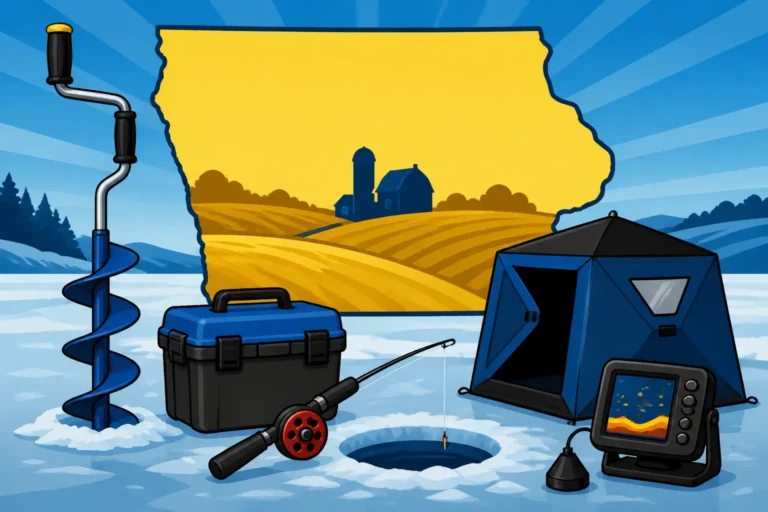
Best Ice Shelter for Iowa Winters
Oh, the Iowa winter. If you've ever spent a day out on the ice, battling those relentless winds and feeling the chill creep into your bones, you know just how quickly a fun outing can turn into a miserable experience. But it doesn't have to be that way! This guide is all about helping you find the absolute best ice shelter to transform your chilly Iowa ice fishing trips into comfortable, enjoyable, and much more productive adventures.
Understanding Iowa's Winter Climate and Your Needs
Let's face it, Iowa winters are no joke. We're not talking about a gentle dusting of snow and a crisp breeze; we're talking about brutal cold fronts, stinging winds that cut right through you, and snow squalls that can pop up seemingly out of nowhere. If you're going to brave the hard water, you need gear that can stand up to these conditions, and your ice shelter is perhaps the most critical piece of that puzzle for comfort and safety.
The Reality of Iowa's Ice Fishing Conditions
When you're out on a frozen lake like Clear Lake or West Okoboji, or even a smaller pond, you're exposed. The wind has nothing to break its path, and it can truly make a 20-degree day feel like zero or even below. This isn't just about being a little uncomfortable; prolonged exposure can lead to serious health risks like hypothermia and frostbite. A good ice shelter isn't a luxury; it's a necessity for enjoying Ice Fishing in Iowa safely and for extended periods. It creates a microclimate where you can shed layers, warm your hands, and focus on the bite instead of just surviving the elements.
Think about those days when the snow starts to fall horizontally, or the mercury takes a sudden nosedive after lunch. Without a sturdy, well-insulated shelter, you'd be packing up and heading home. But with the right shelter, you can stay out there, sipping hot coffee, tending your lines, and waiting for that walleye to bite, all while a blizzard rages outside. It truly makes a world of difference in your overall experience and your ability to tolerate those long winter days.
Matching Shelter Type to Your Fishing Style
Before you even start looking at specific models, take a moment to honestly assess your ice fishing style. Are you a lone wolf who likes to stay mobile, drilling holes and moving frequently to find the fish? Or do you prefer setting up a base camp with a few buddies, settling in for the day, and letting the fish come to you? Your approach to fishing dictates the type of shelter that will serve you best. There's no single "best" shelter for everyone, only the best one for you and your particular way of enjoying the ice.
For example, a solo angler who covers a lot of ground might prioritize a lightweight, quick-deploying shelter, while a group of friends who fish the same spot every weekend might opt for something more spacious and robust, even if it takes a bit longer to set up. Consider how many people you typically fish with, how much gear you bring, and whether you want to move around a lot or stay put. This self-assessment is the first crucial step in narrowing down the vast array of options out there.
Types of Ice Shelters: A Deep Dive
The ice fishing market offers a variety of shelter designs, each with its own strengths and weaknesses. Understanding these core differences is essential to making an informed decision, especially when factoring in the specific challenges of an Iowa winter.
Portable Pop-Up Shelters
Portable pop-up shelters have become incredibly popular over the last decade, and for good reason. These are typically hub-style shelters that expand from a compact bag into a roomy, standing shelter in just a minute or two. They're characterized by their lightweight design and ease of transport, often fitting easily into the trunk of a car or a sled. They come in various sizes, from one-person models to spacious shelters that can comfortably fit four or more anglers. You can find a fantastic selection, often with detailed specs and customer reviews, at retailers like Bass Pro Shops or by browsing online on platforms like Amazon.
Pros of Pop-Up Shelters:
- Excellent Portability: They fold down small and are relatively light, making them easy to carry across the ice, especially if you're pulling a sled with your gear.
- Quick Setup: Most can be deployed and anchored in just a few minutes, which is a huge bonus when the wind is howling and your fingers are numb.
- Spacious Interior: For their packed size, pop-ups offer a surprising amount of headroom and floor space, allowing anglers to stand up and stretch.
- Affordability: Generally, pop-ups are among the more budget-friendly options, making them accessible to a wide range of anglers.
Cons of Pop-Up Shelters:
- Wind Resistance: While many are designed to be wind-resistant, they can be a bit more susceptible to strong gusts if not properly anchored. Guys who fish the bigger Iowa Great Lakes know how important solid anchoring is!
- Floorless Design: Most pop-ups don't have an integrated floor, which means you're directly on the ice. This can be a pro for hole placement but a con for warmth unless you bring insulated mats.
- Takedown in Wind: Collapsing a pop-up in extremely high winds can be a wrestling match, and care needs to be taken to avoid fabric or pole damage.
These shelters are fantastic for anglers who want a balance of mobility and comfort, whether you're targeting panfish in a community pond or moving for walleyes on a larger reservoir. Just make sure you invest in good ice anchors and a drill adapter to secure them firmly, especially on exposed bodies of water.
Flip-Over Shelters (Sled-Style)
Flip-over shelters, sometimes called sled-style or one-man (or two-man) shacks, are the epitome of mobile comfort. The shelter fabric and frame are attached to a sturdy plastic sled, which serves as your gear hauler and the base of your shelter. When you're ready to fish, you simply "flip" the fabric canopy over, and it transforms into a protected fishing spot in seconds. This design is a favorite among those who like to stay nimble and move frequently across the ice.
Pros of Flip-Over Shelters:
- Unbeatable Mobility: The integrated sled allows you to pull all your gear, and the quick flip-over design means you can literally be fishing minutes after stopping your sled. This is perfect for chasing schools of perch or aggressively searching for bass.
- Wind Resistance: When flipped open and anchored, the low profile and robust frame of most flip-overs offer excellent protection against strong winds.
- Integrated Seating and Storage: Many models come with comfortable, swiveling seats and under-seat storage, keeping your Ice Fishing Gear Basics for Beginners organized and accessible.
- Self-Contained: Your sled holds everything – auger, rods, tackle, heater – so you're always ready to move.
Cons of Flip-Over Shelters:
- Heavier and Bulkier: Compared to pop-ups, flip-overs are heavier and take up more space, especially when packed down, which can be an issue for smaller vehicles.
- Less Headroom: While many offer good interior space, the ceiling height is often lower than in pop-up shelters, making standing up a bit more restrictive.
- Higher Price Point: Generally, flip-overs represent a larger investment than basic pop-up shelters due to their integrated sled and robust construction.
Flip-over shelters are ideal for the angler who values rapid deployment and constant mobility. If you're the type to drill a few holes, fish for 15 minutes, and then pick up and move to find the next bite, a flip-over will be your best friend. They're also excellent for those bitter cold days when you want to minimize your exposure to the elements during setup and takedown.
Permanent/Wheelhouse Ice Shacks
Now, if you're looking for the ultimate in ice fishing luxury and don't mind sacrificing mobility for unparalleled comfort, the permanent ice shack or wheelhouse is your answer. These are essentially tiny cabins on skis or wheels, designed to be towed onto the ice and set up for an extended stay. While less common on smaller Iowa lakes, you'll see them frequently on larger bodies of water where multi-day trips are feasible.
Pros of Permanent/Wheelhouse Shelters:
- Superior Comfort and Amenities: Think beds, stoves, generators, lights, even bathrooms! These shelters offer a true "home away from home" experience.
- Excellent Insulation and Warmth: Designed for long-term use, they boast thick insulation and robust heating systems, keeping you toasty warm even in the most brutal Iowa cold.
- Storage Galore: Ample space for all your gear, food, and supplies, making long trips much more comfortable.
- Security: Most are lockable, providing a secure place for your gear if you leave the lake for a few hours or overnight.
Cons of Permanent/Wheelhouse Shelters:
- Very Limited Mobility: Once set up, moving these can be a major undertaking, often requiring a truck or ATV. They're certainly not for the hole-hopping angler.
- Significant Investment: These are by far the most expensive option, often costing as much as a small camper.
- Maintenance: Like any small dwelling, they require more maintenance, winterization, and storage considerations when not in use.
- Regulations: Be aware of local regulations for placing and removing permanent structures on the ice, as rules can vary by water body and state.
A wheelhouse is for the dedicated ice angler who lives for multi-day trips, hosts friends, and prioritizes comfort above all else. If your idea of a perfect ice fishing weekend involves grilling burgers, playing cards, and having all the comforts of home while you fish, this is the route for you. Just remember to check Ice Fishing Safety on Iowa Lakes regulations regarding overnight stays and proper removal.
Key Features to Prioritize for Iowa Winters
When choosing an ice shelter for those notoriously harsh Iowa winters, certain features move from "nice-to-have" to "absolutely essential." Prioritizing these elements will ensure your investment provides the comfort and protection you need.
Insulation and Fabric Durability
This is perhaps the single most critical factor for staying warm in Iowa's frigid temperatures. Look for shelters made with thermal fabrics, often denoted by terms like "insulated" or "thermal" in their description. These fabrics usually have multiple layers, often with a dark exterior to absorb sunlight and a lighter interior to brighten the space, and a layer of insulation sandwiched in between. The denier count of the fabric (e.g., 600D, 900D, 1200D) indicates its thickness and durability. A higher denier means tougher fabric, which is crucial for resisting tears from sharp augers, flying ice, or abrasive ice surfaces, especially when dragging a sled or packing up in windy conditions.
Uninsulated shelters, while lighter and cheaper, are simply not going to cut it when the wind chill dips into the negatives, which is a common occurrence in January and February here in Iowa. An insulated shelter will significantly reduce heat loss, meaning your heater works more efficiently and uses less fuel, saving you money and keeping you warmer. It also helps prevent condensation build-up inside, which can lead to ice formation and a damp, uncomfortable environment. Always read the product specifications carefully – checking details on sites like Amazon can give you a clear idea of the fabric denier and insulation rating, which are key indicators of a shelter's ability to withstand our Midwestern cold.
Heating and Ventilation
Even with the best insulation, you'll still need a reliable heat source to stay truly comfortable on the ice. Portable propane heaters are the most common choice, ranging from small radiant heaters for single-person shelters to larger forced-air units for bigger spaces. Safety is paramount here. Always ensure your heater is designed for indoor use and has safety features like an oxygen depletion sensor (ODS) and a tip-over switch. But a heater alone isn't enough; proper ventilation is equally vital.
Burning propane consumes oxygen and produces carbon monoxide, a colorless, odorless, and deadly gas. Your shelter must have adequate ventilation openings (usually small vents or windows that can be cracked) to allow fresh air in and exhaust fumes out. Never seal your shelter completely. It's also highly recommended to carry a battery-operated carbon monoxide detector inside your shelter, even if your heater has safety features. A small, portable detector can literally be a lifesaver. This combination of efficient heating and safe, consistent airflow is what will allow you to enjoy hours on the ice without worry, keeping you cozy while you wait for that big bite.
Portability and Setup Speed
For many Iowa ice anglers, particularly those who don't want to commit to a permanent spot, portability and quick setup are non-negotiable. If you're fishing a relatively small lake, like a local park pond, and plan to move several times throughout the day, a heavy, cumbersome shelter will quickly become a nuisance. Consider the packed weight and dimensions of the shelter. Can you comfortably carry it or pull it across the ice? Will it fit in your vehicle without a hassle? These logistical details might seem minor, but they significantly impact your overall fishing experience.
Flip-over shelters excel in setup speed, going from packed sled to fishing-ready in under a minute, which is invaluable when you're quickly trying to get on a hot bite or escape a sudden gust of wind. Pop-up shelters are also quite fast, typically deploying in 2-5 minutes once you get the hang of it. When evaluating shelters, look for features like durable, oversized zippers, strong hub mechanisms, and included ice anchors that are easy to use even with cold hands. A shelter that's a struggle to set up or take down in windy or freezing conditions can quickly become frustrating, no matter how warm it is once it's up. You want to spend your time fishing, not wrestling with your gear. How Long a Fishing License Stays Valid isn't the only thing you need to think about – how long it takes to set up your gear is also key!
Additional Considerations for Comfort and Safety
Beyond the core features, there are several other elements that contribute to a truly enjoyable and safe ice fishing experience in an Iowa winter. Thinking about these details can make a significant difference in your day on the ice.
Floor vs. Floorless Designs
The choice between a shelter with an integrated floor and a floorless design is a common one, and each has its own set of advantages and disadvantages. Most pop-up shelters and many flip-overs are floorless, meaning the shelter sits directly on the ice, and you drill your holes inside. Permanent shacks, on the other hand, typically have a solid floor with designated holes or openings.
Floorless Advantages:
- Flexibility in Hole Placement: You can drill your holes anywhere within the shelter's footprint, allowing you to easily move your fishing spot a few feet without relocating the entire shelter. This is great for staying on active fish.
- Easy Auger Use: No need to maneuver an auger through a pre-cut hole; you just drill where you want.
- Quick Entry/Exit: You're directly on the ice, which can feel more "connected" to the fishing environment.
Floorless Disadvantages:
- Heat Loss: Heat can escape more readily from the open bottom, and cold air can seep in. This makes good insulation and proper Best Cold Weather Clothing for Ice Fishing even more important.
- Wet/Slippery Surface: The ice floor can become wet and slippery from slush, melting ice, or spilled bait. Bringing an insulated mat or rug is highly recommended for comfort and safety.
Floored Advantages:
- Superior Warmth: A solid, insulated floor significantly reduces heat loss and keeps drafts out, making the shelter much cozier.
- Cleanliness and Safety: No slush or wet ice inside, creating a cleaner and less slippery environment.
- Integrated Seating/Storage: Floors often allow for built-in benches, tables, and storage compartments.
Floored Disadvantages:
- Fixed Hole Locations: You're restricted to the pre-cut holes in the floor, which limits your flexibility if the fish move just a few feet away.
- Heavy and Less Portable: Floors add significant weight and bulk, making these shelters less suitable for mobile angling.
- Can Be More Expensive: The added construction of a floor typically increases the overall cost.
For highly mobile anglers or those who value flexibility, floorless is often preferred. For stationary comfort and maximum warmth, a floored design (like a wheelhouse or a more robust flip-over with an insulated base) can't be beaten.
Windows, Doors, and Storage
These seemingly minor details can greatly impact the functionality and enjoyment of your ice shelter.
- Windows: Multiple windows, especially those that can be opened or have clear vinyl panes, provide natural light and allow you to keep an eye on your tip-ups or the surrounding environment. Some windows also double as ventilation points. Look for windows with sturdy closures that won't flap in the wind or freeze shut.
- Doors: Consider the size and placement of the doors. A wide, easily accessible door is crucial, especially when hauling in gear or a big fish. Zippers should be heavy-duty and easy to operate even with gloves on. Some shelters feature multiple doors, which can be convenient for entry and exit without disturbing other anglers or if you need to quickly get to a specific spot outside.
- Storage: Internal storage pockets, mesh nets, or gear hangers are incredibly useful for keeping your Best Tackle Box Setup for Beginners organized and off the floor. This helps declutter your space and ensures that essential items like your phone, headlamp, or a snack are always within easy reach. Small details like these can really elevate the comfort level of your ice fishing experience, making a big difference on a long day.
Essential Accessories for Your Shelter
No ice shelter is complete without a few key accessories to enhance comfort, safety, and functionality. Think of these as the finishing touches that transform your shelter from a basic windbreak into a truly functional mobile base camp.
- Heaters: We've already touched on propane heaters, but ensuring you have enough fuel for your trip and an extra tank or two is smart. Keep them accessible, especially if you plan to be out for an extended period.
- Lighting: As the sun dips below the horizon, good lighting becomes essential. LED lanterns or battery-powered strip lights provide excellent illumination without consuming too much power. A headlamp is also invaluable for tasks like retying lines or baiting hooks in low light conditions.
- Seating: Unless your shelter has built-in seats, comfortable, foldable chairs or buckets are a must. Sitting on a cold bucket all day can get uncomfortable quickly. Some anglers even bring small, insulated stadium seats to put on their buckets.
- Auger Storage/Carrier: Safely transporting your auger, especially a power auger, is important. Many sled-style shelters have designated spots for them, but for pop-ups, consider an external auger carrier to keep sharp blades away from your shelter fabric and free up interior space.
- Safety Gear: Beyond the carbon monoxide detector, a first-aid kit, a whistle (to signal for help), and ice picks are crucial for Ice Fishing Safety on Iowa Lakes. Always keep these items readily available.
Having the right accessories not only makes your time on the ice more comfortable but also significantly safer. Being prepared for anything that Iowa winter throws at you is key to a successful and enjoyable ice fishing season.
Comparing Ice Shelter Types
To help you visualize the differences and make a decision based on your priorities, here's a quick comparison of the main ice shelter types we've discussed.
| Feature | Portable Pop-Up Shelter | Flip-Over Shelter (Sled-Style) | Permanent/Wheelhouse Shack |
|---|---|---|---|
| Portability | Excellent (lightweight, compact when folded) | Very Good (integrated sled for transport) | Limited (heavy, requires vehicle for towing) |
| Setup Time | Fast (2-5 minutes) | Very Fast (seconds to flip open) | Slow (requires towing, leveling, securing) |
| Comfort | Good (spacious, can stand up, often insulated) | Very Good (protected, comfortable seats, good wind break) | Excellent (like a small cabin, many amenities) |
| Mobility | Good (easy to move and reset) | Excellent (designed for frequent moves) | Poor (once set up, difficult to move) |
| Wind Resistance | Good (with proper anchoring) | Excellent (low profile, sturdy frame) | Superior (built like a small structure) |
| Cost | Low to Moderate | Moderate to High | Very High |
| Typical Use | Solo/Group, mobile or stationary, versatile | Solo/Duo, highly mobile, hole-hopping | Group/Family, multi-day trips, stationary comfort |
Maintenance and Longevity of Your Ice Shelter
Investing in a good ice shelter means you want it to last for many seasons. Proper care and maintenance are crucial for extending the life of your shelter, protecting your investment, and ensuring it's always ready for your next trip out onto the hard water.
Proper Setup and Take-Down
Many common issues with ice shelters, such as torn fabric or bent poles, stem from improper setup or take-down. Always read and follow the manufacturer's instructions for your specific model. When setting up a pop-up, make sure you deploy the hubs evenly and don't force them. In windy conditions, always anchor one side or corner first before fully expanding to prevent it from blowing away. Use robust ice anchors, drilling them in fully. Consider using tie-down straps or ropes if the wind is particularly aggressive.
For flip-overs, ensure the frame locks securely into place. When taking down, especially in the cold, poles can become brittle. Take your time, collapse the frame gently, and never yank on the fabric. Clear any accumulated snow or ice from the fabric and frame before folding to prevent damage. Packing it up neatly helps prevent wrinkles that can turn into cracks in freezing temperatures, ensuring that your shelter will be ready to deploy smoothly the next time you head out. This diligence will save you headaches and extend the life of your shelter, letting you enjoy more days with your Iowa Fishing License Guide in hand.
Cleaning and Storage Tips
After a long day of fishing, it can be tempting to just toss your wet, muddy shelter into storage. Resist the urge! Proper cleaning and storage are vital for preventing mold, mildew, pest damage, and fabric degradation.
First, always allow your shelter to dry completely before storing it. Even a small amount of moisture can lead to mold and mildew growth, which not only smells terrible but can also damage the fabric and cause health issues. If you can't dry it completely on the ice, set it up in your garage or basement for a few days to air out. Wipe down any muddy or dirty areas with a damp cloth and mild soap, then rinse thoroughly.
Next, inspect your shelter for any minor tears, bent poles, or faulty zippers. Addressing these small issues immediately can prevent them from becoming major problems later. A small tear patched quickly is much better than a large rip that spreads. Store your shelter in its original bag in a cool, dry place away from direct sunlight, which can degrade fabric over time. Keeping it in a pest-proof container or bag can also prevent rodents or insects from making a home in your cozy shelter during the off-season. By taking these simple steps, you'll ensure your ice shelter remains a reliable and comfortable haven for many Iowa winters to come.
Disclaimer
This article is for general informational purposes only and does not constitute professional advice. Laws, prices and regulations vary by location and change over time. Consult a qualified professional for guidance on your specific situation.