Best Boats for Iowa Farm Ponds
For many Iowa anglers, the dream of fishing that perfect farm pond, the one with big bass or chunky panfish, is often tempered by the logistical challenge of getting a boat onto it. You might have found a fantastic private spot, but without a proper ramp or easy access, hauling a full-sized bass boat just isn't realistic. This guide will walk you through the best boat options specifically designed for the unique challenges and tranquil rewards of fishing Iowa's smaller, often remote, farm ponds, helping you pick the perfect craft to reach those untouched waters.
Understanding the Farm Pond Fishing Challenge
Farm ponds in Iowa offer some of the most serene and productive fishing experiences, but they come with their own set of access and operational considerations. Unlike large lakes or rivers with public ramps, these smaller bodies of water often require a more nimble approach. You're not just looking for a boat; you're looking for a partner in adventure that can handle uneven terrain, shallow water, and easy transport.
The Problem of Access and Launching
Let's be real: most private farm ponds don't have concrete boat ramps. You'll likely be dealing with grassy banks, muddy shores, or even a short carry from where you park your vehicle. This immediately rules out larger, heavier boats that require a trailer and a solid ramp to launch. The frustration of trying to drag a heavy craft through mud or over obstacles is something no one wants to experience before a relaxing day of fishing. You need something that can be easily pushed, pulled, or even carried by one or two people without breaking your back or getting stuck. This emphasis on manual launching and retrieval really shapes your options, pushing you towards lighter, more manageable vessels. The idea is to spend more time fishing and less time wrestling with your equipment.
Navigating Shallow Waters and Tight Spaces
Farm ponds, by their very nature, are often shallower than larger lakes and reservoirs. They can have sudden drops, but also extensive areas of very shallow water, especially around the edges where fish love to hide. This means you need a boat with a shallow draft – one that doesn't sit too deep in the water. Furthermore, many ponds have vegetation, submerged timber, or tight coves that are inaccessible to bigger boats. You're looking for something that allows you to sneak into these prime fishing spots without spooking the fish or getting hung up. Maneuverability is key; being able to pivot quickly or slide through reeds can make all the difference in reaching those trophy catches hiding in cover.
Top Boat Types for Iowa Farm Ponds
When it comes to farm pond fishing, a few specific types of boats stand out for their practicality, portability, and fishing utility. These aren't your typical bass boats, but rather specialized crafts that excel in smaller, more intimate water settings.
Jon Boats: The Workhorse of Pond Fishing
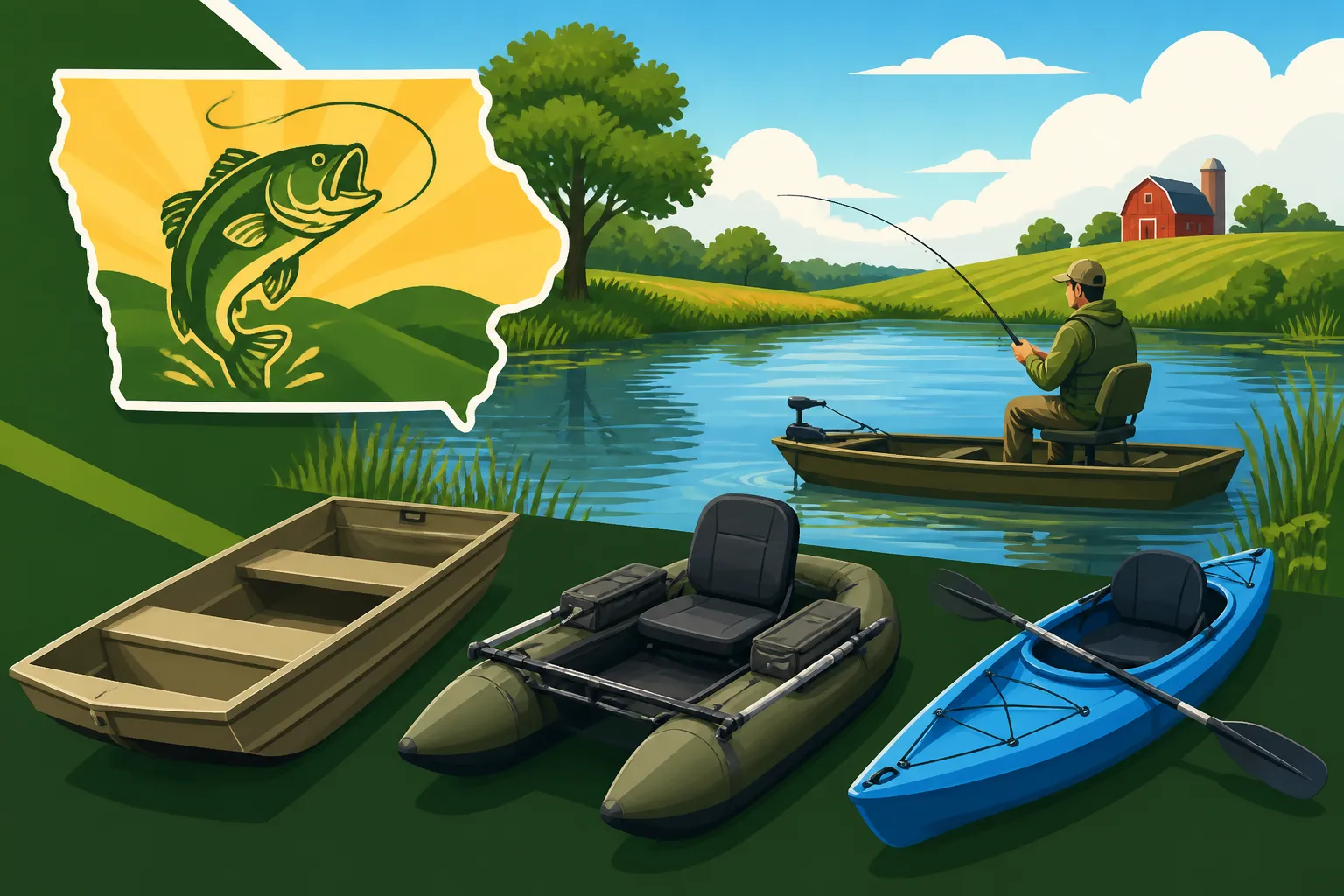
Ah, the trusty Jon boat! If there's a quintessential farm pond boat, it's often a Jon boat. These flat-bottomed, aluminum boats are incredibly versatile and practical for a number of reasons. Their design prioritizes stability and shallow-water performance, making them a fantastic choice for the diverse conditions you'll encounter on an Iowa pond.
They typically range from 10 to 14 feet, offering enough space for one or two anglers and their gear. The flat bottom is a huge advantage, allowing them to float in very shallow water, and making them exceptionally stable for casting or standing to fish. This stability is crucial when you're targeting those elusive bass or crappie from a seated or standing position. While they can be a bit heavier than kayaks or canoes, smaller Jon boats (like a 10-footer) can still be launched and retrieved by hand, especially with a friend. For slightly larger ponds, they can easily accommodate a small electric trolling motor, turning them into highly efficient fishing machines. You can often find a good selection of Jon boats and related accessories at outdoor retailers like Bass Pro Shops.
Kayaks: Stealthy and Nimble Pond Predators
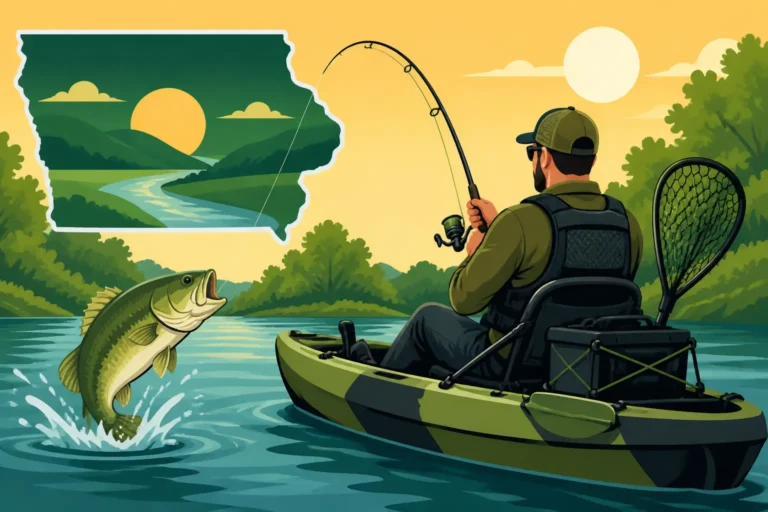
Kayaks have exploded in popularity for fishing, and it's no surprise why they're fantastic for farm ponds. Their stealth, maneuverability, and ease of transport make them an ideal choice for navigating tight spaces and getting right on top of the fish without disturbing them.
Modern fishing kayaks are designed with stability in mind, often wider than recreational kayaks, allowing anglers to stand and cast. They come in various lengths, with shorter models (8-12 feet) being perfect for smaller ponds. Their lightweight construction means they can be easily loaded onto a car roof rack or the back of a pickup and carried a short distance to the water. Paddling is almost silent, which is a massive advantage when stalking wary fish in clear pond waters. While most are propelled by paddle, some fishing kayaks also offer pedal drives or even mounts for small electric motors, giving you hands-free fishing capability. The biggest challenge can be storage space for gear, but clever rigging and accessories can turn a kayak into a surprisingly capable fishing platform. For those looking for a diverse range of kayak options, browsing online marketplaces like Amazon can reveal many choices.
Canoes: Traditional and Versatile Options
The classic canoe has been a staple of anglers for generations, and for good reason. They offer a great balance of capacity, portability, and efficiency, making them a solid choice for many Iowa farm ponds.
Canoes are generally longer than kayaks, often ranging from 12 to 17 feet, providing ample space for gear and multiple anglers. Their open design means you have plenty of room for tackle boxes, coolers, and extra rods. While a bit less stable than a Jon boat, a well-balanced canoe provides a comfortable platform for fishing, especially from a seated position. They're also relatively lightweight for their size, and two people can easily carry and launch most canoes. Like Jon boats, canoes can be fitted with small electric trolling motors for effortless propulsion, a feature that comes in handy when you want to cover more water or fight a strong headwind. Their pointed ends allow them to slice through water efficiently, and they offer a remarkably quiet ride, which, as we know, is paramount for not spooking fish in calm pond environments.
Inflatable Boats: Portable and Surprisingly Capable
When ultimate portability is your top priority, especially for ponds with very difficult access or when storage space is limited, inflatable boats can be a game-changer. Don't mistake them for flimsy pool toys; modern fishing inflatables are robust and surprisingly capable.
These boats can be deflated and packed down into a manageable size, making them easy to transport in a car trunk or pickup bed. This is a huge advantage if you're hiking to a remote pond or just don't have space for a rigid boat. Once at the water's edge, they can be inflated with an electric pump (or a good manual one if you need a workout) in minutes. Most fishing-specific inflatables feature multiple air chambers for safety, durable PVC or Hypalon materials, and even slatted or rigid floor inserts for stability. Many can also accommodate a small trolling motor, expanding their range and utility significantly. While they might not offer the same hard-deck stability as a Jon boat or kayak, they are incredibly buoyant and can handle shallow water with ease. The perceived fragility is often overstated; these boats are designed to withstand hooks, branches, and general fishing abuse, though taking basic precautions is always wise. Do Inflatable Boats Need to Be Registered? in Iowa, for instance, might be a question worth looking into as you consider this option.
Key Considerations When Choosing Your Pond Boat
Picking the "best" boat isn't a one-size-fits-all situation; it depends heavily on your specific needs, the nature of the ponds you fish, and your budget. Thinking through these factors will help you narrow down your choices and find the perfect match.
Portability and Transport
This is probably the single most important factor for farm pond fishing. If you can't get it to the water easily, it doesn't matter how good it is for fishing. Consider how you'll transport the boat from your home to the pond. Do you have a truck bed, a roof rack, or will you need a small trailer?
For solo anglers or those hitting very remote spots, a lightweight kayak, canoe, or inflatable boat that can be carried by one person or easily loaded onto a roof rack is paramount. If you have a friend or family member helping, or access allows for backing a small trailer, then a slightly larger Jon boat becomes a viable option. Always factor in the weight of the boat itself, plus any motors, batteries, and gear. The less hassle involved in getting your boat to the water, the more often you'll actually go fishing. Think about your vehicle's capacity and your own physical ability to handle the boat. An overly heavy boat can quickly turn a fun fishing trip into a frustrating chore before you even wet a line.
Stability and Comfort
Once you're on the water, stability and comfort dictate how enjoyable and effective your fishing experience will be. Different boats offer different levels of stability, and your fishing style will play a big role in what you need.
If you like to stand and cast, sight fish, or move around a lot, a wide, flat-bottomed Jon boat or a dedicated fishing kayak with a stable platform is probably your best bet. These offer excellent primary and secondary stability, meaning they resist tipping both from gentle movements and more aggressive shifts in weight. If you're content sitting and casting, a canoe or a more traditional kayak can be perfectly comfortable. Remember, comfort also extends to seating. Many modern fishing kayaks have raised, adjustable seats that are far more comfortable for long days than sitting directly on the bottom of a boat. Consider how long you typically fish and if you have any physical limitations that might make certain seating positions uncomfortable over time. A stable platform also makes landing a big fish much easier and safer, especially when you're by yourself.
Motor Options and Power
While many farm ponds are small enough for paddle power, having the option for a motor can greatly enhance your fishing experience, allowing you to cover more water or fight windy conditions without exhausting yourself.
For most farm ponds, a small electric trolling motor is the ideal choice. They are quiet, don't pollute the water, and provide enough thrust to move smaller boats efficiently. You'll need to consider the thrust (measured in pounds) relative to your boat's size and weight, and also the battery life. A good deep-cycle marine battery is essential if you plan on using a trolling motor for extended periods. Most Jon boats and many canoes and inflatables are easily adaptable for trolling motors, with transom mounts or side mounts. Kayaks might require specific mounting hardware. Do Electric Trolling Motors Need Registration in Iowa? is a good question to explore, as regulations can sometimes apply even to these smaller, electric-powered crafts, depending on horsepower. Gasoline outboards are generally overkill and often prohibited on smaller, private ponds, so stick to electric for these intimate waters.
Durability and Maintenance
A boat is an investment, even a small one, so thinking about its lifespan and how much effort it will take to maintain it is a smart move. Different materials offer different pros and cons in terms of durability.
Aluminum Jon boats are renowned for their ruggedness. They can take a beating, are resistant to punctures, and require minimal maintenance beyond rinsing them off. Minor dents are often just cosmetic. Rotomolded plastic kayaks and canoes are also incredibly durable, shrugging off impacts with rocks and stumps. They are generally maintenance-free, though prolonged exposure to direct sunlight can cause some fading over many years. Inflatable boats, while surprisingly tough, do require a bit more care. You'll want to avoid sharp objects, clean and thoroughly dry them before storage to prevent mildew, and periodically check seams and valves. However, modern materials are highly resistant to punctures from hooks or minor abrasions. Regardless of the material, proper storage out of direct sunlight and extreme weather will extend the life of any boat. Always clean out any debris or vegetation from your boat after each trip to prevent the spread of aquatic invasive species.
Cost and Storage
Let's talk dollars and sense. Your budget will naturally guide your choices, and it's not just the initial purchase price of the boat itself. Storage is another practical consideration, especially if you don't have a dedicated shed or garage space.
Initial Investment:
| Boat Type | Typical Initial Cost (Shape of Cost) | Primary Advantages for Ponds |
|---|---|---|
| Jon Boat | Generally moderate | Very stable, shallow draft, durable, good for motors |
| Kayak (Fishing) | Can range from low to high | Stealthy, highly portable, good for solo, some motor options |
| Canoe | Generally moderate | Good capacity, portable, traditional, good for motors |
| Inflatable Boat | Typically low to moderate | Ultra-portable, easy storage, surprising capability |
Consider also the cost of accessories: a trolling motor, battery, charger, paddles, anchors, safety equipment (like life jackets, which are required for Boat Safety Equipment for Iowa Waters), and perhaps a roof rack or small trailer. These can add up quickly.
Storage Considerations:
Kayaks and canoes can often be stored vertically against a wall or suspended from a garage ceiling. Inflatable boats, of course, can be deflated and put away in a bag or tote. Jon boats, being rigid, will require more floor space in a garage, shed, or dedicated outdoor spot, potentially covered. If outdoor storage is your only option, invest in a good boat cover to protect it from the elements. Thinking about where you'll keep your boat year-round is just as important as how you'll get it to the pond.
Essential Gear for Your Pond Boat Adventure
Having the right boat is only half the battle; equipping it with the right gear ensures a safe, comfortable, and productive fishing trip. Many of these items are universal, but some have particular relevance for the unique demands of farm pond angling.
Safety First: Life Jackets and Whistles
No matter how calm and small a pond seems, safety should always be your number one priority. Accidents can happen quickly, and even in shallow water, an unexpected fall can lead to trouble.
Always, always wear a properly fitting life jacket. It's not just a recommendation; it's often a legal requirement in Iowa for certain vessel types and age groups. Even if you're a strong swimmer, a life jacket gives you flotation and peace of mind, especially if you're fishing alone. Keep a whistle or other sound-producing device on board as well, as it can be crucial for attracting attention in an emergency. Required Safety Equipment for Iowa Boats outlines all the essentials you'll need. Don't skimp on safety gear; it's an investment in your well-being. A small first-aid kit, flashlight, and a fully charged cell phone in a waterproof case are also smart additions for any outing.
Anchoring Systems for Small Crafts
Even on a small pond, wind can be a factor, pushing your boat around and making it difficult to hold your position over a promising fishing spot. A simple and effective anchoring system is invaluable for pond fishing.
For kayaks and canoes, a small grappling anchor (often 1.5 to 3 lbs) with plenty of rope (at least 50 feet) is usually sufficient. These anchors have collapsible flukes that dig into soft bottoms or snag on underwater structure, providing a good hold. For Jon boats, a slightly heavier mushroom anchor or river anchor might be more appropriate. Consider an anchor trolley system for kayaks, which allows you to deploy and retrieve your anchor from any point along the boat's length, giving you ultimate control over your position. This is particularly useful for holding your boat sideways to the wind while you cast. Ensure your rope is strong enough and always tie off to a secure point on your boat, never just a cleat that might pull out under strain. For insights on how to set up your anchor, you might find tips in How to Anchor a Kayak in Current, even if ponds don't have current, the principles of securing a small craft remain.
Rod Holders and Storage Solutions
Optimizing your fishing experience means keeping your gear organized and easily accessible, especially in smaller boats where space is at a premium. Rod holders are a game-changer for trolling, bait fishing, or simply keeping extra rods safely out of the way.
For Jon boats, clamp-on or bolt-on rod holders are readily available and can be positioned exactly where you need them. Kayaks often come with flush-mount rod holders, or you can add adjustable models to your track system. These are perfect for trolling a bait while you paddle or for storing a rod while you land a fish. Beyond rod holders, think about how you'll store tackle boxes, bait buckets, and other essentials. Waterproof dry bags or small tackle boxes that fit under seats or into hatches are great for keeping your gear protected and organized. The goal is to maximize your fishing space while minimizing clutter, preventing snags and making your day on the water more enjoyable.
Powering Your Pond Boat: Trolling Motors and Batteries
While paddling is a great workout and certainly stealthy, sometimes you want a little extra push to cover water or hold against the wind. Electric trolling motors are the perfect solution for farm ponds.
Choosing the Right Trolling Motor Thrust
Trolling motor thrust is measured in pounds and indicates how much pushing power the motor has. Choosing the right amount of thrust depends on your boat's size, weight, and the conditions you expect to face.
A general rule of thumb is to have at least 2 pounds of thrust for every 100 pounds of fully loaded boat weight (boat + gear + anglers). For most farm pond boats like small Jon boats, canoes, or kayaks, a 30-55 lb thrust motor is usually more than sufficient. This range provides ample power for cruising, holding position, and even navigating through light vegetation. Overpowering your small boat isn't necessary and will only drain your battery faster. Consider a motor with variable speed control, which gives you finer adjustments than fixed speed settings, allowing for precise boat positioning, especially when sight fishing or working a specific piece of structure. Many reputable outdoor brands offer quality trolling motors, and you can compare options across different platforms like Bass Pro Shops or Amazon.
Deep Cycle Batteries for Extended Run Time
Your trolling motor is only as good as the battery powering it. For electric trolling motors, you'll need a deep-cycle marine battery, which is designed to provide a steady draw of power over a long period, unlike a starting battery that delivers a quick burst of power.
The capacity of a deep-cycle battery is measured in amp-hours (Ah). A higher amp-hour rating means a longer run time for your trolling motor. For a full day of pond fishing, especially if you plan to use your motor frequently, a battery with at least 100 Ah is a good starting point. You'll also need a compatible charger to keep your battery topped up between trips. Proper battery care, like keeping it charged and stored in a cool, dry place, will extend its lifespan. How Long a Trolling Motor Battery Lasts is a common concern, and investing in a quality battery and maintaining it well will ensure you have power when you need it most. Some anglers even carry a small, portable jump-start battery or a second, smaller deep-cycle battery as a backup for longer trips, though for most farm ponds, one well-maintained battery should suffice.
Getting Your Boat to the Pond: Transport and Launch Strategies
So, you've picked the perfect pond boat. Now, how do you actually get it from your driveway to the water's edge? This often requires a bit of planning, especially given the typical lack of formal launch facilities at farm ponds.
Vehicle-Mounted Transportation Solutions
For many smaller boats, vehicle-mounted transport is the most practical and often the only option. This avoids the need for a separate trailer and allows you to access more remote spots.
Roof Racks: For kayaks, canoes, and even smaller, lighter Jon boats, a good roof rack system on your car, SUV, or truck cab is invaluable. Ensure your rack is rated for the weight of your boat and that you use proper tie-downs (bow and stern lines, plus straps over the hull) to secure it safely. There are specialized cradles and rollers available that make loading and unloading much easier, especially if you're alone.
Truck Bed: A pickup truck bed is fantastic for shorter boats, like kayaks up to about 10-12 feet, or even a smaller Jon boat if it fits diagonally. Always secure the boat to the truck bed to prevent shifting during transit. For longer boats that extend beyond the tailgate, use a red flag on the protruding end, as required by law, and ensure it's securely tied down to prevent it from bouncing out.
Manual Launching and Retrieval Techniques
Since formal ramps are rare, you'll become an expert in manual launching and retrieval. This often involves a blend of careful maneuvering, smart gear, and sometimes, a little brute force.
Drag and Slide: For Jon boats and heavier plastic kayaks, a common technique is to slowly drag or slide the boat from your vehicle to the water. Using a set of small, inflatable launching wheels (often called a "kayak cart" or "boat dolly") can make this process significantly easier, saving your back and preventing damage to the boat. You simply strap the wheels to the boat, roll it to the water, then remove the wheels and toss them in.
Two-Person Carry: For canoes and many kayaks, a two-person carry is often the simplest method. One person holds the bow, the other the stern, and you walk it down to the water. Coordinate your movements, especially on uneven ground, to prevent trips and spills.
Consider the Approach: Before you even unload your boat, scout the launch area. Look for the least muddy, least vegetated, and most stable ground to approach the water. A little reconnaissance can save a lot of effort and frustration. Remember to be mindful of private property, and always secure permission before accessing any farm pond. License Rules for Fishing on Private Property provides helpful guidance on this.
Maintaining Your Pond Boat for Longevity
Proper care and maintenance will ensure your farm pond boat remains a reliable companion for many fishing seasons. It's not just about extending its life; it's about keeping it safe and enjoyable to use.
Cleaning and Inspection After Each Trip
Just like any piece of fishing gear, a little effort after each outing goes a long way. This isn't just about aesthetics; it's about preventing problems down the line.
Rinse and Wipe: After every trip, give your boat a good rinse with fresh water. This removes mud, pond scum, and any aquatic vegetation. For inflatable boats, make sure to thoroughly dry them before storage to prevent mildew and degradation of the material. For rigid boats, a quick wipe-down helps keep them looking good and prevents accumulation of grime.
Inspect for Damage: While cleaning, take a moment to inspect your boat for any signs of wear and tear. Look for scratches, dents, or punctures on rigid boats, and check seams and valves on inflatables. Early detection of small issues can prevent them from becoming major problems later. For inflatables, a small repair kit with patches and glue is a must-have, allowing you to fix minor leaks on the spot.
Proper Storage for Off-Season and Beyond
How you store your boat, especially during the long Iowa winters, has a significant impact on its longevity and readiness for the next fishing season.
Out of the Elements: Ideally, store your boat indoors in a garage or shed. This protects it from UV rays, extreme temperatures, and harsh weather that can degrade materials over time. If indoor storage isn't an option, use a high-quality, breathable boat cover if storing outdoors. Elevate the boat slightly off the ground to prevent moisture buildup and allow for air circulation.
Avoid Direct Sunlight: UV rays are particularly damaging to plastic kayaks and canoes, and can also degrade the PVC/Hypalon of inflatable boats. Whenever possible, store your boat in the shade or under a cover.
Inflatables Specifics: If you have an inflatable, it's generally best to store it partially inflated (not fully deflated and tightly folded) in a climate-controlled environment. This reduces stress on the seams and folds. If you must store it deflated, ensure it is completely clean and dry to prevent mildew before carefully folding it.
A well-maintained boat is a happy boat, and a happy boat means more enjoyable fishing trips to those serene Iowa farm ponds.
Disclaimer
This article is for general informational purposes only and does not constitute professional advice. Laws, prices and regulations vary by location and change over time. Consult a qualified professional for guidance on your specific situation.