Trout Fishing Gear for Iowa Streams
Stepping into the world of Iowa trout fishing can feel a little daunting, can't it? You might see seasoned anglers kitted out with all sorts of specialized gear and wonder if you need to take out a second mortgage just to get started. It’s a common frustration, feeling like you need an advanced degree in tackle just to enjoy a peaceful day on the stream. But trust me, it doesn't have to be that way! This comprehensive guide will strip away the confusion, walking you through all the essential and helpful gear you'll need to chase those beautiful Iowa trout, from rods and reels to waders and flies, all without breaking the bank or feeling like you're buying things you don't truly need.
The Essential Rod and Reel Setup for Iowa Trout Streams
When you're wading through a picturesque trout stream in northeast Iowa, your rod and reel are your primary connection to the fish. Choosing the right setup isn't about having the fanciest gear, but about having equipment that performs well in the unique environment of these smaller, often brushy waters. You want something responsive, capable of delicate presentations, and stout enough to handle a feisty trout in current.
Rod Selection: Length, Action, and Power
For stream trout, flexibility and precision are key. You're often casting into tight pockets, under overhanging branches, or along undercut banks. A long, stiff surf rod isn't going to cut it here, obviously! What you're looking for is a rod that allows for accurate, short-to-medium casts and can absorb the shock of a trout's fight without snapping your light line.
Most anglers targeting trout with spinning gear in Iowa's smaller streams will gravitate towards rods in the 5 to 6.5-foot range. A shorter rod, say 5 feet, offers excellent maneuverability in thick brush and makes precise casting a breeze. It's fantastic for "dapping" a bait into a tight spot or making quick, roll casts. If you find yourself on slightly wider stretches or want a bit more casting distance, a 6 to 6.5-foot rod offers a good compromise. As for action, a light or ultra-light power rod with a fast to moderate action is ideal. "Power" refers to the rod's strength and how much pressure it takes to bend it, while "action" describes where along the rod the bend occurs. An ultra-light power means it's sensitive and will bend significantly, protecting your light line and making even a small trout feel like a champion. A fast action means the rod bends mostly in the tip, giving you sensitivity and quick hook-sets, which is crucial for quick-strike trout. A moderate action, bending further down the blank, provides a smoother, more parabolic bend, often preferred for protecting ultra-light lines with larger fish or for a more forgiving casting experience.
Reel Choice: Spinning vs. Fly Reels
Your reel is the second half of this crucial pairing, and its main job is to hold your line, manage drag, and balance your rod. For conventional trout fishing, a small spinning reel is typically the go-to.
Spinning Reels: For Iowa trout, a 1000 or 2000 series spinning reel is perfectly sized. These reels are lightweight, balance well on ultra-light rods, and have smooth drags to prevent break-offs when a trout decides to bolt. A good quality spinning reel will have a smooth retrieve, minimal wobble, and a reliable drag system that can be finely adjusted. You don't need dozens of bearings; a few high-quality ones are far better than many cheap ones. When considering spinning reels, prioritize durability and a consistent drag over flashy features. Many reliable options are available at local tackle shops or online retailers like Bass Pro Shops.
Fly Reels: If you're venturing into the world of fly fishing for trout, your reel serves a slightly different purpose. While it holds your line, its primary role isn't for fighting the fish with drag as much as it is for balancing the rod and storing excess fly line. For Fly Fishing for Trout in Iowa Streams, a 3-weight to 5-weight fly reel is appropriate, matching the weight of your fly rod. Look for a reel with a smooth, reliable disc drag system, even if it's not going to be heavily used for fighting fish, as it's still good to have that backup.
Line and Leader Considerations
The line connecting you to the fish is often overlooked but plays a huge role in success, especially with finicky trout. You need lines that are low-visibility, strong for their diameter, and cast well.
For spinning setups, a high-quality monofilament or fluorocarbon line in 2 to 4-pound test is usually sufficient. Monofilament is more forgiving due to its stretch and is generally less expensive, making it a great choice for beginners. Fluorocarbon, on the other hand, is nearly invisible underwater, has very little stretch for increased sensitivity, and sinks, which can be beneficial when fishing with small baits or jigs. However, it's also stiffer and can be more prone to memory. Many anglers opt for a main line of light monofilament and tie on a short fluorocarbon leader for that extra stealth.
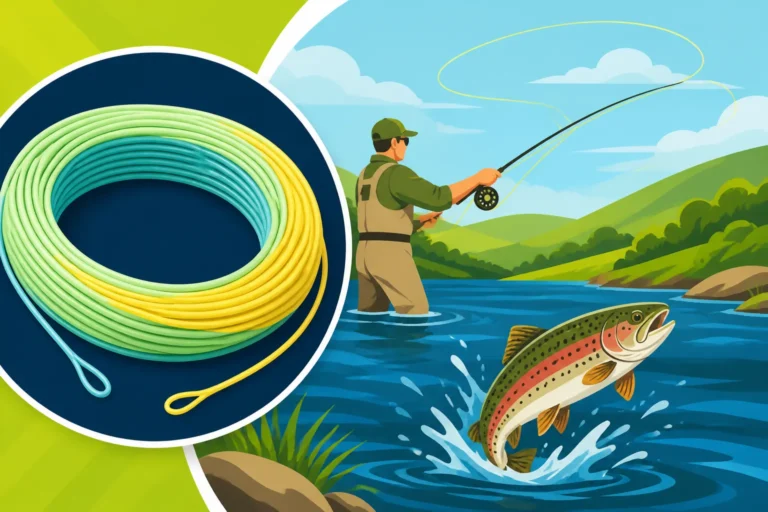
Fly fishing lines are a whole different beast. You'll need a weight-forward fly line that matches your rod's weight (e.g., a 4-weight line for a 4-weight rod). This specialized line, often thicker and heavier than monofilament, is what provides the casting weight. Attached to your fly line will be a tapered leader, typically 7.5 to 9 feet long, which gradually thins out to a fine point. To this leader, you'll add a section of tippet material, which is very fine monofilament or fluorocarbon (usually 4X to 6X, equivalent to about 4-2 lb test). The tippet is what you tie your fly to, and it's designed to be the weakest link, so you only lose the fly and tippet in a snag, not your entire leader. Getting your Best Fly Rod Setup for Trout sorted includes understanding this critical line system.
| Rod Type | Ideal Length (feet) | Power | Action | Best Use Cases for Iowa Streams |
|---|---|---|---|---|
| Spinning | 5' – 6.5' | Ultra-Light | Fast-Mod | Casting small lures/bait in tight quarters, delicate presentation |
| Fly | 7'6" – 8'6" | 3-5 Weight | Mod-Fast | Presenting flies naturally, delicate drifts, roll casting |
Waders and Footwear: Staying Dry and Stable
Ah, the joy of being in the water, not just by it! Waders are truly game-changers for trout fishing, allowing you to access prime spots, stay cool in summer, and warm in colder months. But more importantly, paired with the right boots, they offer stability and safety when navigating slippery stream beds. You might ask, Do You Need Waders for Iowa Trout Streams? While you can fish from the bank, getting into the water opens up so many more opportunities and makes for a more immersive experience.
Understanding Wader Types: Breathable vs. Neoprene
Choosing between breathable and neoprene waders largely depends on when and where you plan to fish most often. Both have their distinct advantages and disadvantages.
Breathable Waders: These are typically made from multi-layered synthetic fabrics like Gore-Tex or proprietary materials that allow perspiration to escape while preventing water from entering. They are incredibly versatile and are the top choice for most year-round anglers. In warmer weather, they prevent you from overheating. In colder weather, you can layer insulated clothing underneath to stay warm. Their lightweight nature and flexibility make them very comfortable for hiking to those more remote Trout Fishing Streams in Northeast Iowa. The upfront cost might be a bit higher, but their comfort and adaptability usually make them worth the investment for serious anglers.
Neoprene Waders: Think of these as a wetsuit for your legs. Made from the same material as scuba diving suits, neoprene waders offer excellent insulation and are fantastic for fishing in really cold water, like during late fall or early spring, or even when winter trout are stocked. They are durable and quite puncture-resistant. The trade-off is that they don't breathe. Wear them on a warm day, and you'll quickly become a sweaty mess. They're also bulkier and can be a bit more restrictive in terms of movement. If your primary goal is cold-weather trout fishing, they are a solid, often more budget-friendly, choice. If you're looking for Best Waders for Cold Water Trout Fishing, neoprene should definitely be on your radar.
Wading Boots for Secure Footing
Having the best waders in the world won't do you much good if you're constantly slipping and sliding. Wading boots are arguably just as important, if not more so, than the waders themselves when it comes to safety and comfort on the stream. They are designed to provide superior traction on slick rocks, gravel, and mud.
Wading boots typically feature felt soles, rubber soles, or a combination.
- Felt soles offer incredible grip on wet, slimy rocks, making them a favorite for many trout anglers. However, they can pick up invasive species (though many regulations address this, and proper cleaning is crucial) and perform poorly on mud, snow, or dry land.
- Rubber soles are more versatile, performing better on varied terrain, including dry land and mud, and are easier to clean. Many rubber-soled boots now incorporate sticky rubber compounds or carbide studs to enhance grip on wet surfaces. Some boots even allow for interchangeable soles, so you can swap felt for rubber depending on the conditions.
When trying on wading boots, remember to wear the thick socks you'd normally fish in, as well as the stockingfoot waders. You want a snug fit that prevents your foot from sliding around, but not so tight that it restricts circulation.
Essential Accessories: Wading Staff and Belt
Beyond the waders and boots, a couple of accessories are non-negotiable for safety and comfort.
Wading Staff: This isn't just for old-timers! A wading staff is a crucial safety tool, especially when navigating unfamiliar waters or areas with strong currents and uneven bottoms. It provides a third point of contact, helping you maintain balance and probe the depth and stability of the streambed before taking a step. Many staffs are collapsible and can be clipped to your wading belt, staying out of the way until you need them. Even in relatively calm Iowa streams, you'll encounter slippery patches and sudden drop-offs, making a staff an invaluable aid.
Wading Belt: Almost all waders come with a belt, and for good reason! Always wear it and keep it cinched snugly. In the unlikely event you take a tumble and fall into deeper water, the wading belt helps prevent water from rushing up your waders, which can make it incredibly difficult to stand up or swim. It creates a seal, trapping air in the lower portion of your waders, which can actually provide some buoyancy and give you a precious few seconds to recover. Safety first, always!
Tackle Box Essentials: Lures, Bait, and Terminal Tackle
Once you've got your personal gear sorted, it's time to think about what you'll use to actually catch those trout! A well-stocked, but not overloaded, tackle box is crucial. You don't need every gadget under the sun, but having the right selection of lures, baits, and terminal tackle will prepare you for various stream conditions and trout preferences.
Artificial Lures: Spinners, Spoons, and Jigs
Artificial lures can be incredibly effective for Iowa trout, especially after a fresh stocking or when the fish are actively feeding. The key is to choose small, realistic presentations that mimic the natural food sources or provoke an aggressive strike.
Spinners: These are perhaps the most iconic trout lures. Brands like Rooster Tail, Mepps, and Panther Martin are popular for a reason—they work! The spinning blade creates flash and vibration that imitate small baitfish or insects. For stream trout, stick to sizes from 1/32 to 1/8 ounce. Colors like silver, gold, black, brown, and chartreuse are great starting points. Different blade types (Colorado, Indiana, Willowleaf) offer varying degrees of flash and vibration; a simple in-line spinner is often all you need. The trick is to cast upstream and retrieve just fast enough to get the blade spinning as it drifts downstream, covering likely holding spots.
Spoons: Small casting spoons, usually 1/16 to 1/8 ounce, can also be deadly. Their wobbling action when retrieved mimics an injured baitfish. Little Cleo, Dardevle, and Kastmaster are common choices. Silver, gold, and brass are classic colors, often with a contrasting stripe or dot. Spoons are particularly effective in slightly deeper pools or runs where trout might be holding.
Jigs: Tiny jigs, especially those tipped with a small plastic grub, marabou, or even a piece of live bait, are excellent for probing deeper holes or slower currents. Sizes 1/32 to 1/8 ounce are perfect. White, black, brown, olive, and chartreuse are all good colors. Marabou jigs, in particular, have a natural breathing action in the water that can entice even wary trout. Vary your retrieve, from a slow, steady pull to a subtle jigging motion near the bottom, trying to imitate aquatic insects or small forage.
Natural Baits and Their Presentation
Sometimes, especially for recently stocked trout or those that are less aggressive, natural bait is the most reliable option. The key is to present it naturally, mimicking something that would typically drift downstream.
Worms (Nightcrawlers, Redworms): Good old worms are a trout staple. A small piece of nightcrawler or a full redworm can be incredibly effective. Thread it onto a small hook (size 8-12) so it looks natural. The scent and movement are often irresistible.
PowerBait (or similar scented dough baits): These brightly colored, scented baits are practically synonymous with stocked trout. They come in various shapes and colors (glitter is often a bonus) and are designed to float, so you can present them just off the bottom using a small split shot weight a foot or so up the line. Chartreuse, rainbow, and white are perennial favorites.
Corn and Salmon Eggs: Believe it or not, kernel corn can be a secret weapon for stocked trout. The bright color and soft texture often mimic hatchery pellets. Single salmon eggs or clusters are also highly effective, drifting naturally in the current.
Crickets/Grasshoppers: In summer, when these insects are abundant near stream banks, they make fantastic natural baits. Fish them on the surface or with minimal weight, allowing them to drift like a fallen bug. Remember to check local Iowa Fishing Regulations Explained for any bait restrictions on specific trout streams.
Hooks, Sinkers, and Swivels: The Small but Mighty Details
Don't underestimate the importance of your terminal tackle. These small components are what keep your bait or lure connected and presented correctly.
Hooks: For trout fishing, sharp, small hooks are essential. Size 8, 10, or even 12 single hooks are ideal for worms, corn, or salmon eggs. If you're using PowerBait, a treble hook in a size 12-16 might be easier for the trout to mouth, but many prefer single hooks for easier release and less damage to the fish. Barbless hooks are highly recommended, especially if you plan on catch-and-release fishing, as they cause less harm to the fish and are often required in certain Trout Stream Regulations in Northeast Iowa.
Sinkers (Weights): The goal with sinkers is to get your bait or lure to the desired depth without hindering its natural presentation. Small split shot weights are perfect for stream fishing. You can pinch them directly onto your line a foot or two above your hook or lure. Use just enough weight to get your bait down and to allow for a natural drift with the current. In faster water, you might use a slightly heavier weight or more split shot to keep your bait from being swept away too quickly.
Swivels: Swivels prevent line twist, especially when using spinners. A small barrel swivel or an even smaller snap swivel can be tied between your main line and leader. For very light line and delicate presentations, some anglers omit swivels entirely to reduce visibility, but be prepared for potential line twist. If you're using tiny lures on light line, a good quality ball-bearing swivel can make a difference. Many of these essential small items are easy to find at any outdoor store or on Amazon.
Fly Fishing Specific Gear for Iowa Trout
If you've heard the gentle whisper of the fly rod and are thinking about trying your hand at Fly Fishing for Trout in Iowa Streams, you're in for a rewarding experience. It's a different discipline, focusing on delicate presentation and mimicking insect life. The gear reflects this specialized approach, emphasizing balance and finesse.
Fly Rod and Reel Matching
The very first step in fly fishing is understanding how the rod and reel work together as a balanced unit. Unlike spinning gear where the lure's weight casts the line, in fly fishing, it's the weight of the line that casts the fly.
Fly Rods: For Iowa's trout streams, a fly rod in the 3 to 5-weight range is typically perfect. A 3-weight is incredibly delicate and fun for smaller fish and tiny flies, offering the ultimate finesse. A 4-weight is often considered the all-around "trout rod," capable of handling most situations, from small dries to light nymph rigs. A 5-weight provides a bit more backbone for slightly larger flies, windier conditions, or if you might encounter an occasional larger fish. Rod length usually falls between 7 feet 6 inches and 9 feet. Shorter rods (7'6" to 8'6") are excellent for the tighter, brushier streams of Iowa, allowing for easier casting in confined spaces. Look for a rod with a moderate to fast action, which provides a good balance of casting performance and sensitivity for detecting subtle takes.
Fly Reels: As mentioned earlier, a fly reel's primary purpose is to hold your fly line and backing (a thin, strong line attached to your fly line to give you more running room if a big fish takes off) and to balance the rod. A reel should match your rod's weight (e.g., a 4-weight reel for a 4-weight rod). While a super-expensive, finely-tuned drag isn't strictly necessary for most Iowa trout, a smooth, consistent drag is a plus. Look for something durable, with minimal wobble, and that feels good in your hand when paired with your rod. A decent Best Fly Rod Setup for Trout will always emphasize this rod and reel balance.
Fly Line, Leaders, and Tippet
This is where fly fishing really diverges from conventional tackle. Your line system is critical to successful fly presentation.
Fly Line: This is the heart of your casting system. For stream trout, a weight-forward (WF) floating line is the most common choice. "Weight-forward" means the weight is concentrated towards the front of the line, making it easier to cast longer distances and turn over your leader and fly. "Floating" means it stays on the surface, which is essential for dry fly fishing and allows for easy mending (managing the line on the water) for natural drifts with nymphs. Ensure your fly line matches your rod weight.
Leaders: A tapered leader is attached to the end of your fly line. It's thick at the butt section (where it connects to the fly line) and gradually tapers down to a much finer point. This taper helps transfer casting energy smoothly, allowing your fly to land delicately. For trout, 7.5 to 9-foot leaders are common. You'll typically use a leader with a specific "X" designation at the tippet end, such as 4X, 5X, or 6X. The lower the X number, the thicker the tippet end of the leader.
Tippet: This is a crucial, fine section of line that you tie to the end of your tapered leader, and then attach your fly to. Tippet material is typically sold on small spools and comes in various diameters, also designated by X numbers (e.g., 4X, 5X, 6X, 7X). Using tippet allows you to change flies without shortening your expensive tapered leader, and it acts as a "fuse" – if you snag your fly, the tippet breaks, saving your leader and fly line. Match your tippet to the size of your fly and the size of the fish you expect to catch. For typical Iowa trout, 4X, 5X, or even 6X tippet will cover most situations.
Essential Fly Patterns for Iowa Streams
Iowa's trout streams host a variety of insect life, and having a small selection of flies that mimic these creatures is key. You don't need hundreds of patterns; a dozen well-chosen flies can get you through most days.
Dry Flies: These imitate insects that land on the water's surface. Classic patterns include Elk Hair Caddis (various colors/sizes), Parachute Adams (a great all-around mayfly imitation), and grasshopper/ant patterns for summer. Size 12-18 will cover most needs. Look for these flies when you see trout rising to feed on the surface.
Nymphs: Nymphs imitate the larval and immature stages of aquatic insects that live on the stream bottom. Most of a trout's diet consists of nymphs, making them incredibly effective year-round. Patterns like Pheasant Tail Nymph, Hare's Ear Nymph, Prince Nymph, and a simple Copper John are absolute must-haves. Size 12-18 are good starting points. Nymphing Techniques for Iowa Trout Streams are often the most productive way to catch fish, especially when nothing is rising.
Streamers: These flies imitate small baitfish or leeches. While not as commonly used on Iowa's smaller streams as nymphs or dry flies, small Woolly Buggers (black, olive, brown) can be very effective, especially after a rain or when targeting more aggressive fish. Size 8-12 is a good range.
Carry a small fly box with a variety of these patterns, ready for whatever the trout are feeding on.
Nets, Tools, and Safety Equipment
Beyond the fishing gear itself, a few other items are crucial for a successful, ethical, and safe trout fishing trip. Don't overlook these often-forgotten essentials!
Landing Nets for Conservation
A landing net isn't just a convenience; it's a vital tool for the health and conservation of the trout, especially if you plan on practicing catch and release. Landing a fish by hand, particularly larger ones, can stress the fish and rub off its protective slime layer, making it more susceptible to disease.
For stream trout, a small, lightweight net with a rubber or knotless mesh is ideal.
- Rubber nets are the best choice. They are gentlest on the fish, don't tangle hooks, and prevent the removal of the fish's protective slime coat. They are also easy to clean.
- Knotless mesh nets are a good second option, being gentler than traditional knotted mesh, which can scrape scales and damage fins.
Choose a net with a short handle that can be easily tucked behind you or clipped to your vest/pack, so it's out of the way while casting but quickly accessible when you hook a fish. A good quality net is an investment in the fishery. Having the Best Net for Landing Trout means you're prepared to handle your catch responsibly.
Pliers, Hemostats, and Other Handy Tools
Even with barbless hooks, sometimes a fish swallows the hook a bit deeper, or you need to re-crimp a split shot. Having the right tools at hand makes a world of difference.
Forceps/Hemostats: These are probably the most important tool for safely removing hooks. Their long, slender jaws allow you to reach into a fish's mouth and grab the hook shank, even if it's set deep. The locking mechanism means you can get a secure grip. Always carry a pair.
Small Pliers (e.g., Needle-nose): Useful for cutting line, crimping split shot, or flattening barbs on hooks (if you didn't buy barbless). A multi-tool with a pair of pliers can also work.
Line Clippers: Small, sharp clippers (often found on a retractor for easy access) are much more efficient than fumbling with a knife or your teeth when tying knots and trimming tag ends. Some even come with a small eye-poker for clearing hook eyes.
Hook Sharpener: A small hook file or ceramic sharpener can quickly refresh a dull hook point, turning a missed strike into a landed fish.
First Aid and Personal Safety Gear
Beyond the immediate fishing, ensuring your personal safety is paramount, especially when you're in remote areas. Iowa's trout streams are beautiful, but accidents can happen.
Small First-Aid Kit: Carry a compact kit containing essentials like band-aids, antiseptic wipes, pain relievers, and any personal medications. Even a small cut from a hook or a scrape from a fall on a slippery rock can become an issue if not treated.
Water Bottle/Hydration Pack: Staying hydrated is key, especially on longer excursions.
Snacks: Energy bars, nuts, or fruit can keep you fueled throughout the day.
Whistle: In case of emergency, a loud whistle can help attract attention if you're injured or lost.
Headlamp/Flashlight: Even if you plan to be off the water before dark, delays can happen. A light source is essential.
Map/GPS (or fully charged phone): Know your location and how to get back to your vehicle. Cell service can be spotty in some remote stream valleys.
Fishing License and Trout Fee: Make sure you have your Iowa Fishing License Guide and your Iowa Trout Fishing Fee and Stamp Guide with you! Fishing without them can lead to fines and a ruined day.
Clothing and Accessories for Comfort on the Stream
Being comfortable means you can focus on fishing, not on being too hot, too cold, or soaked. Layering is the name of the game, especially with Iowa's often unpredictable weather.
Layering for Iowa's Variable Weather
The secret to comfort on the water is layering. It allows you to adapt to changing temperatures throughout the day.
Base Layer: This is the layer closest to your skin. Choose moisture-wicking materials like merino wool or synthetic fabrics. Cotton is a no-go, as it holds moisture and will make you feel cold once wet. A good base layer will keep you dry by pulling sweat away from your body.
Mid Layer: This provides insulation. A fleece jacket, a light puffy vest, or a wool sweater works well. This layer traps warm air and can be easily added or removed as needed.
Outer Layer: Your protection against the elements. A waterproof and windproof jacket is essential. Even on a clear day, a sudden shower can blow in. Look for something breathable that won't restrict your casting motion. In colder weather, this might be a heavier insulated jacket. Remember to consider your Best Waders for Cold Water Trout Fishing choice in conjunction with your layering for maximum warmth.
Headwear, Eyewear, and Sun Protection
Protecting yourself from the sun, glare, and even stray hooks is incredibly important for comfort and safety.
Hat: A wide-brimmed hat or a baseball cap protects your face and neck from the sun. In cooler weather, a warm beanie or wool cap helps retain body heat.
Polarized Sunglasses: These are a game-changer for trout fishing. They cut through the glare on the water's surface, allowing you to see into the stream, spot structure, and sometimes even see fish! They also protect your eyes from UV rays and, importantly, from errant hooks during casting.
Sunscreen: Apply sunscreen to any exposed skin, even on cloudy days, to prevent sunburn.
Vests, Packs, and Storage Solutions
You've got your gear, now how do you carry it conveniently and securely on the stream?
Fishing Vest: A classic choice for fly anglers, vests offer numerous pockets for organizing fly boxes, leaders, tippet, tools, and other small items. They keep everything easily accessible on your chest, without needing to take off a backpack.
Chest Pack/Sling Pack: These are modern alternatives to vests, often favored by both fly and spin anglers. Chest packs sit on your front, offering similar accessibility to vests but often with fewer pockets. Sling packs are worn over one shoulder and across your back, and can be swung around to your front for access. Both keep your back clear, which can be nice in warmer weather.
Backpack: For longer hikes or if you need to carry extra water, food, or additional layers, a small, waterproof backpack is invaluable. Some backpacks are designed specifically for fishing, with external attachment points for nets or rod tubes.
The goal is to keep essential items easily reachable while fishing, and bulkier items stored securely for when you need them.
Specialized Gear for Winter Trout Fishing
Iowa's trout season, for many streams, extends year-round. This means that if you're dedicated, you might find yourself on the water when the air is crisp, and even ice can be forming along the edges. Winter trout fishing offers a unique challenge and requires some specific gear adjustments to stay warm, safe, and effective. Don't let a little cold scare you off – the streams can be incredibly beautiful and peaceful in winter.
Cold Weather Apparel and Insulation
Layering becomes absolutely critical in winter, and you'll need more of it. Forget cotton entirely.
Insulated Base Layers: Start with high-quality merino wool or heavy-duty synthetic base layers on both your top and bottom. These will trap warmth and wick away moisture.
Heavy Mid-Layers: Think fleece pants under your waders, and a substantial fleece jacket or even a down/synthetic puffy jacket over your base layer. The goal is to create multiple air pockets for insulation.
Waterproof Outer Layers: Your waders need to be paired with warm, waterproof layers. If using breathable waders, ensure you have enough insulation underneath. A thick, insulated waterproof wading jacket is crucial to protect your upper body from cold winds and any unexpected splashes.
Warm Headwear and Gloves: A wool or fleece beanie is non-negotiable, as you lose a lot of heat through your head. For your hands, waterproof, insulated gloves or mittens are a must. Many anglers use fingerless gloves for dexterity while casting and tying knots, and then pull full mittens over them when not actively fishing.
Warm Socks: Multiple pairs of wool socks are your best friend. Your feet will get cold quickly if not properly insulated within your wading boots.
Ice-Free Line Treatments and Guides
When temperatures drop below freezing, your fishing line and rod guides can quickly become an icy mess, making casting and retrieving a nightmare.
Line Dressings: There are specialized line treatments, often silicone-based, that you can apply to your fly line (for fly fishing) or even spinning line. These create a slick, water-repellent barrier that helps prevent ice from building up on the line itself.
Rod Guide Lubricants: You can also apply similar treatments to your rod guides. Some anglers simply carry a small bottle of glycerin (found in pharmacies) and apply it to their guides to keep them ice-free. Be prepared to reapply often.
The "Breath Trick": Many experienced winter anglers simply breathe warm air onto their rod guides every few casts to melt away ice. It's low-tech but effective in a pinch.
Staying Warm and Safe in Freezing Conditions
Beyond gear, your approach to fishing in cold weather needs to be more cautious and prepared.
Hand Warmers: Disposable chemical hand warmers are small wonders. Pop them into your pockets or even inside your gloves or wading boots for an instant boost of warmth.
Hot Drinks/Food: A thermos of hot coffee, tea, or soup can be a morale booster and help maintain core body temperature. High-calorie snacks are also good for energy.
Know Your Limits: Don't push yourself in extreme cold. Hypothermia is a serious risk. If you start shivering uncontrollably, or your fingers and toes become numb and painful, it's time to head in.
Buddy System: Whenever possible, fish with a buddy in winter. If one of you falls or has an issue, the other can assist.
Check Ice Conditions: While most stream fishing avoids thick ice, pockets of ice can form near banks or in slower sections. Always be aware of your footing and potential hazards. When fishing, remember to renew your Iowa Fishing License Guide each year, no matter the season, and ensure you have the necessary Iowa Trout Fishing Fee and Stamp Guide.
Budgeting Your Trout Fishing Gear: Where to Splurge and Where to Save
One of the biggest concerns for new anglers, and even experienced ones, is the cost of gear. It's easy to get caught up in the marketing hype and think you need top-of-the-line everything. But the reality is, you can put together a perfectly effective and enjoyable trout fishing kit without emptying your wallet. The trick is knowing where to prioritize your spending.
Prioritizing Core Equipment
When you're building your trout fishing arsenal, some items are simply more critical than others. Investing a bit more in these core pieces will significantly enhance your experience and success.
Rod and Reel: This is your primary connection to the fish, so don't completely cheap out here. A quality rod provides better feel, casting accuracy, and fighting power. A smooth, reliable drag system on your reel prevents lost fish and line breakage. You don't need the most expensive flagship models, but stepping up a tier or two from the absolute entry-level will make a noticeable difference in performance and durability. A good mid-range combo from a reputable brand (check out options at Bass Pro Shops) will serve you well for years.
Waders and Wading Boots: Your comfort and safety depend on these. Leaky waders are miserable, and slippery boots are dangerous. Invest in breathable waders if you plan to fish year-round, and always get dedicated wading boots with good traction. Ill-fitting or poor-quality waders can ruin a day faster than anything. Remember that the Iowa Fishing License Guide is another non-negotiable, and not something to skimp on!
Line and Terminal Tackle: A surprisingly common mistake is to spend a lot on a rod and reel, then use cheap, old line. Your line is the only thing connecting you to the fish! Buy fresh, quality monofilament, fluorocarbon, or fly line. Similarly, sharp hooks, appropriate weights, and quality swivels are inexpensive but crucial. Don't let a cheap hook be the reason you lose a trophy trout.
Smart Shopping for Quality and Value
You don't have to buy everything brand new or at full price. There are plenty of ways to be a savvy shopper.
Sales and Clearance: Keep an eye out for seasonal sales, end-of-season clearance events, or holiday promotions at major retailers like Bass Pro Shops or online platforms like Amazon. You can often snag high-quality gear at significant discounts.
Used Gear: Check local classifieds, online marketplaces, or even consignment sections at specialty fly shops. Many anglers upgrade their gear regularly, and you can find perfectly good used rods, reels, and even waders for a fraction of the original cost. Just be sure to inspect items thoroughly for damage before buying.
Entry-Level Combos: Many brands offer excellent "starter" rod and reel combos, especially for fly fishing. These are often well-balanced and provide great value, giving you a solid foundation without having to piece together individual components.
Prioritize Versatility: Instead of buying highly specialized gear for every niche scenario, look for items that can do double duty. A 4-weight fly rod, for example, is versatile enough for most Iowa trout situations.
Building Your Kit Over Time
You don't need to buy your entire dream setup all at once. Start with the absolute essentials, get out on the water, and see what you actually need and what your personal preferences are.
Start Basic: Begin with a reliable rod and reel, a selection of proven lures/baits, a good pair of waders and boots, and basic safety items.
Add as You Go: As you gain experience, you'll naturally identify what other pieces of gear would be most beneficial for your style of fishing and the waters you frequent. Maybe you find you love Nymphing Techniques for Iowa Trout Streams and want a specific indicator setup, or you want to expand your fly patterns.
Invest in Experience: The best "gear" is time spent on the water. The more you fish, the better you'll understand what works for you and what fish respond to, making your gear choices more informed over time. Don't forget that even the Iowa Fishing Season Dates and Limits might influence your gear choices, as certain times of year can present unique challenges or opportunities that require specific tools.
It’s about enjoying the journey, not just acquiring the most expensive toys. With a thoughtful approach to your gear, you’ll be well-equipped to enjoy the incredible trout fishing opportunities Iowa has to offer, without the financial headache.
Disclaimer
This article is for general informational purposes only and does not constitute professional advice. Laws, prices and regulations vary by location and change over time. Consult a qualified professional for guidance on your specific situation.