Are Asian Carp Dangerous to Boaters?
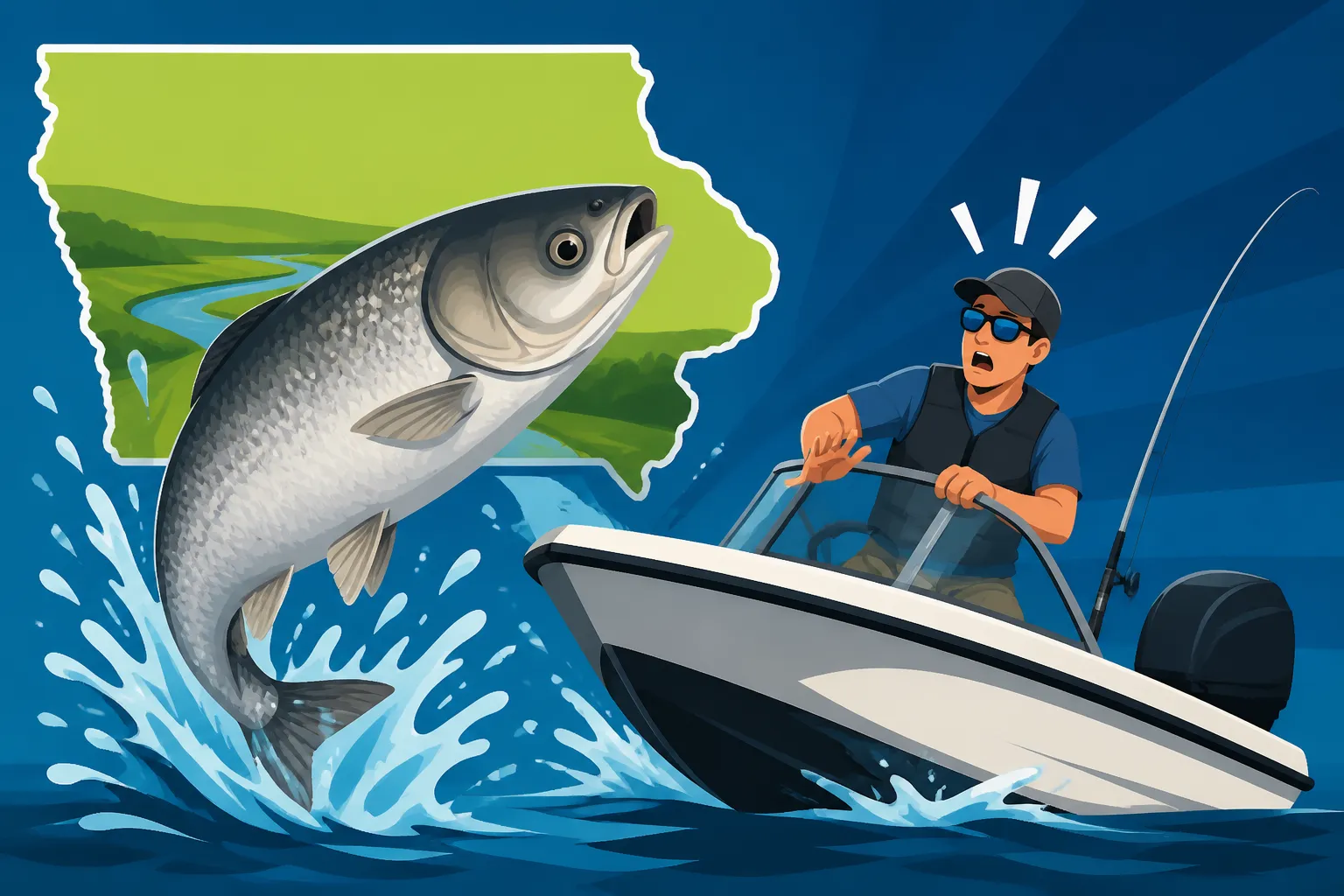
It’s a beautiful day on an Iowa lake or river, you’re enjoying the tranquility, perhaps even reeling in a nice walleye, when suddenly, out of nowhere, a fish leaps from the water, hitting your boat – or worse, you! For boaters in Iowa, this isn't just a tall tale; it’s a very real, and frankly, quite terrifying concern, especially when it comes to Asian carp. This guide will walk you through the actual dangers these invasive fish pose, how to protect yourself, and what we can all do to manage their presence in our precious waterways.
Understanding the Asian Carp Threat in Iowa Waters
Let's be honest, the idea of fish jumping out of the water is usually pretty cool, right? Unless those fish are several pounds of muscle heading straight for your face or windshield. That's the reality many Iowa boaters face with Asian carp, and it's far from a pleasant surprise. These fish aren't just an ecological nuisance; they can be a genuine physical hazard.
What Exactly Are Asian Carp, Anyway?
Before we dive into the dangers, it helps to know what we're talking about. When people refer to "Asian carp" in Iowa, they're typically lumping together a few specific invasive species that have found their way into our rivers and lakes. The main culprits are Silver Carp, Bighead Carp, and sometimes Grass Carp. These aren't your friendly neighborhood bluegill.
Silver Carp are the real show-stoppers when it comes to jumping. They're filter feeders, growing quite large, and known for their distinct habit of leaping high out of the water when startled by boat motors. Imagine a torpedo-shaped fish, often 2 to 3 feet long and weighing 10 to 20 pounds, rocketing into the air. That's a serious projectile. Bighead Carp, while also large filter feeders and highly invasive, don't typically jump in the same dramatic fashion. They tend to stay submerged, but their sheer size can still cause issues if you collide with one. Grass Carp, as their name suggests, munch on aquatic vegetation, and while they can grow enormous, they're not generally known for jumping at boats. The critical thing to remember is their impressive size and rapid reproductive rates, which allow them to outcompete native Iowa Fish Species Guide for food and habitat.
The Real Danger: Jumping Silver Carp and Boaters
This is where the rubber meets the road, or rather, where the carp meets the boat. The most significant and frightening danger to boaters comes from Silver Carp. Their tendency to jump when disturbed by boat propellers or hulls is not an act of aggression, but a powerful, instinctive startle response. Unfortunately, physics doesn't care about intent.
When a Silver Carp, often weighing as much as a bowling ball, launches itself from the water at speed, it becomes a severe impact hazard. I’ve heard countless stories from fellow anglers – people getting black eyes, broken noses, even concussions from carp impacts. It’s not just a splash; it's a blunt force trauma waiting to happen. Imagine cruising along, enjoying the scenery, and then suddenly you're struck in the face or chest. It can disorient a boat operator, lead to falls, or even cause a boat to veer off course. Your boat itself isn't immune; dinged hulls, cracked windshields, and broken fishing rods are all potential casualties. It's a frustrating situation because you're out there trying to relax, and instead, you have to be constantly on guard, especially in known carp hotspots like parts of the Mississippi River. Many boaters tell me they actively avoid certain stretches of water just to mitigate this risk.
The Ecological Impact Beyond Boater Safety
While the immediate physical danger to boaters is undeniably alarming, it’s crucial to understand that Asian carp pose a much broader ecological threat to Iowa’s aquatic ecosystems. These fish are voracious eaters, particularly the filter-feeding Bighead and Silver Carp, which consume vast quantities of plankton – the very base of the aquatic food web.
When Asian carp proliferate, they essentially vacuum up the food that native fish species, like juvenile Walleye Fishing in Iowa and Crappie Fishing in Iowa, rely on. This competition for food can devastate native populations, leading to a decline in overall fish health and diversity. Grass Carp, though sometimes used for vegetation control in specific, controlled environments, can also wreak havoc on native plant life, altering habitats crucial for other species. This ecological imbalance is a long-term problem that impacts everything from recreational fishing opportunities to the overall health of our rivers and lakes. The situation makes it incredibly difficult for our native fish to thrive, impacting generations of Iowa anglers. For more on this, you can look into Invasive Fish Species in Iowa Waters.
Protecting Yourself and Your Boat from Asian Carp Encounters
Knowing the risks is one thing, but actively protecting yourself and your equipment is another. It's not about staying off the water entirely – that's just not practical for us Iowa anglers! Instead, it's about being prepared and taking smart precautions.
Defensive Boating Strategies
When you're out on the water, especially in areas known for Asian carp, a little defensive driving goes a long way. The primary trigger for Silver Carp jumping is the vibration and noise from boat motors. While you can't eliminate your motor, you can adjust your speed.
Many seasoned anglers I've spoken with suggest slowing down in stretches of river or lake where carp are known to congregate. While this might feel counter-intuitive if you're trying to get to a favorite fishing spot quickly, it can significantly reduce the intensity and frequency of jumping fish. A slower boat produces less vibration, startling fewer carp. Think of it like driving through a construction zone – you slow down for safety. Additionally, staying extra vigilant and scanning the water ahead can give you a precious second to react. If you see fish activity, consider temporarily veering around it if safe to do so. This proactive approach might save you a headache, literally. Consider where you typically fish, like Fishing the Mississippi River in Iowa, and be aware of sections where carp sightings are common.
Essential Gear for Preparedness
Just like you wouldn't head out on a job site without safety gear, you might need to think about some extra protection when boating in carp-infested waters. This isn't about looking silly; it's about staying safe and avoiding injury.
- Eye Protection: This is non-negotiable. A carp to the face is bad enough, but a carp to the eye could be life-changing. Safety glasses or even a full face shield, similar to what you might wear while weed trimming, can provide crucial protection. You can find a wide array of options on Amazon, from basic safety glasses to more comprehensive face shields that attach to caps.
- Head Protection: While not everyone's choice, a simple helmet, like a kayaking helmet, could protect against direct head impacts. It sounds extreme, but a 15-pound fish coming at your head is a serious threat.
- Boat Covers/Enclosures: For smaller boats, or when in transit, some boaters explore temporary netting or clear enclosures to create a physical barrier. While not always practical for active fishing, it's something to consider for specific situations or boat types. For example, strong, heavy-duty boat covers (also widely available on Amazon) can protect your boat when docked or trailered, preventing curious carp from finding their way in during high water or accidental jumps near the shore. Remember to check what Required Safety Equipment for Iowa Boats you need beyond personal protection.
Knowing Where the Risk is Highest in Iowa
Asian carp aren't uniformly distributed across all Iowa waters. They are more prevalent in our larger river systems, particularly the Mississippi River and its tributaries. These waterways provide ample habitat and a direct connection to areas where carp populations are well-established.
The Mississippi River is a known hotbed for Asian carp, especially the Silver Carp. Boaters on various pools of the Mississippi, from those near Dubuque down to Burlington, regularly report encounters. Similarly, major tributaries like the Des Moines River, especially its lower reaches before it flows into the Mississippi, can also have significant carp populations. Lakes and reservoirs that are connected to these river systems, particularly during high water events, can also see increased carp activity. It's always a good idea to check local fishing reports or talk to bait shop owners in an area you plan to visit. They often have the most up-to-date intel on carp presence and activity. Being informed about specific areas is your best defense, whether you're navigating Fishing the Des Moines River in Iowa or exploring other major waterways.
What Iowa is Doing About Asian Carp (and What You Can Do)
It's easy to feel helpless when faced with an issue like invasive species, but Iowa isn't just sitting by. There are active efforts underway, and we, as anglers and boaters, have a vital role to play too.
State Efforts to Control Asian Carp Populations
The Iowa Department of Natural Resources (DNR) and other regional organizations are actively engaged in managing and controlling Asian carp populations. This isn't a simple fix, as these fish reproduce rapidly and are incredibly resilient.
Efforts often include monitoring programs to track their spread and population densities. Commercial fishing operations are sometimes permitted or encouraged in specific areas to harvest large numbers of carp, which can help reduce their overall biomass. Research is also ongoing to explore innovative solutions, such as acoustic barriers or carbon dioxide deterrents, particularly in key chokepoints to prevent further upstream migration into more pristine lakes. The goal is not necessarily eradication, which is often impossible with established invasive species, but rather control and containment to protect our native fish and recreational opportunities. These initiatives require significant resources and ongoing dedication to adapt to the carp's persistent presence. Learning about these efforts can help us understand the bigger picture of Iowa Fishing Regulations Explained.
Angler's Role in Prevention and Reporting
As stewards of Iowa's natural resources, anglers have a crucial responsibility in preventing the spread of Asian carp and other invasive species. Your actions on the water can make a real difference.
First and foremost, never, ever transport live fish from one body of water to another. This practice, often done with good intentions (like moving baitfish), is one of the primary ways invasive species are introduced to new areas. Always dispose of unused bait responsibly, away from waterways. Additionally, if you catch an Asian carp, particularly a Silver Carp or Bighead Carp, it is generally recommended to remove it from the water and not release it. Check current Can You Keep Asian Carp in Iowa? regulations, as rules can vary. Most importantly, if you witness unusual concentrations of Asian carp or suspect a new sighting in an area where they weren't previously known, report it to the Iowa DNR. Your observations are invaluable for tracking their spread and informing management strategies. You can find information on how to identify these fish in Asian Carp Identification and Rules. Even just being careful when launching your boat can help prevent the spread of aquatic hitchhikers.
Eating Asian Carp: A Potential Solution?
You might be surprised to hear that one potential, albeit small-scale, solution to the Asian carp problem could be… eating them! While they have a bit of a PR problem in the US, Asian carp are considered a delicacy in many parts of the world, particularly in Asia.
Commercially, some companies are exploring ways to process and market Asian carp for human consumption, often under different, more appealing names to overcome initial skepticism. The fish are generally firm, white-fleshed, and can be quite tasty, especially when prepared properly. Encouraging a market for them could create an economic incentive for commercial fishermen to harvest larger quantities, which would help reduce their numbers. While this won't solve the entire problem, it's a "use it or lose it" approach that could contribute to population control. It's a fascinating thought, turning a nuisance into a resource, and perhaps one day, you'll see "Iowa River Cod" on a restaurant menu!
Common Myths and Misconceptions About Asian Carp and Boating
When a topic like Asian carp enters public discourse, it's inevitable that myths and misunderstandings will crop up. Let's clear the air on a few common ones that might be adding to your anxiety on the water.
Are All Asian Carp the Same Threat?
This is a really common misconception. As we touched on earlier, not all species of Asian carp behave in the same way, especially concerning boater safety.
The primary concern for jumping fish hitting boats almost exclusively comes from Silver Carp. These are the acrobats of the carp world, known for their dramatic leaps. While Bighead Carp also grow large and are environmentally damaging, they don't typically exhibit the same jumping behavior. Grass Carp are mostly bottom feeders focused on vegetation. So, while all three are invasive and pose ecological threats, when you hear scary stories about fish hitting boats, it's almost always a Silver Carp doing the aerial maneuvers. Understanding this distinction can help you assess the actual physical risk in different areas where various carp species might be present. It’s important to know the difference between these various Iowa Fish Species Guide.
| Asian Carp Species | Primary Concern for Boaters | Ecological Impact | Identifying Features |
|---|---|---|---|
| Silver Carp | High (Jumps vigorously) | Filter feeder, competes with native planktivores | Low-set eyes, large mouth, silver body |
| Bighead Carp | Low (Doesn't jump) | Filter feeder, competes with native planktivores | Large head, large mouth, small scales, dark blotches |
| Grass Carp | Very Low (Doesn't jump) | Eats aquatic vegetation, alters habitat | Torpedo-shaped, blunt snout, large scales |
Do They Really "Attack" Boats?
Let's put this myth to bed: Asian carp are not actively attacking boats or boaters. They are not aggressive fish in that sense.
Their jumping behavior is a startle response. The vibrations and noise from boat motors, particularly two-stroke outboards and jet skis, seem to trigger an instinctual escape mechanism. It's less like an attack and more like a panicked flight reaction. Unfortunately for boaters, that panicked flight often involves launching themselves out of the water in unpredictable directions. So, while the result can be harmful, their intent isn't malicious. This understanding might not make getting hit by one any less painful, but it helps explain their behavior and reminds us that they are simply trying to escape what they perceive as a threat. The sheer volume of boats on waterways, paired with the large populations of carp, makes these encounters more frequent than we'd like.
Is There Any Way to Deter Them While Boating?
Many anglers wonder if there's a secret trick or device that can keep Asian carp away from their boats. The short answer is: nothing foolproof currently exists for recreational boaters.
While researchers are indeed exploring various deterrents for specific applications, like electric or acoustic barriers for critical waterways, these are not practical or available for individual boaters. Ideas like playing specific frequencies of sound or using certain lights have been floated, but scientific evidence to support their effectiveness for keeping jumping carp away from a moving recreational boat is limited at best. The most reliable methods remain those mentioned earlier: slowing down, wearing protective gear, and simply being aware of where and when you're most likely to encounter them. Don't fall for gadgets claiming to be a miracle cure for jumping carp; often, they're just selling false hope. Your best bet is always a combination of vigilance, preparedness, and common sense on the water. Before you hit the water, always double-check the Iowa Fishing Season Dates and Limits for your target species and be mindful of your surroundings.
Disclaimer
This article is for general informational purposes only and does not constitute professional advice. Laws, prices and regulations vary by location and change over time. Consult a qualified professional for guidance on your specific situation.