Is Crappie Good to Eat?
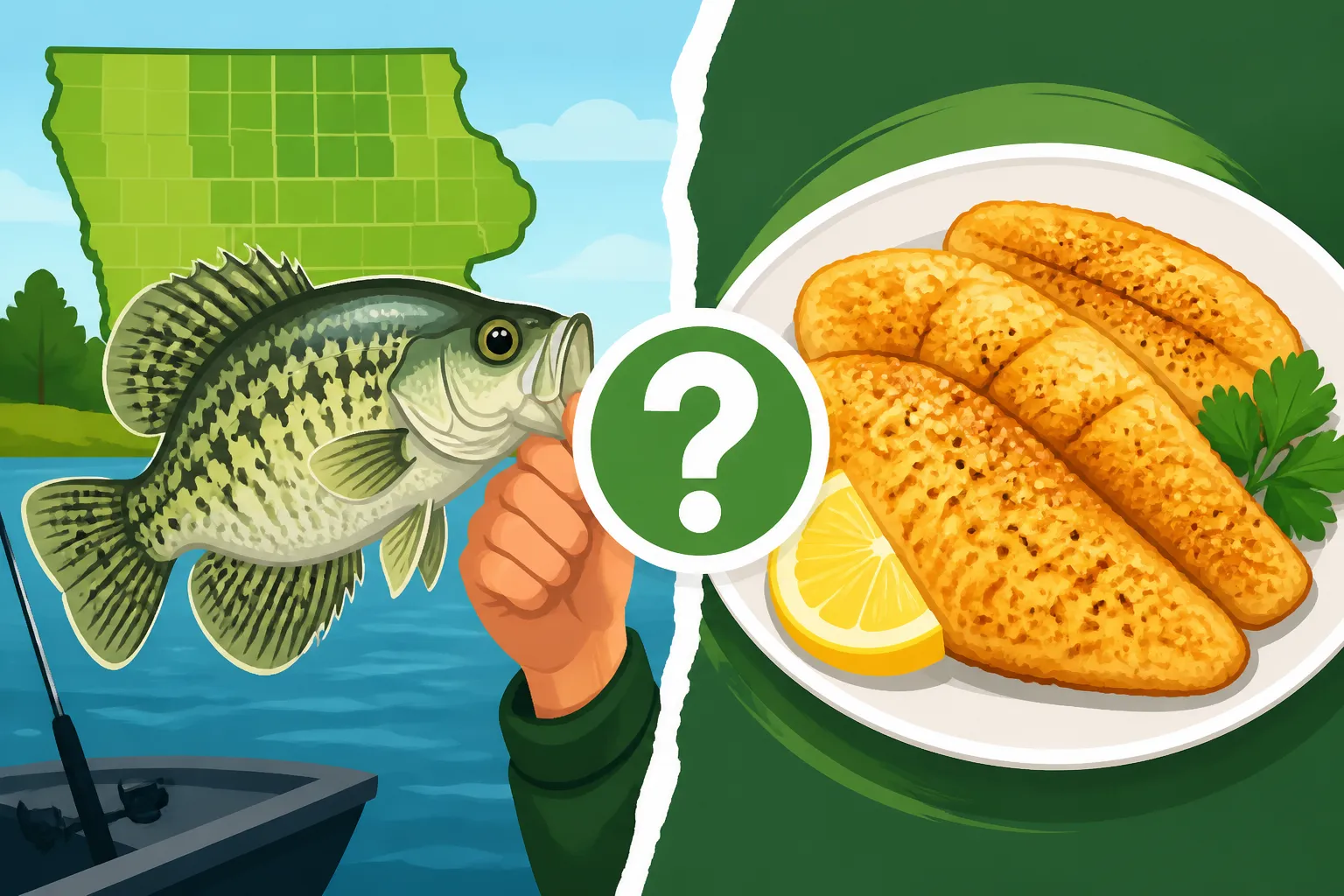
There’s nothing quite like a successful day on an Iowa lake or river, reeling in a mess of panfish. But for many anglers, especially those new to our beautiful state or even just new to crappie fishing, a common question floats to the surface after the catch: "Is crappie actually good to eat?" Let me tell you, friend, you're not alone in wondering. This comprehensive guide is here to settle that debate once and for all, diving deep into why crappie is not just good to eat, but often considered one of the very best freshwater table fish available right here in Iowa.
Why Iowa Crappie is a Beloved Table Fish
Crappie, whether black or white, holds a special place in the hearts (and stomachs) of many Iowa anglers. There's a reason folks flock to lakes like Rathbun, Saylorville, or Clear Lake specifically targeting these panfish. It's not just the fun fight on light tackle; it's the promise of a delicious meal.
The Delicate Flavor and Flaky Texture
One of the primary reasons crappie is so highly esteemed is its incredibly delicate, sweet, and mild flavor. Unlike some other freshwater species that can carry a "fishy" or muddy taste, crappie typically has a clean, subtle profile that appeals to a wide range of palates, even those who claim not to love fish. This makes it a fantastic gateway fish for introducing friends or family to the joys of eating your catch.
Beyond the taste, the texture is absolutely divine. Crappie flesh is renowned for being very white, tender, and beautifully flaky when cooked properly. It practically melts in your mouth, making it incredibly versatile for various cooking methods. Whether it's fried to a golden crisp, baked to perfection, or pan-seared with a light crust, that tender, flaky texture shines through every time. Think of it like a freshwater cod or haddock, but often with a slightly sweeter note. It’s hard to beat a fresh crappie fillet straight from the lake to the skillet!
The Accessibility and Abundance of Crappie in Iowa
Another huge plus for crappie as a table fish in Iowa is their sheer accessibility and abundance. You don't need a fancy boat or expensive gear to get into crappie fishing. They can be found in a vast number of Iowa's lakes, reservoirs, and even many river backwaters. This means more opportunities for anglers to catch enough for a meal, ensuring a fresh supply. The Crappie Fishing in Iowa guide can give you a head start on finding them.
Because they are so prevalent, catching a limit of crappie is a very achievable goal for many anglers. Knowing that you can consistently bring home enough fish to feed your family without breaking the bank or spending days on the water is a huge draw. Plus, there’s something inherently satisfying about harvesting your own food, and crappie provides that opportunity often. Iowa also has generous Crappie Daily Limit in Iowa rules, further encouraging anglers to enjoy this resource.
Factors Influencing Crappie's Taste and Quality
While crappie generally tastes fantastic, it's true that not all crappie are created equal. Several factors can subtly (or not-so-subtly) influence the flavor and overall quality of the fish you bring to the table. Understanding these can help you maximize your eating experience.
Water Quality and Habitat
The environment a crappie lives in plays a significant role in its taste. Fish from clean, clear, well-oxygenated waters tend to have the purest, mildest flavor. Think of crappie caught from deep, expansive lakes or clear river systems. These fish often have less of that "muddy" or "earthy" flavor that some freshwater species can pick up.
Conversely, crappie caught from shallow, stagnant, or very silty waters, especially during hot summer months when oxygen levels are low and algae blooms are present, might occasionally have a slightly stronger or less pleasant taste. This isn't always the case, but it's a general trend. Happily, most of Iowa’s popular crappie destinations, from the Iowa Great Lakes to larger reservoirs, offer excellent water quality for healthy, great-tasting fish. If you're ever in doubt about the water quality of a specific spot, you can usually find information through the Iowa DNR.
Size of the Crappie
Size can also be a factor, though it’s less about bigger being better and more about a sweet spot. Most anglers agree that crappie in the 9-12 inch range are ideal for eating. These fish are large enough to yield a decent fillet but are typically still young enough that their flesh remains incredibly tender and flavorful.
Once crappie get much larger, say over 14 or 15 inches, their meat can sometimes become slightly tougher or develop a bit more of a pronounced "fishy" flavor, especially if they're older. Smaller crappie, while still tasty, might not yield enough meat to make filleting worthwhile for some. However, even smaller crappie, fried whole after gutting and scaling, are a delicious treat! Don't let a smaller catch go to waste if you're willing to clean them.
Time of Year and Spawning Cycle
The season you catch your crappie can also influence its taste. Many anglers find that crappie are at their absolute best in the cooler months, particularly in spring and fall. During these times, the water temperatures are moderate, and the fish are actively feeding, building up good fat reserves without the stress of extreme heat or the rigors of the spawn. The spring bite, especially leading up to the spawn, is often considered prime for both quantity and quality. You can learn more about Post-Spawn Crappie Patterns in Iowa to time your trips.
During the actual spawning period (typically late spring/early summer), male crappie can develop darker, tougher flesh due to hormonal changes and the physical exertion of guarding nests. While still edible, their quality might not be quite as pristine as pre-spawn or post-spawn fish. Females, though less affected, might also be a bit leaner as they put all their energy into egg production. Still, even "sub-prime" crappie are generally delicious if handled correctly!
Getting Your Crappie Ready for the Kitchen: Cleaning and Filleting
To truly enjoy your crappie, proper handling from the moment it's caught until it hits the pan is paramount. This means keeping them fresh, then cleaning and filleting them efficiently.
Keeping Your Catch Fresh
The journey from the hook to the plate starts right on the water. No matter how clean the water or how perfect the size, a fish that hasn't been kept cool will quickly degrade in quality and flavor. As soon as you land a crappie you intend to keep, it should go into a livewell with fresh water, or, even better, directly onto ice. A cooler filled with ice is your best friend here. Don't just toss them in a bucket of water on a hot day; that water will quickly warm up and stress the fish.
When you get home, clean your fish as soon as possible. The longer they sit, even on ice, the more their quality can diminish. For those extended trips, ensuring you have a Best Cooler for Keeping Fish Fresh can make all the difference. Many anglers, myself included, will even bring a separate cooler just for ice, adding fresh ice to the fish cooler as needed throughout the day.
The Art of Filleting Crappie
Filleting a crappie might seem intimidating at first, especially if you're used to gutting larger fish, but it's a skill well worth learning. Crappie have relatively few bones once filleted, making them easy to eat. A sharp, flexible fillet knife is absolutely essential. You can find a great selection of Best Fillet Knife for Cleaning Fish on sites like Amazon, ready to ship to your door.
Here's a basic rundown of the process:
- Lay the fish on its side: Place the crappie on a sturdy, clean surface with its back facing you.
- Cut behind the gill plate: Make an angled cut down behind the gill plate, stopping when you hit the backbone. Don't cut through the backbone.
- Turn the knife: Rotate your knife so the blade is parallel to the backbone, and make a cut along the top of the backbone towards the tail. Use small, sawing motions, keeping the blade pressed against the bone to maximize meat yield.
- Remove the fillet: Once you reach the tail, you should have a full fillet attached only at the skin near the tail.
- Skin the fillet: Turn the fillet skin-side down. Hold the tail end of the skin firmly, and with your knife almost flat against the cutting board, slice the meat away from the skin, moving towards the wide end of the fillet.
- Repeat for the other side.
- Check for pin bones: Run your finger along the center of the fillet. You might feel a line of small pin bones. These can be removed by making a small V-cut along them or by using a pair of small pliers (often called "fish bone pliers," also readily available on Amazon).
| Step | Action | Key Tool | Tip |
|---|---|---|---|
| 1 | Keep fish on ice until ready to clean | Cooler with ice | Clean as soon as possible after catching for best quality. |
| 2 | Make initial cut behind gill plate | Sharp fillet knife | Cut down to, but not through, the backbone. |
| 3 | Cut along backbone towards tail | Sharp fillet knife | Keep blade tight against bones for maximum meat. |
| 4 | Separate meat from skin | Sharp fillet knife | Keep blade almost flat against the skin; hold skin taut. |
| 5 | Remove any remaining pin bones (if present) | Small pliers or knife | Feel for bones with your finger; remove with a V-cut or pliers. |
| 6 | Rinse fillets thoroughly | Running water | Pat dry before cooking or freezing to prevent freezer burn and improve crispiness. |
After filleting, rinse the fillets under cold water and pat them dry with paper towels. You can then cook them immediately or store them in airtight bags in the refrigerator for a day or two, or freeze them for longer storage. Knowing How to Keep Fish Fresh Without a Livewell is crucial, and a good cooler is an excellent alternative.
Delicious Ways to Cook Your Iowa Crappie
Now for the best part: cooking! Crappie's mild flavor and flaky texture make it incredibly versatile. While fried crappie is a classic for a reason, don't be afraid to experiment.
The Classic: Fried Crappie
Let's be honest, for most Iowa anglers, fried crappie is the gold standard. There's just something about that crispy, seasoned crust encasing tender, sweet white meat that screams "perfect fish fry." It's comfort food at its finest.
The key to great fried crappie is a good breading and hot oil. You can use a simple mixture of seasoned flour, cornmeal, or a pre-made fish fry mix. I often combine flour, cornmeal, a dash of paprika, garlic powder, onion powder, salt, and pepper. Dredge your dry fillets in the mixture, ensuring they're fully coated. For an extra crispy crust, you can dip the fillets in an egg wash or buttermilk before dredging in the breading. Heat a good amount of oil (vegetable, peanut, or canola work well) in a heavy skillet or deep fryer to around 350-375°F (175-190°C). Fry the fillets in batches to avoid overcrowding, which drops the oil temperature and leads to soggy fish. Cook until golden brown and flaky, usually 2-4 minutes per side depending on thickness. Drain on a wire rack or paper towels and serve immediately with tartar sauce, coleslaw, and hushpuppies. Pure bliss!
Beyond the Fryer: Baking and Pan-Searing
While frying is king, crappie is equally delicious when baked or pan-seared, offering healthier and equally flavorful alternatives.
Baked Crappie: For a lighter meal, baking is a fantastic option. Preheat your oven to 400°F (200°C). Place your crappie fillets in a lightly oiled baking dish. Drizzle with olive oil or melted butter, season with salt, pepper, lemon juice, and your favorite herbs (dill, parsley, or thyme work wonderfully). You can also add a sprinkle of breadcrumbs for a slight crust. Bake for 10-15 minutes, or until the fish is opaque and flakes easily with a fork. This method really highlights the crappie's natural sweetness and delicate texture.
Pan-Seared Crappie: Pan-searing gives you a beautiful golden crust without all the oil of deep frying. Heat a tablespoon or two of butter and olive oil in a non-stick skillet over medium-high heat. Lightly season your crappie fillets with salt, pepper, and perhaps a little garlic powder. Once the oil is shimmering, place the fillets in the hot pan, taking care not to overcrowd. Sear for about 3-5 minutes per side, depending on thickness, until golden brown and cooked through. A squeeze of fresh lemon juice at the end brightens the flavors beautifully. You can even find great cast iron skillets perfect for searing on Amazon, which retain heat wonderfully for an even cook.
Other Creative Crappie Preparations
Crappie's mild flavor makes it incredibly adaptable to various culinary styles.
- Fish Tacos: Flake cooked crappie into warm tortillas with fresh slaw, a zesty crema, and salsa for incredible fish tacos.
- Crappie Sandwiches: Serve a fried or pan-seared fillet on a bun with lettuce, tomato, and tartar sauce.
- Crappie Chowder: Use crappie fillets in a creamy fish chowder with potatoes, corn, and other vegetables.
- Grilled Crappie (in foil): For outdoor cooking, wrap seasoned fillets in foil packets with butter, lemon, and vegetables, then grill until cooked through.
The possibilities are truly endless, and with a little creativity, you'll discover why What Crappie Eat contributes to their delicious flavor, making them a fantastic canvas for your culinary adventures.
Maximizing the Eating Experience: Tips for the Best Crappie Meals
Beyond cooking, there are a few extra steps you can take to ensure every crappie meal is a memorable one.
Don't Overcook Your Fish!
This is perhaps the most crucial tip for any delicate white fish, especially crappie. Overcooked fish becomes dry, tough, and loses all its wonderful flaky tenderness. Crappie cooks quickly! Keep a close eye on it, and as soon as the flesh turns opaque and flakes easily with a fork, it's done. Pull it off the heat immediately. A digital meat thermometer can be your friend here, aiming for an internal temperature around 145°F (63°C).
Serving Suggestions and Pairings
The classic pairings for fried crappie include tartar sauce, lemon wedges, coleslaw, French fries, and hushpuppies. For baked or pan-seared crappie, consider lighter sides like roasted vegetables, a fresh garden salad, wild rice, or steamed asparagus. The mild flavor of crappie pairs well with crisp white wines like Sauvignon Blanc or Pinot Grigio, or even a light, refreshing beer.
Remember, the goal is to complement, not overpower, the delicate flavor of the crappie. A simple squeeze of fresh lemon juice is often all you need to elevate the taste.
Proper Storage for Leftovers
If you happen to have any leftover cooked crappie (a rare occurrence in my house!), store it in an airtight container in the refrigerator and consume it within 1-2 days. Reheat gently to avoid drying it out. Leftover cooked crappie also makes excellent fish salad or can be flaked into pasta dishes.
For raw fillets, if you're not cooking them immediately, pat them dry and store them in an airtight bag or container in the coldest part of your refrigerator for up to two days. For longer storage, freezing is your best bet. Vacuum sealing is ideal, but if you don't have a vacuum sealer, place fillets in freezer bags, remove as much air as possible, and consider covering them in water before freezing (the "ice glaze" method) to prevent freezer burn. This will keep them fresh for several months.
So, to answer the burning question: yes, absolutely, crappie is incredibly good to eat! With its delicate flavor, flaky texture, and versatility in the kitchen, it's a true gem of Iowa's freshwater bounty. The next time you're out on the water, try some Crappie Jig Fishing Techniques to fill your cooler, and look forward to a fantastic meal.
Disclaimer
This article is for general informational purposes only and does not constitute professional advice. Laws, prices and regulations vary by location and change over time. Consult a qualified professional for guidance on your specific situation.