Why Lake Sturgeon Are Protected in Iowa
It's quite common for anglers in Iowa to be surprised when they encounter something truly ancient-looking swimming in our waters – something that doesn't quite fit the typical profile of a walleye or a catfish. When you see a fish with bony plates, a shark-like tail, and a long snout, you've likely just had a rare encounter with a Lake Sturgeon. Many folks wonder why these fascinating creatures are protected, especially when they might not look like a "traditional" game fish. This guide is here to shed light on exactly why Lake Sturgeon are so carefully safeguarded in Iowa, explaining their unique history, the challenges they've faced, and the efforts underway to ensure their survival.
The Majestic Lake Sturgeon: A Glimpse into Iowa's Ancient Waters
Imagine a fish that swam alongside dinosaurs, a living relic that has changed little in millions of years. That's essentially what a Lake Sturgeon is! These incredible creatures are a testament to endurance and a vital part of Iowa's natural heritage, though their presence in our waters today is a far cry from their historical abundance.
A Living Fossil: What Makes Lake Sturgeon So Unique?
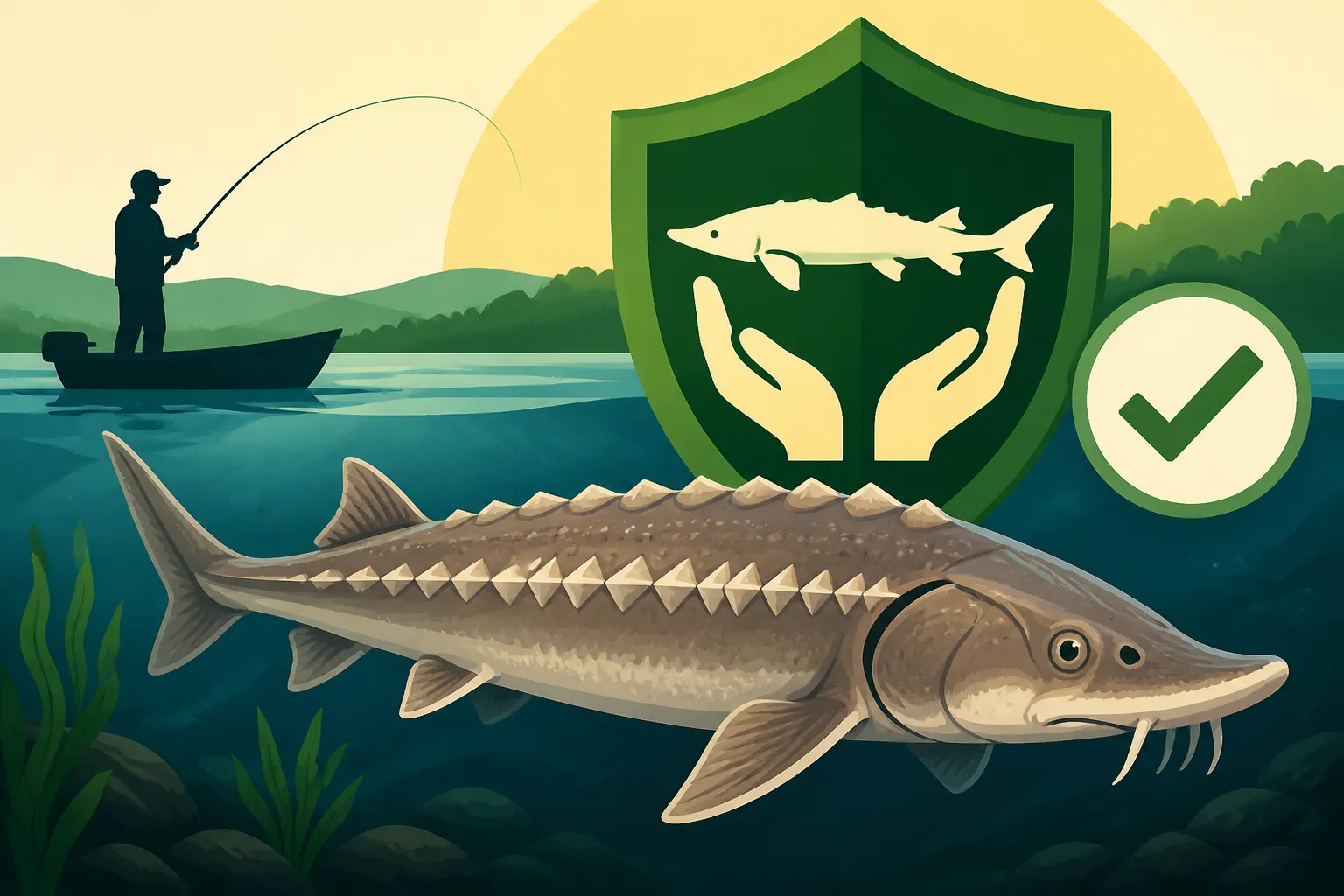
Lake Sturgeon are truly remarkable. They boast a prehistoric appearance with rows of bony plates, called scutes, instead of scales, covering their elongated bodies. Their flattened snouts, equipped with barbels (whisker-like sensory organs), are perfect for sifting through riverbeds for food. These fish are slow-growing, incredibly long-lived, and can reach impressive sizes, often exceeding six feet in length and weighing over a hundred pounds. Many can live for 50 to 100 years, with some documented even older! Just think about that – a fish swimming in our rivers today could have been born before your grandparents were. Their slow metabolism and unique physiology mean they don't mature until they are much older than most fish species, often not reproducing until they are 15 to 25 years old. This long life cycle, while fascinating, also makes them particularly vulnerable to environmental changes and fishing pressure, as it takes a very long time for populations to rebound.
Historical Presence in Iowa: Where Did They Once Thrive?
Historically, Lake Sturgeon were abundant throughout Iowa's major river systems, especially the Mississippi and its larger tributaries. They were once a common sight, playing a crucial role in the aquatic ecosystem. Early settlers and Native American tribes relied on them as a food source, appreciating their rich meat and valuable roe, which was often processed into caviar. Imagine what it must have been like to see these giants regularly navigating the powerful currents of the Mississippi or the Des Moines River. They were an indicator of a healthy, robust river system, providing ecological balance by consuming bottom-dwelling invertebrates and acting as scavengers. Their presence signified a vibrant, interconnected aquatic world that, unfortunately, began to unravel with human settlement and industrialization.
Understanding the Decline: Why Did Lake Sturgeon Need Protection?
The journey from abundance to endangerment for Lake Sturgeon in Iowa is a classic tale of environmental impact. A combination of factors over the last century and a half severely depleted their numbers, pushing them to the brink and necessitating strict protective measures.
Habitat Loss and Degradation: The Cost of Progress
One of the biggest culprits in the decline of Lake Sturgeon, not just in Iowa but across their range, is the extensive alteration of their habitat. The construction of dams throughout our river systems, particularly on the Mississippi River, was a major blow. These dams fragmented critical spawning and feeding grounds, preventing sturgeon from migrating upstream to reproduce. They effectively cut off populations from vital stretches of river needed for their complex life cycle. Imagine having a favorite restaurant and then suddenly a giant wall appears, blocking your path forever. That's what dams did to sturgeon.
Beyond physical barriers, pollution played a devastating role. Runoff from agricultural lands, laden with sediments and chemicals, choked out spawning beds and reduced water quality. Industrial discharges and municipal waste also contributed to a less hospitable environment, impacting the sensitive juvenile sturgeon and their food sources. The dredging of river channels for navigation further destroyed crucial habitat, particularly the rocky, gravelly areas where sturgeon prefer to spawn. All these "improvements" for human activity came at a steep cost to these ancient fish.
Overharvesting and Bycatch: The Early Challenges
In the late 19th and early 20th centuries, Lake Sturgeon faced intense fishing pressure. Their meat was prized, and their roe was highly sought after for caviar production, fetching high prices. This led to rampant commercial fishing, often with little regulation, before we truly understood the devastating impact on their slow-reproducing populations. Entire populations were decimated in a short period. As their numbers dwindled, they also fell victim to bycatch – being caught unintentionally by anglers targeting other species. While modern anglers are more aware, in earlier times, any large fish was fair game, and the unique characteristics that make Lake Sturgeon so special didn't exempt them from being harvested. This relentless pressure, combined with habitat destruction, created a perfect storm that drove them to near extinction in many areas, including Iowa.
Reproductive Challenges: A Slow Road to Recovery
Even with efforts to reduce direct harvesting and improve habitat, Lake Sturgeon face an uphill battle due to their unique reproductive biology. As mentioned, they mature very slowly, taking 15-25 years to reach sexual maturity. But it doesn't stop there. Unlike many fish that spawn annually, female Lake Sturgeon only spawn every 3 to 5 years, while males may spawn every 1 to 2 years. This infrequent spawning, combined with a high sensitivity to water temperature and flow conditions, means that successful reproduction events are relatively rare. Even when they do spawn, the eggs and larvae are vulnerable to poor water quality, predation, and fluctuating river levels. This incredibly slow reproductive rate means that even small losses can take decades, if not centuries, for a population to recover, making their protection absolutely critical.
The Path to Recovery: How Iowa is Protecting Lake Sturgeon
Recognizing the dire situation of Lake Sturgeon, Iowa, like many other states, has implemented stringent measures to protect these incredible fish and help them stage a comeback. It's a long-term commitment, but one that is essential for the health of our rivers and for preserving a truly unique species.
Strict Conservation Status: Legal Protections in Place
The most immediate and critical step taken to protect Lake Sturgeon in Iowa was to grant them full protected status. This means it is strictly illegal to harvest or possess a Lake Sturgeon in Iowa waters. If you accidentally catch one, you are legally required to release it immediately and unharmed. These rules are not just suggestions; they are part of the Iowa Fishing Regulations Explained, and violating them can lead to significant penalties. This zero-tolerance approach ensures that every individual sturgeon has the chance to live out its long life and, hopefully, contribute to the recovery of its species. Anglers need to be familiar with Sturgeon Fishing Rules on Iowa Waters to ensure compliance and avoid unintended violations. This protected status is a cornerstone of all recovery efforts.
Restoration Efforts: Stocking and Habitat Improvement
Protection alone isn't always enough to bring a species back from the brink. Iowa is actively engaged in restoration efforts to help Lake Sturgeon populations rebound. This includes stocking programs, where young sturgeon raised in hatcheries are released into suitable river stretches, essentially giving nature a helping hand. These stocked fish are carefully monitored to assess their survival and growth rates.
Beyond stocking, significant work is being done on habitat improvement. This involves projects like dam removal, where feasible, to reconnect fragmented river sections and restore natural migration routes. For dams that cannot be removed, efforts are made to create fish passages, allowing sturgeon and other migratory species to bypass obstacles. Riparian zone restoration, which involves planting vegetation along riverbanks, helps stabilize banks, reduce erosion, and filter pollutants, thereby improving water quality and creating healthier spawning and rearing habitats. Organizations often work together to identify and implement these crucial habitat projects.
Public Awareness and Education: Engaging the Community
An informed public is a powerful ally in conservation. The Iowa Department of Natural Resources (DNR) and various conservation groups actively work to raise public awareness about Lake Sturgeon and the importance of their protection. This includes educational materials for anglers, signs at boat ramps, and community outreach programs. These initiatives teach people how to identify Lake Sturgeon (to distinguish them from other species like Shovelnose Sturgeon, which may have limited harvest seasons in certain areas), why they are protected, and what to do if one is caught. Engaging anglers, boaters, and riverside communities helps create a network of citizen scientists and advocates who can contribute to monitoring efforts and report any potential violations. It's about fostering a sense of shared responsibility for these incredible fish.
What Anglers Need to Know: Encountering a Lake Sturgeon in Iowa
As an angler, you have a direct role to play in the recovery of Lake Sturgeon. Knowing what to do if you encounter one is not just a matter of compliance, but a way to actively contribute to conservation.
Catch and Release Mandates: Handle with Care
If you're out fishing in Iowa and you happen to hook a Lake Sturgeon, the most important thing to remember is the mandatory catch and release rule. This isn't optional; it's the law. Can You Keep a Lake Sturgeon in Iowa? The answer is a resounding NO.
Here are some crucial tips for safe catch and release:
- Identify quickly: Make sure it's a Lake Sturgeon. They have a more pointed snout and lack the fringed barbels of a Shovelnose Sturgeon, which might have different regulations depending on where you are. When in doubt, always release.
- Handle with wet hands: If you must handle the fish, wet your hands thoroughly to protect its protective slime coat.
- Support its body: These are heavy fish. If you lift them out of the water, support their entire body horizontally. Never hold a large sturgeon vertically by its tail or gills, as this can cause internal damage.
- Minimize out-of-water time: Get a quick photo if you must, but prioritize getting the fish back into the water as quickly as possible.
- Remove the hook carefully: Use needle-nose pliers or a dehooking tool to remove the hook. If the hook is deeply embedded, cut the line as close to the hook as possible. Don't try to rip it out.
- Revive if necessary: If the fish seems sluggish, hold it gently in the water, facing upstream, allowing water to flow over its gills until it swims away under its own power.
Responsible handling ensures that these long-lived fish have the best chance of survival after an encounter.
Reporting Sightings: Contributing to Conservation
Believe it or not, your observations can make a big difference! If you see or catch a Lake Sturgeon (especially if it's tagged, though that's less common for Lake Sturgeon than some other species in Iowa), reporting it to the Iowa DNR is incredibly helpful. This data provides valuable insights into population distribution, movements, and overall health.
When reporting, try to include:
- Exact location: Specific river section, nearest landmark, or GPS coordinates.
- Date and time: When you saw or caught the fish.
- Estimated size: Length and approximate weight.
- Condition: Was it healthy? Did it have any visible injuries or tags?
- Photo/Video (if safe to obtain): Visual evidence can be very useful for confirmation.
You can typically find contact information for reporting sightings on the Iowa DNR website or by calling their local offices. Your eyes on the water are a crucial component of monitoring efforts, helping biologists understand where these rare fish are and how they're doing. Learning How to Report a Fishing Violation in Iowa also covers reporting protected species encounters.
Why Their Future Matters: The Bigger Picture
Protecting Lake Sturgeon isn't just about saving one species; it's about safeguarding the health of Iowa's entire aquatic ecosystem. Lake Sturgeon are often considered an indicator species, meaning their presence and health reflect the overall health of the river systems they inhabit. If sturgeon populations are struggling, it often points to broader environmental problems that affect all fish species, including the walleye, bass, and catfish that many Iowans love to catch.
Their recovery signifies cleaner water, restored habitats, and better river management for everyone. By supporting Lake Sturgeon conservation, we're investing in the future of Iowa fishing and ensuring that future generations can also marvel at these ancient giants swimming in our local waters. It’s a powerful reminder that every creature, no matter how unique or elusive, plays a role in the intricate web of life that makes Iowa such a special place for outdoor enthusiasts.
Here's a quick summary of why Lake Sturgeon are protected and what's being done:
| Aspect | Reason for Protection | Current Conservation Efforts |
|---|---|---|
| Historical Abundance | Once widespread but severely depleted | Stocking programs, habitat restoration, reintroduction |
| Longevity & Maturity | Live long, mature late, infrequent spawners | Strict catch and release, no harvest allowed |
| Habitat Impact | Dams, pollution, dredging destroyed critical areas | Dam removal, fish passages, riparian restoration, water quality improvement |
| Overharvesting | Commercial fishing decimated populations historically | Full protected status, significant penalties for possession |
| Ecological Role | Indicator species for river health, bottom feeders | Public education, angler reporting, scientific monitoring |
| Current Status | Listed as endangered or threatened in many areas | Ongoing research, collaborative conservation initiatives |
This article is for general informational purposes only and does not constitute professional advice. Laws, prices and regulations vary by location and change over time. Consult a qualified professional for guidance on your specific situation.