Iowa State Record Muskie
For many Iowa anglers, the dream of hooking into a truly monstrous fish is what keeps them coming back to the water. But when it comes to the formidable muskie, a fish often called "the fish of 10,000 casts," the question naturally arises: just how big do these freshwater giants get in the Hawkeye State? This guide will pull back the curtain on Iowa's state record muskie, giving you the full scoop on its impressive stats and what it takes to pursue a trophy of your own.
The Legendary Iowa State Record Muskie
Every angler has a tale, but only a select few etch their names into the record books. The Iowa state record muskie isn't just a number; it's a testament to patience, skill, and a little bit of luck. This legendary catch represents the pinnacle of muskie fishing success within Iowa's borders, a true behemoth that shattered previous expectations and set a new standard for what's possible in our local waters.
Details of the Record-Breaking Catch
The current Iowa state record muskie is a fish of truly epic proportions. It weighed in at an astounding 44 pounds, 7 ounces, and stretched a remarkable 53 inches long. Imagine reeling in a fish that's longer than some small children are tall, and with the girth to match! This incredible muskie was caught by angler Mike Splitter on September 29, 2000, while fishing West Okoboji Lake. This particular body of water has a long-standing reputation for producing impressive muskies, and this record only solidified its status as a premier destination for trophy hunters. The memory of landing such a beast, feeling that sheer power on the end of your line, is something that would stay with any angler for a lifetime.
| Feature | Iowa State Record Muskie Details |
|---|---|
| Weight | 44 pounds, 7 ounces |
| Length | 53 inches |
| Date Caught | September 29, 2000 |
| Angler | Mike Splitter |
| Location | West Okoboji Lake |
The Thrill of a Record-Breaking Fish
For an angler, catching a record-breaking fish is more than just a personal triumph; it's a moment that resonates throughout the entire fishing community. It proves that with dedication and the right conditions, truly exceptional catches are within reach. Think about the adrenaline rush when that giant hits your lure, the intense fight, and the careful dance of bringing such a magnificent creature to the boat. It's not just about the size; it's about the entire experience – the challenge, the anticipation, and the ultimate reward. Even if you're not aiming for the state record, understanding the sheer power of these fish helps you appreciate every muskie you encounter.
Understanding Muskie in Iowa Waters
Muskellunge, or muskie as they're commonly known, are formidable predators at the top of the food chain in many Iowa lakes and rivers. They are revered by anglers for their elusiveness, their aggressive strikes, and their incredible fighting ability. Unlike some other species that might be easier to tempt, muskies often require a specialized approach and a deep understanding of their habits.
Muskie Habitat and Behavior in Iowa
In Iowa, muskie populations thrive in larger lakes and reservoirs that offer ample forage fish and plenty of submerged structure for ambushing prey. Lakes like the Iowa Great Lakes (West Okoboji, East Okoboji, and Spirit Lake), Big Creek Lake, and Rathbun Lake are well-known Muskie Fishing in Iowa hotspots. These fish prefer clear water with weeds, rocks, or timber where they can hide and wait for an unsuspecting meal to swim by. They are solitary creatures for the most part, territorial, and incredibly wary, which contributes to their reputation for being difficult to catch. You won't typically find them schooling like crappies; instead, they'll be tucked away, patiently waiting for the perfect strike opportunity.
Muskies are also incredibly temperature sensitive, with their activity levels fluctuating significantly throughout the year. During warmer months, they might be found shallower, cruising weed lines, while in colder periods, they often move to deeper points and structures. Understanding these seasonal movements and preferred ambush points is crucial for anyone hoping to even get a follow, let alone a strike. Many anglers spend countless hours just observing water patterns and fish movements, trying to decipher the secrets of these magnificent fish.
Why Muskies are so Challenging and Rewarding to Catch
The challenge of muskie fishing is precisely what makes it so rewarding. These fish are notorious for their finicky nature; they might follow a lure right up to the boat several times without committing, or they might strike with such ferocity that it nearly rips the rod from your hands. This unpredictability is part of their allure. Successfully landing a muskie, especially a big one, often means you've put in the time, studied their behavior, and executed your technique flawlessly. This isn't just about throwing a line in the water; it's a strategic hunt, a game of cat and mouse where the "mouse" is often a foot or two long and armed with razor-sharp teeth.
The gear involved can also be a factor, with heavy-duty rods, reels, and specialized baits needed to handle these powerful fish. If you're looking for durable, high-quality muskie lures and equipment, checking out options on Amazon can give you a good starting point for building your tackle box. The sheer effort and expense involved, combined with the low catch rates, make every muskie a true trophy, regardless of its size. It's a testament to perseverance and a deep passion for the sport.
Distinguishing Muskies from Northern Pike
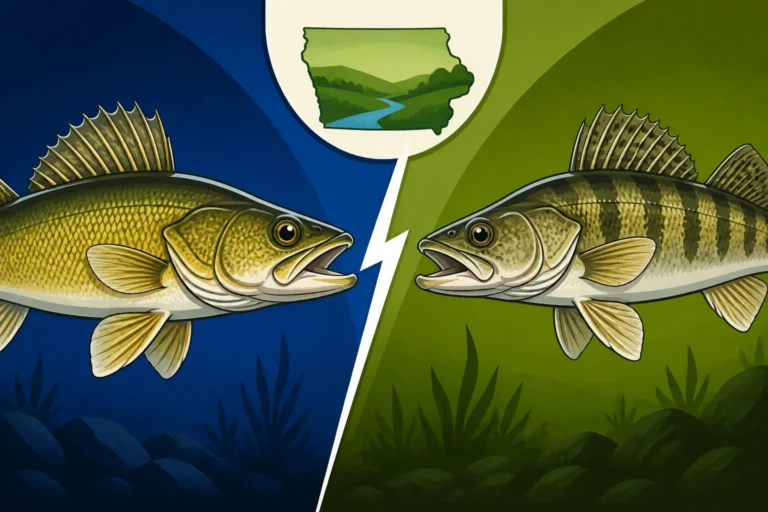
It's common for anglers, especially those new to muskie fishing, to confuse muskies with northern pike. Both are long, predatory fish with sharp teeth, but there are distinct differences that every serious angler should know. Pike tend to have dark bodies with lighter, bean-shaped spots, whereas muskies typically have lighter bodies with dark spots, bars, or a clear pattern. The easiest way to tell them apart is by looking at the pores on the underside of their lower jaw: pike have five or fewer pores on each side, while muskies have six or more.
Another key difference is the shape of their tail fin. A northern pike typically has a more rounded tail fin, while a muskie's tail fin often has a more pointed, V-shaped appearance. Knowing these distinctions is not just for bragging rights; it's essential for adhering to specific Iowa Fishing Regulations Explained and bag limits, as the rules for each species can vary significantly. You'll often find resources on Difference Between a Muskie and a Northern Pike that can help solidify these identification tips.
Chasing Your Own Iowa Trophy Muskie
So, you're inspired by the state record and ready to hit the water in pursuit of your own Iowa trophy muskie? Fantastic! Just remember, this isn't a venture for the faint of heart. It requires specialized gear, specific techniques, and a healthy dose of patience. But the rewards, as Mike Splitter can attest, are absolutely incredible.
Best Practices for Targeting Large Muskies
Targeting large muskies means thinking big, both in terms of your bait and your approach. These fish are apex predators and are looking for a substantial meal. Large bucktails, big jerkbaits, oversized crankbaits, and soft plastics are all common choices. When it comes to Muskie Fishing Techniques for Iowa Waters, presentation is key. Many anglers employ the "figure-eight technique" at the boat, a last-ditch effort to trigger a follow-up strike from a hesitant muskie right at the boat side. This involves sweeping your lure in a large "8" pattern next to the boat before lifting it out of the water.
Your gear also needs to be up to the task. You'll want heavy-action rods, robust baitcasting reels, and strong braided line to handle the fierce strikes and powerful runs of a big muskie. Don't skimp on the leaders either; a heavy fluorocarbon or wire leader is essential to prevent their razor-sharp teeth from cutting your line. While it's tempting to think that expensive gear is the only way to catch them, many effective muskie lures and tools can be found on platforms like Amazon, offering a wide selection for various budgets. Remember to check out resources on How to Retrieve a Bucktail for Muskie for specific guidance on lure presentation.
Conservation Efforts and Catch-and-Release Importance
Muskies are a precious resource, and given their slow growth rates and the effort it takes to establish healthy populations, conservation is paramount. Most serious muskie anglers practice catch-and-release, especially for larger fish, to ensure these magnificent predators can continue to grow and spawn, contributing to future generations of trophy fish. Proper handling is critical: use a large, rubberized landing net to protect their slime coat, keep the fish in the water as much as possible for unhooking, and use long-nosed pliers to remove hooks.
If you absolutely must take a photo, do so quickly, support the fish horizontally with both hands, and get it back into the water as fast as possible. Educating yourself on Iowa Fishing Regulations Explained and proper release techniques is a mark of a responsible angler. The future of Iowa's muskie fishing depends on all of us doing our part to protect these incredible fish, allowing them to grow to sizes that might one day challenge the current state record. Remember, Is There a Size Limit for Muskie? is a critical regulation to be aware of before you even hit the water.
Beyond the Record: Muskie Potential in Iowa
While the 44-pound, 7-ounce muskie holds the top spot, it's certainly not the only giant muskie to come out of Iowa waters. The state consistently produces incredible fish, and the potential for new records is always lurking just beneath the surface.
Where Other Large Muskies Have Been Caught
As mentioned, West Okoboji Lake has a stellar reputation, having yielded the state record and countless other trophy-sized muskies over the years. But it's not the only place to find giants. Spirit Lake and East Okoboji, also part of the Iowa Great Lakes chain, are formidable muskie fisheries. Further south, Big Creek Lake near Polk City has been meticulously managed for muskies and regularly produces fish in the 40-inch range, with some pushing much larger. Rathbun Lake, down in southern Iowa, also offers a significant challenge for muskie anglers, providing different kinds of structure and water conditions.
These lakes are often stocked with muskie by the Iowa DNR, and programs like the "Muskies Inc." chapters actively work to improve habitat and promote catch-and-release practices. You can often find detailed information on Muskie Habitat in Iowa Waters for specific locations to help narrow down your search for that next big catch. Every year, anglers report impressive catches from these waters, keeping the dream of a new record alive.
Future Prospects for Muskie Fishing in Iowa
The future of muskie fishing in Iowa looks promising, thanks to ongoing stocking programs, habitat improvements, and the dedicated efforts of conservation-minded anglers. The Iowa Department of Natural Resources (DNR) continues to manage these fisheries carefully, ensuring a healthy balance and opportunities for trophy fish. As techniques evolve and more anglers embrace catch-and-release, the chances of seeing another state record muskie, or even breaking the current one, grow stronger.
If you're interested in learning more about the specific rules for pursuing these giants, make sure to review Iowa Muskie Season Dates and Muskie Daily Bag Limit on Border Waters before your trip. The more we understand and respect these incredible fish, the better the future will be for all Iowa anglers who dream of tangling with a true freshwater leviathan. You can often find specialized muskie fishing guides or maps on Amazon that can give you insights into specific lake features and historical hot spots, further enhancing your chances of success. It's truly exciting to imagine what the next few decades might bring in terms of Iowa's muskie records.
Disclaimer
This article is for general informational purposes only and does not constitute professional advice. Laws, prices and regulations vary by location and change over time. Consult a qualified professional for guidance on your specific situation.