Iowa State Record Largemouth Bass
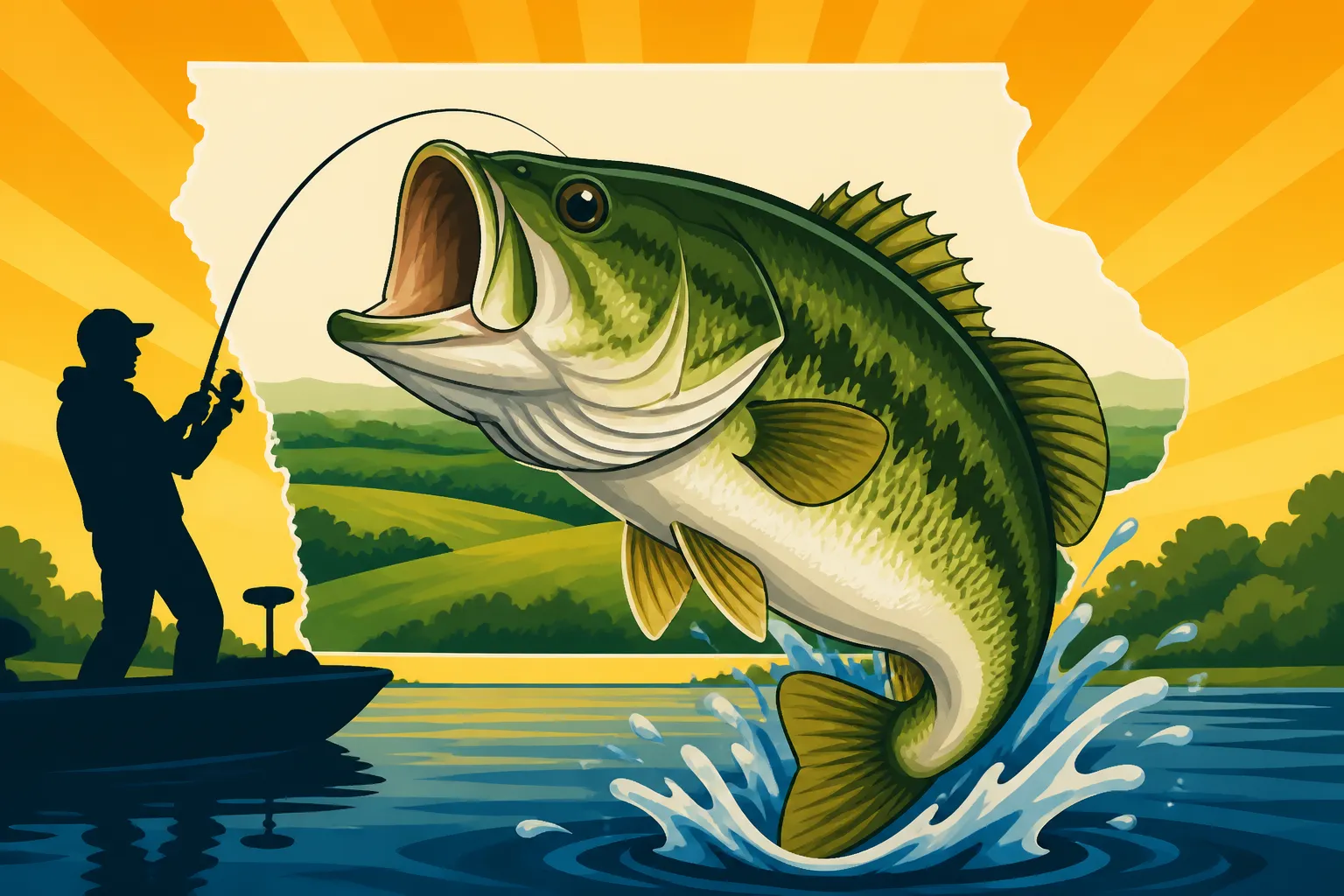
Every angler in Iowa, whether they admit it or not, secretly dreams of catching that one fish that shatters expectations – the kind of fish that makes your heart pound and your hands shake. We're talking about the truly monstrous largemouth bass, the kind that can rewrite the record books. It's a daunting goal, often feeling like a mythical quest, but this guide will dive deep into what it means to hold the state record for largemouth bass in Iowa, how such a fish is achieved, and what passionate anglers can do to chase their own piece of history.
The Mount Everest of Iowa Fishing: The State Record Largemouth Bass
For many years, the Iowa state record largemouth bass has stood as a legendary benchmark, a testament to the incredible potential of our state's waters. It's not just about the numbers on a scale; it's about the fish itself – a true behemoth that has defied countless anglers and grown to an astounding size. This record represents the pinnacle of largemouth bass fishing in Iowa, a challenge that few ever come close to achieving, but many aspire to. It’s a fish that inspires hushed conversations at bait shops and fuels endless hours of casting.
When you think about the sheer dedication, the thousands of casts, the early mornings and late nights that go into fishing, landing a state record is the ultimate payoff. It speaks to a deep understanding of bass behavior, habitat, and the perfect confluence of conditions. This isn't just luck; it's a monumental achievement that carves your name into Iowa's angling history.
The Historic Catch: Who, When, and Where
The current Iowa state record largemouth bass is an incredible specimen, caught by Patricia Zaerr many years ago. It weighed a whopping 10 pounds, 12 ounces, and was pulled from a private pond in Jasper County. This catch didn't just break a record; it set a new standard for what was thought possible in Iowa waters, proving that even our smaller, more intimate fishing spots can harbor giants. Imagine the thrill of hooking into something that big, the fight, and the eventual realization that you've just landed a fish that most anglers only dream of.
The fact that it came from a private pond highlights an important aspect of trophy bass fishing in Iowa: while public lakes and rivers get a lot of attention, those secluded, well-managed private waters often hold fish that grow to extraordinary sizes due to less fishing pressure and potentially ideal conditions. It's a reminder to never underestimate any body of water, no matter its size or public profile.
The Significance of the Record Weight
A largemouth bass tipping the scales at over 10 pounds in Iowa is nothing short of phenomenal. In many parts of the country, a 10-pound bass is considered a "hawg" or a "bucketmouth" of a lifetime. In Iowa, where prime bass fishing conditions can be more localized and temperamental, a fish of this magnitude is a rare gem. It signifies a fish that has lived a long, healthy life, avoiding predators and anglers alike, and finding an abundant food source.
The longevity and growth required for a bass to reach this size speak volumes about the quality of its environment. It means the pond had a stable ecosystem, plenty of forage fish like bluegill or shad, and likely protective cover that allowed the bass to mature safely. For aspiring record holders, this isn't just a number; it's a blueprint for the kind of aquatic conditions that can produce true giants.
Understanding Iowa's Largemouth Bass Potential
Iowa might not be the first state that comes to mind when you think of trophy largemouth bass, but it absolutely has the potential. Our diverse waterways, from sprawling reservoirs to countless farm ponds, offer a variety of habitats perfect for these aggressive predators. While the pursuit of a record-breaking bass is a challenging endeavor, understanding what makes Iowa a suitable home for big bass is the first step toward success.
Iowa's climate and geography play a significant role. We have distinct seasons that influence fish behavior, and many of our lakes and ponds are rich in nutrients, supporting a robust food chain. Largemouth Bass Fishing in Iowa is a popular pastime, and for good reason – these fish are exciting to catch and widely distributed.
Ideal Habitats for Growing Giants
Largemouth bass thrive in waters with plenty of cover, ambush points, and a healthy forage base. In Iowa, this often means areas with submerged timber, dense weed beds, rock piles, and points that drop off into deeper water. These features provide protection from predators and offer prime locations for bass to ambush their prey. Private farm ponds, like the one that produced the state record, are often ideal because they can be less pressured and meticulously managed for optimal fish growth. These ponds often have a perfect balance of cover and food, allowing bass to grow without constant disturbance.
Beyond private waters, many of Iowa's public lakes and reservoirs also boast excellent largemouth bass populations. Lakes with extensive shallow coves and areas with standing timber are particularly productive. Understanding Largemouth Bass Habitat in Iowa Ponds can give you a significant edge, as these smaller, often overlooked waters can hold some of the biggest fish.
The Largemouth's Diet: Fueling the Growth
To reach record-breaking size, a largemouth bass needs an abundant and nutritious diet. Their primary food sources in Iowa include smaller fish like bluegill, crappie, shiners, and gizzard shad. They'll also readily consume crayfish, frogs, snakes, and even small birds or mammals if the opportunity arises. The presence of a diverse and plentiful forage base is absolutely critical for bass to pack on the pounds.
Lakes and ponds that support healthy populations of these prey species are the ones most likely to produce trophy bass. Anglers looking to catch a giant should focus their efforts on waters where the bass have a consistent buffet readily available. This is why lakes with good panfish populations often produce bigger bass – it's all about the food chain!
Chasing the Dream: What It Takes to Catch a Trophy Bass
Catching a record largemouth bass isn't a casual affair; it demands intentionality, preparation, and a commitment to understanding the nuances of trophy hunting. It requires stepping beyond everyday fishing techniques and adopting strategies designed to tempt the largest, most cautious fish in the water. This isn't just about throwing a line in; it's about strategy, patience, and a bit of luck.
Heavy Tackle and Robust Gear
When targeting genuinely enormous bass, your gear needs to be up to the task. Light tackle might be fun for smaller bass, but it's an invitation for disaster when a 10-pounder decides to make a run for heavy cover. You'll want a stout baitcasting rod, typically 7 to 8 feet long, with a heavy power rating and a fast action tip. This gives you the leverage to pull a big fish out of thick vegetation or submerged timber. Pair that with a high-quality baitcasting reel capable of handling heavy lines and providing smooth drag.
For line, consider braided line in the 50 to 65-pound test range, often with a fluorocarbon leader of 20 to 30 pounds. The braid offers incredible strength, sensitivity, and resistance to abrasion, which is crucial when fishing around heavy cover. Many anglers find excellent heavy-duty fishing gear, from lines to reels, by browsing selections on Amazon. While the specific brand isn't as important as the strength and quality, ensuring your gear won't fail when that fish of a lifetime strikes is paramount. For a broader look at what gear you might need, check out our Iowa Fishing Gear Guide.
Patience and Persistence: The Angler's Virtues
Trophy bass are often elusive because they are older, wiser, and have survived countless encounters. They're not as reckless as their smaller counterparts. This means you might spend hours, or even days, without a bite, only to have one explosive strike that makes it all worthwhile. Persistence is key; keep casting, keep trying different presentations, and don't get discouraged.
Moreover, true trophy hunting often involves fishing during less comfortable times – think pre-dawn hours, late evenings, or even in inclement weather when other anglers might be off the water. These are often the times when the biggest bass are most active and less wary. Developing your skills with different types of equipment, similar to learning the nuances of a Best Rod Setup for Catfish on the Mississippi River for heavy fish, will serve you well in this pursuit.
Where Do Iowa's Giant Largemouth Bass Hide?
Finding that behemoth bass isn't just about throwing a big lure; it’s about knowing where to throw it. Iowa offers a variety of water bodies that consistently produce larger-than-average largemouth bass, and understanding their preferences is crucial. While the state record came from a private pond, don't overlook our public waters – many giants are still swimming there. When looking for gear or maps to these spots, a quick search on Amazon for fishing supplies or regional guides can be a great starting point.
The Allure of Private Farm Ponds
As evidenced by the state record, private farm ponds are often overlooked but incredibly productive fisheries for trophy largemouth bass. These ponds benefit from reduced fishing pressure, and often, the landowners actively manage them for fish health and growth. Many have abundant natural cover like cattails, lily pads, and submerged brush, providing ideal ambush points and protection for large bass. If you have access to a private pond, treat it like gold. Focus on the thickest cover and the deepest areas, especially near any submerged structure like old trees or brush piles. Our guide on Best Farm Ponds for Bass Fishing has more tips.
Public Lakes and Reservoirs: Open Water Opportunities
Iowa's larger public lakes and reservoirs, while seeing more fishing pressure, also hold significant populations of big largemouth bass. These larger bodies of water offer more diverse habitats, including expansive weed lines, rocky points, submerged humps, and standing timber. Lakes like those in the Fishing the Iowa Great Lakes region (West Okoboji, Spirit Lake, East Okoboji) and major reservoirs like Fishing Rathbun Lake in Iowa or Saylorville Reservoir are known for producing quality bass.
When fishing these larger waters, focus on specific structural elements. Look for creek channels that wind through the lake bed, areas where main lake points extend into deeper water, or large flats that transition into steeper drops. These are prime areas where big bass will cruise and ambush prey. Also, pay attention to areas with good submerged timber or brush piles, which are often fish attractors.
Optimal Conditions and Techniques for Trophy Bass
Catching a trophy largemouth bass is often about being in the right place at the right time, with the right presentation. Understanding how weather, water temperature, and seasonal patterns affect bass behavior is key. Coupling this knowledge with specialized techniques designed for larger fish will significantly increase your chances. For a comprehensive overview of general tactics, check out our Iowa Fishing Techniques Guide.
Seasonal Hotspots for Big Bass
Largemouth bass behavior changes dramatically with the seasons.
- Spring: This is arguably the best time to catch a true monster. As water temperatures rise, big bass move into shallower waters to feed aggressively before the spawn and then to protect their nests. Look for them in warming coves, on northern banks that get more sun, and around new growth of vegetation. Post-spawn, they might be recuperating nearby in slightly deeper cover before returning to a summer pattern. Our Spring Fishing in Iowa guide covers this in more detail, along with specific advice on Best Technique for Pre-Spawn Bass.
- Summer: During the heat of summer, large bass often move to deeper, cooler water or seek out dense overhead cover like thick mats of lily pads or submerged brush. Early morning, late evening, and night fishing can be highly productive as the bass move out of their deep-water sanctuaries to feed in shallower areas when temperatures are more tolerable.
- Fall: As water temperatures begin to drop, bass start to feed heavily in preparation for winter. They'll often follow baitfish schools into shallower coves or around main lake points. This "fall feeding frenzy" can offer another excellent opportunity for trophy bass.
Lures and Presentations for Lunkers
Forget the finesse rigs designed for everyday bass; trophy largemouths often respond best to big, bold presentations.
- Jigs: Heavy jigs (3/8 oz to 1 oz) with bulky trailers are perennial big-bass baits. Flipping and pitching these into dense cover, around docks, or into submerged timber is highly effective. The slower fall and substantial profile often entice larger, more hesitant fish.
- Large Swimbaits: Soft plastic swimbaits, especially those in the 6-inch plus range, are excellent for imitating large baitfish. Rigged on a weighted swimbait hook, they can be retrieved slowly through deeper water or along prominent structure. Hard-bodied glide baits or jointed swimbaits can also elicit aggressive strikes from trophy bass.
- Topwater Frogs and Toads: When fishing heavy vegetation like lily pad fields or matted grass, a weedless topwater frog or toad is a phenomenal choice. The explosive strikes from big bass busting through the cover are unforgettable. For some excellent advice on this, take a look at our Topwater Bass Fishing Tips. The key is to let the bass fully engulf the bait before setting the hook.
- Deep-Diving Crankbaits: On larger lakes and reservoirs, deep-diving crankbaits that reach depths of 10-20 feet can be incredibly effective when bass are holding on offshore humps, points, or along steep ledges. Match the crankbait's size and color to the prevalent forage in the lake.
| Factor | Key Considerations for Trophy Largemouth Bass Fishing |
|---|---|
| Target Weight | Aim for fish 6+ pounds; 10+ pounds is state record caliber. |
| Common Habitats | Private ponds, clear lakes with cover, large reservoirs with structure. |
| Optimal Seasons | Spring (pre-spawn & spawn), Fall (feeding frenzy), Summer (night fishing, deep cover). |
| Recommended Lures | Heavy jigs, large swimbaits, topwater frogs, deep-diving crankbaits. |
| Rod & Reel | Heavy power baitcasting rod (7'-8'), robust baitcasting reel. |
| Line Strength | 50-65 lb braided main line with 20-30 lb fluorocarbon leader. |
| Mindset | Patience, persistence, attention to detail, confidence in big baits. |
The "Why": The Thrill of a State Record
Beyond the pure excitement of the fight, what truly drives anglers to chase that state record largemouth bass? It’s a combination of personal achievement, a connection to nature, and the desire to leave a lasting mark in the angling community. Catching a state record is more than just a big fish; it’s a story, a legacy, and a validation of countless hours spent on the water.
The Personal Achievement and Story
Every angler dreams of a "fish story," and catching a state record elevates that dream to an unparalleled level. It's a personal triumph that proves your skill, dedication, and perhaps a touch of good fortune. This fish becomes a part of your identity, a tale you'll recount for years, filled with dramatic details of the hookset, the powerful runs, and the sheer effort it took to bring such a magnificent creature to the net. It's the ultimate badge of honor for any angler.
Conservation and Responsible Angling
Chasing trophy fish also inherently connects anglers to conservation. To catch a record-breaking bass, the fish must have grown old and large, which means the ecosystem it lived in was healthy and sustainable. Trophy hunters often become fierce advocates for clean water, habitat preservation, and responsible fishing practices, understanding that the health of our fisheries directly impacts the potential for future record breakers.
If you are fortunate enough to catch a fish that you suspect might be a state record, it's crucial to know the proper procedures for verification. This usually involves contacting the Iowa Department of Natural Resources (DNR) immediately, having the fish officially weighed on a certified scale, and potentially providing photos and details of the catch. Always prioritize the fish's health if you intend to release it after weighing and documentation.
Disclaimer
This article is for general informational purposes only and does not constitute professional advice. Laws, prices and regulations vary by location and change over time. Consult a qualified professional for guidance on your specific situation.