Do You Need a License to Fish the Mississippi River Border?
There’s a common misconception that if you’re fishing the vast waters of the Mississippi River, especially along the Iowa border, a single state’s fishing license might be enough, or perhaps that the river is somehow a free-for-all. This couldn't be further from the truth and it's a frustration many anglers face. Navigating the exact licensing requirements can feel like wading through thick mud, making you wonder if you truly need an Iowa fishing license to cast a line on this iconic waterway. This guide will cut through the confusion, explaining precisely when and why you need an Iowa license to fish the Mississippi River border and how to avoid costly mistakes.
The Complexities of Border Water Fishing Licenses
The Mississippi River is a majestic waterway, but its sheer size and the fact that it forms a border for so many states create a unique challenge for anglers when it comes to fishing licenses. You're not alone if you've scratched your head wondering where one state's jurisdiction ends and another begins, especially when the current moves you. The invisible lines separating states like Iowa from Illinois, Wisconsin, Minnesota, and Missouri can be incredibly difficult to discern on the water, leading to potential legal trouble if you're not properly licensed.
Reciprocal Agreements: What They Are and How They Work
At its heart, the question of whether you need an Iowa license to fish the Mississippi River border hinges on what are called "reciprocal agreements." These are special arrangements between bordering states that allow licensed anglers from one state to fish in certain waters of the adjacent state without needing a separate license from that second state. Think of it as a handshake agreement between fish and wildlife departments to simplify things for us anglers.
For Iowa, the Mississippi River shares borders with Illinois, Wisconsin, and Missouri. Each of these relationships has its own nuances. For instance, Iowa has a comprehensive reciprocal agreement with Illinois for the entire length of the Mississippi River that borders both states. This means if you hold a valid fishing license from either Iowa or Illinois, you can legally fish in the common boundary waters of the Mississippi River. This includes tributaries up to the first highway bridge. This reciprocal agreement is a huge convenience, making it easier for folks living near the Quad Cities or Dubuque to enjoy both sides of the river. However, it's vital to remember that while the fishing license might be reciprocal, the fishing regulations often are not. Daily bag limits, length limits, and season dates might still default to the state whose shore you launched from, or even the regulations of the state you happen to be in at that moment.
When it comes to Wisconsin and Minnesota, the story is a bit different. Iowa generally does not have full reciprocal agreements with these states for the Mississippi River border that allow an Iowa license holder to fish in their state's waters (or vice-versa) without a separate license. For example, if you're fishing near Dubuque and you drift into Wisconsin waters, your Iowa license might not cover you. It’s crucial to understand these distinctions before you head out. These differences are designed to ensure fair resource management and proper funding for conservation efforts in each state. For specific details, you might want to look into topics like Reciprocal Fishing Rules on the Mississippi River Border.
State-Specific Rules for the Mississippi River
Beyond reciprocal agreements, each state has its own set of fishing regulations for its portion of the Mississippi River. These rules dictate everything from daily bag limits and possession limits to legal fishing methods and seasons for various species. Even with a reciprocal license, you need to be aware of these varying rules.
Let's break down the general scenarios:
- Iowa Waters: If you are fishing strictly within Iowa's side of the Mississippi River, or launching from an Iowa boat ramp and staying within the reciprocal agreement zones with Illinois, an Iowa Resident Annual Fishing License or Iowa Nonresident Annual Fishing License will typically suffice, assuming the reciprocal agreement is in place for that specific border. You’ll need to follow all Iowa Fishing Regulations Explained, including the Iowa Fishing Daily Bag Limits Guide.
- Illinois Waters: Thanks to the reciprocal agreement, if you possess a valid Iowa fishing license, you can fish in Illinois waters of the Mississippi River border. However, you'd still be wise to familiarize yourself with Illinois' specific fishing regulations, as they can differ significantly from Iowa's. For instance, catch limits for certain species might be different, or there could be specific tackle restrictions.
- Wisconsin Waters: If you plan to fish in waters that are clearly on the Wisconsin side of the Mississippi River, you will almost certainly need a valid Wisconsin fishing license. Your Iowa license will not cover you here, even if you’re just a stone's throw from the Iowa bank. This is a common point of confusion and can lead to fines if not heeded.
- Missouri Waters: Similar to Illinois, Iowa has a reciprocal agreement with Missouri for the Mississippi River border. This means if you have a valid fishing license from either Iowa or Missouri, you can fish in the common boundary waters. Again, check Missouri’s specific regulations for species limits and other rules.
The table below offers a quick glance at the reciprocal agreements Iowa has on the Mississippi River, but always double-check current regulations from the Iowa Department of Natural Resources (DNR) or the respective state's DNR, as these agreements can sometimes change.
| Bordering State | Reciprocal Agreement (Fishing License) | Notes on Regulations |
|---|---|---|
| Illinois | Yes | Follow respective state's regulations. |
| Wisconsin | No | Need separate Wisconsin license for WI waters. |
| Missouri | Yes | Follow respective state's regulations. |
| Minnesota | No (for Mississippi River) | Need separate Minnesota license for MN waters. |
It's a lot to keep track of, right? That's why many seasoned anglers on border waters carry laminated copies of the regulations for both states, or have the GoOutdoors Iowa app handy, which is also a great place to buy a license on the go.
Iowa Residents vs. Non-Residents on the Mississippi
The distinction between a resident and a non-resident becomes even more critical when you're talking about border waters like the Mississippi River. Your residency status dictates which type of license you initially purchase, and then how that license interacts with any reciprocal agreements.
Fishing from the Iowa Shoreline or Boat in Iowa Waters
If you are an Iowa resident, and you plan to fish from the Iowa shoreline, a pier on the Iowa side, or launch your boat from an Iowa ramp and fish predominantly within the Iowa half of the Mississippi River or areas covered by reciprocal agreements, you will need an Iowa Resident Annual Fishing License. This license is your ticket to most of Iowa's public waters.
When fishing the Mississippi, your Iowa license covers you in a wide swath of water, particularly with the Illinois and Missouri reciprocal agreements. This means you can cast your line across the main channel, fish wing dams that might technically be closer to the Illinois side, or explore backwaters without constant worry, provided you're still within those agreed-upon boundaries. However, remember that "main channel" typically means the navigational channel, and not necessarily every single backwater slough or small tributary that technically feeds into the river system on the opposite state's side. Always err on the side of caution and know where you are.
Venturing into Other State's Waters
This is where many anglers run into trouble. Let's say you're an Iowa resident, happily fishing pool 12 near Bellevue, and you decide to follow a hot bite upstream into a backwater on the Wisconsin side. Your Iowa license will not cover you there. You would need a valid Wisconsin fishing license in addition to your Iowa license. The same applies if you drift far north towards Minnesota's border on the river; your Iowa license alone isn't going to cut it.
For non-residents, the situation is similar but compounded. If you're an angler visiting Iowa, you'll need an Iowa Nonresident Annual Fishing License or a shorter-term option like the Iowa One-Day Fishing License or Iowa Three-Day Nonresident Fishing License to fish Iowa waters of the Mississippi. Then, if you wish to fish in waters that are not covered by a reciprocal agreement (like Wisconsin's side), you would also need a non-resident license from that state. This can quickly add up in cost and complexity, making many non-residents decide to focus their efforts on one state's waters for the duration of their trip. This often leads people to investigate topics like Do Out-of-State Anglers Pay More for an Iowa License?.
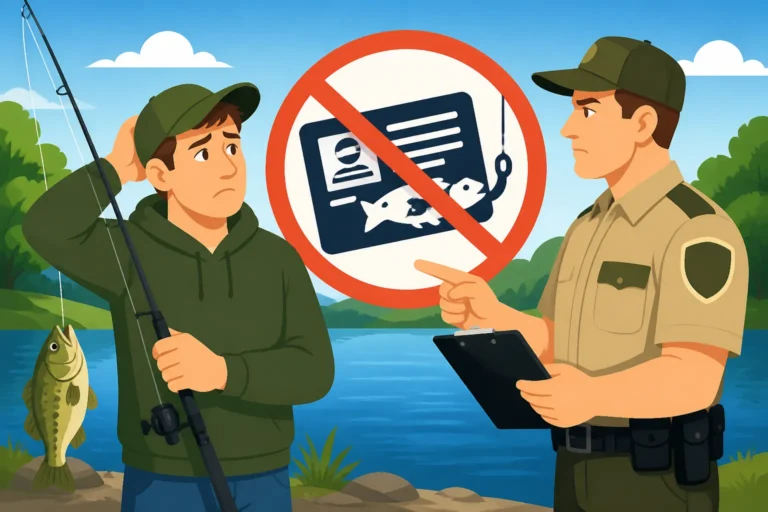
It's tempting to think, "What are the chances I'll get caught?" but conservation officers patrol these border waters diligently. They are well-versed in the reciprocal agreements and state lines, and they're always looking out for compliance to protect the valuable fishery resources. Ignorance of the law is rarely an excuse, and penalties for fishing without the proper license can range from significant fines to confiscation of gear. If you are caught, you might find yourself asking What Happens If You Fish Without a License in Iowa.
Practical Advice for Anglers on the Mississippi River
Fishing the Mississippi River is an incredible experience, but it demands a little extra homework to ensure you're fishing legally and responsibly. No one wants a fun day on the water ruined by an unexpected run-in with a conservation officer.
Checking Current Regulations and Avoiding Fines
The single most important piece of advice is to always check the most current fishing regulations for all states whose waters you plan to enter. Regulations are not static; they can change annually based on fish populations, environmental factors, and management decisions.
Here's how to stay informed:
- Iowa DNR Website: The Iowa Department of Natural Resources website is your primary source for Iowa Fishing Regulations Explained. They publish an annual fishing regulations booklet, usually available online as a PDF.
- GoOutdoors Iowa App: The official GoOutdoors Iowa app is fantastic. Not only can you Buy a Fishing License on the GoOutdoors Iowa App, but it also often contains digital versions of the regulation booklets and even mapping features that can help you discern state lines (though GPS is always more reliable).
- Physical Booklets: Grab a physical copy of the regulations booklet at any place where you can Where to Buy a Fishing License in Iowa, such as a sporting goods store like Academy Sports + Outdoors or even some county recorders' offices. Sometimes, having a physical copy, perhaps even a waterproof one you might find on Amazon, can be a real lifesaver when you're out on the water without reliable cell service.
- Adjacent States' DNR Websites: If you intend to fish close to or in Illinois, Wisconsin, or Missouri waters, make sure you visit their respective DNR websites and download or print their current regulations as well. Don't assume anything.
Fines for fishing without a license or violating regulations can be steep, often including court costs and potentially loss of fishing privileges. It's simply not worth the risk when a license costs far less than a penalty.
Best Practices for Multi-State Fishing Trips
For those ambitious anglers who want to explore all the Mississippi has to offer along Iowa's borders, planning is paramount. Here are some best practices:
- Buy All Necessary Licenses: If you know you'll be crossing into non-reciprocal waters (like Wisconsin's side), bite the bullet and buy the necessary non-resident license for that state. Consider the Iowa Fishing License Costs and compare them to the costs of licenses in neighboring states. Think of it as an investment in a worry-free fishing experience.
- Invest in GPS Navigation: A reliable GPS unit or a marine chartplotter on your boat is an invaluable tool for border water fishing. Many modern units can display state boundaries on their maps, helping you stay aware of your exact location in relation to state lines. Even a fishing app on your phone with good GPS capabilities can work, but always have a backup for battery life or signal loss.
- Know Your Target Species' Rules: Even with reciprocal agreements, catch limits and size restrictions for species like walleye, bass, or catfish can differ between states. For example, Walleye Season and Size Limits might vary from Iowa to Illinois. Always default to the most restrictive regulation if you're unsure which state's rules apply in a specific border area, or if you plan to keep fish caught from both sides.
- Communicate with Other Anglers: Don't be afraid to ask local anglers at boat ramps or bait shops for their insights. They're often a wealth of information regarding current regulations, common pitfalls, and where the fish are biting within specific legal zones. Just be sure to verify any advice with official sources.
- Document Your Catches: Especially if fishing an area with varying limits, consider documenting where each fish was caught, particularly if you're approaching a daily bag limit. This level of detail might seem excessive, but it can protect you if questioned.
Fishing the Mississippi River is a truly Iowan experience, but its shared nature means sharing responsibility. By understanding and respecting the rules, you can enjoy the bountiful waters of the Mississippi without any unnecessary stress.
Disclaimer
Please note that fishing regulations are subject to change. While this guide provides comprehensive information, it is always your responsibility to consult the most current official regulations published by the Iowa Department of Natural Resources and any other relevant state agencies before you go fishing. This content is for informational purposes only and does not constitute legal advice.